
Garage door sensors are an important part of modern home security. They prevent accidents by stopping the door if something is in its path. But sometimes, these sensors can malfunction, making it impossible to close your garage door. If you need your door to close and the sensors are the problem, you might want to know how to bypass them.
Understanding how to safely bypass garage door sensors can save you time and frustration, but you must also know the risks.
This article will explain what garage door sensors do, why you might need to bypass them, and the safest ways to do it. We will also cover common mistakes, safety advice, and legal issues. This guide is designed for beginners and uses simple steps, practical data, and real examples.
What Are Garage Door Sensors?
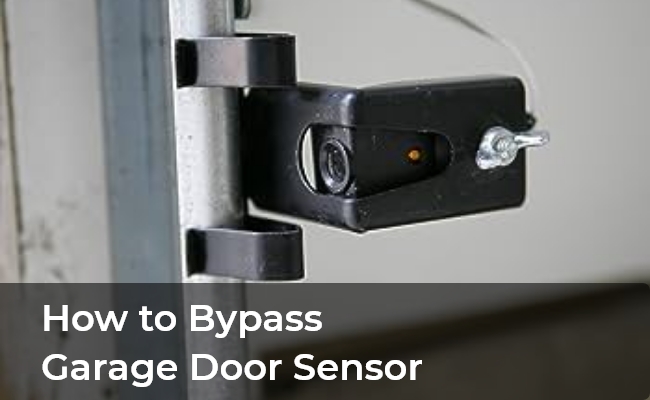
Garage door sensors are small devices found near the bottom of your garage door tracks. They use infrared technology to detect objects in the path of the door. If something blocks the invisible beam between the sensors, the door will not close.
Key features of garage door sensors:
- Placed 4–6 inches above the ground on both sides of the door
- Use infrared light to create a safety beam
- Stop or reverse the door if the beam is broken
- Required by US law for garage doors installed after 1993
Most modern garage doors have these sensors. They help prevent injuries, especially to children and pets.
Why Would You Need To Bypass Garage Door Sensors?
Bypassing sensors is not recommended for daily use, but some situations make it necessary.
Common reasons:
- Malfunctioning sensors – Dirt, misalignment, or damage can cause sensors to stop working.
- Closing the door during repair – If the sensor is broken and you need to secure your garage, a temporary bypass helps.
- Emergency situations – When you cannot leave your garage open overnight due to weather or security.
Example: Imagine your sensor is misaligned during a storm. The door won’t close, and you need to protect your car and home. A safe, temporary bypass can help.
Safety And Legal Considerations
Before trying to bypass your garage door sensors, understand the risks.
- Safety risk: Bypassing removes the automatic stop, so the door could close on people, animals, or objects.
- Legal risk: US federal law requires working safety sensors on all garage doors made after 1993.
- Insurance: Disabling safety features may void your home insurance if an accident happens.
Tip: Always restore the sensors after closing the door. Never use a bypass as a permanent solution.
How Garage Door Sensors Work
Understanding the basic science behind sensors helps you troubleshoot and bypass safely.
- Infrared beam: One sensor sends an invisible light beam to the other.
- Constant signal: If the beam reaches the receiver, the door works normally.
- Broken beam: If something blocks the beam, the door won’t close.
Main causes of sensor problems:
- Dirt on sensor lens
- Sensors knocked out of alignment
- Loose wires or electrical faults
- Sunlight interference
Step-by-step Guide: How To Bypass Garage Door Sensors
If you must bypass the sensors, follow these steps carefully. This method is for temporary use only.
1. Check For Simple Fixes First
Many sensor issues are easy to solve:
- Clean the sensor lenses with a soft cloth
- Make sure both sensors are pointing at each other
- Tighten any loose wires or connections
Tip: Most problems are solved without bypassing the sensors.
2. Manual Override Using The Opener
Most garage door openers have a manual release. This is the safest way to operate your door without sensors.
- Locate the red cord or handle hanging from your garage door opener rail.
- Pull down on the cord to disconnect the door from the opener.
- Manually open or close the door.
Data: According to industry reports, over 70% of homeowners can close their garage manually if sensors fail.
3. Temporary Sensor Bypass (wiring Method)
If you need to use the opener, you can temporarily bypass the sensor circuit.
Warning: This method disables the safety feature. Use with care.
Steps:
- Unplug the opener from the power source for safety.
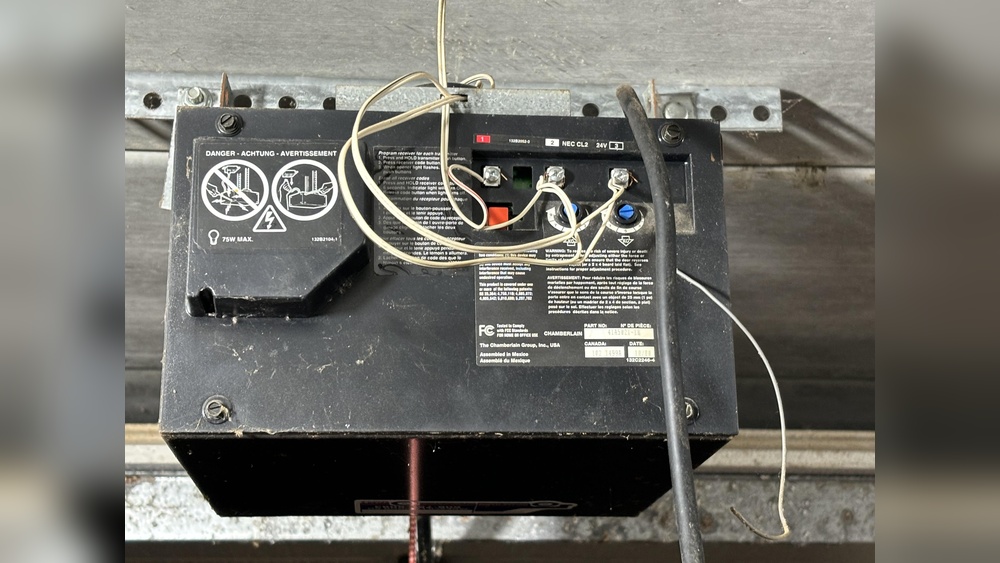
- Find the two sensor wires on the opener’s back panel.
- Remove both wires from the terminals marked “sensor” or “safety.”
- Use a short piece of wire to connect the two terminals (create a jumper).
- Plug the opener back in and test the door.
Note: This tricks the system into thinking the sensors are working. Restore the wires when finished.
4. Aligning Sensors Together
Another method is to tape or clamp the sensors facing each other at close range.
- Remove the sensors from their mounts.
- Hold or tape them together, lens to lens.
- The beam is not blocked, so the door should close.
Tip: This works well if the sensors are physically fine, but the mounting or alignment is the problem.
5. Bypassing With The Wall Button
Some garage door openers let you override sensors by holding the wall control button.
- Press and hold the wall button until the door is fully closed.
- Releasing the button stops the door.
This method is safer because you can stop the door if something is in the way.
6. Using The Remote Opener
In most cases, the remote will not close the door if sensors are blocked. Only use this if the sensors are bypassed using the above methods.
Comparison: Bypassing Methods
Here is a quick look at the pros and cons of each method.
| Bypass Method | Safety | Difficulty | When to Use |
|---|---|---|---|
| Manual Override | Very Safe | Easy | Anytime |
| Wiring Jumper | Less Safe | Medium | Temporary Emergency |
| Sensors Face-to-Face | Medium Safe | Easy | Misalignment Issues |
| Wall Button Hold | Safe | Very Easy | Sensor Blocked |
Common Mistakes When Bypassing Sensors
Beginners often make small errors that can lead to bigger problems.
- Leaving the bypass in place after closing the door
- Forgetting to unplug the opener before touching wires
- Not checking for objects or people before closing
- Using the bypass as a long-term solution
Example: A homeowner left the jumper wire in place for weeks. The door closed on a bicycle, causing damage. Always restore proper sensor function after use.
Troubleshooting Sensor Problems
Sometimes, the issue is not with the sensors themselves. Here’s how to check:
- Check power: Make sure the opener is plugged in and has power.
- Look for indicator lights: Most sensors have a green or red LED. If off or blinking, there’s a problem.
- Inspect wires: Look for loose, cut, or corroded wires.
- Sunlight: Strong sunlight can confuse the sensor. Shade the sensor if needed.
Practical tip: Wipe off dust and spider webs regularly. These block the beam and are a common cause of sensor failure.

Credit: www.youtube.com
When To Call A Professional
Not all sensor problems are easy to fix. Call a garage door technician if:
- The problem returns after bypassing
- You see damaged wires or broken sensor parts
- The opener works erratically or makes grinding noises
- You’re not comfortable working with electrical parts
Professional repair is best for complex electrical faults or if your opener is still under warranty.
Long-term Solutions
Bypassing is only a quick fix. For a long-term answer:
- Replace broken sensors with new ones from the same brand
- Adjust sensor alignment and clean regularly
- Upgrade to a new opener if yours is very old
Data point: On average, new sensors cost $20–$50, and a professional installation costs $75–$150.
Cost Comparison: Repair Vs. Replace
Here’s a simple comparison of common costs:
| Solution | DIY Cost | Professional Cost | Lifespan |
|---|---|---|---|
| Bypass (Temporary) | $0–$2 (wire) | Not recommended | 1–2 days |
| Sensor Cleaning/Alignment | $0 | $50–$75 | 1–2 years |
| Sensor Replacement | $20–$50 | $75–$150 | 5+ years |
| Opener Replacement | $150–$300 | $250–$600 | 10–15 years |
Real-world Example: Safe Bypass
John, a homeowner in Ohio, found his garage door stuck open at night. The sensor was misaligned due to a small bump from his car. He tried cleaning and realigning the sensors, but the door still would not close. He used the wall button hold method to close the door for the night.
The next day, he called a professional to realign the sensors. This safe, temporary bypass kept his garage secure and avoided damage.
Credit: heritagedoor.com
Pro Tips For Beginners
- Always try cleaning and aligning before bypassing.
- Use a flashlight to check sensor alignment—both LEDs should be solid.
- Never force the door closed if it feels heavy. This could mean a spring problem, not a sensor issue.
- Mark the sensor position with tape before moving them. It helps you realign quickly.
Legal And Insurance Implications
Bypassing your garage door sensors is not illegal, but having non-working sensors is against US building codes for homes built after 1993. If your door causes injury or damage after a bypass, you might not be covered by insurance.
Fact: According to the US Consumer Product Safety Commission, garage door accidents cause over 20,000 injuries annually. Most are preventable with working sensors.
For more information on federal garage door safety rules, see the official Consumer Product Safety Commission website.
Credit: reolink.com
Frequently Asked Questions
Can I Permanently Bypass My Garage Door Sensors?
No, this is not safe or legal. Sensors protect people and property. Use a bypass only for emergencies and restore normal operation as soon as possible.
What Happens If I Leave My Sensors Bypassed?
Your garage door will close even if something is in the way. This increases the risk of injury or damage. Insurance may not cover accidents in this situation.
Do All Garage Doors Have Sensors?
All garage doors made after 1993 in the US must have sensors. Older doors may not have them, but upgrading is strongly recommended for safety.
Why Are My Sensors Always Blinking?
Blinking sensor lights usually mean misalignment, dirt, or wiring problems. Clean the lenses and adjust the sensors until the lights are steady.
Can Sunlight Affect My Garage Door Sensors?
Yes. Direct sunlight can interfere with infrared beams. Try shading the sensor or changing its angle slightly to fix the problem.
Bypassing garage door sensors should always be a last resort. With the right knowledge, you can close your garage door safely in an emergency. Always restore proper function and consult a professional if you have any doubts. Stay safe and keep your home secure.