
Finishing the bottom of drywall in your garage may seem simple, but it’s a key step for durability and a clean look. Many homeowners leave the lower edge raw or unfinished, which can lead to damage, moisture issues, and messy appearance.
If you’re new to drywall, don’t worry—this guide explains each step in plain English, with practical tips and real examples.
Why The Bottom Of Drywall Matters In Your Garage
The garage is a tough environment for drywall. Here’s why the bottom edge needs special attention:
- Moisture risk: Water from cars, cleaning, or leaks can soak into exposed drywall, causing mold and decay.
- Impact damage: Tools, bikes, or boxes often hit the lower wall, breaking or denting the drywall.
- Pest entry: Gaps at the bottom make it easier for insects or rodents to get inside.
By finishing the bottom edge well, you protect your investment and keep your garage looking tidy.
Common Problems With Unfinished Drywall Edges
Many beginners skip finishing the bottom because they think it’s not important. Here are typical issues:
- Crumbled edges: Raw drywall can chip and crumble with regular contact.
- Staining: Water and dirt leave permanent marks on exposed paper.
- Sagging: Over time, drywall panels can sag or bulge if not supported.
- Drafts: Air leaks through gaps at the bottom, making the garage colder.
A finished bottom edge stops these problems before they start.

Credit: www.reddit.com
Choosing The Right Finish Method
There are several ways to finish the bottom of drywall. The best method depends on your garage’s needs.
| Finish Method | Durability | Cost | Difficulty |
|---|---|---|---|
| Baseboard | High | Medium | Easy |
| Metal Trim | Very High | High | Moderate |
| Vinyl Trim | High | Medium | Easy |
| Painted Edge Only | Low | Low | Very Easy |
Most garages use baseboards or metal trim because they give strong protection and a neat finish.
Step-by-step: How To Finish The Bottom Of Drywall
Let’s walk through the process, from preparation to final touches.
1. Prepare The Area
- Clear the garage wall of any objects or debris.
- Sweep or vacuum the floor near the wall.
- Inspect the drywall bottom for damage.
If the drywall is chipped or has gaps, repair first.
2. Repair Any Damage
- Use drywall mud (joint compound) to fill holes or cracks.
- For larger gaps, cut a small piece of drywall to patch.
- Sand the area smooth after the mud dries.
This step helps the trim sit flat and keeps moisture out.
3. Choose And Cut Your Trim
You have several trim options:
- Baseboard: Wood or PVC, often 3–4 inches tall.
- Metal trim: L-shaped or J-bead, made for drywall.
- Vinyl trim: Flexible and water-resistant.
Measure the wall length. Cut trim pieces to fit, using a miter saw for corners.
Example: For a 20-foot garage wall, buy two 10-foot baseboards or four 5-foot metal trims.
4. Attach The Trim
- Hold the trim against the bottom edge.
- Use construction adhesive for a strong bond.
- For wood or PVC trim, add nails or screws every 16–24 inches.
- Metal trim can be screwed directly into the drywall or studs.
Check for level—use a bubble level for a straight finish.
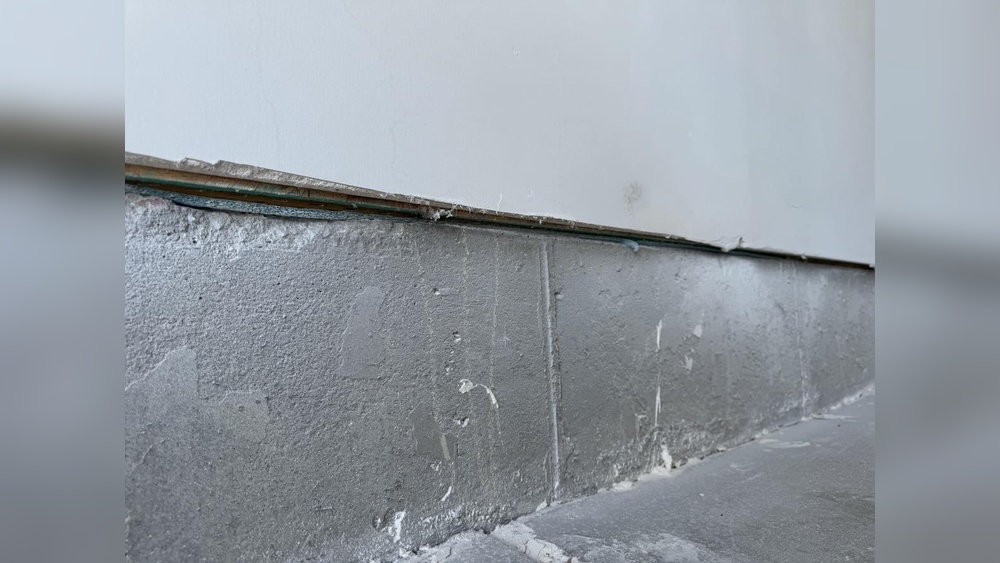
5. Seal The Gap
There’s usually a small gap between the trim and floor. This is normal.
- Use paintable caulk to seal the gap. This blocks moisture and pests.
- Run a bead of caulk, smooth with your finger or a caulk tool.
- Let it dry before painting.
6. Paint Or Finish
- If using wood trim, paint with moisture-resistant paint.
- PVC or metal trim can be left as is, or painted to match the wall.
Painting the trim adds extra protection and blends it with your garage style.

Credit: www.reddit.com
Comparing Trim Materials For Garage Use
Choosing the right material matters for long-term durability. Here’s a quick comparison:
| Material | Moisture Resistance | Impact Resistance | Maintenance |
|---|---|---|---|
| Wood | Moderate | Good | Needs painting/sealing |
| PVC | Excellent | Very Good | Easy, wipe clean |
| Metal | Excellent | Excellent | Rarely needs work |
| Vinyl | Very Good | Good | Easy |
PVC and metal trim are best for garages with high moisture or heavy use.
Practical Tips For Beginners
Many people struggle with drywall finishing because of small mistakes. Here are some practical tips:
- Leave a small gap: Don’t push drywall all the way to the floor. Leave a 1/2-inch gap to prevent wicking moisture.
- Prime before painting: Always use a primer on wood trim for longer paint life.
- Choose the right caulk: Use paintable, flexible caulk. Silicone is good for wet areas but can’t be painted.
- Check for level: Uneven trim looks messy and collects dust.
- Pre-drill holes: For wood or metal trim, pre-drill holes to prevent splitting.
Non-obvious insight: Many garages have uneven floors. If your floor slopes, measure from the floor up in several spots. Cut trim to match the slope, so your finish stays tight.
Real-life Example: Finishing A 2-car Garage
Let’s say you’re finishing a 24-foot wall in a standard 2-car garage.
- Buy four 6-foot PVC baseboards ($12 each).
- Cut pieces to fit, using a miter saw for corners.
- Attach with construction adhesive and nails every 20 inches.
- Seal the bottom with paintable caulk.
- Paint with outdoor-grade latex paint for moisture protection.
Cost estimate: Around $60 for materials, plus $15 for caulk and paint.
Time: About 2–3 hours, including drying time.
Avoiding Common Mistakes
Here are mistakes beginners often make:
- Skipping caulk: Water gets behind trim and damages drywall.
- Using regular interior paint: Garage needs tougher, moisture-proof paint.
- Not checking for level: Crooked trim stands out, especially in a finished garage.
- Using raw wood: Unsealed wood absorbs moisture and rots.
Pro tip: Always check for gaps after installation. Fill small holes with caulk or putty for a seamless finish.
When To Hire A Pro
Most garage drywall finishing is simple, but you may need a pro if:
- The wall has major damage or mold.
- The drywall was installed incorrectly (too low, uneven gaps).
- You want a custom look, like tall wainscoting or specialty trim.
A pro can finish a wall in 1–2 hours, but you’ll pay $2–$4 per linear foot. For most homeowners, DIY is faster and cheaper.
Maintenance And Longevity
A well-finished drywall edge lasts years. Maintenance is minimal:
- Clean trim: Wipe PVC or metal with a damp cloth.
- Check caulk yearly: Re-caulk if cracks appear.
- Touch up paint: If chips or stains happen, repaint the trim.
Statistics: Well-sealed drywall edges last 10–15 years without major repairs. Unfinished edges usually need patching every 2–3 years.

Credit: www.reddit.com
Sustainability And Safety
Choosing PVC or metal trim is smart for sustainability. Many PVC trims are made from recycled materials, and metal lasts decades. Always use low-VOC paint to keep air quality safe, especially in garages with poor ventilation.
Non-obvious insight: If you store chemicals or fuel in your garage, avoid wood trim. Wood absorbs fumes and can be a fire hazard.
Frequently Asked Questions
What’s The Best Material For Garage Drywall Trim?
PVC trim is best for most garages. It resists moisture, is easy to clean, and lasts years. Metal trim is great for heavy-duty use.
Should I Leave A Gap Between Drywall And The Floor?
Yes. Leave at least 1/2-inch gap. This stops moisture from wicking into drywall, which can cause mold.
Can I Use Regular Caulk For The Bottom Edge?
It’s better to use paintable caulk. Regular silicone is waterproof but can’t be painted. Paintable caulk seals gaps and blends with trim.
How Do I Fix Damaged Drywall At The Bottom?
- Cut away the damaged area.
- Patch with a new piece of drywall.
- Use joint compound and sand smooth.
- Finish with trim and caulk.
Do I Need To Paint The Trim In My Garage?
Yes, especially for wood trim. Use moisture-resistant paint for longer life and easier cleaning. PVC and metal can be left unpainted if you like the look.
With the right tools and methods, finishing the bottom of drywall in your garage is a project any beginner can handle. The key is careful preparation, picking strong trim materials, and sealing gaps to keep moisture and pests out. If you need more advanced techniques, visit Family Handyman for professional guides.
A finished drywall edge not only protects your garage but adds value and style. With these steps, your garage walls will stay strong and clean for years.