
Oversized 2 Car Garage Dimensions: A Complete Beginner’s Guide
Building or buying a garage is a big decision for any homeowner. One of the most common questions is about the right garage size, especially for two cars. Many people want more than just a basic fit—they want extra room for storage, hobbies, or easier parking. That’s where an oversized 2 car garage comes in.
Understanding the right dimensions can save money, prevent frustration, and add value to your home. But what counts as “oversized”? How big should it really be? This guide covers everything you need to know, even if you’re just starting out.
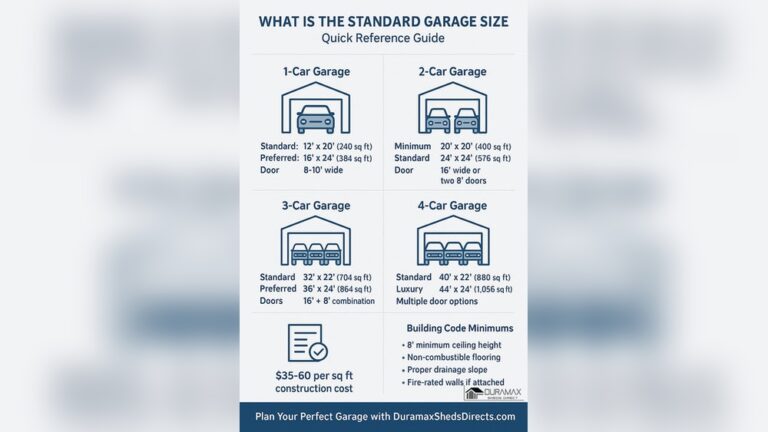
What Is An Oversized 2 Car Garage?
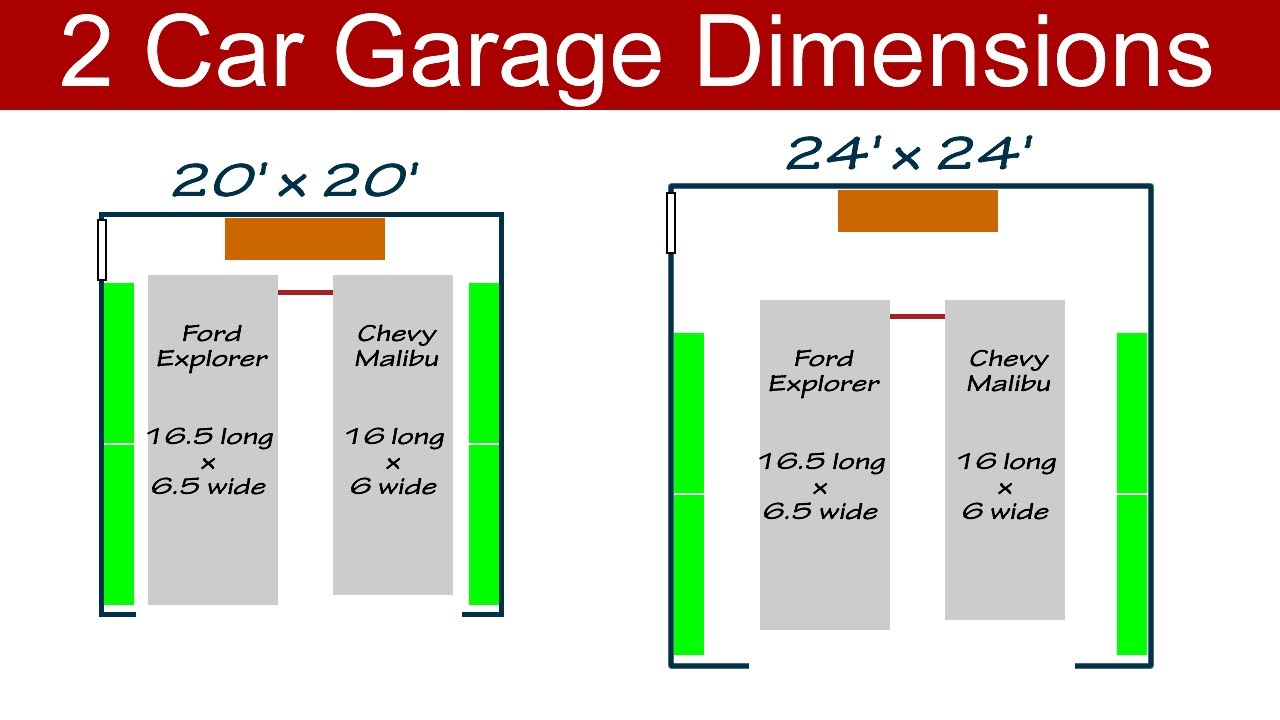
A standard 2 car garage usually measures about 20 feet by 20 feet. This size is just enough for two medium-sized cars. However, an oversized 2 car garage is larger than standard. It gives extra space for:
- Storing bikes, tools, or lawn equipment
- Walking around cars easily
- Opening car doors without hitting walls
- Setting up a small workshop or storage shelves
Most oversized 2 car garages measure 24 feet by 24 feet or more. Some go up to 30 feet long or 28 feet wide depending on needs.
Why does size matter? Many homeowners regret building a garage that’s too small. Expanding later is costly and difficult. Planning for extra space from the start is usually a smart move.
Common Oversized 2 Car Garage Dimensions
Dimensions can vary depending on your needs, lot size, and budget. Here are the most popular oversized 2 car garage sizes:
- 24 feet x 24 feet
- Fits 2 large vehicles comfortably
- Allows space for storage on sides and rear
- Minimum recommended for “oversized”
- 24 feet x 26 feet
- Adds 2 feet of depth for tools or bikes
- More comfortable for trucks or SUVs
- 26 feet x 26 feet
- Ideal for large vehicles plus workbench or shelves
- Great for families with outdoor gear
- 28 feet x 26 feet
- Fits two vehicles and a workshop area
- Ample room for lawn mowers, bikes, and storage
- 30 feet x 24 feet
- Offers maximum flexibility for hobbies or storage
- Can fit boats, motorcycles, or gym area
Here’s a quick visual comparison:
| Garage Size (ft) | Square Feet | Main Advantage |
|---|---|---|
| 20 x 20 | 400 | Basic fit for 2 cars |
| 24 x 24 | 576 | Extra storage, easier access |
| 26 x 26 | 676 | Room for workshop, bigger vehicles |
| 28 x 26 | 728 | Large storage, flexible use |
| 30 x 24 | 720 | Maximum versatility |
Pro tip: Always measure your vehicles and leave at least 3 feet clearance on all sides for easy movement.
How To Choose The Right Size
Picking the best oversized garage size depends on your lifestyle and property. Here are the key factors:
1. Car Sizes
Measure your vehicles from bumper to bumper, and check the width with mirrors open. Most cars need about 6 to 7 feet in width and 15 to 18 feet in length. For trucks or SUVs, add extra space.
2. Storage And Activities
Think beyond parking. Do you need room for:
- Bicycles, sports equipment, or a lawn mower?
- A workbench or tool wall?
- Shelves for holiday decorations?
- Storing a motorcycle or small boat?
Each activity needs extra square footage.
3. Door Size
Oversized garages usually have wider doors. A standard double garage door is 16 feet wide. Many oversized garages use 18-foot doors for easier entry and exit.
4. Lot Space And Local Codes
Check your property lines and local building codes. Some cities limit garage size or distance from fences.
5. Budget
Larger garages cost more to build, heat, and maintain. But the investment often pays off in home value and convenience.
Example: If you have two SUVs and want a workbench, a 26 x 26 garage is usually comfortable. If you only park sedans and store a few bikes, 24 x 24 may be enough.
Standard Vs Oversized: What’s The Real Difference?
Many people think a few feet don’t matter. But in a garage, those extra feet make daily life much easier.
| Feature | Standard (20×20) | Oversized (24×24+) |
|---|---|---|
| Parking | Tight for 2 cars | Easy access, less stress |
| Storage | Limited | Plenty for tools, gear, bikes |
| Work Area | No space | Room for bench or shelves |
| Door Opening | Risk of dings | Full door swing |
| Resale Value | Standard | Higher, more appealing |
Non-obvious insight: It’s not just about parking. Oversized garages often become the main storage space for the entire house.
Practical Layouts For Oversized 2 Car Garages
Planning the interior layout is just as important as picking the right dimensions. Here’s how homeowners usually use their oversized space:
- Wall storage: Shelves, cabinets, or pegboards take up less floor area.
- Rear storage zone: Place large items (bikes, snow blowers) at the back.
- Side workbench: A 2-foot-deep bench along one wall fits tools and projects.
- Loft or attic: Some oversized garages have tall ceilings for overhead storage.
Example layout:
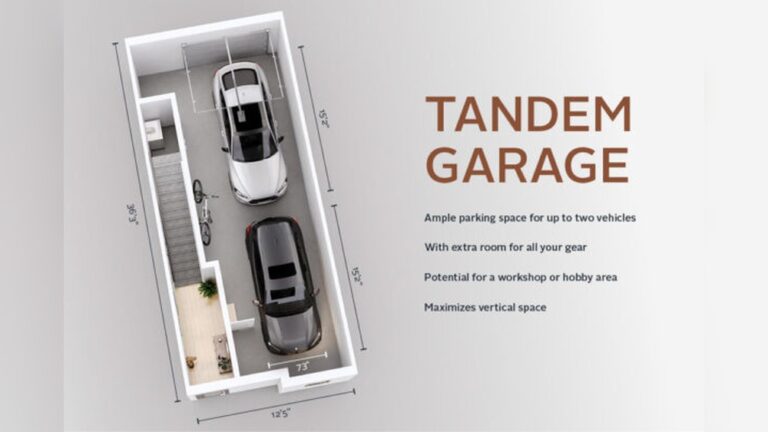
- Two cars parked side by side
- 3 feet clearance between cars and walls
- 2–4 feet at the rear for storage
- Workbench along one side wall
Tip for beginners: Draw your garage on paper to scale. Add your cars, storage, and walking paths. This helps you “see” the space before you build.
Height And Ceiling Considerations
Garage height is often overlooked. Standard ceilings are 8 feet high, but oversized garages may go up to 10 or 12 feet. Why does this matter?
- Tall vehicles: Large SUVs, trucks, or lifted vehicles need extra clearance.
- Overhead storage: High ceilings let you add hanging shelves or a loft.
- Future needs: You might want to install a car lift or extra lighting.
Insight: If you plan to use your garage for a gym or woodworking, higher ceilings feel less cramped and allow better airflow.
Credit: shedsunlimited.net
Door And Driveway Dimensions
A garage is only as useful as its entryway. Oversized garages often use:
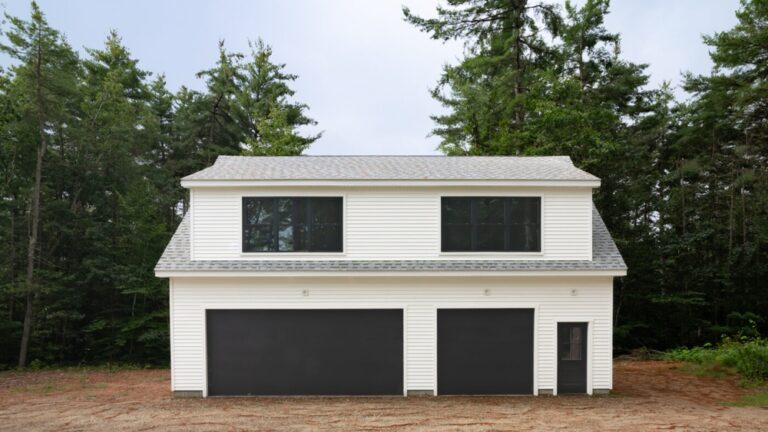
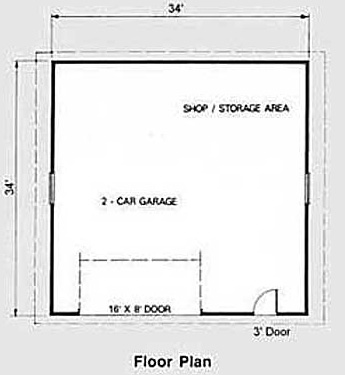
- Double doors (16–18 feet wide) for easy two-car entry
- Single oversized doors (9–10 feet wide each) for separate bays
Driveway width: For a two-car garage, your driveway should be at least 20–24 feet wide for smooth entry and exit.
Overhead door height: Standard is 7 feet, but 8 feet or higher is better for tall vehicles.
Cost Impact Of Oversized Dimensions
Building bigger means spending more. Here’s what affects the final price:
- Materials: More concrete, lumber, siding, and roofing
- Labor: Larger garages take longer to build
- Permits and fees: Some cities charge more for larger structures
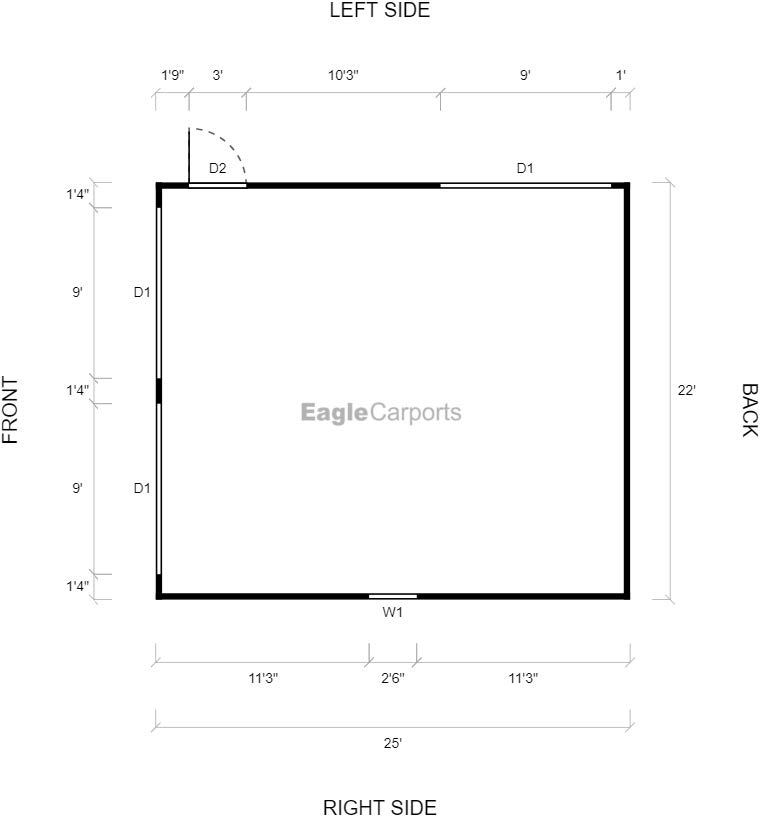
On average, an oversized 2 car garage costs between $25,000 and $45,000 in the US (as of 2023). That’s about $50–$70 per square foot. Adding heating, insulation, or custom doors increases the price.
Example cost breakdown:
| Garage Size | Estimated Cost Range |
|---|---|
| 24 x 24 (576 sq ft) | $28,800 – $40,300 |
| 26 x 26 (676 sq ft) | $33,800 – $47,300 |
| 28 x 26 (728 sq ft) | $36,400 – $50,960 |
Practical tip: Oversizing your garage often adds more value than it costs, especially in areas where extra storage is in demand.
Credit: www.eaglecarports.com
Common Mistakes To Avoid
Many first-time garage builders make these errors:
- Underestimating needs: People often wish they’d built bigger after a few years.
- Forgetting storage: A garage isn’t just for cars—think about tools, bikes, and seasonal gear.
- Ignoring door size: Narrow doors make parking stressful.
- Not checking local rules: Permit problems can delay or even stop your project.
- Overbuilding: Going too large can crowd your yard or break your budget.
Non-obvious insight: It’s better to slightly oversize now than pay for a costly expansion later.
How Oversized Garages Add Value
A larger garage is more than just a convenience. It can increase your home’s resale value by up to 13% according to some real estate studies. Buyers look for:
- Safe, easy parking for large vehicles
- Ample storage for family belongings
- Space for hobbies or a home gym
Many US homes lack storage space. An oversized garage solves this problem and makes your house stand out if you ever sell.
For more on garage value and home features, see National Association of Realtors.
Credit: behmdesign.com
Frequently Asked Questions
What Is The Minimum Size For An Oversized 2 Car Garage?
The minimum size is usually 24 feet by 24 feet. This gives enough room for two cars, some storage, and comfortable movement. Anything smaller is not truly “oversized.”
How Much Bigger Is An Oversized Garage Compared To Standard?
An oversized 2 car garage is typically 4 to 8 feet longer or wider than a standard garage. This means 24×24 instead of 20×20, or even larger if you need extra storage or a workshop.
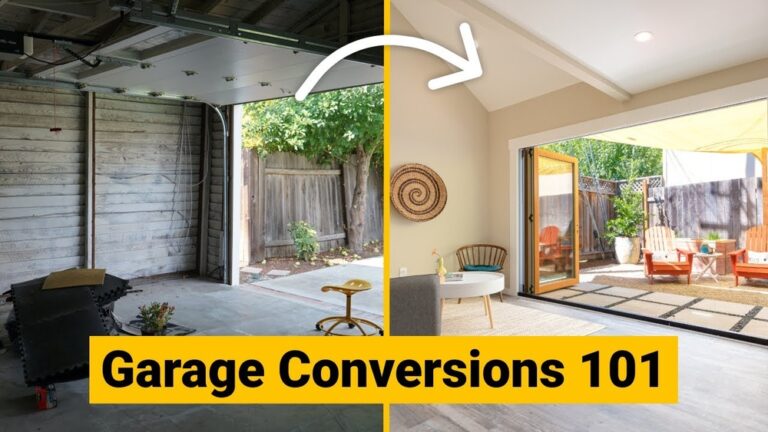
Can I Convert A Standard Garage To Oversized?
It’s possible but can be expensive and complicated. You may need to move walls, change the roof, and pour more concrete. It’s usually easier to build oversized from the start.
Is An Oversized Garage Worth The Extra Cost?
For most families, yes. The extra space makes daily life easier, protects your vehicles, and adds value to your home. It’s a long-term investment, not just a short-term expense.
Do I Need A Building Permit For An Oversized Garage?
Almost always, yes. Check with your local city or county building office. Permits make sure your garage is safe and legal. Oversized garages may have special requirements for setbacks or height.
Final Thoughts
Choosing the right oversized 2 car garage dimensions is about more than just parking your cars. It’s about making your home more useful, comfortable, and valuable for years to come. Measure your needs carefully, think about future uses, and don’t be afraid to add a few extra feet. The right garage will pay off every time you drive in, store your gear, or take on a new project.
With smart planning, your oversized garage becomes one of the best features of your home.