
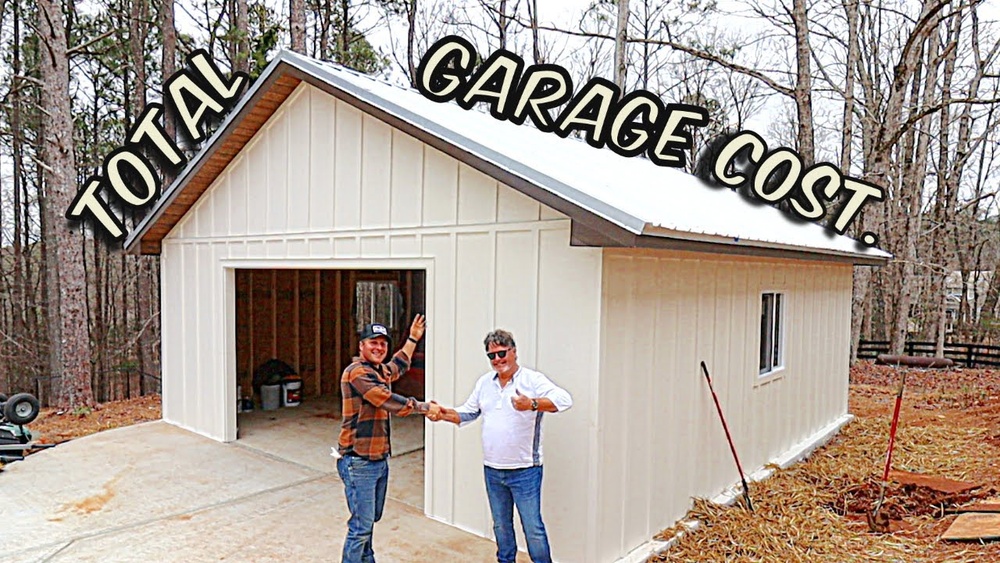
Building a garage can change your home and daily life in many ways. Whether you want to protect your car, add storage, or create a workshop, a garage is a smart investment. Many homeowners start with questions like, “How much does it cost?
” or “Can I build it myself? ” This guide gives you clear answers, step-by-step advice, and practical tips. By the end, you’ll understand the process, common mistakes, and how to make your project a success—even if you’re a beginner.
Why Build A Garage?
A garage does more than just shelter your car. It adds value, security, and function to your property. Here’s why people decide to build one:
- Protects your vehicle from weather, theft, and vandalism.
- Increases home value by 10%–20% in many markets.
- Extra storage for tools, bikes, and seasonal items.
- Space for hobbies like woodworking or car repairs.
- Potential for future living space (apartment or office).
Many buyers look for homes with garages. In fact, the National Association of Realtors found that 85% of buyers consider a garage essential or desirable. If you plan to sell your home someday, a garage makes it more attractive.
Types Of Garages
Choosing the right garage type is your first big decision. Here are the main options:
| Garage Type | Description | Typical Cost (USD) |
|---|---|---|
| Attached | Connected to your house; direct indoor access | $25,000–$45,000 |
| Detached | Separate building; flexible placement | $30,000–$60,000 |
| Carport | Open sides; roof only; lowest cost | $3,000–$8,000 |
| Garage with Apartment | Living space above or beside | $60,000–$120,000+ |
- Attached garages are convenient if you want to walk inside during bad weather.
- Detached garages offer more privacy and can reduce noise.
- Carports are simple, but don’t protect as well.
- Apartments or studios need extra planning and budget.
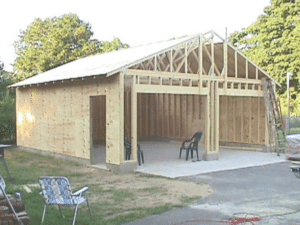
Credit: a1garage.com
Planning Your Garage Project
Good planning saves time, money, and stress. Here’s what to consider before you start building:
Set Your Goals
Ask yourself:
- Will this garage store cars, tools, or both?
- Do you want space for hobbies or a home gym?
- Should it match your house style?
Clear goals help you avoid costly changes later.
Check Local Rules
Before you design, check:
- Zoning laws: Some areas limit size, location, or height.
- Permits: Most cities require a building permit.
- Homeowner Association (HOA) rules if you have one.
Skipping permits can lead to fines or having to remove your garage.
Budgeting
Garage costs depend on size, materials, and extras. Let’s look at a typical breakdown for a single-car, attached garage (about 250 sq. ft.):
| Cost Item | Low Estimate | High Estimate |
|---|---|---|
| Concrete slab | $2,500 | $5,000 |
| Framing & structure | $5,000 | $10,000 |
| Roofing | $2,000 | $4,000 |
| Garage door | $1,000 | $3,000 |
| Electrical/lighting | $1,000 | $2,500 |
| Labor | $10,000 | $20,000 |
| Total | $21,500 | $44,500 |
Tip: Always add 10%–15% extra for surprises (weather, material price changes).
Size And Layout
Common garage sizes:
- Single-car: 12×20 ft (fits most cars)
- Double-car: 20×20 ft or 24×24 ft (fits two cars)
- Oversized: 28×32 ft or larger (cars plus storage/workshop)
If you want storage or workspace, add at least 4–6 extra feet to the width or depth.
Diy Vs. Hiring A Contractor
You have two main options: build the garage yourself or hire a professional.
Diy Garage Build
- Cheaper, but requires tools, skills, and time.
- You need to read plans, pour concrete, frame walls, and handle wiring.
- Mistakes can be costly, especially with electrical or structural work.
Beginner tip: Some companies sell garage kits. These include all the parts (walls, roof, door) and instructions. Kits can save time and reduce errors.
Hiring A Contractor
- More expensive, but faster and safer.
- Contractors handle permits, codes, and inspections.
- You get a warranty on work and materials.
Get at least 3 quotes. Check reviews and ask for references. Don’t just choose the lowest price—look for experience and clear communication.
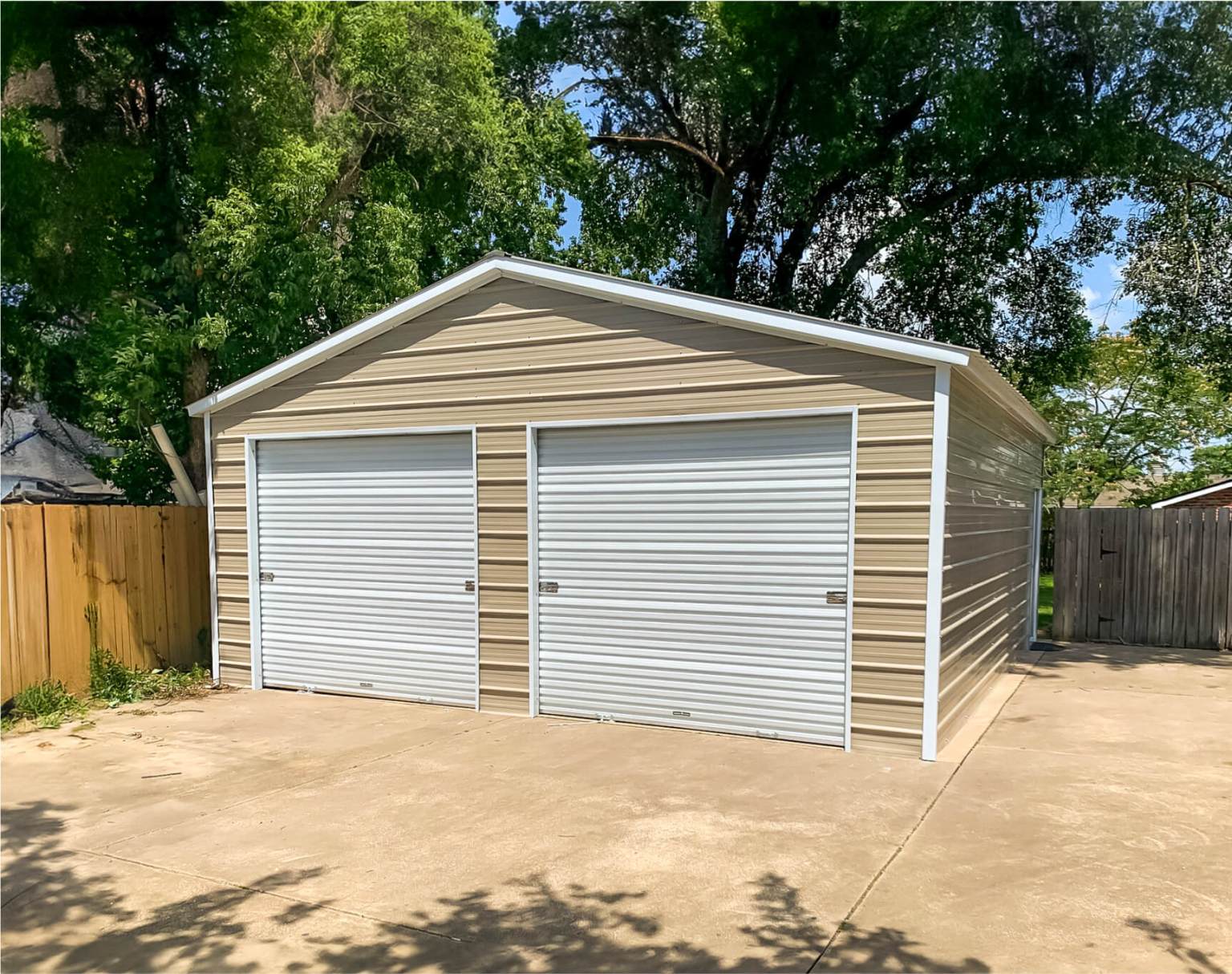
Credit: alansfactoryoutlet.com
Step-by-step: How To Build A Garage
Here’s a simplified process most garage builds follow. Even if you hire a pro, understanding these steps helps you track progress.
1. Design And Permits
Choose your plan, get permits, and check property lines.
2. Site Preparation
Clear the area, level the ground, and stake out the garage’s footprint.
3. Foundation
Pour a concrete slab. Most garages need a 4-inch thick slab with rebar for strength.
4. Framing
Build the walls and roof structure. Use pressure-treated wood for areas that touch concrete.
5. Roofing
Install trusses, sheathing, and shingles. Match your home’s roof if possible.
6. Siding And Doors
Add siding (vinyl, wood, or brick) and install the garage door.
7. Electrical And Insulation
Run wiring for outlets and lights. Insulate if you plan to heat or cool the space.
8. Finishing Touches
Paint, add shelving, and organize tools.
Non-obvious insight: Plan for at least two exterior lights and several outlets. It’s easier to add them now than later.
Common Mistakes And How To Avoid Them
Beginner builders often run into the same problems:
- Underestimating costs. Always add a buffer—prices can rise quickly.
- Ignoring drainage. Water should flow away from your garage, or the foundation can crack.
- Wrong door size. Measure your vehicle, including mirrors, before choosing a door.
- Not planning for storage. Overhead racks or wall shelves keep the floor clear.
- Skipping insulation. Even if unheated, insulation reduces moisture and keeps items safe.
Expert tip: Photograph each step, especially wiring and pipes before drywall. This helps with repairs or upgrades later.

Credit: steelpowershelving.com.au
Garage Materials: What To Choose
The materials you pick affect price, looks, and maintenance.
- Concrete: Best for floors; lasts 30+ years.
- Wood framing: Common and easy to work with.
- Vinyl siding: Low maintenance, many colors.
- Steel doors: Durable and secure.
- Asphalt shingles: Affordable and easy to match to your house.
If you live in a snowy area, consider a steeper roof so snow slides off.
Adding Value And Function
A well-designed garage does more than store your car. Here’s how to get extra value:
- Add windows for natural light.
- Install a side entry door for easy access.
- Use LED lighting for bright, low-cost illumination.
- Build workbenches or cabinets for tools.
- Consider future upgrades (insulation, heating, or a car charger).
Non-obvious insight: Plan where you’ll park bikes, trash bins, or seasonal gear. Mark these on your layout to avoid clutter.
Real-life Example: Small Garage Build
Let’s look at a basic single-car, attached garage:
- Size: 12×22 feet (264 sq. Ft.)
- Cost: $28,000 (includes permits, slab, framing, roofing, door, electrical)
- Build time: 3 weeks (with contractor)
- Features: One window, side entry door, basic lighting, vinyl siding
The owner added $20,000 to their home’s value, according to a local appraiser. They also saved $300/year on car cleaning and repairs due to better protection.
Garage Cost Vs. Value: Is It Worth It?
Many people ask if building a garage pays off. Data from Remodeling Magazine’s 2023 Cost vs. Value Report shows:
- Average garage addition cost: $39,000
- Average resale value added: $25,000 (64% return)
- Extra value: Convenience, security, and storage
A garage rarely returns 100% of its cost right away. But if you plan to stay in your home, the benefits add up over time.
Garage Building: Quick Comparison
Here’s a quick look at attached vs. detached garages:
| Feature | Attached Garage | Detached Garage |
|---|---|---|
| Cost | Lower | Higher |
| Convenience | High (direct access) | Lower (walk outside) |
| Flexibility | Limited by house | Can be placed anywhere |
| Noise/Smells | Can enter home | Separate from house |
| Future expansion | Harder | Easier |
Choose based on your lot, budget, and needs.
Frequently Asked Questions
How Long Does It Take To Build A Garage?
Most single-car garages take 2–4 weeks with a contractor. DIY projects can take several months, depending on your skill and time.
Do I Need A Permit To Build A Garage?
Yes. Almost all towns and cities require a permit. Check with your local building department before starting.
Can I Build A Garage Myself As A Beginner?
Yes, but start small. Garage kits are good for beginners. Read all instructions, follow codes, and ask for help with electrical or plumbing.
How Much Does A Garage Increase Home Value?
A garage can add 10%–20% to your home’s value. The exact amount depends on your area and the garage quality.
Where Can I Find Garage Plans?
Many websites and home improvement stores offer plans. For reliable building codes and designs, see the National Association of Home Builders.
Building a garage is a big project, but with good planning and the right help, it’s possible for most homeowners. You’ll add space, value, and function to your home—and enjoy the results for years to come.