
Heating a garage can turn a cold, unused space into a comfortable workshop, gym, or even a small office. Many people want to use their garage year-round, but struggle with cold temperatures, especially in winter. Choosing the best way to heat your garage depends on your garage size, insulation, budget, and how often you use the space.
This guide explains the most effective options, important factors, and gives practical tips so even beginners can safely and efficiently heat their garage.
Why Heat A Garage?
A warm garage is more than just comfortable. It protects your car, tools, and other items from freezing temperatures. This can prevent engine problems, battery failure, and rust. If you use your garage for hobbies or work, a heated space helps you stay productive and safe.
Heating also reduces dampness, which can cause mold or damage to electronics.
Understand Your Garage
Before choosing a heater, it’s important to know your garage’s basics:
- Size: Measure the length, width, and height to calculate square footage and volume.
- Insulation: Check if walls, ceiling, and garage door have insulation. Uninsulated garages lose heat quickly.
- Windows and Doors: Gaps and old windows let in cold air.
- Power Source: Know if you have access to gas lines, 240V outlets, or just standard 120V electricity.
These details help you select the right heater and avoid wasting energy.
Main Ways To Heat A Garage
Not every heating method is right for every garage. Here are the most common solutions:
1. Electric Space Heaters
Electric space heaters are popular because they are easy to install and use. They come in two main types:
- Convection heaters: Warm the air, which then circulates.
- Infrared heaters: Heat objects and people directly.
Pros:
- Plug-and-play
- No fumes
- Good for small to medium garages
Cons:
- Can be costly to run for large spaces
- Slow to heat poorly insulated garages
Example:
A 1500-watt electric heater can heat up to 200 square feet. For a standard 2-car garage (about 400 square feet), you may need 2 heaters or a larger unit.
2. Gas Heaters
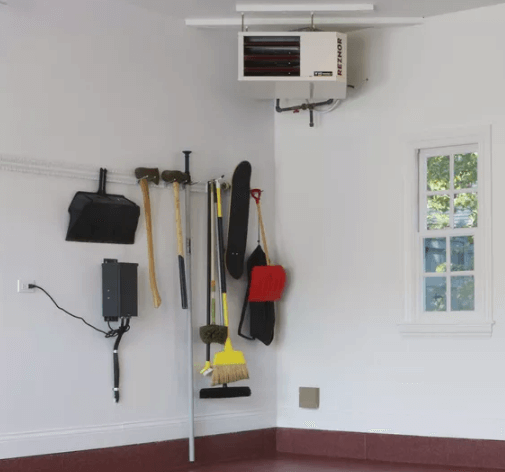
Gas-powered heaters use natural gas or propane. They produce more heat and work well for large or detached garages.
Pros:
- Heats large spaces quickly
- Lower operating cost (if gas is cheap locally)
Cons:
- Needs venting for safety
- Professional installation required
- Can produce fumes
Example:
A 30,000 BTU natural gas heater can heat a 2-car garage in cold climates. Always check for proper ventilation.
3. Ductless Mini-split Heat Pumps
Mini-split systems provide both heating and cooling. They are efficient and quiet, but the upfront cost is higher.
Pros:
- Very energy efficient
- Also cools in summer
- No fuel storage needed
Cons:
- Expensive to install
- Needs a wall opening for the outside unit
Example:
A 12,000 BTU mini-split can heat a 400-500 square foot garage, even at low outdoor temperatures.
4. Portable Propane Heaters
Portable propane heaters are flexible and can be used where electricity is limited. They are best for short-term use.
Pros:
- No wiring needed
- Portable
- Instant heat
Cons:
- Needs good ventilation
- Propane tanks must be stored safely
Example:
A 10,000 BTU portable unit can warm a small garage for a few hours. Never use indoors without ventilation.
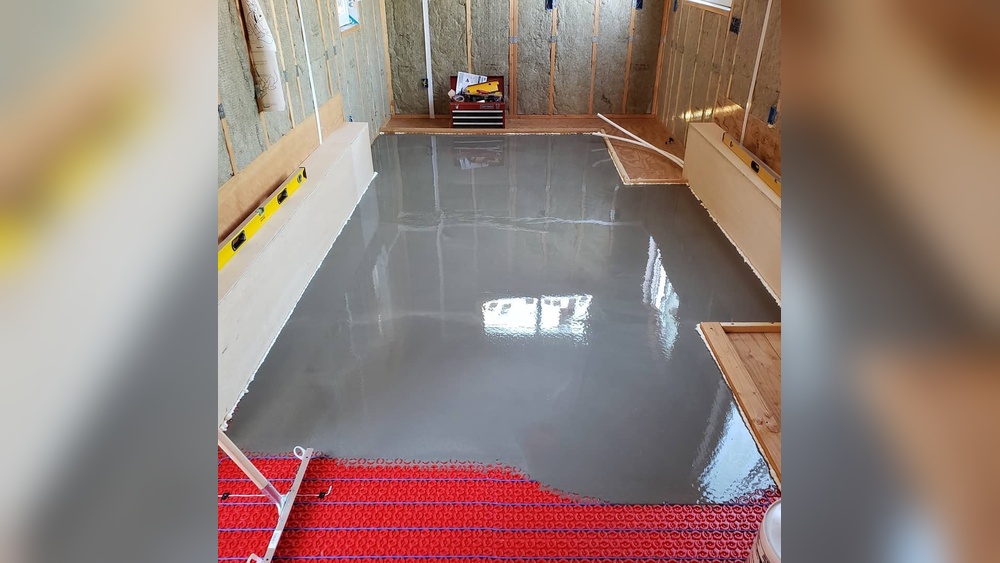
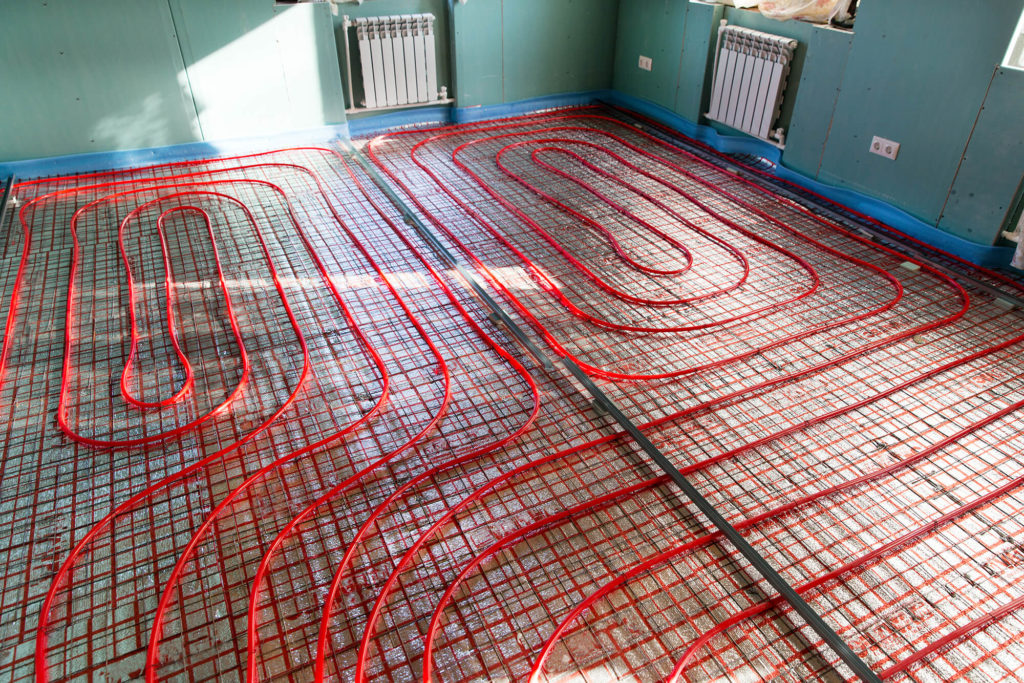
5. Radiant Floor Heating
Radiant floor systems heat the garage floor, which then warms the room. This is best for new garages or big renovations.
Pros:
- Very comfortable heat
- No fans or noise
Cons:
- Expensive to install
- Not practical for existing garages
Example:
Hydronic (water-based) radiant floors use hot water pipes. Electric mats are also available for small spaces.
Compare Heating Methods
To help you quickly compare, see the table below:
| Heating Method | Cost to Install | Operating Cost | Best For |
|---|---|---|---|
| Electric Space Heater | Low ($30-$300) | High | Small/medium garages |
| Gas Heater | Medium ($400-$1000+) | Low/Medium | Large garages |
| Mini-Split Heat Pump | High ($1,000-$3,000) | Low | Year-round use |
| Portable Propane | Low ($50-$200) | Medium | Temporary use |
| Radiant Floor | Very High ($2000+) | Low | New builds |
Credit: www.garaga.com
Insulate Before You Heat
Many people forget that insulation is more important than the heater itself. Even the best heater will waste energy if heat escapes.
Key Areas To Insulate
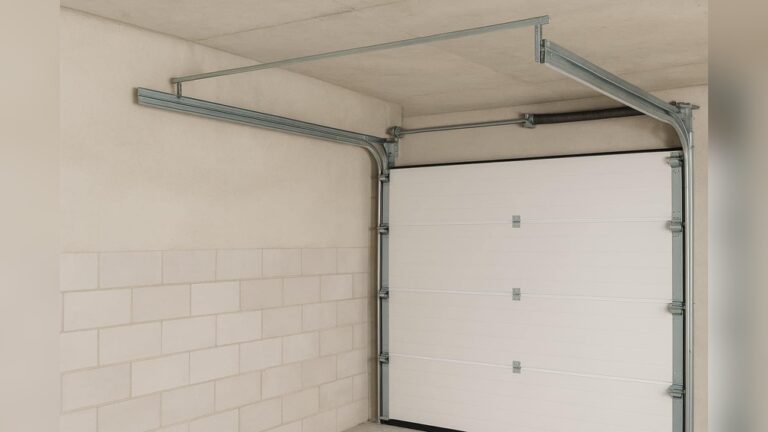
- Garage door: Add insulation panels or upgrade to an insulated door.
- Walls and ceiling: Use fiberglass batts, foam boards, or spray foam.
- Windows: Install double-pane glass or plastic film kits.
- Weatherstripping: Seal gaps around doors and windows.
Insulating can cut heating costs by up to 40%. It also keeps the garage cooler in summer.
Calculate How Much Heat You Need
Choosing the right size heater is key to comfort and efficiency. Too small and you stay cold. Too big and you waste money.
Simple Calculation
- Measure your garage in feet (length × width × height).
- Use this formula: BTUs needed = Area (sq ft) × 20-35
- Use 20 for mild climates, 35 for cold areas or uninsulated garages.
Example:
A 20 x 20 ft garage with 8 ft ceilings:
- Area = 400 sq ft
- Volume = 3,200 cu ft
- BTUs needed = 400 × 30 (average) = 12,000 BTU
If not insulated, use a higher number.

Credit: www.youtube.com
Safety Tips For Heating A Garage
Heating a garage is different from a living room. Safety is critical:
- Keep heaters away from flammable items (paint, gas cans, cardboard).
- Install carbon monoxide detectors if using gas or propane.
- Ventilate the space, especially with fuel-burning heaters.
- Never leave heaters running unattended.
- Use heaters with tip-over and overheat protection.
Most garage fires start from poor heater placement or using the wrong type.
Energy Saving Tips
Heating costs can add up, but simple steps can save money:
- Heat only when using the garage. Use programmable timers.
- Close the garage door quickly to keep heat in.
- Dress for the temperature—a light jacket can make a big difference.
- Zone heat only the area you use (e.g., workstation).
- Cover windows at night to reduce heat loss.
Credit: artisandoorworks.com
Common Mistakes Beginners Make
Even with good advice, beginners often miss these points:
- Ignoring insulation. Heating without sealing leaks wastes money.
- Choosing the wrong size heater. Bigger isn’t always better.
- Using indoor-only heaters. Always check if a heater is garage-rated.
- Poor placement. Put heaters where air can circulate, not blocked by objects.
- Skipping safety gear. Carbon monoxide detectors are critical for gas units.
Practical Example: Heating A Typical 2-car Garage
Let’s say you have a 20 x 20 ft attached garage. It’s partly insulated but has a metal door and one window.
- Step 1: Add weatherstripping to the door and plastic film to the window.
- Step 2: Use a 5,000-watt electric space heater (about 17,000 BTU) or a 20,000 BTU gas heater.
- Step 3: Place the heater in a corner with good airflow, away from storage.
- Step 4: Set a programmable timer to run the heater only when you use the garage.
- Step 5: Add a ceiling fan to circulate warm air down.
With these steps, the garage reaches 55-60°F even when it’s below freezing outside.
Advanced Option: Smart Garage Heating
Smart thermostats and Wi-Fi plugs let you control your garage heater from your phone. You can turn on the heat before you go out, so it’s warm when you arrive. Many new heaters support smart home systems, adding convenience and extra energy savings.
Quick Comparison: Electric Vs Gas Heaters
Here’s a look at how electric and gas heaters stack up for garage use:
| Feature | Electric Heater | Gas Heater |
|---|---|---|
| Installation | Very easy | Needs pro install |
| Heating Speed | Medium | Fast |
| Running Cost | Higher | Lower (if gas is cheap) |
| Safety | No fumes | Needs venting |
| Maintenance | Low | Medium |
When To Call A Professional
Some garage heating systems are DIY friendly, like plug-in space heaters. But for gas heaters or mini-splits, a professional is best. They ensure safe gas lines, wiring, and venting. For radiant floor systems, always use a certified installer.
Real-world Data: Cost To Heat A Garage
- Electric heater: About $0.15-$0.30 per hour for a 1500-watt unit (based on $0.10-$0.20 per kWh).
- Gas heater: $0.10-$0.15 per hour for a 20,000 BTU unit (varies by gas price).
- Mini-split: $0.08-$0.12 per hour for a 12,000 BTU unit.
Actual costs depend on insulation, outside temperature, and garage size.
Learn More
For more details on garage heating, check the U.S. Department of Energy’s insulation guide.
Frequently Asked Questions
How Much Does It Cost To Heat A Garage Per Month?
The cost depends on heater type, energy rates, and insulation. For a 2-car garage, electric heaters can cost $30–$100/month if used daily in winter. Gas heaters are usually cheaper if you have natural gas.
Is It Safe To Use A Kerosene Or Propane Heater In A Garage?
Only if the heater is rated for indoor use and there is good ventilation. Always install a carbon monoxide detector. Never leave these heaters running unattended.
What Size Heater Do I Need For My Garage?
Measure your garage and multiply the square footage by 20–35 to get the needed BTUs. For example, a 400 sq ft garage usually needs 8,000–14,000 BTU, more if uninsulated.
Can I Use My Home’s Central Heating To Heat My Garage?
You can, but only if your HVAC system is designed for it. Extending ductwork can be costly and may violate building codes. Most experts recommend a separate garage heater.
How Can I Keep My Garage Warm Without Spending Much Money?
Insulate the garage door and windows, seal gaps, and use a small portable heater only when needed. Wear warm clothes and block drafts to keep heat in.
Heating a garage doesn’t have to be expensive or complicated. With good insulation, the right heater, and safe practices, you can enjoy your garage all year—even in the coldest months.