
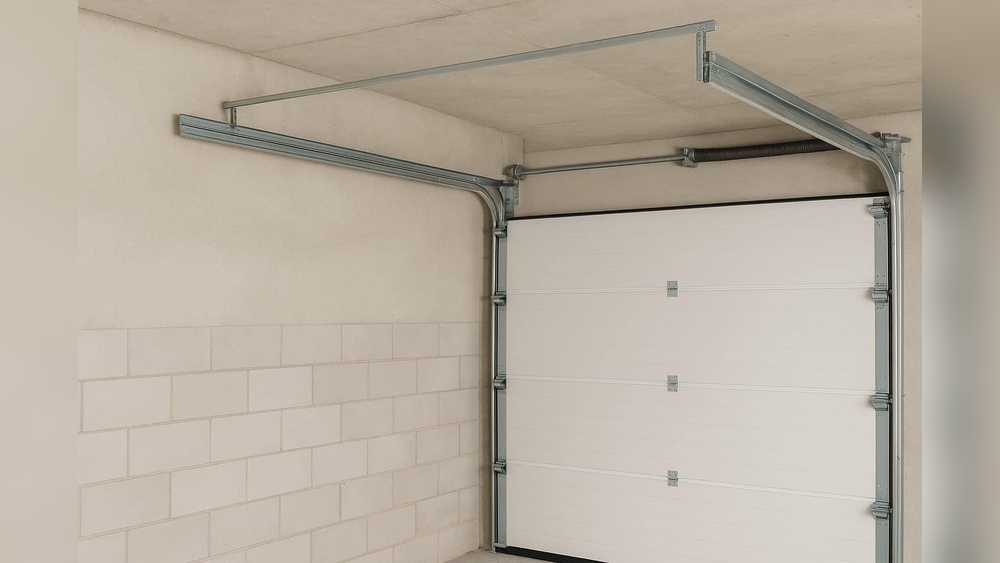
Installing a new garage door on old tracks can save money and time. Many homeowners want to upgrade their garage door but worry about the complexity and cost. The good news is, you can often reuse the existing tracks if they are in good condition. This guide will walk you through the process, focusing on clear steps and practical advice. Even if you are not a professional, you can follow these instructions safely. You’ll learn what tools to use, how to check your tracks, and common mistakes to avoid. Let’s get started with a beginner-friendly approach.
Can You Use Old Tracks With A New Garage Door?
Before you begin, it’s important to know if your old tracks will work with the new door. Not all garage doors are compatible with existing tracks. Here are the main points to check:
- Track width and thickness: Measure the width of your current tracks and compare them to the new door’s requirements. Most residential doors use tracks that are 2 inches wide.
- Track shape: The profile of the track must match the new door. If the new door is heavier or of a different style (like sectional vs. one-piece), you may need new tracks.
- Wear and damage: Check for bends, rust, and cracks. Old tracks with damage can cause safety issues.
According to the International Door Association, about 60% of replacement garage doors can use existing tracks if properly inspected.
Example
Let’s say your old tracks are 2 inches wide and straight, and your new door is also designed for 2-inch tracks. If there are no signs of rust or bending, you can proceed with installation. But if the tracks are warped or the new door is much heavier, it’s safer to buy new tracks.
Tools And Materials You’ll Need
Having the right tools makes installation easier and safer. Here is a list of essentials:
- Tape measure
- Level
- Socket wrench
- Screwdriver
- Drill
- Pliers
- Garage door lubricant
- Safety glasses
- Gloves
- Ladder
You’ll also need the new garage door kit, which usually includes:
- Door panels
- Hinges
- Rollers
- Springs
- Cables
If your tracks are missing hardware, buy replacement bolts and brackets.
Inspecting And Preparing Old Tracks
Checking your tracks is a key step. Damaged tracks can lead to poor operation or accidents. Here’s how to inspect and prepare:
- Visual check: Look for rust, bends, or cracks. If you see any, replace the tracks.
- Clean tracks: Use a brush and garage door lubricant to remove dirt and old grease.
- Check alignment: Use a level to ensure tracks are straight and parallel.
- Test movement: Run the rollers through the tracks. They should move smoothly without sticking.
Practical Data
- Most garage door tracks last 15–20 years with regular maintenance.
- If your tracks are over 20 years old, consider replacing them even if they look good.
Removing The Old Garage Door
Taking out the old door needs care, especially with springs and cables. Follow these steps:
- Disconnect opener: Unplug the garage door opener and remove the arm from the door.
- Release tension: Springs are under high tension. If you are not experienced, call a professional. Otherwise, use winding bars to release tension slowly.
- Remove panels: Unscrew hinges and lift out each panel, starting from the top.
- Remove hardware: Take out rollers, brackets, and cables.
Safety Tip
Garage door springs can cause injury. If you are unsure, hire an expert for this part.
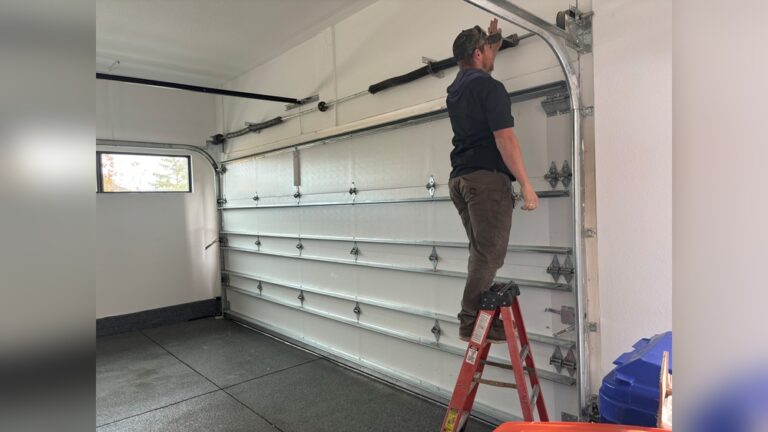
Credit: samedaygaragedoorservices.com
Installing The New Garage Door On Old Tracks
Once the old door is removed, you can install the new panels. Here’s a step-by-step guide:
- Position bottom panel: Place the bottom panel in the opening and secure it with screws.
- Add rollers: Insert rollers into the hinges on each side.
- Set panel in tracks: Slide the panel into the tracks. Ensure it is level.
- Install next panels: Stack the remaining panels on top, securing hinges and rollers as you go.
- Attach brackets: Fix the brackets to the panels and tracks for stability.
- Install springs and cables: Follow the manufacturer’s instructions for your door type. Make sure springs are properly tensioned.
- Reconnect opener: Attach the opener arm to the new door and plug in the opener.
Example
If your old tracks are straight and your new door is a standard sectional door, panels will fit easily. For heavier doors, you may need to reinforce brackets.
Comparing Old Tracks Vs. New Tracks
If you are unsure about using old tracks, compare the benefits and drawbacks.
| Feature | Old Tracks | New Tracks |
|---|---|---|
| Cost | Free (if reused) | $50–$150 per set |
| Compatibility | Depends on door type | Guaranteed fit |
| Safety | Risk if damaged | High safety |
| Installation Time | Faster | Slower |
| Maintenance | May need cleaning | Low maintenance |
Common Mistakes Beginners Make
Many beginners make errors that affect door operation or safety. Avoid these mistakes:
- Ignoring track damage: Always inspect tracks for bends and rust.
- Wrong door size: Measure your opening carefully. A mismatched door will not fit.
- Skipping lubrication: Dry tracks can cause noise and poor movement.
- Loose fasteners: Tighten all bolts and brackets to prevent shaking.
- Improper spring tension: Incorrect tension can cause the door to slam shut or not open fully.
Non-obvious Insight
Many people forget to check the track brackets. If these are loose or missing, the door may wobble. Always check and secure all brackets.
How To Adjust Tracks For The New Door
Sometimes, old tracks need minor adjustments. Here’s how to do it:
- Loosen bolts: Slightly loosen the track bolts.
- Move tracks: Adjust tracks so they are parallel and straight. Use a level.
- Tighten bolts: Secure the tracks in place.
- Check clearance: Make sure there is enough space for the door to move without hitting the frame.
Example
If your new door is thicker than the old one, you may need to move tracks outward by half an inch. This gives the panels room to move smoothly.
| Door Thickness | Track Adjustment Needed | Result |
|---|---|---|
| 1 3/8 inch | None | Smooth fit |
| 2 inch | Move tracks outward | Better clearance |
| Over 2 inch | New tracks recommended | Safe operation |

Credit: www.youtube.com
Testing The New Garage Door
After installation, test your door to make sure it works well:
- Open and close manually: The door should move smoothly.
- Check alignment: The panels should be even and not tilt.
- Test opener: Make sure the automatic opener works without straining.
- Listen for noise: If you hear scraping or banging, check rollers and tracks.
- Check safety features: Make sure sensors stop the door if there is an obstacle.
Practical Data
Homeowners report that about 80% of garage doors installed on old tracks work well if tracks are inspected and adjusted.
Maintenance Tips For Old Tracks
To keep your new garage door running smoothly, regular maintenance is important:
- Clean tracks: Use a brush and mild cleaner every 6 months.
- Lubricate rollers: Apply garage door lubricant to rollers and hinges.
- Check bolts: Tighten loose bolts and brackets.
- Inspect for wear: Look for signs of rust or bending annually.
Non-obvious Insight
A small amount of debris in the tracks can cause the door to stick. Clean tracks carefully, especially after storms or heavy dust.
Should You Hire A Professional?
If you are unsure about any step, hiring a professional can be a smart move. Professionals have the right tools and experience for safe installation.
- Safety: Experts can handle springs and heavy panels without risk.
- Speed: Professionals finish the job faster.
- Warranty: Many installers offer guarantees.
For more details about garage door safety and installation standards, you can visit the International Door Association.
Frequently Asked Questions
How Do I Know If My Old Tracks Are Compatible With A New Garage Door?
Check the width and shape of the tracks. Most standard doors fit 2-inch tracks. Inspect for damage. If the new door is much heavier or a different style, new tracks may be needed.
Can I Install A New Garage Door Myself Without Professional Help?
Yes, if you follow safety steps and have basic tools. The hardest part is handling springs and heavy panels. If you are unsure, hire a pro for the spring work.
What Happens If I Use Damaged Tracks?
Damaged tracks can cause the door to jam or fall. This is dangerous and may damage the new door. Always inspect tracks and replace them if you see bends or rust.
How Much Does It Cost To Install A New Garage Door On Old Tracks?
If you reuse tracks, you save $50–$150. Labor costs vary from $200–$500 if you hire a professional. DIY installation costs less but takes more time.
How Often Should I Maintain My Garage Door Tracks?
Clean and lubricate tracks every 6 months. Check for wear and tighten bolts once a year. This keeps your door running smoothly and extends its lifespan.
Installing a new garage door on old tracks is possible for many homes. Careful inspection, the right tools, and proper steps are key to success. Always check compatibility and safety. With this guide, even beginners can tackle the job confidently.
If you face any challenges or safety concerns, don’t hesitate to call a professional. Your garage door is a big part of your home’s security—make sure it operates safely and smoothly.
Credit: shepherdshoreline.com