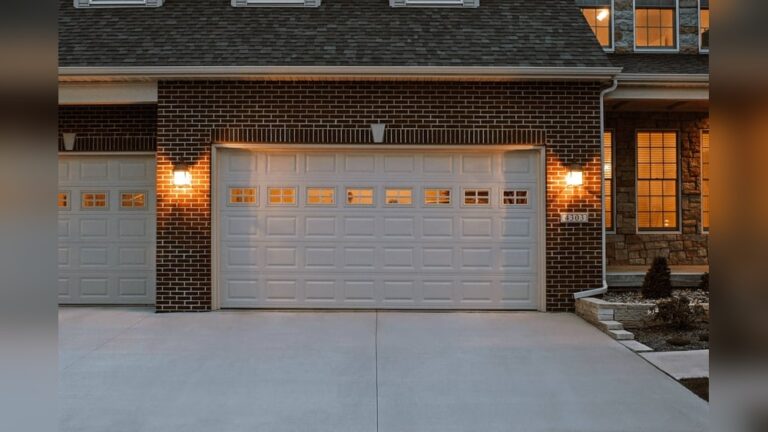

Keeping your garage door clean does more than improve the look of your home—it also helps the door last longer and work smoothly. Many people forget about cleaning their garage door, but dust, dirt, and even road salt can build up over time.
This buildup can lead to problems like rust, paint damage, and sticky movement. Cleaning your garage door is not hard, but you need the right steps and a little time. If you are new to home care, this guide will show you exactly how to clean your garage door, avoid common mistakes, and keep it looking great.
Why Cleaning Your Garage Door Matters
A clean garage door does more than look nice. Here are some important reasons to keep it clean:
- Protects the finish: Dirt and salt can damage paint and metal.
- Prevents rust and corrosion: Regular cleaning removes things that cause rust.
- Improves curb appeal: A clean door makes your home look better.
- Helps door work better: Clean tracks and rollers help the door move smoothly.
- Increases lifespan: Simple cleaning can make your door last years longer.
Some people think rain is enough to clean a garage door. This is a mistake. Rain does not wash away oily stains, spider webs, or caked-on mud.
What You Need To Clean A Garage Door
Before you start, gather these supplies. Having everything ready makes the job faster and easier.
- Mild detergent (like dish soap)
- Bucket and warm water
- Soft cloths or large sponges
- Soft bristle brush (avoid stiff brushes)
- Garden hose with spray nozzle
- Old towels for drying
- Step ladder (for tall doors)
- Car wax (optional, for metal doors)
- Rubber gloves (optional, for sensitive skin)
Avoid using:
- Pressure washers (can damage paint or seals)
- Abrasive cleaners (can scratch surface)
- Strong chemicals like bleach
Pro tip: Check your garage door manual for any special cleaning instructions from the manufacturer.
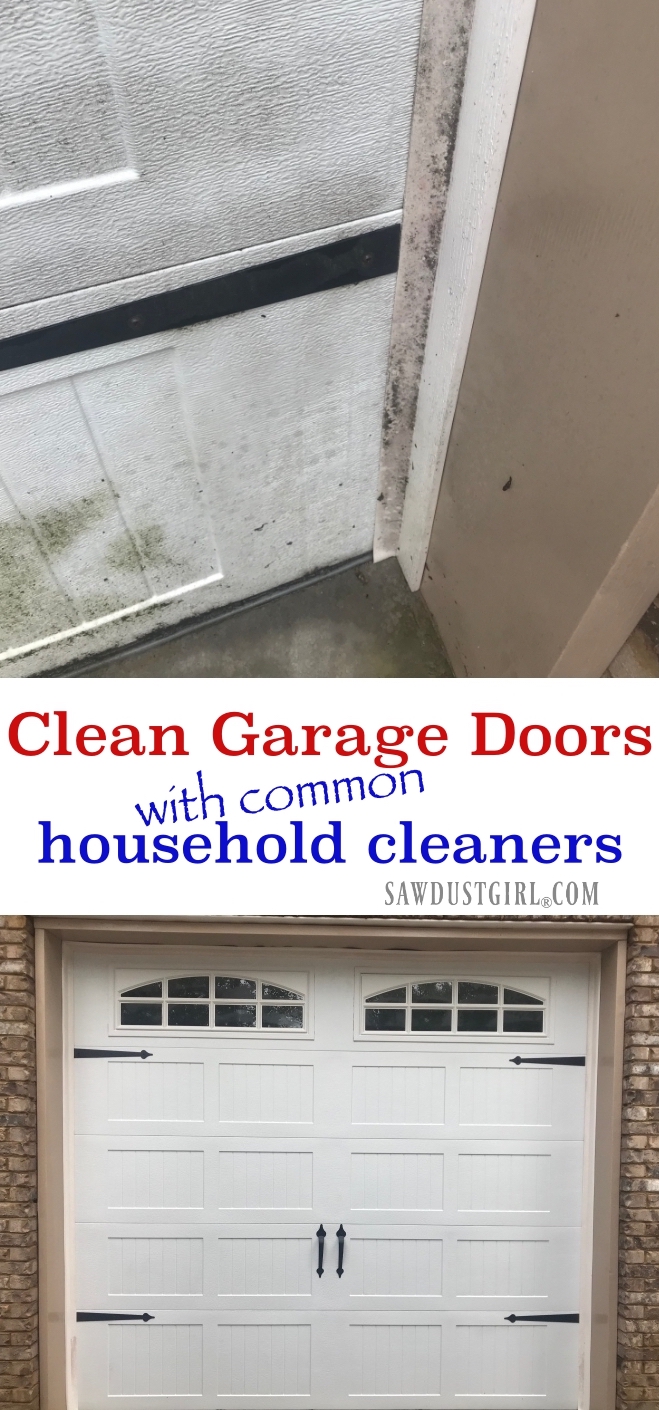
Credit: sawdustgirl.com
Step-by-step Guide: How To Clean Your Garage Door
Follow these steps for a safe and effective cleaning.
1. Prepare The Area
- Move cars, bikes, and tools away from the door.
- Sweep away loose dirt and leaves from the ground.
- Close the door fully.
This gives you a clean and open workspace.
2. Rinse Off Loose Dirt
- Use your garden hose to spray down the entire door.
- Start at the top and work your way down.
- This removes surface dust and makes scrubbing easier.
Tip: Don’t skip this step. Dry dirt can scratch the door when you scrub.
3. Mix Your Cleaning Solution
- Fill your bucket with warm water.
- Add a few drops of mild detergent (like Dawn or Joy).
- Mix until you see light suds.
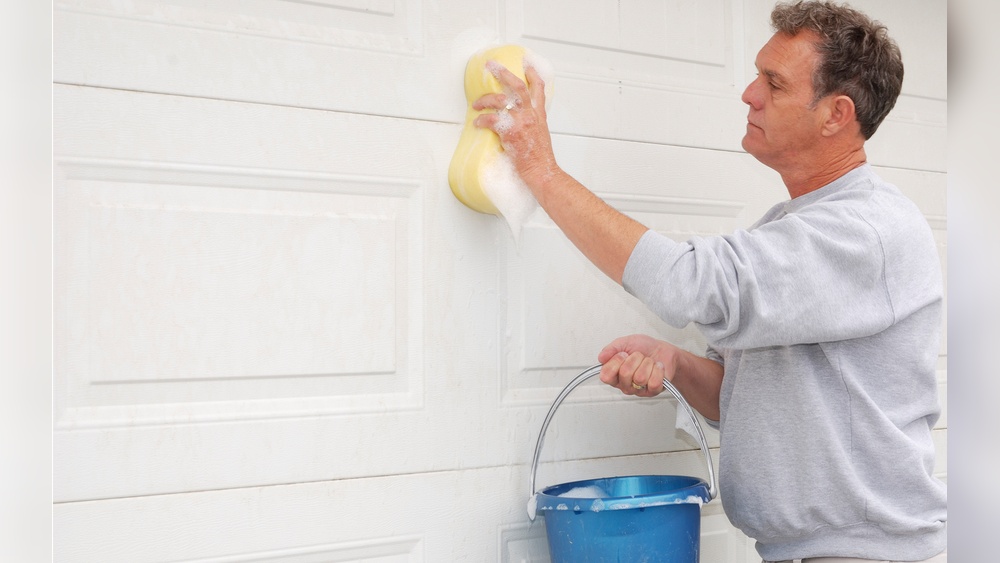
4. Wash The Door
- Dip your sponge or cloth into the soapy water.
- Wipe the door in sections, working from top to bottom.
- For tough spots (bird droppings, bugs), let the soap sit for 1-2 minutes.
- Use the soft brush for textured or grooved areas.
Never use steel wool or harsh scrubbers—they can ruin the finish.
5. Rinse The Door
- Use the hose to rinse off all soap.
- Check for missed spots and wash again if needed.
- Soap left on the door can leave streaks or dull the paint.
6. Dry The Door
- Use clean towels to dry the door completely.
- Drying helps prevent water spots and streaks, especially on sunny days.
7. Wax The Door (optional)
- For metal garage doors, apply a thin coat of car wax.
- Use a soft cloth and follow the wax directions.
- Buff gently for a nice shine.
Wax adds a protective layer against dirt and weather. For wood doors, use a wood-safe sealant instead.
8. Clean The Weather Stripping
- Wipe the rubber or vinyl strips at the bottom and sides.
- Use soapy water and a soft cloth.
- Rinse and dry.
Weather stripping keeps out water and bugs. Clean strips last longer and stay flexible.
9. Wash The Windows
If your garage door has windows:
- Use glass cleaner or a mix of vinegar and water.
- Spray and wipe with a lint-free cloth.
- Avoid spraying cleaner on painted areas—it could damage the finish.
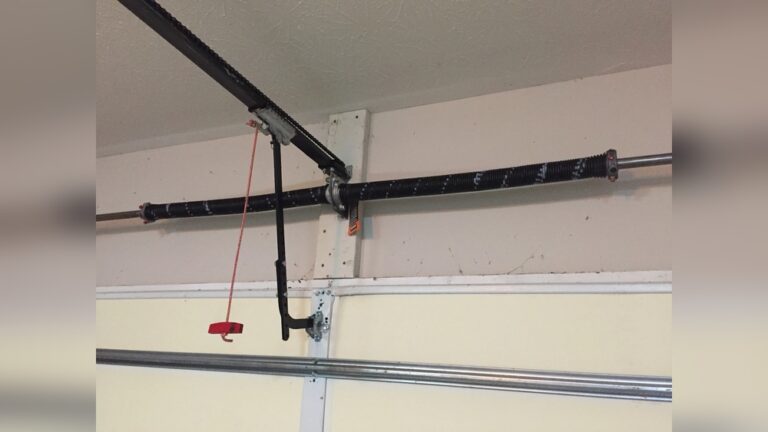
10. Check And Clean The Tracks
While you clean, look at the door’s metal tracks:
- Remove dirt and spider webs with a dry cloth.
- Do not use grease or oil on the tracks—this attracts more dirt.
- If you see a lot of buildup, use a vacuum with a hose attachment.
Tracks should be clean, not greasy. Too much oil or grease causes problems.
How Often Should You Clean Your Garage Door?
Most experts recommend cleaning your garage door at least twice a year—once in spring and once in fall. If you live near the ocean, a dusty road, or where road salt is used in winter, clean more often.
Here is a simple cleaning schedule comparison:
| Location | Recommended Cleaning Frequency |
|---|---|
| Suburban/Urban | Every 6 months |
| Coastal Areas | Every 3 months |
| Rural/Dusty Roads | Every 3-4 months |
| Snowy/Salty Regions | After winter season |
If you see lots of dirt, tree sap, or bird droppings, clean the door as soon as possible. These can damage the surface if left for too long.
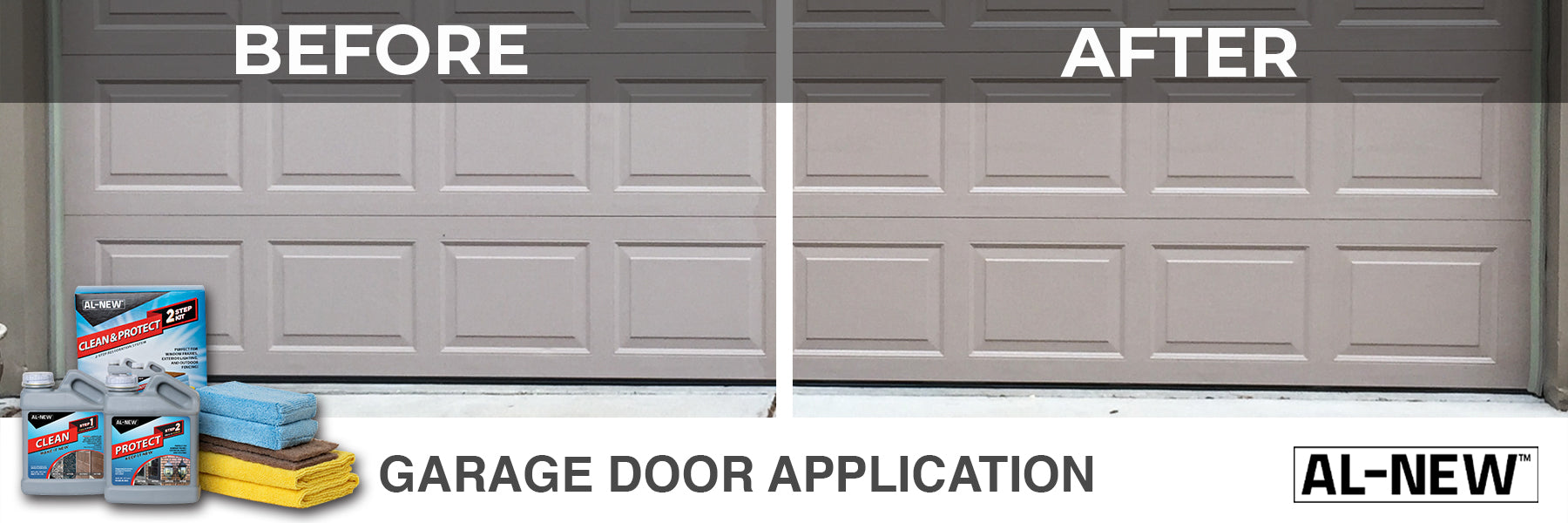
Credit: www.alnew.com
Common Mistakes Beginners Make
Many people make the same mistakes when cleaning a garage door. Here are some to avoid:
- Using strong chemicals: These can strip paint and harm seals.
- Skipping drying: Water spots look bad and may leave marks.
- Not cleaning weather stripping: Dirty strips wear out faster and may leak.
- Forgetting the tracks: Dirty tracks cause noisy or stuck doors.
- Using pressure washers: High pressure can force water into the door joints and damage insulation.
Non-obvious insight: Always check the door’s balance and movement after cleaning. Sometimes, dirt in the tracks or around the rollers can affect how smoothly the door opens and closes.
Special Tips For Different Garage Door Materials
Not all garage doors are made the same. Use these tips for your door type:
Steel Or Aluminum Doors
- Use car wax every 6-12 months for extra protection.
- Watch for small rust spots—clean and touch up with paint quickly.
Wood Doors
- Never soak with water; wood absorbs moisture.
- Use a wood-safe cleaner and dry fast.
- Check for peeling paint or rot. Repaint or reseal as needed.
Vinyl Or Fiberglass Doors
- Mild soap and water are best.
- Avoid abrasive pads—they scratch easily.
Glass Panels
- Use only glass cleaner or vinegar solution.
- Wipe away drips fast to avoid streaks.
Here is a material care comparison for quick reference:
| Door Material | Best Cleaner | Extra Care Needed |
|---|---|---|
| Steel/Aluminum | Mild soap, water | Wax, rust touch-up |
| Wood | Wood-safe soap | Seal, dry fast |
| Vinyl/Fiberglass | Mild soap, water | Avoid abrasives |
| Glass | Glass cleaner | Quick dry |
How To Remove Tough Stains
Sometimes, you find stains that normal soap will not remove. Here’s what to do:
- Tree sap or sticky spots: Use a little bit of isopropyl alcohol on a cloth. Wipe gently, then rinse.
- Rust spots on metal: Lightly rub with a baking soda paste (baking soda + water). Rinse and dry.
- Oil or grease: Sprinkle cornstarch or baking soda on the spot, let sit for 10 minutes, then brush off and clean with soapy water.
Important: Always test any new cleaner on a small, hidden part of the door first.
Weatherproofing After Cleaning
Cleaning is the perfect time to check your door’s weatherproofing. After you clean:
- Inspect the weather stripping for cracks or gaps.
- If it’s worn or stiff, replace it.
- Check for peeling paint or cracked seals, especially on wood doors.
- Lubricate hinges and rollers with a garage-door-safe lubricant (not WD-40).
Non-obvious insight: Many door problems start with neglected weather stripping. Clean and inspect it every time you wash the door for longer life and better energy efficiency.
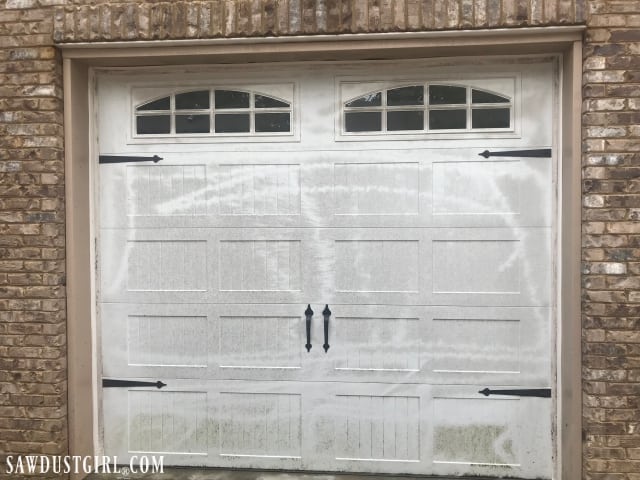
Credit: sawdustgirl.com
When To Call A Professional
Cleaning is a simple job, but if you notice any of these problems, call a pro:
- Large rust areas or holes in the door
- Door does not open or close smoothly after cleaning
- Broken glass panels or bent tracks
- Water leaks after cleaning (could be failed seals)
Professionals have the right tools and know how to fix these issues safely.
How Cleaning Affects Garage Door Lifespan
Data from home improvement studies shows that a well-maintained garage door can last 15 to 30 years. Doors in harsh environments last up to 30% longer when cleaned often. Regular cleaning helps protect your investment and saves money on repairs.
Here’s a quick look at how care affects lifespan:
| Maintenance Level | Average Lifespan |
|---|---|
| Neglected (rarely cleaned) | 10-15 years |
| Basic care (cleaning twice a year) | 15-20 years |
| Regular care (cleaning, waxing, inspections) | 20-30 years |
Frequently Asked Questions
How Often Should I Clean My Garage Door?
Clean your garage door at least twice a year—spring and fall are best. If you live in a dusty, salty, or coastal area, clean every 3 months.
Can I Use A Pressure Washer On My Garage Door?
It’s best not to use a pressure washer. High pressure can damage paint, seals, and even force water inside the door panels.
What Is The Best Cleaner For Garage Doors?
Use mild detergent and warm water. Avoid harsh chemicals or strong degreasers. For wood, use a cleaner made for wood surfaces.
How Do I Remove Rust From A Metal Garage Door?
Mix baking soda and water to form a paste. Gently rub the rust spot, rinse, and dry. For larger rust areas, contact a professional.
Is It Necessary To Wax My Garage Door?
Waxing is optional but helpful for metal doors. It protects the finish and makes future cleaning easier. Use car wax every 6-12 months.
Cleaning your garage door is a simple job that brings big rewards. With the right tools and steps, you can keep your door looking new and working smoothly for years. Regular cleaning also helps you spot problems early, saving money on repairs. For more tips on home care and door maintenance, check out resources like the Family Handyman site. A little effort goes a long way—start today and enjoy a cleaner, better-looking garage door.