
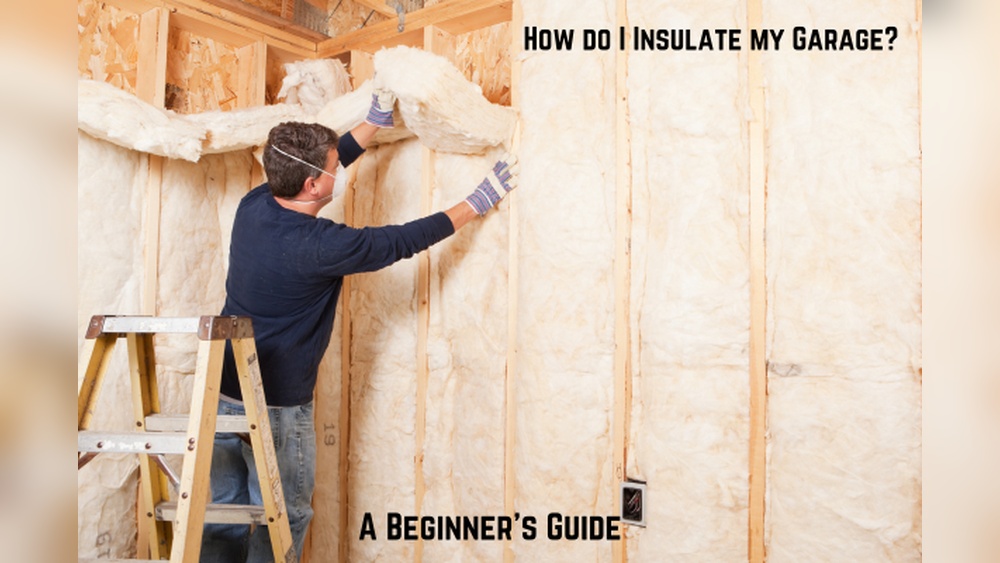
Insulate Garage: Beginner’s Guide To A Warmer, More Efficient Space
A garage is more than just a place for your car. Many people use their garage as a workshop, storage area, or even an extra living space. But garages are often cold in winter and hot in summer. This is because most garages are not insulated.
Insulating your garage can help you save energy, protect your belongings, and make the space more comfortable. Whether you’re a beginner or just looking for simple advice, this guide will show you how to insulate your garage step by step.
Why Insulate Your Garage?
Insulating your garage offers several benefits. Here are some of the main reasons:
- Energy savings: Proper insulation can reduce heating and cooling costs by up to 20%.
- Comfort: A well-insulated garage stays warmer in winter and cooler in summer.
- Protect belongings: Insulation helps keep moisture away, which protects tools, cars, and storage items.
- Noise reduction: Insulation can make your garage quieter, especially if you live near a busy street.
- Increase home value: An insulated garage can add value to your property.
Most beginners miss one key insight: garage insulation is not just about temperature. It also prevents moisture problems, which can cause mold and damage over time.
Types Of Insulation For Garages
There are several types of insulation you can use in your garage. Choosing the right one depends on your budget, skill level, and garage type.
Fiberglass Batt Insulation
- Most common
- Easy to install for beginners
- Comes in rolls or batts
- R-value: R-11 to R-19 (for walls)
Fiberglass is affordable and widely available. It’s best for garages with open wall studs.
Foam Board Insulation
- Polystyrene or polyisocyanurate boards
- R-value: R-6 to R-7 per inch
- Thin but effective
- Good for walls and ceilings
Foam boards are simple to cut and fit between wall studs. They also work well on garage doors.
Spray Foam Insulation
- Expands to fill gaps
- High R-value: R-6 to R-7 per inch
- Excellent air sealing
- More expensive
Spray foam is best for tricky spots and sealing air leaks. Beginners may need help with installation.
Reflective Insulation
- Aluminum foil material
- Reflects heat
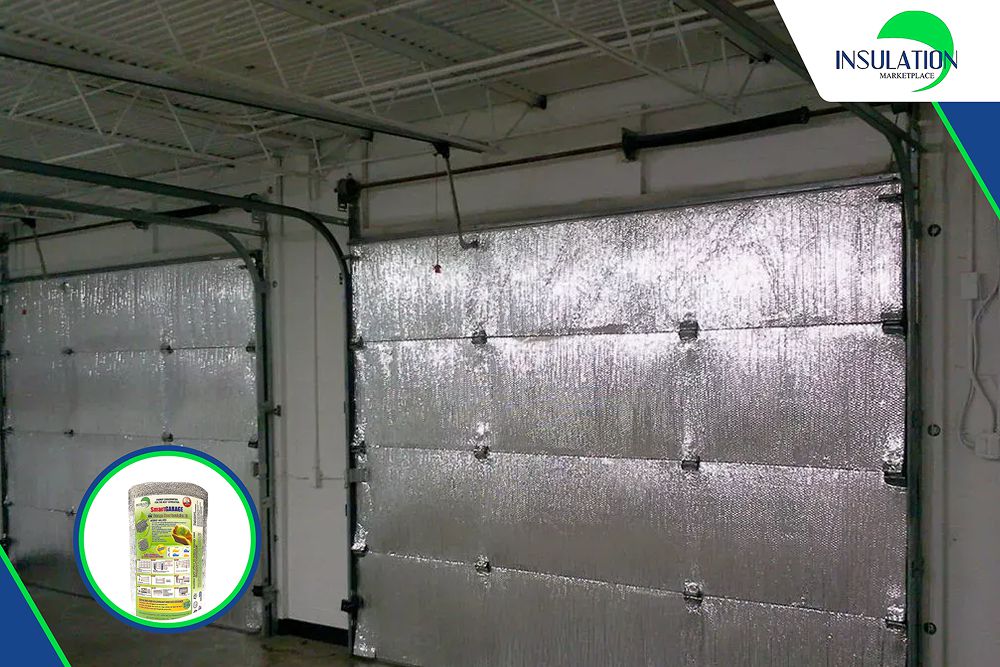
- Used mostly for garage doors
- Low R-value but useful as a secondary barrier
Reflective insulation works well in hot climates, especially for garages facing the sun.
Here’s a quick comparison of insulation types:
| Insulation Type | R-Value | Cost (per sq ft) | Ease of Installation |
|---|---|---|---|
| Fiberglass Batt | R-11 to R-19 | $0.40–$1.50 | Easy |
| Foam Board | R-6 to R-7/inch | $0.70–$1.80 | Moderate |
| Spray Foam | R-6 to R-7/inch | $1.00–$3.00 | Hard |
| Reflective | R-1 to R-3 | $0.50–$1.20 | Easy |
Key Areas To Insulate
Not all parts of your garage need insulation. Focus on these areas for best results:
- Walls: Most heat escapes through the garage walls.
- Ceiling: Insulate the ceiling if there’s a room above.
- Garage door: This is a major weak spot. Use foam board or reflective insulation.
- Windows: Seal gaps and use insulated glass if possible.
Beginners often overlook insulating the garage door. Up to 30% of garage heat loss can happen here. It’s easy to fix with foam board or a garage door insulation kit.
Step-by-step Guide: How To Insulate A Garage
1. Prepare The Space
- Remove items from walls and ceiling.
- Clean surfaces for better insulation fit.
- Check for moisture or mold. Fix problems before insulating.
2. Seal Air Leaks
- Use caulk or spray foam to seal gaps around windows, doors, and wall joints.
- Pay attention to cracks near the floor and ceiling.
One non-obvious tip: sealing air leaks is as important as adding insulation. Even the best insulation won’t work if air escapes.
3. Choose Your Insulation
- Decide based on your garage type and budget.
- For open studs, use fiberglass batts.
- For finished walls, foam board or spray foam is best.
4. Install Wall Insulation
- For fiberglass batts: Place insulation between studs, cut to fit, and staple paper facing to studs.
- For foam board: Cut panels to size, fit between studs, and secure with adhesive or screws.
5. Insulate The Ceiling
- Use fiberglass batts or foam boards.
- Make sure to keep insulation away from light fixtures unless they are rated for contact.
6. Insulate The Garage Door
- Cut foam board panels to fit door sections.
- Secure with double-sided tape or adhesive.
- For metal doors, use reflective insulation for extra heat protection.
Here’s an example of a simple garage door insulation upgrade:
| Garage Door Type | Insulation Material | Estimated Cost | Installation Time |
|---|---|---|---|
| Metal (single layer) | Foam Board | $50–$100 | 1–2 hours |
| Wood | Fiberglass Batt | $60–$120 | 2–3 hours |
| Metal (double layer) | Reflective | $40–$80 | 1 hour |
7. Finish And Inspect
- Replace drywall or cover insulation as needed.
- Check for gaps or loose areas.
- Test the garage for drafts.

Credit: oneclickdiy.com
Cost And Budgeting
Insulating a garage can cost from $500 to $2,500 depending on size and materials.
Typical costs:
- Fiberglass batts for a two-car garage: $400–$700
- Foam board for walls and door: $600–$1,200
- Spray foam (professional): $1,200–$2,500
A beginner-friendly tip: start with the garage door and walls. These areas give the best energy savings for the lowest price.
R-value Explained
R-value measures how well insulation resists heat flow. Higher R-value means better insulation. For garages, aim for:
- Walls: R-13 to R-19
- Ceiling: R-19 to R-30
- Garage door: R-6 to R-9
Choose insulation with the right R-value for your climate. In cold regions, higher R-values are better.
Here’s a climate-based R-value guide:
| Region | Wall R-Value | Ceiling R-Value |
|---|---|---|
| Cold (North US) | R-19 | R-30 |
| Mild (Mid US) | R-13 | R-19 |
| Warm (South US) | R-11 | R-19 |
:max_bytes(150000):strip_icc()/101647625-ef8f117f9fb54743a28abab501043b98.jpg)
Credit: www.woodmagazine.com
Common Mistakes To Avoid
Many beginners make mistakes when insulating their garage. Here are some to watch out for:
- Not sealing air leaks before installing insulation
- Using insulation with low R-value for cold climates
- Forgetting to insulate the garage door
- Blocking ventilation (never cover vents)
- Leaving gaps in insulation coverage
One advanced insight: don’t forget vapor barriers if you live in a humid area. This prevents moisture buildup behind insulation.
Practical Tips For Success
- Measure your garage carefully before buying materials.
- Wear gloves and a mask when handling fiberglass.
- Check local building codes for insulation requirements.
- If unsure, ask a professional for advice.
Some insulation, like spray foam, needs special tools. It’s better to use simple materials if you’re a beginner.
Should You Diy Or Hire A Pro?
DIY insulation is possible for most garages. Here’s how to decide:
- DIY: Fiberglass batts, foam board, reflective insulation
- Hire a Pro: Spray foam, large garages, complex layouts
If your garage has electrical wires, plumbing, or unusual shapes, professional help is safer. But most homeowners can insulate walls and doors with basic tools.
Insulating Detached Vs. Attached Garages
- Attached garages: Insulation helps protect your home and saves energy.
- Detached garages: Insulation keeps items safe and makes the space usable year-round.
Attached garages often need higher R-value insulation, especially if there’s a living area above.
Credit: www.insulationmarketplace.com
How Insulation Improves Garage Use
Insulating your garage can change how you use the space:
- Workshop: Stay warm while working on projects.
- Storage: Keep paint, electronics, and tools safe from extreme temperatures.
- Home gym: Exercise comfortably all year.
- Car care: Protect your vehicle from winter cold and summer heat.
If you ever plan to convert your garage to a living space, insulation is the first step.
Maintenance After Insulating
- Check insulation every year for moisture or damage.
- Replace any loose or wet insulation.
- Keep vents clear for air flow.
Regular checks help your insulation last longer and work better.
Energy Savings Data
According to the U. S. Department of Energy, garage insulation can save up to 20% on annual heating and cooling costs for homes with attached garages. This adds up to $200–$400 per year for a typical US home.
Insulating your garage also reduces carbon footprint, making your home more eco-friendly. For more data and official tips, see the U.S. Department of Energy.
Frequently Asked Questions
What Is The Best Insulation For A Garage?
Fiberglass batts are best for open walls. Foam board works well for finished walls and doors. Spray foam is great for tricky spots but is more expensive.
How Much Does Garage Insulation Cost?
Costs depend on size and materials. For a two-car garage, expect $500–$2,500. DIY projects are cheaper. Professional installation costs more.
Can I Insulate My Garage Myself?
Yes, most beginners can install fiberglass or foam board. Always follow safety instructions. For spray foam or complex jobs, hire a professional.
Does Garage Insulation Increase Home Value?
Yes, an insulated garage can increase property value. It makes the space more usable and saves energy, which buyers appreciate.
How Long Does Insulation Last In A Garage?
Most insulation lasts 20–40 years if kept dry and undamaged. Check yearly for moisture, pests, or wear.
Making your garage comfortable and efficient is easier than you think. With the right insulation, you’ll enjoy a warmer, quieter, and safer space. Follow these beginner-friendly steps, and your garage will be ready for any season.