
When you plan a new garage or look for a home, you’ll see two main options: attached garage and detached garage. The choice affects your daily life, home value, safety, and even your energy bills. Many homeowners feel unsure about which is better. This guide explains the differences, benefits, drawbacks, and real-world tips for both types. If you want clear answers, easy examples, and practical advice, you’re in the right place.
What Is An Attached Garage?
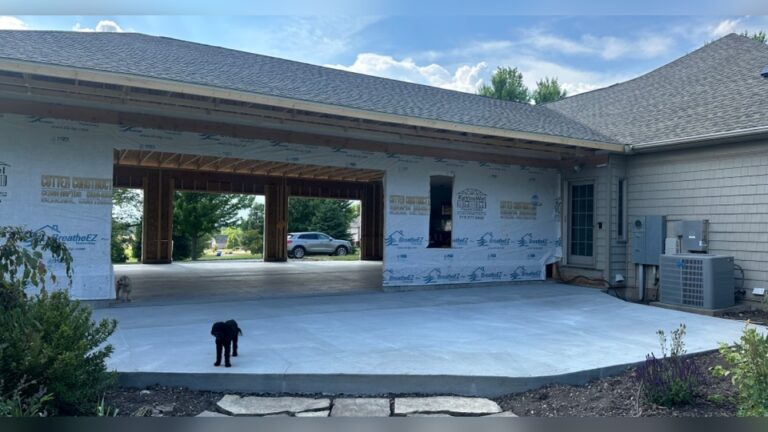
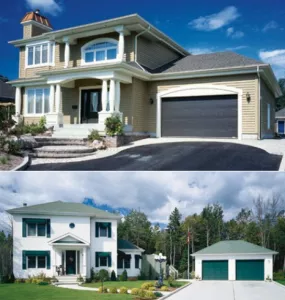
An attached garage is built as part of your house. It shares at least one wall with your main home. You can usually enter the garage from inside your house, often through a door near the kitchen or hallway.
Example:
Imagine getting home on a rainy day. With an attached garage, you park, get out, and walk straight into your house, staying dry.
Key Features:
- Shares a wall (or more) with your house
- Direct indoor access
- Same roof and foundation as the main home
Typical Use:
Most modern suburban homes in the US have attached garages for convenience.
What Is A Detached Garage?
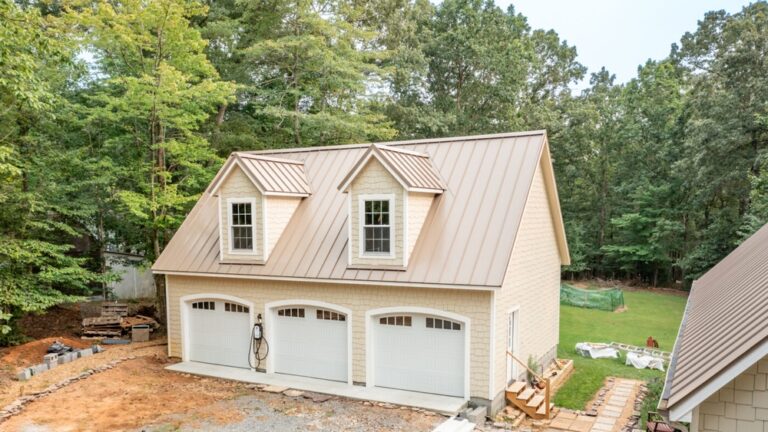
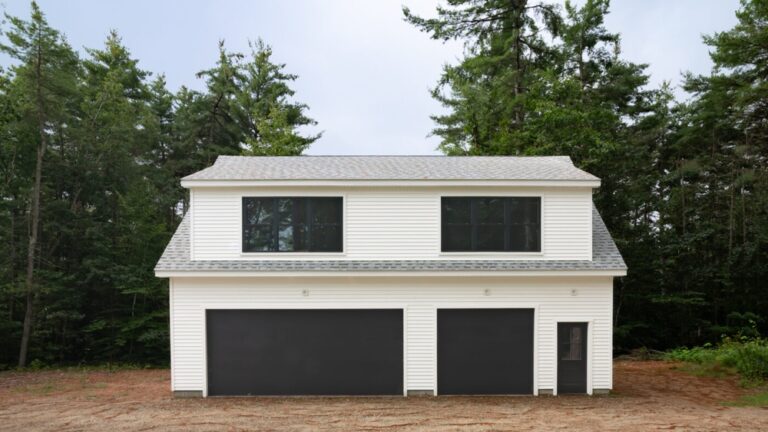
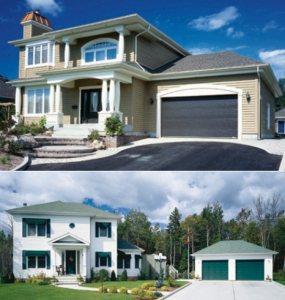
A detached garage stands alone, separate from your main house. You walk outside to reach it, even if it’s only a few steps away.
Example:
You park your car in the detached garage and walk across your driveway or yard to your front door.
Key Features:
- No shared walls with the home
- Separate building, sometimes with its own driveway
- Can be placed anywhere on the property
Typical Use:
Older homes or homes with large yards often use detached garages. They’re also popular for people who want a workshop or extra privacy.
Pros And Cons Of Attached Garages
Choosing an attached garage comes with several clear advantages and disadvantages. Here’s what to expect:
Advantages
1. Convenience
You can go from your car to your home without stepping outside. This is a big plus in bad weather.
2. Lower Building Cost
It’s often cheaper to build an attached garage. The garage uses existing walls and utilities from your home.
3. Easier Utilities Hookup
Running electricity, heat, or even plumbing to an attached garage is usually simpler and less expensive.
4. Increased Home Value
Many buyers see attached garages as a must-have. Homes with this feature often sell faster.
Disadvantages
1. Security Risks
Attached garages can make break-ins easier. A thief might enter your garage and then your house.
2. Fire Risk
If a fire starts in the garage (for example, from a car or chemicals), it can quickly spread to your home.
3. Noise And Smells
Car engine noise or gas fumes can sometimes reach the living areas.
4. Design Limits
Attached garages may limit future home expansions or changes to your home’s design.
Pros And Cons Of Detached Garages
A detached garage can offer unique benefits but also a few drawbacks. Here’s how it compares:
Advantages
1. Flexibility In Location
You can place a detached garage almost anywhere on your property, creating more parking or workspace.
2. Safer From House Fires
If a fire starts in the garage, your main home is better protected.
3. Better For Workshops
Want to use power tools or work late? A detached garage keeps noise and dust away from living spaces.
4. Easier For Future Additions
It’s simple to expand or change a detached garage without impacting your home.
Disadvantages
1. Less Convenient
You must walk outside to reach your home, which can be tough in bad weather or at night.
2. Higher Building Cost
Detached garages often cost more to build, since they need separate walls, utilities, and sometimes a new foundation.
3. Less Secure
Because they’re away from the house, detached garages can be easier targets for theft.
4. Takes Up More Yard Space
They may require a larger lot, reducing space for gardens or play areas.
Credit: www.ramdoors.ca
Cost Comparison: Attached Vs Detached Garage
Budget matters for every homeowner. Let’s look at average costs in the US (as of 2024):
| Garage Type | Average Cost (2-car) | Cost Range |
|---|---|---|
| Attached Garage | $28,000 | $18,000 – $36,000 |
| Detached Garage | $38,000 | $25,000 – $55,000 |
Key Insights:
- Attached garages cost less, mainly because they share walls and utilities.
- Detached garages need extra foundation, wiring, and sometimes a longer driveway.
Tip:
If you want to keep costs low, choose an attached garage. But if you need a large workshop or plan to expand, the higher cost of detached may be worth it.
Security And Safety Factors
Security is a top concern for both types. Here’s how they compare:
| Feature | Attached Garage | Detached Garage |
|---|---|---|
| Break-in Risk | Higher (direct access to home) | Lower (standalone, but more isolated) |
| Fire Risk | Higher (closer to house) | Lower (separated from house) |
| Lighting | Usually better (house lights help) | Needs extra lighting outside |
Extra Tip:
Install motion sensor lights and strong locks for both types. For attached garages, secure the door leading to your home with a deadbolt.
Energy Efficiency And Insulation
Attached garages can affect your home’s temperature. Heat and cold from the garage may leak into living spaces, raising energy costs. Proper insulation for the garage wall and door is important.
Detached garages are usually less of an energy concern for your main home. But if you plan to heat or cool the garage (for a workshop, for example), insulation matters just as much.
Example:
If you live in a cold climate, insulating an attached garage can save you 5–10% on your heating bill.
Common Mistake:
Many homeowners forget to insulate the garage ceiling and connecting door. This lets drafts and fumes enter living spaces.
Curb Appeal And Home Value
Curb appeal means how attractive your home looks from the street. Here’s how garage type can affect it:
- Attached garages are common in modern neighborhoods. They can blend with your home’s design but sometimes look bulky.
- Detached garages can be hidden behind the house or styled to match older homes, which some buyers love.
Data:
A survey by the National Association of Realtors found 85% of buyers prefer homes with a garage. Most choose attached for convenience, but detached garages can stand out in historic neighborhoods.
Pro Tip:
Match your garage’s style and color to your house for a unified look.
Best Use Cases For Each Garage Type
Not sure which is right? Here are common situations for each:
Attached Garage Works Best If:
- You want quick, dry access to your home
- You live in a place with snow, rain, or cold winters
- Your lot size is small
- You plan to sell your home soon (broad buyer appeal)
Detached Garage Works Best If:
- You need a separate workshop or studio
- You want to reduce fire risk to your home
- You have a large yard or rural property
- You want a garage that doesn’t block your home’s view
Practical Example:
A family with young kids might love an attached garage for safety and convenience. But a car collector or woodworker may prefer a detached garage to keep noise and smells away from the main house.
Common Myths About Attached And Detached Garages
Many people believe things about garages that just aren’t true. Here are a few myths and the real facts:
- Myth: Attached garages always cost less to build.
Reality: If your home’s design is complex, an attached garage can sometimes cost more to integrate.
- Myth: Detached garages are always less secure.
Reality: Modern security systems and cameras can make either type very safe.
- Myth: Only attached garages increase home value.
Reality: In some markets, especially historic areas, detached garages are just as valuable.

Credit: foleyconstruction.net
Maintenance And Upkeep
Attached garages may need more attention to keep fumes, pests, and drafts out of the living area. Sealing gaps and regular checks are a must.
Detached garages need their own roof, siding, and sometimes their own heating or cooling. They’re easier to repair or expand, but you’ll need to keep an eye on outdoor lighting, pests, and weatherproofing.
Extra Insight:
Many beginners forget to check garage doors and openers every year. A broken opener or weak door is a common point for break-ins.
Environmental Impact
Attached garages usually use fewer materials (since they share walls), so their environmental impact can be lower. But if you heat or cool them, energy use can rise.
Detached garages allow for more creative green solutions, such as adding solar panels or a green roof. You can also build them with recycled materials more easily, since you’re not tied to your home’s design.
Tip:
If you want an eco-friendly garage, focus on insulation, LED lighting, and proper ventilation, no matter which type you choose.
Credit: www.upperleveldoors.ca
Zoning And Building Codes
Before you build or remodel, check your local zoning rules and building codes. Some cities limit the size or height of detached garages, or require a certain distance from your property line.
Example:
Many cities require detached garages to be at least 3–5 feet from the main house for fire safety.
Helpful Resource:
Check your city or county’s official website for garage building codes. For a national overview, see the HUD Garages Guide.
Making The Right Choice: Key Questions To Ask
Before deciding, ask yourself these questions:
- How will you use the garage? (Car storage, workshop, gym, etc.)
- Do you need fast, easy access to your home?
- What is your budget for building and maintaining?
- How much yard space do you have?
- What do local buyers prefer in your area?
Non-Obvious Insight:
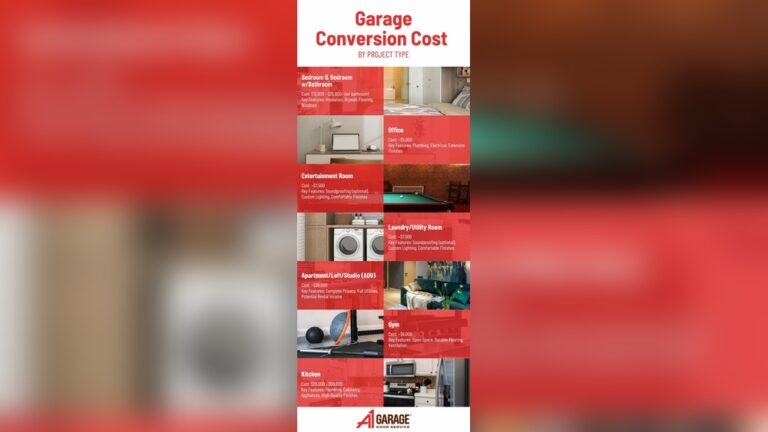
Think about future needs, not just today. A garage is a long-term investment. For example, will you need to convert the space into a room later?
Frequently Asked Questions
What Is The Main Difference Between An Attached And Detached Garage?
The main difference is location. An attached garage is connected to your house, often sharing walls and a roof. A detached garage is a separate building, usually a few steps away from your home.
Does An Attached Or Detached Garage Add More Value To My Home?
Both can add value, but in most US neighborhoods, attached garages are more popular and may boost resale value more. However, in older or historic areas, a well-designed detached garage can be just as valuable.
Which Type Of Garage Is Safer From Fire?
Detached garages are generally safer for your home in case of a garage fire. Since they are separated, the fire is less likely to spread to your main house.
Is It More Expensive To Build A Detached Garage?
Yes, a detached garage usually costs more. Separate foundations, walls, utilities, and sometimes extra driveway work increase the price compared to attached garages.
Can I Convert My Garage Into Living Space?
Yes, both types can be converted, but it’s usually easier and cheaper to convert an attached garage. You already have access to utilities and your home’s structure.
—
Choosing between an attached and detached garage depends on your needs, budget, and property layout. Each has strengths and tradeoffs. Think about your climate, how you’ll use the space, and what buyers in your area want. With the right information, you can build a garage that fits your life and adds lasting value to your home.