
Storing Car Battery In The Garage
Many car owners find themselves needing to store a car battery, especially during long vacations or winter months. But storing a car battery in the garage is not as simple as just putting it on a shelf. If you want your battery to stay in good condition and last longer, you need to follow certain steps.
With the right methods, you can avoid damage, leaks, or a dead battery when it’s time to use it again.
This guide will explain all you need to know about storing car batteries in your garage. You’ll learn the risks, the right storage techniques, and tips for safe handling. We’ll also cover common mistakes, key facts, and answer the most asked questions.
Why Proper Storage Matters
Many people do not realize how quickly a car battery can lose its charge or get damaged if not stored correctly. The main risks of poor storage are:
- Battery discharge: Batteries naturally lose charge over time, even when not in use.
- Damage from temperature: Extreme heat or cold can harm battery life.
- Corrosion or leaks: Exposure to moisture can cause rust or acid leaks.
- Shorter lifespan: Improper storage often means you need a new battery sooner.
A study from Battery University shows that a lead-acid battery can lose up to 50% of its charge in just 6 months if stored in warm conditions. Cold slows this process, but it does not stop it. Good storage can make your battery last 2-3 years longer.
How Car Batteries Work
Understanding the basics helps you see why certain storage steps are needed.
- Lead-acid batteries are most common in cars. They use chemical reactions between lead plates and acid to store and release power.
- When a battery sits unused, chemical reactions still happen. This causes the battery to slowly lose its charge, a process called self-discharge.
- If a battery discharges too far, sulfation can happen. This is when lead sulfate crystals form, making it hard or impossible to recharge the battery fully.
Key Insight: Even a brand-new battery can be ruined if left uncharged for too long.
Choosing The Right Spot In The Garage
Where you put your battery in the garage makes a big difference. Here’s what to look for:
- Dry area: Humidity increases risk of rust and leaks.
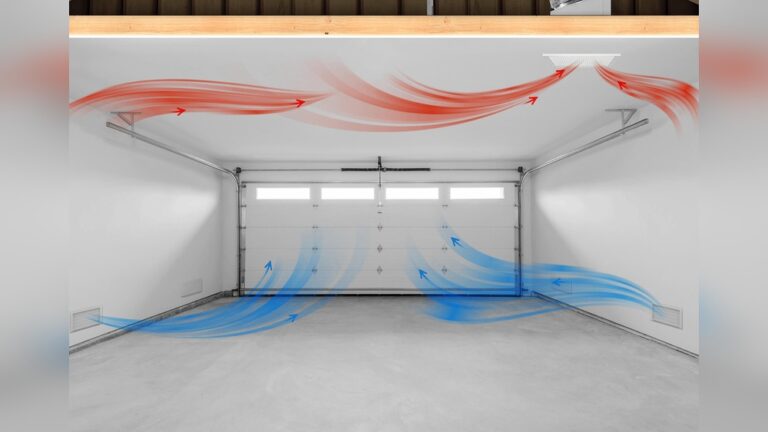
- Stable temperature: Avoid spots near heaters, windows, or garage doors. The best temperature is 32°F to 77°F (0°C to 25°C).
- Off the ground: Put batteries on a shelf or wooden board. Concrete floors can cause temperature swings and possible discharge.
- Away from tools and chemicals: Keep batteries clear of metal tools and flammable chemicals.
- Well-ventilated: Batteries can release gases. Good airflow reduces risk.
Example Placement
A wooden workbench or high shelf in the center of the garage is usually ideal. Avoid placing batteries near the garage door, where outside air can cause temperature changes.
Preparing The Battery For Storage
Before you store your battery, follow these important steps:
- Fully charge the battery: Use a battery charger until the voltage is at least 12.6 volts.
- Clean the terminals: Remove corrosion with baking soda and water. Dry completely.
- Disconnect cables: Always disconnect the negative cable first to avoid sparks.
- Check the case for damage: Look for cracks or leaks. Do not store a damaged battery.
- Label the battery: Write the date of storage and voltage level.
- Use battery caps: Make sure all caps are tight to prevent acid leaks.

Credit: www.vecteezy.com
Maintaining Charge While Stored
A stored battery will slowly lose charge. Here’s how you can keep it healthy:
- Check voltage every 1-2 months: Use a simple voltmeter.
- Recharge if voltage drops below 12.4 volts: A battery below this can become damaged.
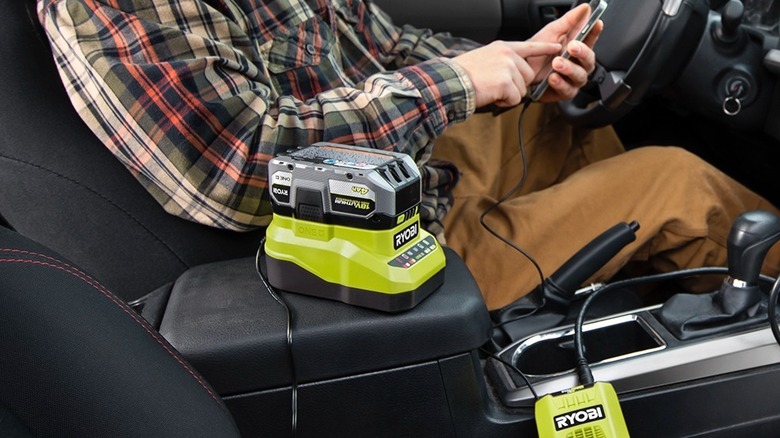
- Use a battery maintainer: Also called a trickle charger, this device keeps the battery at full charge without overcharging.
Charging Methods Comparison
Below is a quick look at different ways to keep your battery charged:
| Method | How it Works | Best For | Risks |
|---|---|---|---|
| Manual Charger | Connects and charges to full, then disconnects | Short-term storage | Risk of overcharge if left too long |
| Trickle Charger | Provides low, steady charge | Long-term storage | Some models can overcharge if not automatic |
| Battery Maintainer | Monitors and charges only when needed | Best for several months or more | Higher upfront cost |
Pro Tip: For batteries stored over winter, a battery maintainer is the safest choice.
Safety Precautions
Car batteries contain acid and produce flammable gases. Always take these safety steps:
- Wear gloves and safety glasses when handling.
- Store away from children and pets.
- Never smoke or use open flames near batteries.
- If acid spills, clean with baking soda and water. Avoid skin contact.
If you see swelling, leaks, or a rotten egg smell, dispose of the battery safely. Never throw batteries in regular trash. Many auto shops accept old batteries for recycling.
How Long Can You Store A Car Battery?
The length of safe storage depends on the battery and your methods.
- Fully charged, well-maintained battery: Up to 6-12 months with a maintainer.
- Without charging or maintenance: Only 2-3 months before damage can start.
- Extreme temperatures: Cut the times in half if the garage gets very hot or cold.
Storage Life At Different Temperatures
| Temperature | Typical Storage Life (no charging) | Self-Discharge Rate |
|---|---|---|
| 32°F (0°C) | 8-12 months | Low |
| 77°F (25°C) | 4-6 months | Moderate |
| 104°F (40°C) | 2-3 months | High |
Common Mistakes To Avoid
Many beginners make errors that shorten battery life. Here are the top mistakes:
- Leaving battery on concrete: Can lead to faster discharge and moisture damage.
- Forgetting to check voltage: This lets the battery discharge too far.
- Not cleaning terminals: Corrosion builds up and prevents proper charging later.
- Skipping safety gear: Handling acid without protection is risky.
- Storing near heat sources: Heaters or direct sun speed up battery aging.
Avoiding these mistakes can add years to your battery’s useful life.
Credit: www.slashgear.com
Special Tips For Different Battery Types
Most car batteries are lead-acid, but some cars use AGM or lithium-ion batteries. Here’s what changes:
- AGM batteries: More resistant to leaks and vibration, but still need to be kept fully charged. Use a charger safe for AGM types.
- Lithium-ion batteries: Found in electric cars and some hybrids. Store at 50-60% charge, not full. Avoid freezing temperatures.
Always check your car’s manual for exact battery type and best practices.
What To Do Before Reinstalling The Battery
When you’re ready to use your battery again, don’t rush the process.
- Inspect for leaks or cracks
- Clean the terminals again
- Check voltage: It should be at least 12.6 volts.
- Charge if needed
- Reconnect cables: Positive first, then negative.
If you see any damage or the battery won’t hold a charge, it’s time for a new one.

Credit: www.publicstorage.com
Recycling And Disposing Of Old Batteries
Batteries don’t last forever. When one is too weak or damaged, recycle it safely:
- Most auto shops or recycling centers take old batteries.
- Never put a battery in household trash.
- Handle with gloves and avoid spilling acid.
Proper disposal helps the environment and keeps your garage safe.
Practical Example: Winter Storage
Suppose you live in Minnesota and want to store your car battery for 5 months over winter.
- Charge fully to 12.6 volts.
- Remove from car, clean, and check for damage.
- Store on a wooden shelf in the center of the garage, away from the door.
- Connect a battery maintainer and check every 2 months.
- In spring, test voltage and reinstall if healthy.
This simple process will almost always ensure your battery is ready to go.
Quick Reference: Do’s And Don’ts
- Do keep the battery charged and clean.
- Do store in a cool, dry, stable place.
- Don’t store directly on concrete.
- Don’t ignore safety or skip regular checks.
- Do recycle old batteries responsibly.
Frequently Asked Questions
How Often Should I Check A Stored Car Battery?
Check your battery’s voltage at least every 1-2 months. If the voltage drops below 12. 4 volts, charge it again. For long-term storage, regular checking prevents deep discharge and damage.
Can I Store My Car Battery On Concrete?
It’s better not to. Storing directly on concrete can lead to faster discharge and moisture problems. Place the battery on wood, plastic, or a shelf instead.
What’s The Best Temperature For Storing Car Batteries?
The ideal temperature is between 32°F and 77°F (0°C to 25°C). Colder temperatures slow self-discharge, but freezing can damage batteries, especially if they aren’t fully charged.
Is It Safe To Use A Trickle Charger For Months?
Not all trickle chargers are safe for long-term use. Choose an automatic battery maintainer that turns on and off as needed. This prevents overcharging, which can damage the battery.
Where Can I Learn More About Battery Maintenance?
You can find more detailed guidance and research at the Wikipedia car battery page.
Storing your car battery in the garage doesn’t have to be complicated. With the steps and tips in this guide, you can keep your battery safe, fully charged, and ready for use—no matter how long it needs to sit. Following these simple precautions will save you money, prevent frustration, and keep your car running smoothly when you need it most.