
Can You Extend A Garage?
Many homeowners find their garage space too small as their needs change. You might want room for a second car, extra storage, or even a home gym. The big question is: Can you extend a garage? The answer is yes—but it’s not always simple. This guide explains the process, costs, and common mistakes, so you can make a confident decision.
What Does It Mean To Extend A Garage?
Extending a garage means adding more space to your existing garage structure. You can make it longer, wider, or even add a second story. Homeowners usually consider extension to:
- Fit more vehicles
- Create a workshop or hobby area
- Add storage for bikes, tools, or seasonal items
- Increase home value
Garage extensions can be simple or complex, depending on your goals and your property’s layout.
Types Of Garage Extensions
There are three main ways to extend a garage. Each has its benefits and challenges.
1. Length Extension
This is when you make your garage deeper. The garage door usually stays in the same place, but the back wall is moved further out. This is common if you want more storage at the back or to fit a longer vehicle.
2. Width Extension
Here, you make your garage wider, either to fit another car or add more workbench space. This can be more complex, especially if your house is close to your property line.
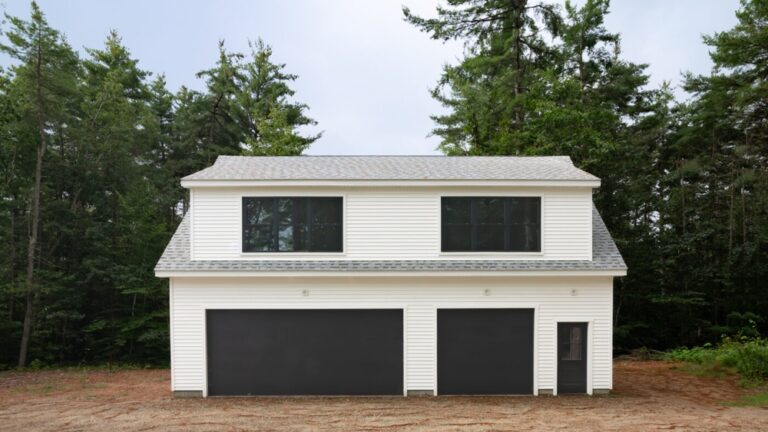
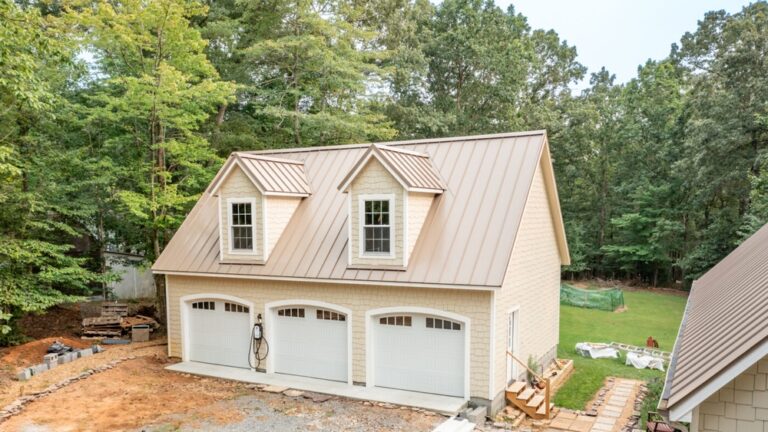
3. Height Extension (second Story)
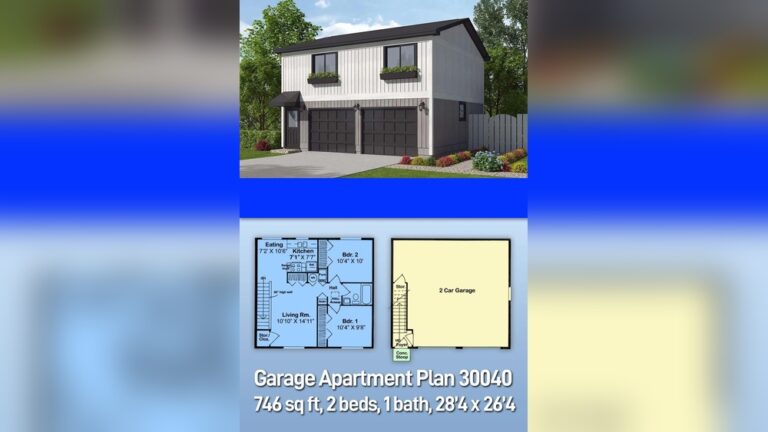
Some homeowners add a second story to their garage for storage or a bonus room. This is the most expensive and complex option, requiring strong foundations and careful planning.
Can Any Garage Be Extended?
Not all garages can be extended easily. Here’s what you need to check first:
- Property lines: Local building codes often require a certain distance (“setback”) from your garage to the edge of your property.
- Zoning laws: Some neighborhoods limit how large your garage can be.
- Structure: Older garages may not have strong enough foundations to support an addition.
- Utilities: Electrical wires, plumbing, or gas lines may need to be moved.
If you’re not sure, a local contractor or building inspector can help you check what’s possible for your home.
How Much Does It Cost To Extend A Garage?
Costs can vary a lot, but here are some typical numbers for the United States:
| Type of Extension | Average Cost (USD) | Details |
|---|---|---|
| Length Extension | $8,000 – $16,000 | Adds 8-12 feet to back |
| Width Extension | $10,000 – $22,000 | Adds space for second car |
| Second Story | $25,000 – $50,000 | Depends on use and size |
Key factors that affect cost:
- Size of extension
- Materials used (brick, wood, siding)
- Labor costs in your area
- Need for permits or changes to utilities
Hidden costs beginners miss:
- Moving or replacing the garage door
- Upgrading the foundation
- Rewiring electricity or adding outlets

Credit: www.youtube.com
Steps To Extend A Garage
1. Check Local Regulations
Before starting, check with your city or county building office. You may need permits, and there could be rules about how big your garage can be.
2. Make A Plan
Decide exactly what you want to add. Sketch out your idea, including where new walls and doors will go.
3. Hire A Professional
For most extensions, you need an architect, designer, or experienced contractor. They can make sure your plans are safe and legal.
4. Get Permits
Most cities require a building permit for a garage extension. This helps ensure the work is done to code and is safe for your family.
5. Build The Extension
The process usually includes:
- Demolition (removing the old wall)
- Pouring a new foundation
- Framing walls and roof
- Adding siding, roofing, and doors
- Electrical and insulation work
6. Inspection
After the work, the city will inspect the garage to ensure everything meets safety standards.
Pro tip: Ask your contractor for a timeline. Most extensions take 4–8 weeks, depending on weather and complexity.
Pros And Cons Of Extending Your Garage
Extending a garage has clear benefits, but there are also downsides to consider.
| Pros | Cons |
|---|---|
| More space for cars or storage | High cost |
| Can increase home value | May require permits and inspections |
| Customizes your home to your needs | Possible zoning issues |
| Potential for extra room above garage | Construction mess and noise |
Non-obvious insight: Extending your garage can also lower insurance rates if you can park all cars indoors, reducing risk of theft or weather damage.
Common Mistakes To Avoid
Many homeowners make these errors:
- Skipping the permit process: This can lead to fines or even having to remove the extension.
- Not matching materials: Using different siding or roofing can hurt your home’s appearance and value.
- Ignoring drainage: Poor drainage can lead to water leaks or foundation issues.
- Underestimating costs: Always add 10-20% extra to your budget for unexpected expenses.
- Forgetting about heating/cooling: New space might need extra vents or insulation.
Beginner tip: Talk to neighbors who’ve done similar projects. They can share what worked—and what didn’t.
How To Decide If A Garage Extension Is Right For You
Ask yourself:
- Do you need more storage, or could you declutter instead?
- Will the extension add value to your home?
- Do you have enough space on your property?
- Can you afford both the construction and possible higher property taxes?
- How long will you live in this home?
Example: If you plan to sell your house soon, a costly extension may not pay off. But if you’ll stay for years, the extra space can make daily life much easier.

Credit: www.wikihow.com
Alternatives To Extending A Garage
Sometimes, building out isn’t the best choice. Consider these options:
- Garage shelving: Install shelves or cabinets to use space more efficiently.
- Shed: Add a small backyard shed for tools or lawn equipment.
- Carport: Build a carport for extra covered parking at a lower cost.
- Garage organization systems: Add hanging racks, wall hooks, or overhead storage to maximize existing space.
Non-obvious insight: Some municipalities allow temporary “tent” garages in winter months for extra car protection, at a fraction of the cost.
Real-life Examples
Example 1: Adding A Second Car Bay
Rachel from Ohio had a one-car garage but needed space for both her cars. She extended her garage width by 10 feet. The project took six weeks and cost $18,000, including new concrete and a wider garage door. After the extension, her home’s value increased by about $15,000 according to her real estate agent.
Example 2: Storage Room Extension
Carlos in Texas wanted more storage for his bikes and tools. Instead of a full-width extension, he added 8 feet to the back of his garage, spending $9,500. He kept the same garage door, saving money and keeping the project simple.
Lesson: You don’t always need a full extension. Sometimes, a small addition meets your needs.
How A Garage Extension Affects Home Value
Adding garage space often increases property value, but not always by the full cost of the project. According to the National Association of Realtors, a garage addition can return 60-80% of the cost when you sell your home.
However, value depends on:
- Neighborhood: In areas where most homes have two-car garages, buyers expect the same.
- Quality: Poorly built extensions can lower value.
- Curb appeal: Matching design and materials is important.
Tip: Talk to a local real estate agent before you start. They know what buyers in your area want.
How To Choose The Right Contractor
Picking the right contractor is key for a smooth project. Here’s what to look for:
- Licensed and insured: Protects you from liability.
- Experience: Ask for examples of past garage extensions.
- References: Talk to previous clients.
- Written estimate: Get a clear price and timeline.
- Warranty: Good contractors guarantee their work.
Don’t just pick the lowest bid—sometimes, you get what you pay for.
Environmental And Energy Considerations
Adding more garage space can affect your home’s energy use. Garages are often not insulated, which can let heat or cold into your home.
Solutions:
- Insulate the new walls and ceiling
- Use energy-efficient garage doors
- Add weatherstripping
These steps will keep your garage more comfortable and help lower utility bills.
Permits And Paperwork: What To Expect
Most garage extensions need permits from your city or county. The process usually includes:
- Submitting plans
- Paying fees (often $100-$500)
- Waiting for approval (can take days to weeks)
Common mistake: Starting construction before getting permits. This can lead to fines or having to redo the work.
For more on building permits, see this Family Handyman guide.

Credit: www.wikihow.com
Frequently Asked Questions
Can I Extend My Garage Myself?
You can do some work, like demolition or finishing, if you have building skills. But most garage extensions require professional help for safety, permits, and meeting building codes.
Do I Need My Neighbor’s Permission To Extend A Garage?
Usually, you don’t need direct permission unless you share a wall (like in a townhouse). However, if the extension is close to their property, it’s polite to discuss your plans.
How Long Does A Garage Extension Take?
Most projects take 4–8 weeks from permit to final inspection. Weather, permits, and complexity can speed up or slow down the timeline.
Will My Property Taxes Go Up After Extending My Garage?
Probably yes. Adding square footage usually increases your home’s value, which can raise property taxes. Check with your local assessor’s office for details.
What Should I Do If My Garage Foundation Isn’t Strong Enough?
If the foundation isn’t strong, you may need to reinforce or replace it before adding onto your garage. A contractor can check and give you options.
Extending a garage is a big project, but with the right planning and help, it can add space and value to your home. Always check local rules, budget carefully, and ask for expert advice before you begin.