
Can Someone Copy My Garage Door Opener?
Garage doors offer convenience and safety, but many homeowners worry about their security. One common question is: Can someone copy my garage door opener? With stories about break-ins and hacking in the news, it’s smart to understand the risks and how you can protect your home. This article explains, in simple terms, how garage door openers work, how copying could happen, and what steps you can take to stay safe.
How Garage Door Openers Work
Understanding your garage door opener helps you know where security risks may exist. Most openers use a remote control that sends a signal to a receiver in your garage.
Types Of Garage Door Opener Technologies
Garage door remotes are not all the same. The main types are:
| Technology | How It Works | Security Level |
|---|---|---|
| Fixed Code | Sends the same code every time | Low |
| Rolling Code | Changes code with every use | High |
| Smart/Wi-Fi | Uses phone app, internet | Medium to High |
- Fixed code remotes are found in older garage doors.
- Rolling code is standard in most models since the 1990s.
- Smart openers use your phone or Wi-Fi to open the door.
Is It Possible To Copy A Garage Door Opener?
The risk depends on the technology your opener uses.
Copying Fixed Code Remotes
Fixed code remotes are simple. They use a set code—often set by physical switches inside the remote. Someone can:
- Use a code grabber to listen for the signal and copy it.
- Buy a universal remote and set it to the same code.
- See your remote’s code if you leave it in your car.
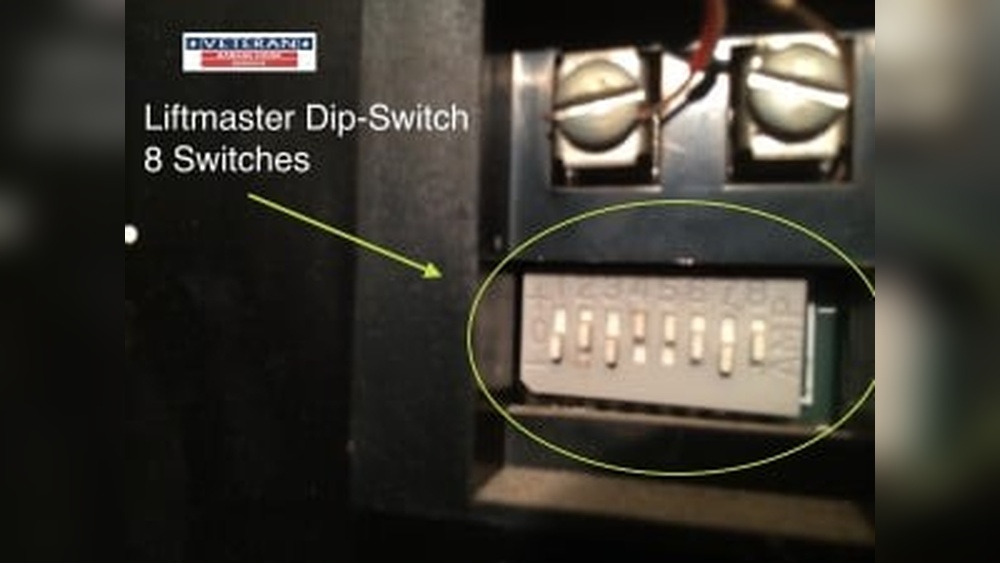
Example: If your opener is from before 1995 and uses dip switches, it is likely a fixed code type. This is easy to copy for someone with basic tools.
Copying Rolling Code Remotes
Rolling code openers change their code each time you use them. This makes copying much harder.
- A thief would need advanced tools to capture and replay the signal.
- It’s almost impossible to predict the next code.
- Brands like LiftMaster and Chamberlain use rolling code.
Practical insight: Most modern thieves target homes with older, fixed code systems, as rolling code systems require much more effort to hack.
Copying Smart/wi-fi Garage Openers
Smart openers use apps and internet connections. Copying the remote is hard, but:
- Hackers may try to break into your Wi-Fi or app account.
- If you use weak passwords, your system is at risk.
- Someone with access to your phone can open your garage.
Non-obvious insight: Even with a smart opener, your garage is as safe as your weakest digital security habit (like reusing passwords).
Credit: store.geniecompany.com
Common Methods Thieves Use To Copy Or Hack Openers
Even with modern technology, thieves look for weak spots. Here are some methods:
1. Code Grabbing Devices
These scan for and record fixed codes. They are cheap and easy to get online.
2. Universal Remotes
Some universal remotes can copy older opener signals.
3. Signal Jamming
A thief jams the signal, stopping your garage from closing, then sneaks in later.
4. Hacking Smart Systems
Weak Wi-Fi or poor passwords can let hackers in.
5. Physical Theft
Stealing your remote from your car is the simplest way.
Data point: According to a 2022 survey by the National Crime Prevention Council, about 9% of home break-ins involved a garage door entry, often using a stolen or copied remote.
How To Tell If Your Opener Can Be Copied
You can check your system’s age and technology to know your risk:
- Pre-1995 openers: Likely fixed code, high risk.
- Post-1995 openers: Rolling code, lower risk.
- Remote has dip switches: Fixed code.
- Remote says “Security+” or “Rolling Code”: Safer.
Example: If you open your remote and see a set of small switches, your system is outdated and at risk.

Credit: raynor.com
How To Protect Your Garage Door Opener
Here are proven steps you can take:
1. Upgrade To A Rolling Code System
If your opener is old, upgrade. New systems are much harder to copy.
2. Keep Remotes Safe
Never leave them visible in your car. Use a keychain remote if possible.
3. Change Default Codes
For some smart openers, change the default PIN and password.
4. Secure Your Wi-fi
Use a strong, unique password for smart garage door openers.
5. Enable Two-factor Authentication (2fa)
Add extra protection to smart systems.
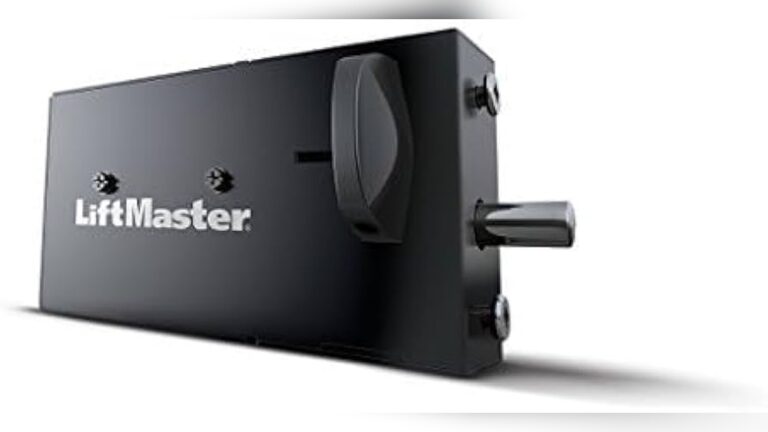
6. Install A Garage Door Shield
This device blocks thieves from fishing open your manual release.
7. Regularly Check For Updates
Smart openers need software updates for security.
8. Educate Family Members
Make sure everyone knows to keep remotes and codes private.
Practical example: A homeowner in Texas upgraded to a rolling code opener after a break-in. Since then, their security improved, and there have been no more attempts.
Comparing Garage Door Opener Security
Here’s a side-by-side look at how different opener types compare:
| Feature | Fixed Code | Rolling Code | Smart/Wi-Fi |
|---|---|---|---|
| Can Be Easily Copied? | Yes | No | No (unless hacked) |
| Cost to Upgrade | Low | Medium | Medium-High |
| Needs Internet? | No | No | Yes |
| Extra Steps for Security | No | No | Yes (passwords, updates) |
Real-world Examples
Case 1:
A homeowner with a fixed code opener noticed missing items in their garage. After installing a rolling code system, break-ins stopped.
Case 2:
A smart garage door app user reused the same password from social media. Hackers accessed the garage until the password was changed and 2FA enabled.
Case 3:
A neighbor borrowed a universal remote and was able to open a friend’s old garage door. The problem was solved after both upgraded their systems.
These stories show that most risks come from old technology or weak digital security.
What To Do If You Think Your Opener Was Copied
If you think someone may have copied or stolen your garage door remote:
1. Erase All Codes
Most openers have a “Learn” button. Hold it down to erase all paired remotes.
2. Reprogram Your Remotes
Pair only the remotes you trust.
3. Change Your Pin And Passwords
For smart openers, update your login details.
4. Check For Suspicious Activity
Look for signs of forced entry or unknown devices.
5. Contact Your Opener Manufacturer
Get advice or service if needed.
Data insight: In most cases, quick action can prevent thieves from using a copied remote.
Common Mistakes Homeowners Make
Even smart homeowners sometimes make mistakes that put their garage at risk:
- Leaving remotes in unlocked cars
- Using weak Wi-Fi passwords
- Ignoring software updates
- Not upgrading old openers
- Sharing codes with too many people
Non-obvious insight: Thieves often target homes with visible remotes, especially in neighborhoods with older openers.
Future Trends In Garage Door Security
The garage door industry is always improving. Here are some trends:
- Biometric access (fingerprint or face recognition)
- Better encryption for signals
- Cloud-based alerts for strange activity
- Integration with smart home systems
Example: Some new openers send alerts to your phone if the door is opened at an unusual time.

Credit: www.amazon.com
Key Takeaways
- Fixed code remotes are easy to copy and should be replaced.
- Rolling code and smart openers are much safer.
- Most break-ins happen due to old technology or simple mistakes.
- Regular upgrades and good security habits make a big difference.
If you’re not sure about your garage door’s safety, now is the time to check and update. Your home’s security is worth the effort.
Frequently Asked Questions
Can Someone Really Copy My Garage Door Opener?
Yes, if you use a fixed code opener, someone can copy your remote easily with basic tools. Modern rolling code and smart openers are much harder to copy, but digital hacking is still a risk if you use weak passwords.
How Can I Tell If My Garage Door Opener Is Secure?
Check your remote and opener. If it uses dip switches or is older than 1995, it’s likely at risk. Newer models with “rolling code” or “Security+” labels are safer. You can also check your manual or contact the manufacturer.
What Is The Safest Type Of Garage Door Opener?
A rolling code system or a smart Wi-Fi opener with strong passwords and two-factor authentication is safest. These are hard to copy and offer features like alerts and remote monitoring.
What Should I Do If I Lose My Garage Remote?
Immediately erase all codes from the opener (using the “Learn” button), then reprogram your remaining remotes. This stops anyone who finds or steals your lost remote from entering.
Are Smart Garage Door Openers Hackable?
Yes, but it’s rare if you use strong, unique passwords and enable two-factor authentication. Keep your app and firmware updated to reduce risks. Most hacks happen due to weak security habits, not technology flaws.
For more on garage security and technology, visit the Garage Door Opener Wikipedia page.
Smart, up-to-date garage door security is the best way to keep your home safe. Take action now—don’t wait until someone copies your opener.