
Can You Store Paint In The Garage?
Many people keep leftover paint in their garage, thinking it is a safe and easy solution. But is the garage really a good place for storing paint? The answer is more complex than most homeowners realize. Factors like temperature, humidity, and the type of paint can make a big difference.
Storing paint the wrong way can ruin it, costing you time and money. This guide explains when, why, and how you can safely keep paint in your garage. You’ll learn practical tips, real-life examples, and advice that helps you avoid common mistakes.
Why Paint Storage Matters
Paint is not just a liquid with color. It is a mix of chemicals, pigments, and binders that react to their environment. If you store paint incorrectly, it can:
- Separate or become clumpy
- Grow mold or bacteria
- Lose color quality
- Become unusable
Wasting paint means extra trips to the store, more money spent, and more waste in landfills. For beginners, it’s easy to think that simply sealing the can is enough. But proper storage can extend paint life from months to several years.
How Temperature Affects Paint In The Garage
Garages are rarely climate-controlled. In the United States, temperatures can swing from below freezing in winter to over 100°F (38°C) in summer. Paint is sensitive to these swings.
What Happens In Extreme Cold
- Latex paint: Freezes at 32°F (0°C). When it thaws, it often separates and turns grainy. Sometimes, it is impossible to mix it smooth again.
- Oil-based paint: Can handle cold a bit better, but will thicken and may not spread well.
Example: A homeowner in Minnesota stored latex paint in the garage over winter. In spring, the paint was chunky and useless, even after stirring for 10 minutes.
What Happens In Extreme Heat
- Heat above 85°F (29°C) damages both latex and oil-based paint.
- Paint thickens, forms skin on top, or develops lumps.
- Fumes can build up, making the can hard to open or even dangerous.
Example: In Arizona, a can of paint left in a 110°F (43°C) garage for two months formed a hard layer on top, with dried clumps below.
Temperature Range For Storing Paint
Most paint labels recommend a storage temperature between 60°F and 80°F (16°C to 27°C). If your garage swings outside this range, paint quality drops quickly.
| Paint Type | Lowest Safe Temp | Highest Safe Temp |
|---|---|---|
| Latex (Water-based) | 35°F (2°C) | 85°F (29°C) |
| Oil-based | 40°F (4°C) | 90°F (32°C) |
:strip_icc()/BHG-how-to-store-paint-7548475-hero-BG-32059-1-1-567e6ed3fa6c4daa8196cb2138b23757.jpg)
Credit: www.bhg.com
How Humidity Impacts Paint Storage
Humidity is another factor people often overlook. High moisture in the air can:
- Cause paint cans to rust
- Let water vapor seep inside, spoiling paint
- Promote mold or bacteria growth in water-based paints
Rusty cans may leak, and their lids can become hard to open or seal. If you live in a humid area (like Florida or coastal states), storing paint in a damp garage is risky.
Tip: Keep paint cans off the concrete floor. Use shelves or wooden boards to prevent contact with moisture.
What Type Of Paint Are You Storing?
Not all paints react the same way to storage conditions.
Latex (water-based) Paint
- Most sensitive to freezing
- Can spoil in damp conditions
- Shorter shelf life if stored poorly
Oil-based Paint
- More resistant to temperature swings
- Still suffers in high heat or dampness
- Fumes can build up in sealed cans
Specialty Paints (spray Paint, Stain)
- Many spray paints are flammable and react badly to heat
- Stains and sealers often contain solvents that can separate or evaporate
Key Insight: Beginners often think “paint is paint.” Always check your can’s label for storage advice, as formulas vary.
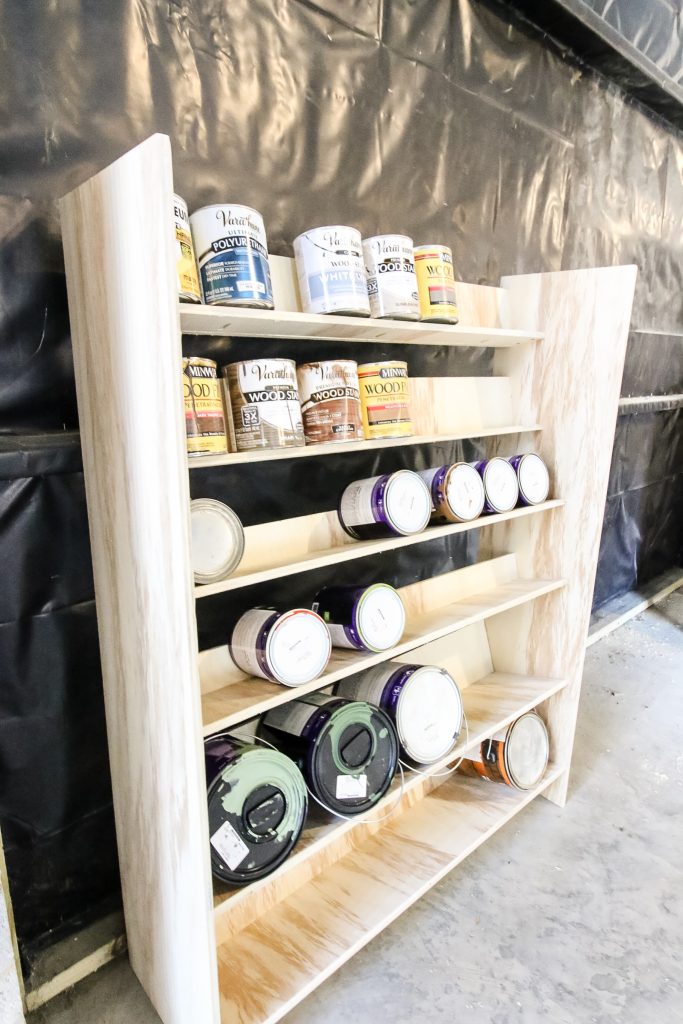
Credit: www.charlestoncrafted.com
How Long Does Paint Last In The Garage?
Paint shelf life depends on type and storage conditions.
- Latex paint: 2–5 years if stored well. If exposed to freezing, often ruined in one winter.
- Oil-based paint: 5–10 years if kept sealed and cool.
Here’s a quick comparison:
| Storage Condition | Latex Paint Shelf Life | Oil-Based Paint Shelf Life |
|---|---|---|
| Climate-controlled room | 5+ years | 10+ years |
| Unheated garage (mild climate) | 2–3 years | 4–6 years |
| Unheated garage (cold/hot climate) | 1–2 years | 2–4 years |
Practical tip: Write the date and room color on your paint can when you store it. This helps you track how long it’s been kept.
How To Store Paint In The Garage Safely
If your garage is the only option, you can take steps to protect your paint:
- Seal cans tightly: Use a rubber mallet to close the lid. Avoid using a hammer, which can bend the lid.
- Store off the floor: Place cans on shelves or wooden boards to avoid moisture.
- Keep away from windows: Sunlight heats up paint and breaks down chemicals.
- Use airtight containers: For small amounts, transfer paint to glass jars or special paint containers.
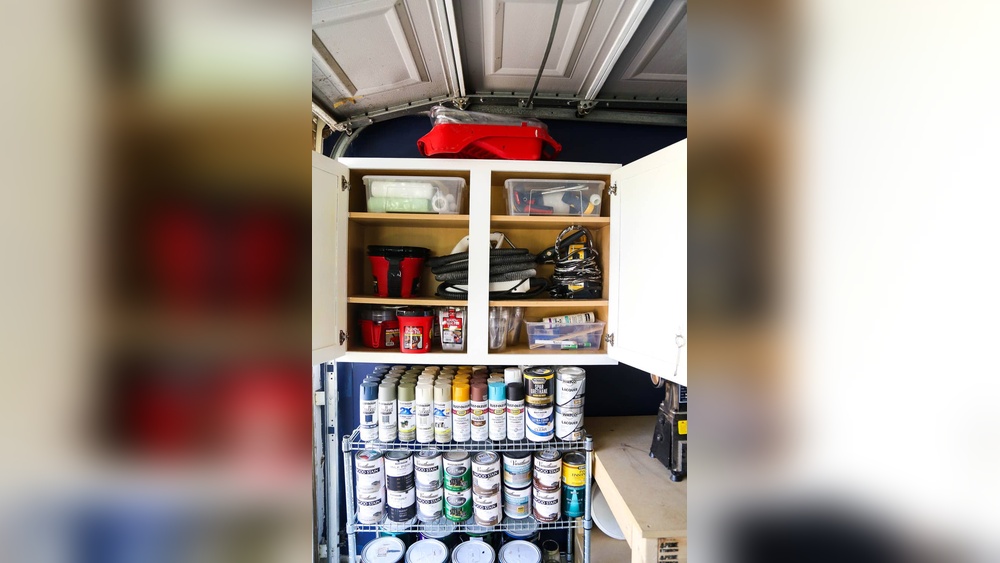
- Insulate a corner: If possible, pick the most temperature-stable spot. You can even use a small cabinet lined with foam.
- Label clearly: Write the date, paint color, and where it was used.
Beginner mistake: Many people stack paint cans. This can cause lids to warp or leak, especially if the garage is hot. Always store cans upright.
Signs Your Paint Has Gone Bad
Sometimes, paint goes bad even with good intentions. Here’s how to know if your paint is no longer usable:
- Strong sour smell: Indicates bacteria or mold.
- Thick lumps or grainy texture: Often cannot be fixed by stirring.
- Skin or hard layer on top: Remove and check underneath. If the rest is smooth, you may still use it.
- Rusty or leaking can: Paint may be contaminated.
If you see any of these signs, it’s best to dispose of the paint safely.
Where Should You Store Paint Instead?
If you want your paint to last, consider these better locations:
- Inside the house: A basement, utility room, or even a closet.
- Temperature-controlled storage: Keeps paint in the safe range year-round.
- Insulated cabinets: In the garage, use a cabinet with foam or insulation inside.
Note: Never store paint near heaters, furnaces, or open flames. Many paints are flammable.
Common Myths About Storing Paint In The Garage
Many homeowners believe myths that lead to wasted paint. Let’s clear up a few:
- Myth: “If the lid is on tight, paint will last anywhere.”
- Fact: Temperature and humidity still damage paint, even in sealed cans.
- Myth: “You can always fix paint by stirring.”
- Fact: Freezing or mold damage is often permanent.
- Myth: “All garages are the same.”
- Fact: Attached garages (connected to the house) stay warmer than detached ones.
Environmental And Safety Considerations
Old or spoiled paint can be dangerous. It can leak, give off fumes, or even become a fire hazard. Never dump paint down the drain or in the trash.
How to dispose of paint safely:
- Dry out latex paint (with kitty litter or a paint hardener) before throwing away.
- Take oil-based paints to a hazardous waste center.
- Many cities have recycling or collection programs.
Extra tip: Always keep paint out of reach of children and pets.
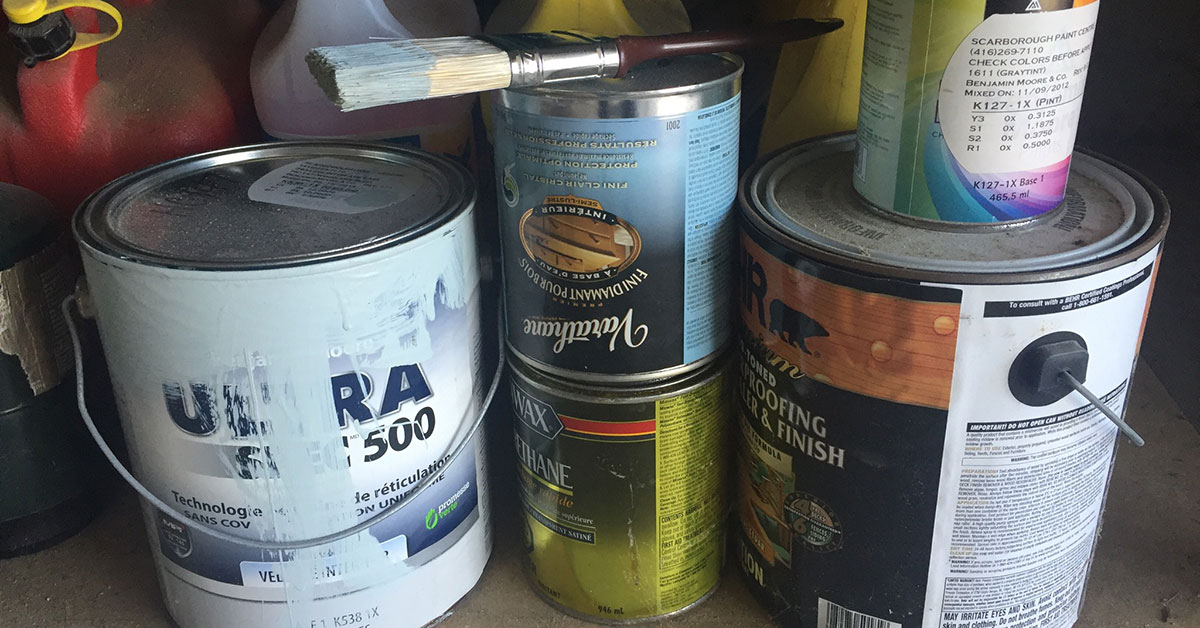
Credit: www.garageliving.com
Real-life Example: Storing Paint In Different Climates
Consider two homeowners:
- Sarah (Texas): Her garage reaches 105°F (41°C) in summer. She kept paint on a high shelf. After one year, her latex paint had separated and was no longer usable.
- Joe (Ohio): His garage is attached and insulated. He stores cans on a shelf in a shaded corner. Three years later, his paint is still smooth and ready to use.
Lesson: Your local climate and garage setup matter more than you think.
Practical Steps For Beginners
If you’re new to home maintenance, follow this quick checklist:
- Choose the coolest, driest part of your garage.
- Keep paint off the floor and away from windows.
- Date and label every can.
- Check the paint every 6 months.
- If you see signs of spoilage, dispose of the paint safely.
Paint Storage Comparison: Garage Vs. Indoor
Here’s a simple comparison:
| Feature | Garage | Indoor (Basement/Utility Room) |
|---|---|---|
| Temperature Control | Poor (swings widely) | Good (stable) |
| Humidity Control | Poor | Better |
| Paint Longevity | Shorter | Longer |
| Risk of Spoilage | High | Low |
Non-obvious Insights For Beginners
- Partial cans spoil faster: Air inside speeds up drying and bacteria growth. Store only what you will use soon.
- Test old paint before using: Paint a small patch on cardboard. If it dries evenly without odd smell or texture, it’s good to use.
Trusted Resources For More Information
For official advice, the U.S. Environmental Protection Agency (EPA) provides guidelines on safe paint storage and disposal. Learn more at the EPA’s Paint Products page.
Frequently Asked Questions
Can I Store Paint In The Garage If It’s Heated Or Cooled?
If your garage maintains a steady temperature between 60°F and 80°F, storing paint is usually safe. Make sure the garage is also dry and not exposed to sunlight. Even in a climate-controlled garage, check cans every few months.
What Happens If Paint Freezes In The Garage?
Freezing causes water-based paints to separate and become lumpy. Oil-based paints may thicken. In most cases, frozen paint cannot be restored to its original quality. Always check paint by stirring and testing before use.
Is It Okay To Store Spray Paint In The Garage?
Spray paint cans are sensitive to both heat and cold. In high temperatures, they can explode. In freezing weather, the propellant may not work. Store spray paint indoors or in a temperature-stable area.
How Do I Know If My Stored Paint Is Still Good?
Open the can and check for:
- A smooth, even texture after stirring
- No bad smell or moldy layer
- No rust flakes or leaks
Test on a scrap surface before painting your walls.
Can I Store Leftover Paint In Plastic Containers?
Yes, for small amounts. Use airtight, clean containers. Label with color and date. Make sure containers are made for chemical storage to prevent leaks or reactions.
Storing paint in the garage is possible, but it requires careful attention to temperature, humidity, and paint type. When in doubt, storing paint indoors is the safest choice. With these tips, you can make your leftover paint last longer and avoid costly mistakes.