
Painting Garage Walls: A Beginner’s Guide For Great Results
A fresh coat of paint can change your garage from a dull, dusty space into a clean and welcoming room. Many people ignore their garage, but it’s often one of the most used areas in the home. Painting garage walls is a simple DIY project, even for beginners.
With a little planning and the right materials, you can protect your walls and make your garage look much better.
This guide explains everything you need to know—what paint to use, how to prepare the walls, and each step in the process. You’ll also see common mistakes to avoid, the best tools to buy, and tips for long-lasting results. If you want your garage to look neat and stay protected, keep reading.
Why Paint Your Garage Walls?
Most garages have unfinished or plain drywall. Over time, dust, scuffs, and moisture can make the walls look dirty. Here’s why painting your garage walls is a smart idea:
- Protects the walls: Paint acts as a barrier against dirt, water, and mold.
- Makes cleaning easier: Painted surfaces wipe clean with a damp cloth.
- Improves lighting: Light colors reflect more light, making the garage brighter.
- Adds value: A clean, painted garage is attractive to home buyers.
- Prevents damage: Sealed walls stop dust and pests from getting inside.
Many homeowners are surprised at how much better their garage looks and feels after painting the walls.
Choosing The Right Paint For Garage Walls
Not all paints are the same. Picking the correct type is key for a durable finish.
Types Of Paint
Most garages have drywall, concrete, or plaster walls. Here’s what works best:
| Wall Material | Best Paint Type | Finish |
|---|---|---|
| Drywall | Interior latex | Eggshell, satin, or semi-gloss |
| Concrete/Block | Masonry paint | Satin or semi-gloss |
| Plaster | Interior latex | Satin or semi-gloss |
Pro tip: Semi-gloss is popular for garage walls because it’s easy to clean and reflects light well.
Paint Features To Look For
- Mildew resistant: Stops mold in damp garages.
- Stain blocking: Hides old marks and stains.
- Low VOC: Safer for indoor use; less smell.
- Washable: Makes cleaning simple.
Non-obvious insight: Don’t use exterior paint inside the garage. It often has strong chemicals (VOCs) not safe for indoor air.
Essential Tools And Materials
Having the right tools saves time and improves results. Here’s a basic checklist:
- Drop cloths: Protects your floor.
- Painter’s tape: Clean lines at edges.
- 2-inch brush: For corners and edges.
- Roller with extension pole: For large wall areas.
- Paint tray: Holds paint for the roller.
- Sandpaper (120–150 grit): Smooths rough spots.
- Spackling compound: Fills small holes or cracks.
- Putty knife: Applies spackle.
- Primer: Prepares the wall for paint (especially on bare drywall).
- Bucket, sponge, and mild soap: For cleaning walls.
Example: For a 2-car garage (about 400 sq. ft. of wall space), you’ll need about 2 gallons of paint for two coats.
How To Prepare Garage Walls
Good prep is key for a smooth, lasting finish. Skipping steps here leads to peeling, stains, and rough patches.
- Clear the area: Move cars, bikes, and tools away from the walls.
- Protect surfaces: Lay down drop cloths and tape off trim, outlets, and the ceiling.
- Clean the walls: Dirt and dust stop paint from sticking. Use a sponge and mild soap, then let dry.
- Repair damage: Fill holes or cracks with spackling compound. Let dry, then sand smooth.
- Remove old paint flakes: Scrape any loose or peeling paint with a putty knife.
- Sand glossy areas: If your wall is glossy, lightly sand so new paint sticks better.
- Wipe down dust: After sanding, use a damp cloth to remove dust.
- Prime if needed: Bare drywall, stains, or repairs need a primer. This step helps with even color and better adhesion.
Non-obvious insight: In old garages, check for moisture problems before painting. Paint won’t stick well to damp walls.

Credit: www.paintoutlet.co.uk
Step-by-step Guide To Painting Garage Walls
Now you’re ready to start painting. Take your time for a professional look.
- Prime the walls: If using primer, roll it on first and let it dry (usually 1-2 hours).
- Cut in edges: Use a 2-inch brush to paint corners, edges, and around outlets.
- Roll the main area: Dip your roller in the paint tray, roll off extra, and paint in a “W” or “M” shape. Fill in the gaps for even coverage.
- Let dry: Most latex paints dry in 1–2 hours per coat.
- Apply a second coat: This makes color richer and covers missed spots.
- Remove painter’s tape: Take off tape before the paint is fully dry for clean lines.
- Clean up: Wash brushes and rollers with soap and water. Remove drop cloths.
Pro tip: Paint one wall at a time. This helps spot drips and keeps the finish even.
How Much Paint Do You Need?
Painting a garage is not expensive, but buying the right amount saves money and effort.
- Coverage: Most interior paints cover 350–400 sq. Ft. per gallon.
- Number of coats: Two coats are best for durability.
- Example: For a 1-car garage (about 250 sq. Ft. of wall), buy 1–1.5 gallons. For a 2-car garage (400 sq. Ft.), buy 2 gallons.
Paint Cost Comparison
Here’s a quick look at average costs:
| Paint Type | Coverage per Gallon | Average Price |
|---|---|---|
| Standard Latex | 350–400 sq. ft. | $25–$45 |
| Masonry Paint | 250–350 sq. ft. | $30–$55 |
| Primer | 300–400 sq. ft. | $15–$30 |
Tip: If your walls are dark or stained, you may need a stain-blocking primer and more paint.
Common Mistakes To Avoid
Beginner painters often make the same errors. Here’s what to watch out for:
- Skipping cleaning: Paint won’t stick to dusty or greasy walls.
- Not using primer: Bare drywall absorbs paint unevenly.
- Painting too thick: Heavy coats cause drips and long drying times.
- Ignoring drying times: Rushing between coats leads to peeling.
- Poor ventilation: Always open windows or use fans. Paint fumes can be strong.
- Not checking weather: In humid weather, paint dries slower and may not cure well.
Non-obvious insight: Use a bright work light. Poor lighting makes it easy to miss spots and drips.
Best Colors For Garage Walls
The color you choose affects the whole mood and function of your garage.
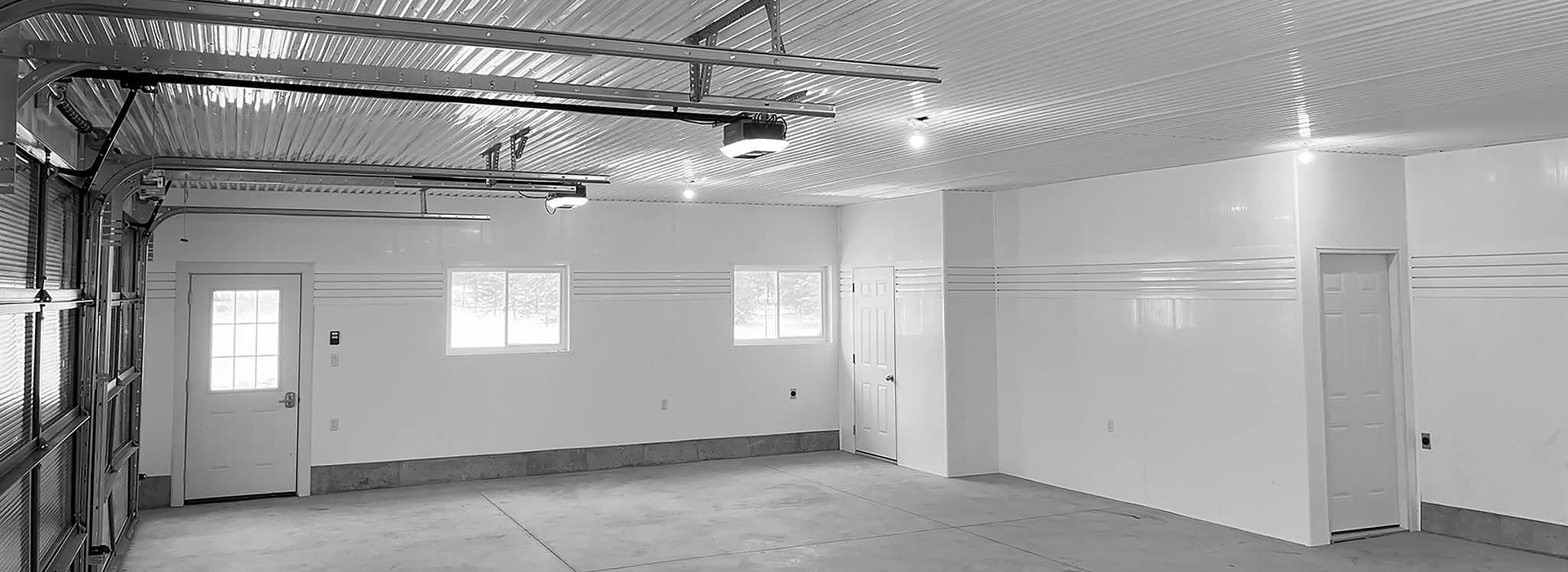
- White or off-white: Makes the space look bigger and brighter.
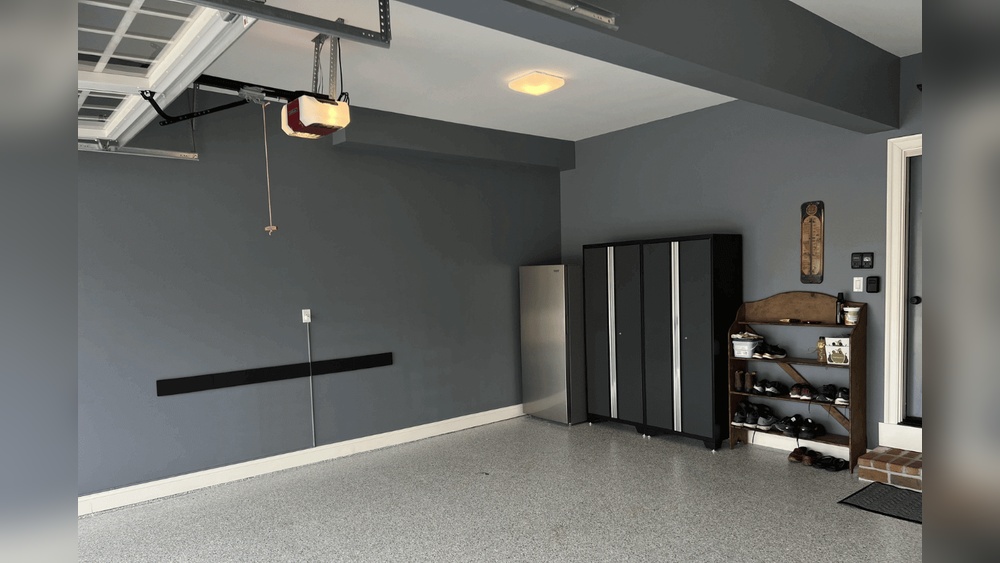
- Gray: Hides dirt and stains well, looks modern.
- Light beige or tan: Warmer than white, still reflects light.
- Blue or green shades: Calming, but keep them light for good brightness.
Dark colors make garages feel smaller and show dust easily. Most people prefer light, neutral shades for a clean look.

Credit: garagegiantusa.com
How Long Does It Take?
Painting a standard 2-car garage takes 1–2 days, depending on prep work and drying time.
Typical timeline:
- Prep and cleaning: 2–3 hours
- Repairs and sanding: 1–2 hours
- Priming (if needed): 1–2 hours (plus drying)
- First coat: 2 hours
- Drying: 2 hours
- Second coat: 2 hours
You can usually park your car back in the garage the next day.
Maintenance Tips After Painting
A painted garage wall is easy to keep clean. Here’s how to keep it looking fresh:
- Wipe off dust and cobwebs every few months.
- Clean marks with a damp sponge and mild soap.
- Touch up chips or scuffs with leftover paint.
- Check for water leaks around windows or the floor.
If you see mold or peeling paint, fix the source of moisture before repainting.
When To Call A Pro
Most people can paint their garage walls themselves. But call a professional if:
- You have structural damage (cracks, water leaks).
- You need to remove old lead paint (common in homes before 1978).
- The walls are very high or hard to reach.
- You want a perfect, flawless finish and don’t have painting experience.
Professional painters charge about $1–$3 per square foot, including materials and labor.
Environmental And Safety Tips
- Dispose of paint cans properly. Many local programs recycle them.
- Store extra paint in a cool, dry place for touch-ups.
- Wear gloves and a mask if sensitive to fumes.
- Keep kids and pets away until paint is fully dry.
For more on paint safety and disposal, see the EPA’s paint waste page.
Credit: trusscore.com
Frequently Asked Questions
What Paint Finish Is Best For Garage Walls?
A semi-gloss finish is the top choice for garage walls. It’s easy to wipe clean, resists stains, and reflects light well. Satin is also good if you prefer less shine.
How Do I Cover Cracks Or Holes In Garage Walls?
Use a spackling compound for small holes and cracks. Apply with a putty knife, let it dry, then sand smooth. For bigger damage, you may need a patch or drywall repair.
Can I Paint Over Old Paint In The Garage?
Yes, you can paint over old paint if the surface is clean and not peeling. Wash the walls, sand glossy spots, and use a primer if you’re changing from dark to light colors.
What Color Should I Choose For A Dark Garage?
Pick a light color like white, pale gray, or beige. These shades reflect more light and help brighten the space. You can also add extra lighting for best results.
How Long Does Garage Wall Paint Last?
With good prep and quality paint, the finish can last 8–15 years. High-traffic areas may need touch-ups sooner, but most garages stay looking good for a decade or more.
A fresh paint job in your garage does more than improve looks. It protects your walls, makes cleaning easier, and adds value to your home. With the right steps and materials, even a beginner can achieve professional results. Take your time, follow these tips, and enjoy your updated garage for years to come.