
If your garage door opener suddenly stops working, it can be frustrating and even a little worrying. Most people use their garage door every day—sometimes more than once. When it fails, your car might get stuck inside or outside, and your home security can be at risk.
But before you call a repair technician, many garage door opener problems can be fixed at home with simple tools and a bit of know-how.
This guide explains the most common garage door opener problems and how to fix them. Whether you’re a first-time homeowner or just want to save money on repairs, these clear steps and practical tips can help you solve issues fast. Let’s look at how you can get your garage door opener working again, safely and with confidence.
Why Garage Door Openers Fail
Garage door openers have several moving parts and rely on both mechanical and electrical systems. Over time, regular use and lack of maintenance can cause problems. Here are the main reasons openers stop working:
- Power supply issues: The opener needs a steady electrical current.
- Worn-out parts: Gears, springs, or chains can wear down.
- Sensor misalignment: Safety sensors must “see” each other.
- Remote control failures: Batteries or signal interference can be the cause.
- Obstacles: Something blocking the door’s path stops it from moving.
Understanding these basics helps you narrow down the cause and fix it faster.
The Opener Won’t Respond
One of the most common complaints is when the garage door opener does nothing—no noise, no movement, no lights. Here’s how to troubleshoot:
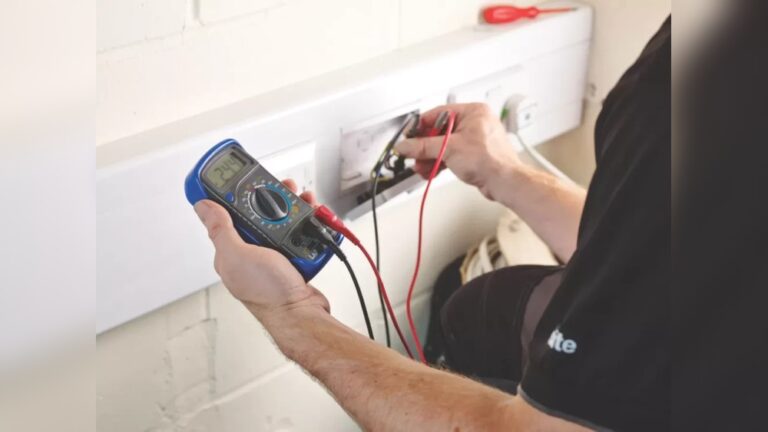
- Check the power source:
- Is the opener plugged in?
- Try another device in the same outlet.
- Check your home’s circuit breaker.
- Test the wall switch:
- If the wall switch works but the remote does not, the opener is fine.
- Look for indicator lights:
- Some openers have a small light on the housing.
- If it’s off, there’s likely no power.
Example: A family noticed their garage door would not respond after a storm. The outlet’s GFCI button had tripped, cutting power. Resetting it solved the problem.
Common Fixes
- Plug the opener in securely.
- Reset the breaker or GFCI outlet.
- Replace blown fuses.
- If the outlet works, but the opener does not, the internal circuit board might be faulty.
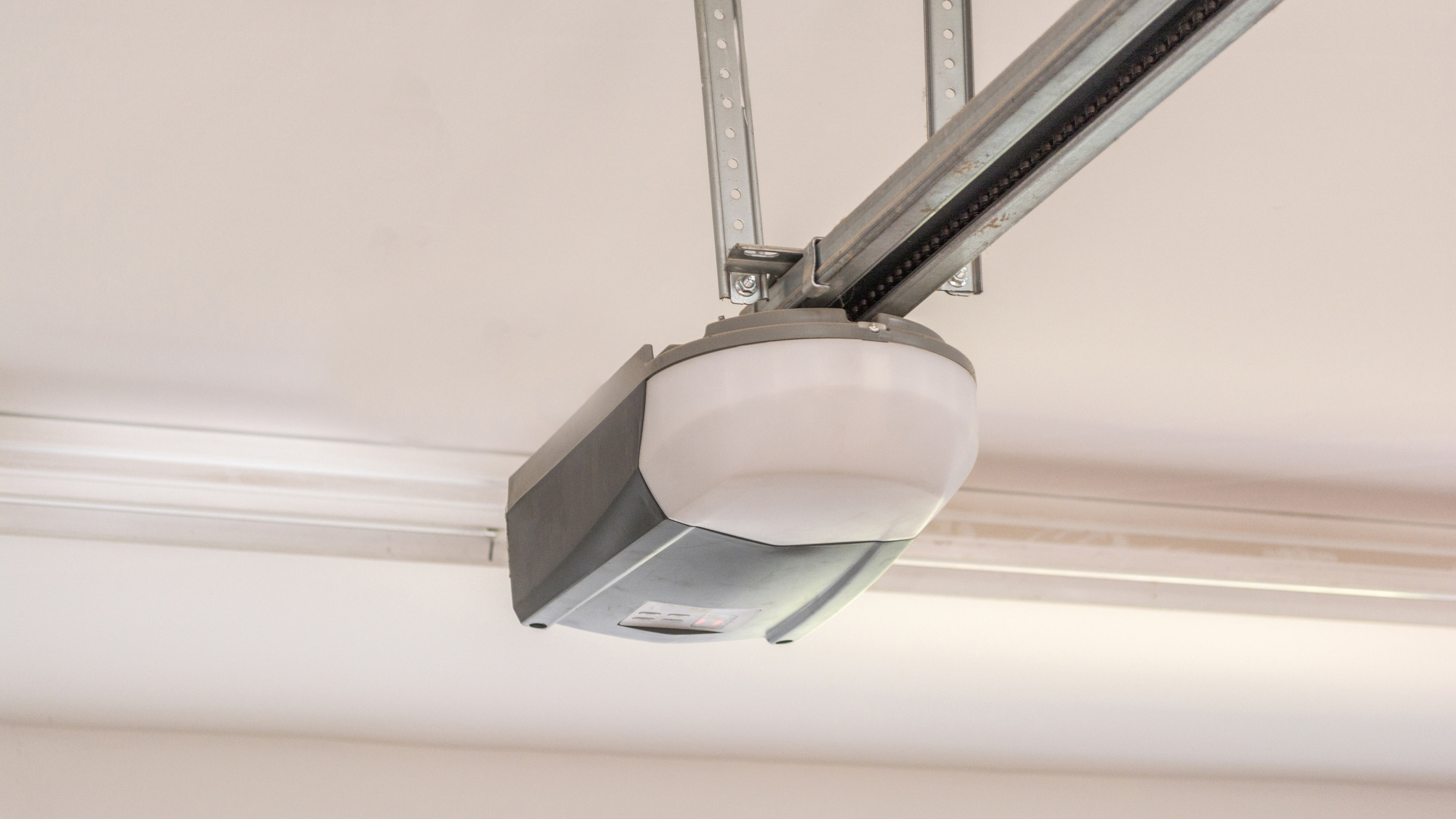
Credit: schaeferdoor.com
Remote Control Problems
Remotes are convenient, but they can be a common source of trouble. Typical symptoms include the remote not working at all, or working only from a short distance.
How To Fix Remote Issues
- Replace the batteries: Low batteries are the most common reason.
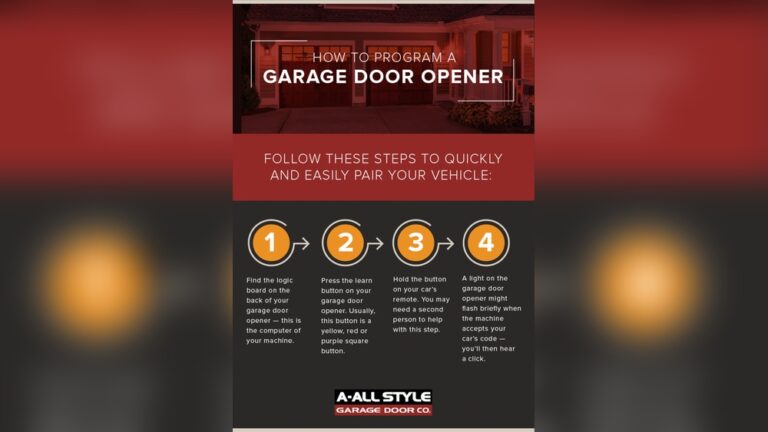
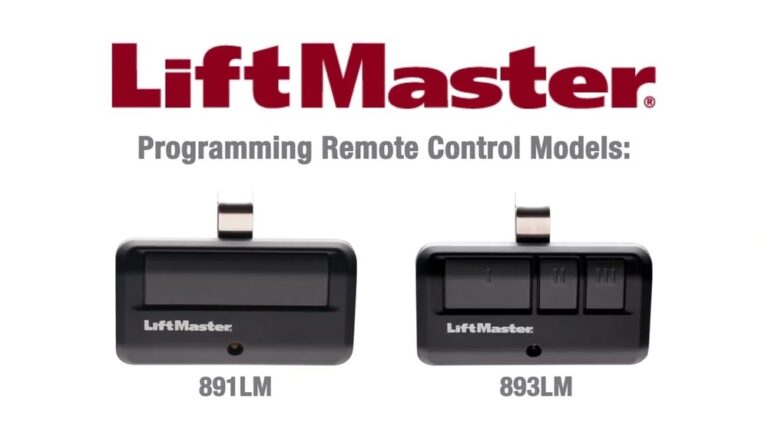
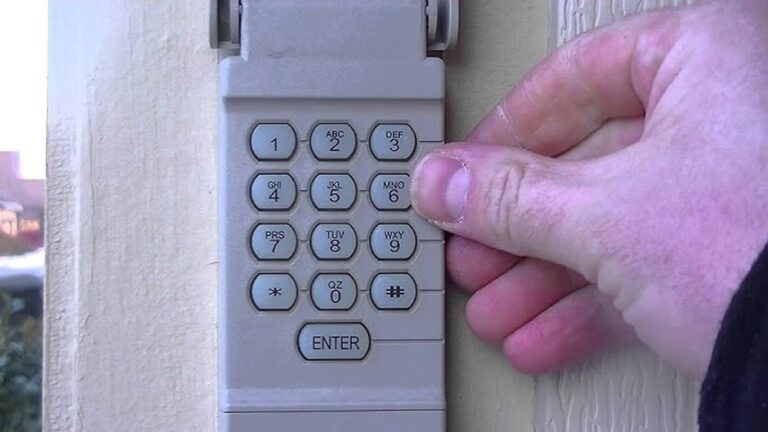
- Reprogram the remote: Most openers have a “Learn” button. Press it, then press the remote button to reconnect.
- Check for signal interference: Nearby electronics, LED lights, or even your car’s key fob can block the signal.
- Inspect the antenna: Make sure the opener’s antenna is hanging down and not broken.
Pro Tip: If you have multiple remotes, test each one. If only one fails, it’s likely a battery or programming issue.
Data Table: Remote Range Comparison
Here’s a look at typical remote control ranges for garage door openers:
| Opener Type | Average Range (feet) | Common Issues Affecting Range |
|---|---|---|
| Older Models (1990s) | 50-100 | Weak batteries, outdated technology |
| Modern Models (2010+) | 150-300 | Interference from Wi-Fi, LED bulbs |
If your range is much shorter than this, change the battery or move interfering devices.
Safety Sensor Problems
Since 1993, US garage doors must have safety sensors at the base of the door. These sensors stop the door if something (like a child or pet) is in the way. If the sensors are blocked or misaligned, the door won’t close.
Symptoms Of Sensor Issues
- The door starts to close, then immediately reverses.
- The opener blinks lights but doesn’t move.
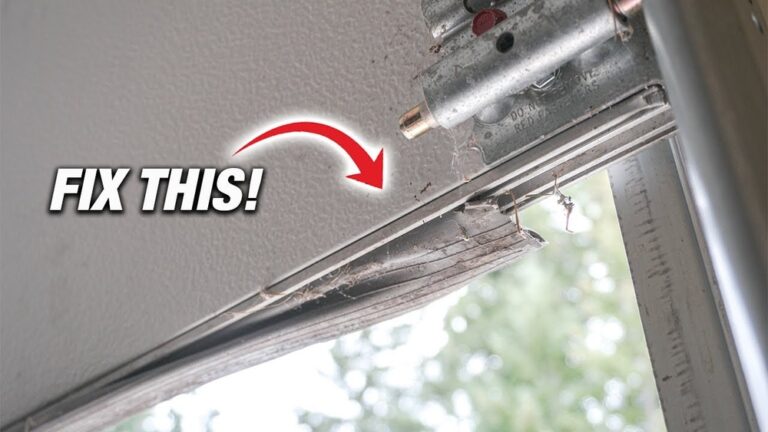
- You see dirt or spider webs on the sensor lens.
How To Fix Sensor Problems
- Clean the sensor lenses with a dry cloth.
- Check for obstacles like bikes or trash cans near the sensors.
- Align the sensors:
- Both sensors should point directly at each other.
- Most have a small indicator light. If one is off or blinking, it’s not aligned.
- Secure the wiring: Loose or chewed wires can cause problems, especially in garages with pets.
Non-obvious insight: Bright sunlight can sometimes “blind” a sensor. Try shading the sensor or moving reflective surfaces.
The Door Opens But Won’t Close
Sometimes the door opens fine but won’t close when you press the button. This is almost always a safety sensor or travel limit issue.
Troubleshooting Steps
- Bypass the sensors: Hold the wall button down (don’t just press it). The door should close. If it does, the sensors are definitely the issue.
- Check the travel limits: Openers have screws or digital settings that tell the door how far to move. If set too high or too low, the door may stop early.
How To Adjust Travel Limits
- Locate the limit adjustment screws on the opener unit.
- Turn them slowly—usually, one controls “up” and the other “down.”
- Move in small increments and test the door after each adjustment.
Example: If your door touches the ground and then reopens, the “down” limit is set too far. Adjusting it back can solve the problem.
Door Closes Then Reopens
If your garage door closes fully and then pops back open, the opener thinks it hit something (even if it didn’t). This is often caused by:
- Misaligned safety sensors
- Obstructions in the track
- Incorrect force settings
Common Fixes
- Remove all visible debris from the tracks.
- Realign the sensors.
- Adjust the “down force” dial on your opener (refer to your manual).
Practical tip: Cold weather can make the door harder to move. Increase the force slightly in winter, but never bypass safety features.
Noisy Operation
A loud garage door opener can annoy your whole household and even your neighbors. Grinding, squeaking, or rattling often means something needs attention.
Causes Of Noise
- Dry or rusty rollers, hinges, or springs
- Loose hardware
- Worn-out opener gears or chains
How To Quiet A Noisy Opener
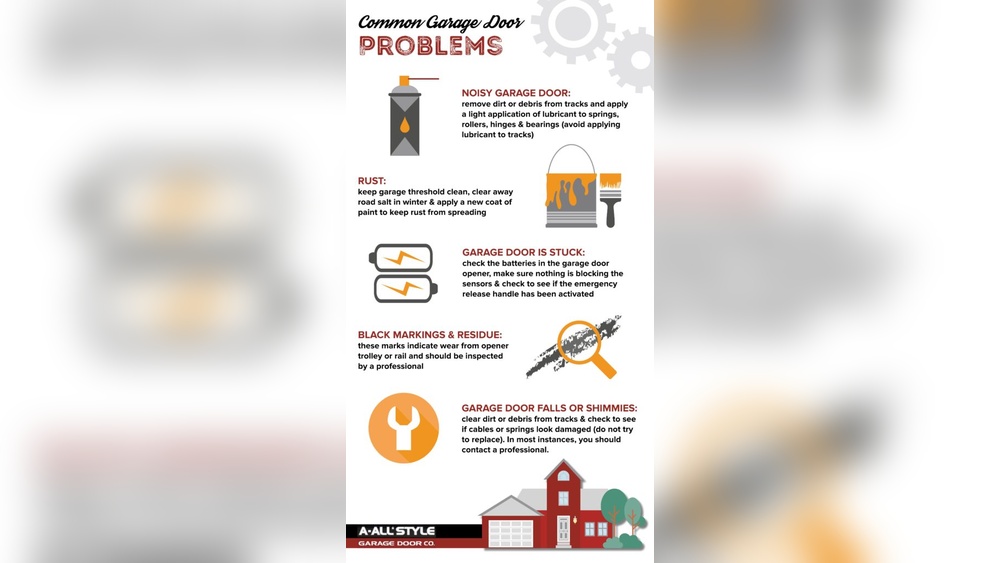
- Lubricate moving parts: Use garage door lubricant (not WD-40) on metal rollers, hinges, and the opener chain.
- Tighten bolts and screws: Vibrations can loosen hardware over time.
- Replace worn parts: Nylon rollers are quieter than metal ones.
Data Table: Common Noise Sources
See which parts typically cause noise in garage door systems:
| Noise Source | Common Solution | Difficulty (1=Easy, 5=Hard) |
|---|---|---|
| Opener Chain | Lubricate chain | 1 |
| Metal Rollers | Replace with nylon rollers | 3 |
| Loose Brackets | Tighten bolts | 2 |
A quiet garage door is a sign of good maintenance and fewer future problems.
Door Moves Unevenly Or Gets Stuck
If your garage door moves in a jerky way, or gets stuck halfway, the problem is usually track alignment or roller issues.
How To Fix Uneven Movement
- Inspect the tracks: Make sure they’re straight and free from dents.
- Clean the tracks: Dirt, stones, or leaves can block the wheels.
- Check the rollers: Worn or broken rollers can cause binding.
Pro insight: Don’t use grease inside the tracks. It attracts dirt and makes things worse. Clean with a dry cloth and use lubricant only on the rollers.
Opener Motor Runs But Door Doesn’t Move
Sometimes you’ll hear the motor running but the door stays still. This is often a sign of a disengaged trolley or a broken drive part.
Key Checks
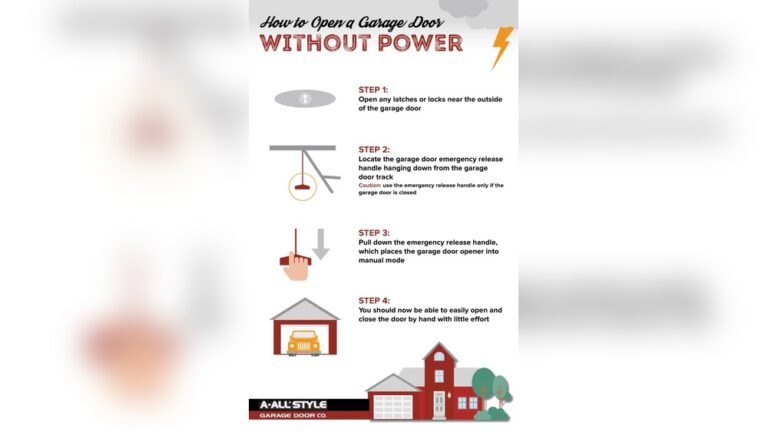
- Is the opener in “manual” mode?
- If you pulled the red emergency cord, the door is disconnected from the opener.
- Push the door closed, then pull the cord toward the opener to re-engage.
- Check the drive gear: If the opener hums but nothing moves, the internal gear may be stripped.
Diy Or Call A Pro?
- Reconnecting the trolley is safe and easy.
- Replacing internal gears requires opening the unit and is best for someone comfortable with repairs.
Beginner tip: Always unplug the opener before opening the housing.
Opener Lights Not Working
If your garage door opener’s light won’t turn on, it can make the garage unsafe at night.
Causes And Fixes
- Burnt-out bulb: Replace with a new bulb. Use one rated for vibration (standard bulbs may fail early).
- Loose socket: Gently adjust the bulb in the socket.
- Faulty light circuit: If the bulb and socket are fine, the opener’s light circuit may be broken.
Non-obvious insight: Many new openers use LED bulbs, but some are not compatible with opener electronics and can cause remote interference. Check your opener’s manual for recommended bulb types.
When To Call A Professional
While many garage door opener problems can be fixed at home, some repairs are risky or require special tools. Call a professional if:
- The main spring is broken (very dangerous to repair yourself)
- You see burned wires or smell smoke
- The opener is more than 15 years old and repairs are frequent
A skilled technician can help with complex electrical or mechanical problems and ensure your door is safe.
Preventing Future Problems
Regular maintenance can reduce most opener issues. Here’s what you can do:
- Test the safety sensors monthly.
- Lubricate moving parts every six months.
- Tighten all hardware yearly.
- Replace remote batteries each year.
Pro tip: Keep the area around your garage door clear. Clutter can block sensors and tracks.
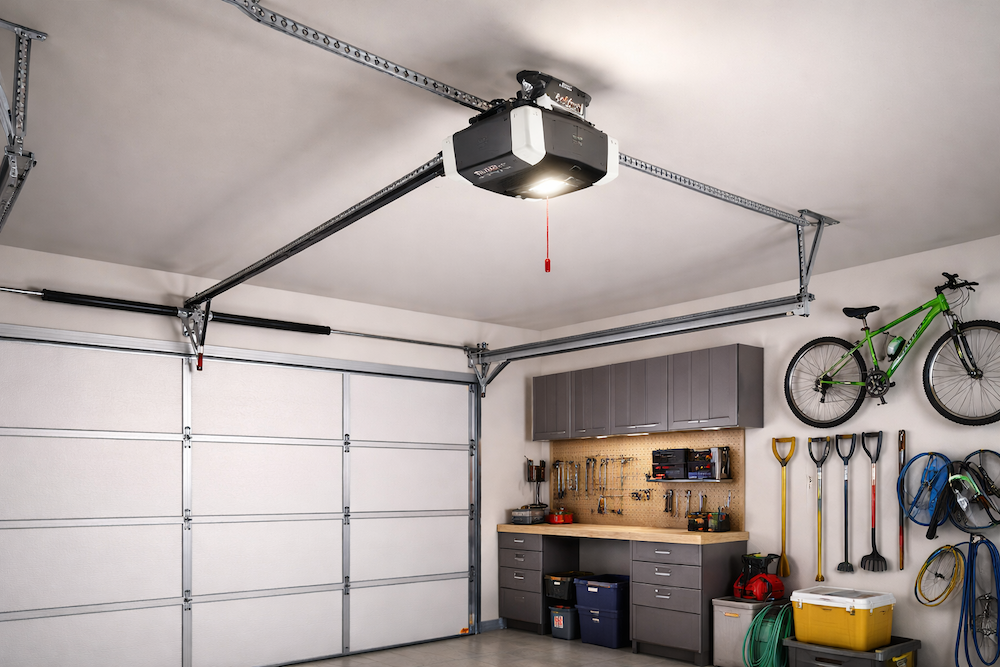
Credit: www.thedoordoctor.net
Cost Of Common Repairs
Repair costs depend on the problem, but here’s a quick overview for US homes:
| Repair Type | Typical Cost (USD) | DIY Possible? |
|---|---|---|
| Remote Battery Replacement | $5 – $10 | Yes |
| Sensor Realignment | $0 – $50 | Yes |
| Drive Gear Replacement | $60 – $150 | Maybe |
| Spring Replacement | $150 – $350 | No |
Fixing simple problems yourself saves money, but know your limits for safety.
Frequently Asked Questions
What Should I Do If My Garage Door Opener Won’t Close The Door?
Check the safety sensors at the bottom of the door tracks. Clean the lenses and make sure nothing is blocking the sensors. If the door only closes when you hold the wall button, sensor alignment is likely the problem.
Why Does My Garage Door Remote Only Work From Close Range?
Replace the remote batteries first. If the problem stays, check for interference from LED bulbs or Wi-Fi routers near the opener. Make sure the opener’s antenna is hanging down and not damaged.
How Often Should I Lubricate My Garage Door Opener?
Lubricate all moving parts—rollers, hinges, and the opener chain—every six months. Use a lubricant made for garage doors (not regular oil or grease).
My Garage Door Opener Is Noisy. How Can I Make It Quieter?
Lubricate the chain, rollers, and hinges. Tighten all bolts and screws. If noise continues, consider replacing metal rollers with nylon rollers for smoother operation.
Can I Replace A Garage Door Spring Myself?
No. Garage door springs are under high tension and can cause serious injury. Always call a trained professional for spring replacement.
A working garage door opener is important for both convenience and safety. Most problems can be solved with simple checks and a few tools. By following the steps above, you can fix many issues yourself and keep your garage door running smoothly for years. For more detailed technical advice, visit the HomeAdvisor Garage Door Opener Troubleshooting Guide. Regular maintenance, attention to warning signs, and knowing when to call a pro can save you time, money, and stress.
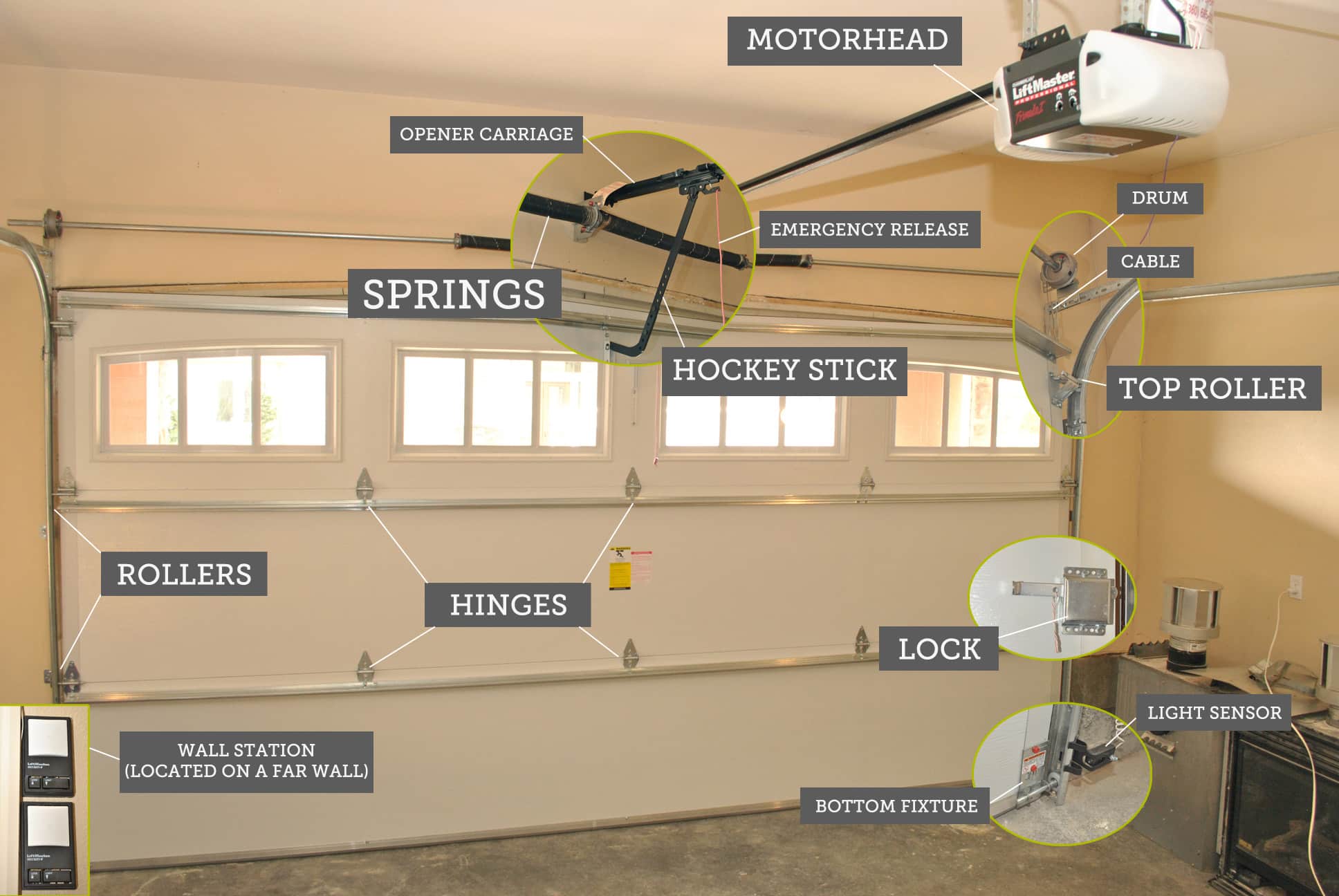
Credit: garagedoorproservices.com