
Garage break-ins are a growing concern for many homeowners in the United States. Garages often store valuable items like tools, bikes, and even cars, making them a target for thieves. Many people believe their garage is safe, but the numbers tell a different story. Understanding garage break-in statistics can help you protect your property and reduce your risk.
Why Garages Are A Common Target
Garages are often less secure than other parts of the house. Thieves know this and look for easy opportunities. Here’s why garages attract burglars:
- Easy access: Many garage doors have weak locks or can be forced open with simple tools.
- Valuable items: Garages store bikes, tools, sports gear, and sometimes even cash or electronics.
- Low visibility: Garages are sometimes hidden from the street, making it easier for thieves to break in without being seen.
- Quick escape: A thief can get in and out of a garage fast, often within minutes.
These factors make garages a frequent entry point during home burglaries.
Key Garage Break-in Statistics
Let’s look at the numbers to understand the scale and risk of garage break-ins in the US.
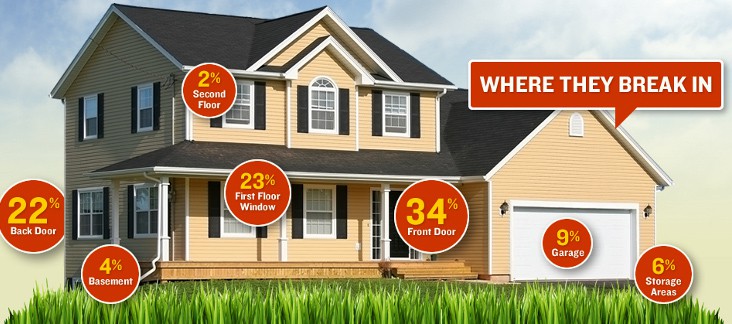
- Around 9% of all home burglaries involve entry through the garage, according to the FBI’s Uniform Crime Reporting.
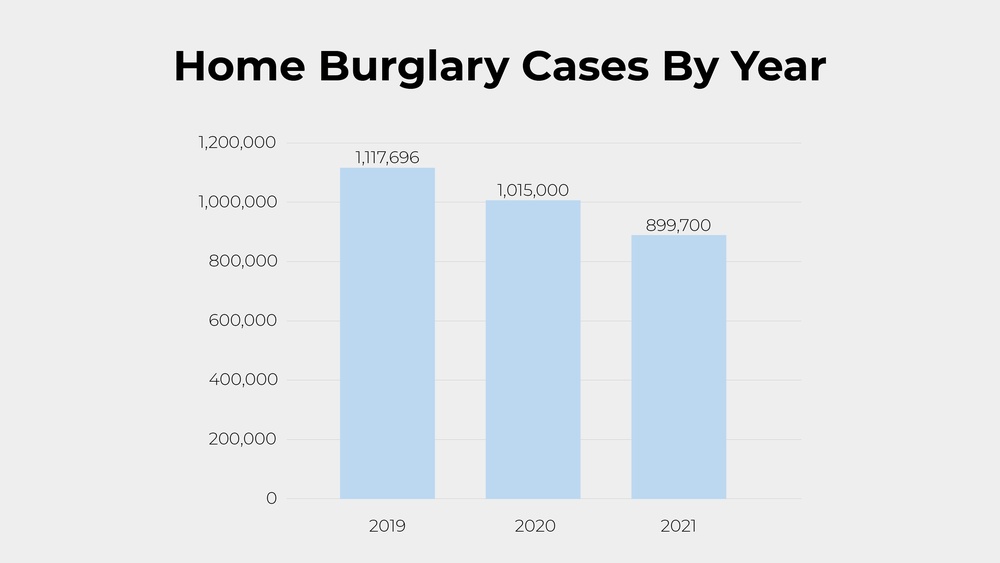
- In 2022, over 1.1 million home burglaries were reported in the US, which means roughly 99,000 involved garages.
- The average value of property stolen during a garage break-in is about $2,800.
- About 35% of Americans admit to leaving their garage door open by mistake at least once a month.
- Detached garages are 40% more likely to be broken into compared to attached garages.
These numbers show that garage security is not just a small problem—it’s a widespread issue.
Common Methods Thieves Use
Understanding how thieves break into garages can help you defend against them. Here are the most common methods:
- Forcing the main garage door: Many older doors can be opened with a screwdriver or crowbar.
- Fishing the emergency release: Thieves insert a wire through the top of the garage door to pull the emergency release cord.
- Entering through side doors: Weak side doors or windows can be kicked in or pried open.
- Exploiting smart tech: Some criminals use signal jammers to block smart garage openers or hack weak Wi-Fi passwords.
Let’s compare the popularity of each method:
| Method | Percent of Incidents |
|---|---|
| Forcing main door | 52% |
| Fishing emergency release | 21% |
| Side door/window | 19% |
| Hacking smart tech | 8% |
Most break-ins happen with simple tools, not advanced gadgets.
When Do Garage Break-ins Happen?
Timing is important in garage break-ins. Thieves usually strike when people are least likely to notice.
- Nighttime hours: Most break-ins happen between midnight and 5 AM.
- Weekdays: Thieves prefer weekdays, when homeowners are at work or asleep.
- Holidays: Burglars target homes during holidays, knowing families may be away.
Here’s a quick breakdown:
| Time | Percent of Break-Ins |
|---|---|
| Midnight – 5 AM | 43% |
| 6 AM – Noon | 28% |
| Noon – 6 PM | 17% |
| 6 PM – Midnight | 12% |
This shows that late night is the most dangerous time for garage security.
Most At-risk Locations
Some areas have higher garage break-in rates than others. Urban and suburban neighborhoods are most affected.
- Cities: High population density means more opportunities for thieves.
- Suburbs: Many homes with attached garages, often with less security.
- Rural areas: Lower, but not immune—detached garages and long driveways can attract thieves.
Top states for garage break-ins (per 100,000 homes):
- California: 410
- Texas: 370
- Florida: 340
- Illinois: 320
- Ohio: 295
If you live in these states, upgrading your garage security is especially important.
What Items Are Most Stolen?
Thieves want things that are easy to grab and sell. The most common stolen items from garages include:
- Bicycles: Lightweight and valuable.
- Power tools: Drills, saws, and other tools can be sold quickly.
- Sporting equipment: Golf clubs, fishing gear, and more.
- Car parts: Wheels, catalytic converters, and electronics.
- Electronics: Laptops, speakers, and sometimes even old TVs.
Here’s how often each item is reported stolen:
| Item | Percent of Incidents |
|---|---|
| Bicycles | 29% |
| Power tools | 24% |
| Sporting equipment | 17% |
| Car parts | 15% |
| Electronics | 15% |
If you keep valuable items in your garage, consider extra protection.
How Garage Break-ins Affect Homeowners
A garage break-in is more than just lost property. It can have other effects:
- Emotional stress: Many people feel unsafe in their own home after a break-in.
- Insurance claims: Filing a claim can raise your premiums.
- Home value: A high local crime rate can lower home values.
- Time and cost: Repairing doors, replacing locks, and lost work hours add up.
Many homeowners underestimate these “hidden costs. ” It’s not just about what gets stolen.
Common Security Mistakes Homeowners Make
Beginners often overlook simple security steps. Here are common mistakes:
- Leaving the garage door open: Even for a few minutes, this invites trouble.
- Weak locks: Standard locks on garage doors and side doors are often easy to break.
- No security cameras: Thieves are less afraid if there are no cameras.
- Poor lighting: Dark driveways and side yards make it easy for thieves to sneak in.
- No alarm system: Many people secure the main house but forget the garage.
One non-obvious mistake: Forgetting to re-key or change the garage door opener when moving into a new home. The previous owner or others may still have access.
Credit: safetechalarms.com
Steps To Reduce Garage Break-in Risk
Improving garage security doesn’t have to be expensive or complicated. Here’s what you can do:
- Upgrade your locks: Use deadbolts and heavy-duty padlocks.
- Install a smart garage door opener: Choose models with rolling codes and alerts.
- Add motion sensor lights: Bright lights deter thieves at night.
- Use security cameras: Place cameras where they can see the driveway and garage doors.
- Hide valuables: Keep tools and bikes out of sight, or use locked cabinets.
- Reinforce side doors: Replace weak doors and use longer screws in the hinges.
- Secure windows: Add bars or shatter-resistant film.
A practical tip: Zip-tie the emergency release cord on your garage door opener. This simple trick prevents “fishing” attacks but still lets you use the cord in a real emergency if you need to.
How Technology Is Changing Garage Security
Modern technology brings both risks and solutions. Smart garage openers, cameras, and apps help track activity, but they can also be hacked if not set up properly.
- Two-factor authentication: Many smart garage apps now offer this feature for more safety.
- Encrypted signals: Use smart openers with rolling codes so thieves can’t copy your remote.
- App alerts: Get notified on your phone if the garage opens unexpectedly.
A non-obvious insight: Always update the firmware on your smart devices. Outdated software can have security holes that hackers exploit.
Credit: reolink.com
How Law Enforcement Tracks Garage Break-ins
Police use several methods to monitor and prevent garage break-ins:
- Crime mapping: Tracking where and when break-ins happen to focus patrols.
- Neighborhood watch programs: Communities working together to report suspicious activity.
- Public alerts: Sharing recent break-in patterns with local residents.
If you’ve experienced a break-in, always report it—even if nothing was taken. Police need accurate data to help protect your neighborhood.
Insurance And Garage Break-ins
Many homeowners don’t realize that insurance coverage for garage theft can be limited.
- Homeowners insurance: Most policies cover items stolen from garages, but you may have a high deductible.
- Separate policies: High-value items like expensive bikes or tools might need extra coverage.
- Proof of ownership: Take photos and keep receipts for valuable items.
Check your policy details or talk to your insurance agent to avoid surprises if you need to file a claim.
Real-life Example: How A Garage Break-in Happens
Let’s look at a real scenario:
John, a homeowner in Texas, left his garage door open overnight by accident. Thieves entered around 2 AM, stole two bikes and a set of power tools worth about $3,500. He had no cameras or alarms, and his homeowners insurance only covered $1,500 after a $1,000 deductible.
The rest he had to replace himself.
This example shows how one simple mistake can be costly.
Comparing Garage Break-ins To Other Types Of Home Burglary
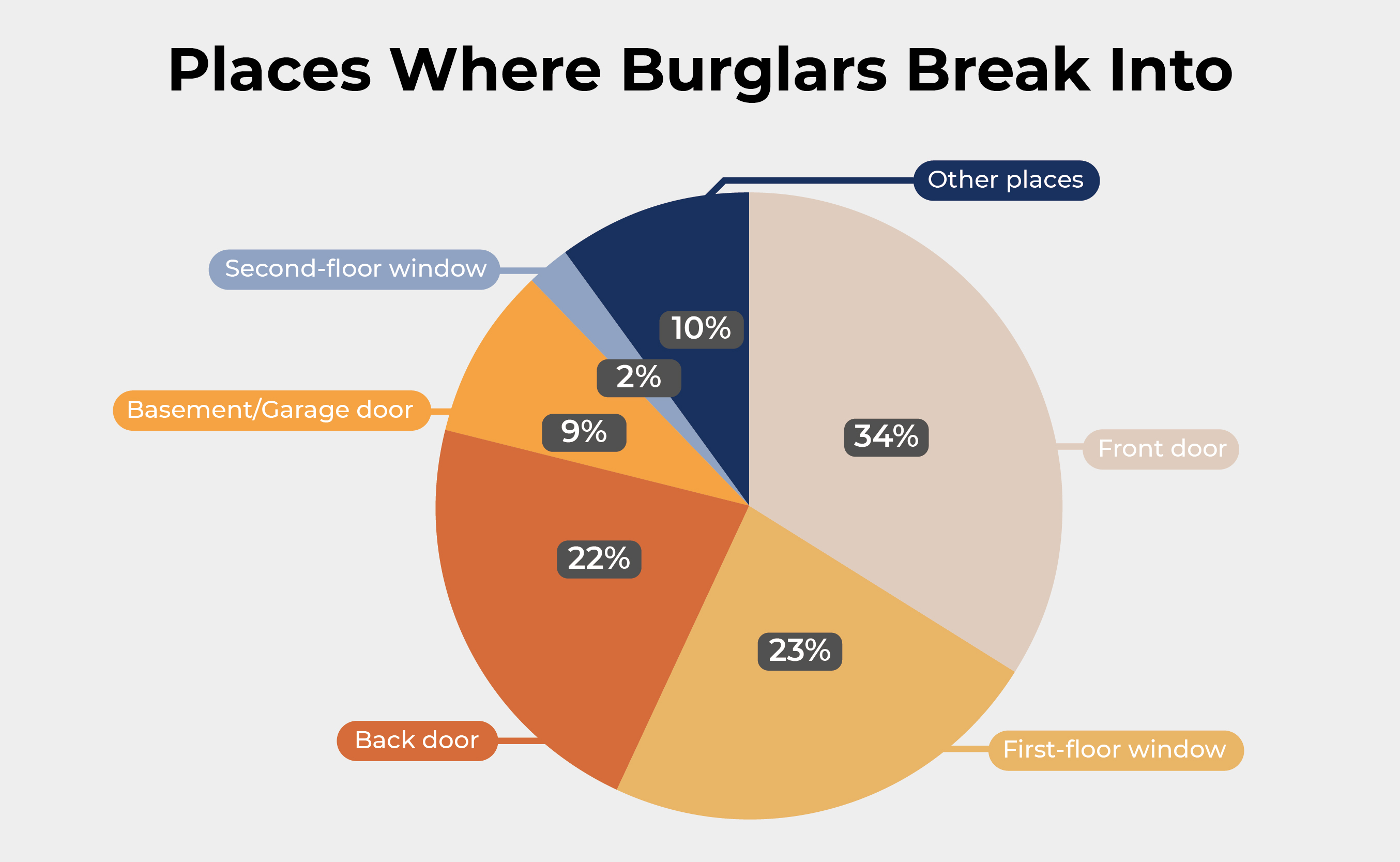
How do garage break-ins compare to other home entry points? Here’s a quick comparison:
| Entry Point | Percent of Burglaries |
|---|---|
| Front door | 34% |
| Back door | 23% |
| Garage | 9% |
| Windows | 22% |
| Other | 12% |
While not the most common entry point, garages are still a significant risk.

Credit: sirixmonitoring.com
Resources For Garage Security
If you want to learn more or improve your garage security, check these resources:
- The FBI Uniform Crime Reporting page has the latest national burglary data.
- The National Crime Prevention Council offers tips for homeowners.
- For up-to-date technology solutions, visit SafeWise.
Garage Security Is Worth The Effort
Garage break-ins are more common than many people think. The statistics show that garages are a weak spot in home security, but you don’t have to be a victim. Simple, smart steps can make your garage much safer and protect your belongings.
Stay alert, upgrade your locks, and don’t forget to secure your smart technology. Taking action now can save you time, money, and stress in the long run.
Frequently Asked Questions
What Is The Most Common Way Thieves Break Into Garages?
The most common method is forcing the main garage door with a tool like a crowbar or screwdriver. Many older doors are easy to pry open, especially if they are not reinforced.
Are Smart Garage Door Openers Safe?
Smart garage door openers can be safe if you use strong passwords and keep the software updated. Choose models with rolling code technology and enable two-factor authentication if available.
Does Homeowners Insurance Cover Items Stolen From Garages?
Most homeowners insurance policies cover garage theft, but you might have a high deductible and limits on coverage for certain items. Check your policy or talk to your insurance company for details.
How Can I Make My Garage Door More Secure?
You can improve security by installing a deadbolt, using a smart opener with alerts, adding motion lights, and using a zip-tie on the emergency release cord. Don’t forget to lock side doors and windows too.
What Should I Do If My Garage Is Broken Into?
If your garage is broken into, call the police right away, take photos of the damage, make a list of what’s missing, and file an insurance claim. Report the break-in even if nothing was stolen—it helps law enforcement track local crime.