
Nascar Garage 56: Everything Beginners Need To Know
The world of racing is full of innovation, but few projects have turned as many heads as Nascar Garage 56. This special entry at the famous 24 Hours of Le Mans was not just another race car—it was a bold experiment. Garage 56 brought together American stock car power and advanced racing technology, making it a symbol of what’s possible when tradition meets new ideas.
If you’re curious about why this car made headlines, or how it was different from other race cars, you’re in the right place. This article will break down Garage 56’s history, design, challenges, and its impact on motorsport. We’ll use simple language, short paragraphs, and clear examples so that anyone—even beginners—can understand.
What Is Nascar Garage 56?
Nascar Garage 56 is not just a car. It’s a special entry at the 24 Hours of Le Mans, one of the world’s toughest endurance races. The “Garage 56” slot is reserved for unique, experimental vehicles that do not fit normal race categories.
- Purpose: Show what’s possible in racing technology.
- Open to: Radical ideas—like hydrogen cars, electric vehicles, or new types of fuel.
- Not for prizes: These cars race for demonstration, not for a championship.
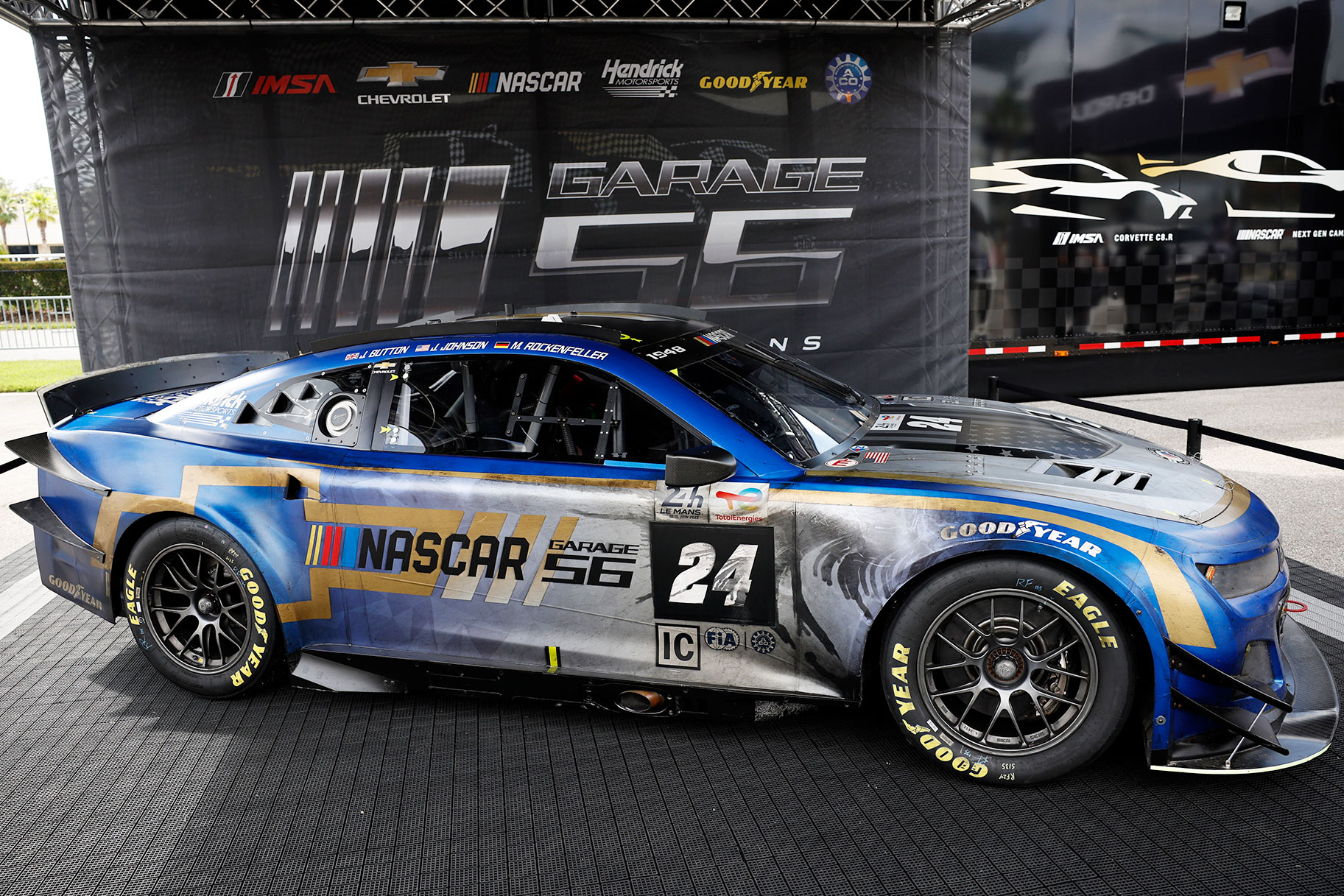
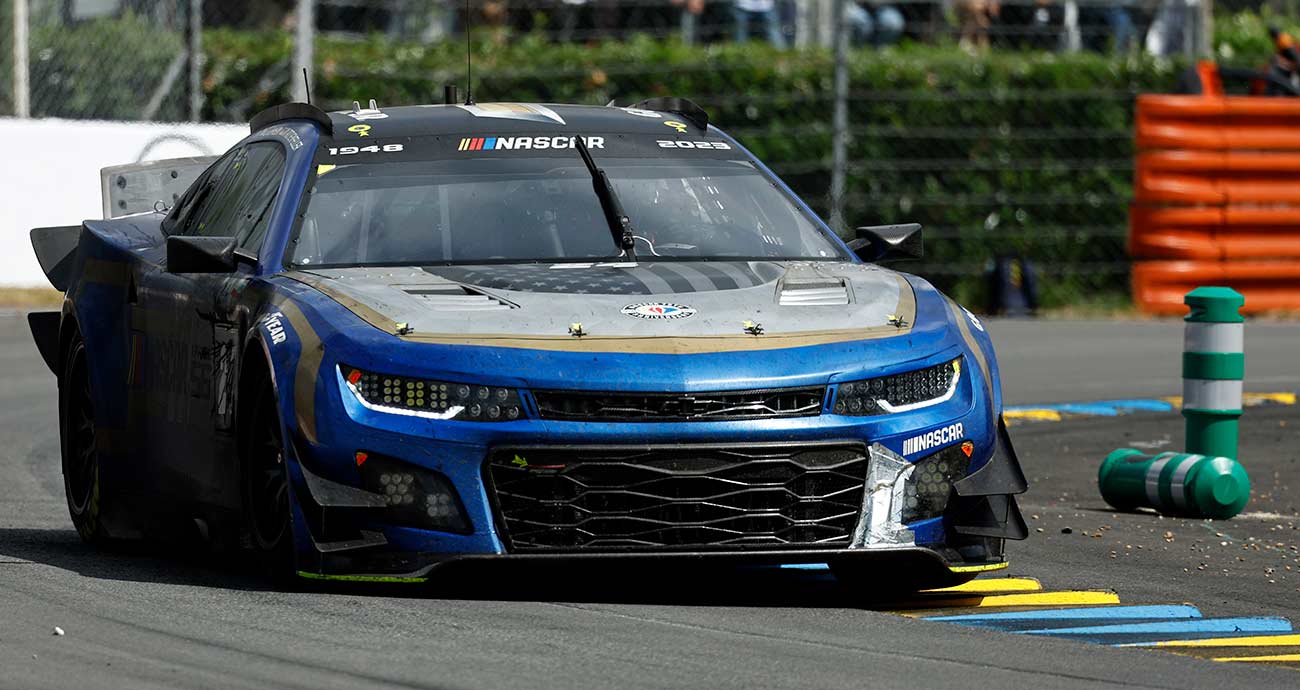
In 2023, NASCAR entered Garage 56 with a modified Chevrolet Camaro ZL1. This was a big step, as NASCAR cars are usually built for American oval tracks—not European endurance circuits.
Why Did Nascar Enter Le Mans?
Most people know NASCAR for its high-speed oval racing in the United States. The Le Mans event is a 24-hour test of speed, endurance, and teamwork. By entering this race, NASCAR wanted to:
- Showcase American engineering on a world stage.
- Promote innovation within NASCAR’s rules.
- Celebrate NASCAR’s 75th anniversary with something memorable.
This was only the second time a pure stock car joined Le Mans since 1976. The challenge was huge, but the reward was global attention.
How Garage 56 Was Different
NASCAR cars and Le Mans prototypes are very different. Let’s look at what made the Garage 56 Camaro unique.
| Feature | Garage 56 Camaro | Le Mans Prototypes (LMP2) |
|---|---|---|
| Body Style | Stock car coupe | Purpose-built prototype |
| Weight | Approx. 2,960 lbs (1,340 kg) | Approx. 2,050 lbs (930 kg) |
| Engine | 5.8L V8, 670 hp | 4.2L V8, 600 hp |
| Transmission | 6-speed sequential | 6-speed sequential |
| Top Speed | ~200 mph | ~205 mph |
| Fuel | Ethyl gasoline | Bioethanol |
Key differences:
- The Camaro was heavier and based on a production car.
- The LMP2 cars are lighter, with more advanced aerodynamics.
- The Garage 56 car used some NASCAR parts, but also many custom pieces for reliability and safety.
Building The Garage 56 Camaro
NASCAR partnered with Hendrick Motorsports, Chevrolet, and Goodyear to create the Garage 56 car. Here’s how they did it:
- Chassis: Started from the NASCAR Next Gen platform, but added changes for endurance racing.
- Aerodynamics: Fitted a new front splitter, rear wing, and underbody to improve grip on road courses.
- Brakes: Upgraded to larger, more durable brakes for longer stints.
- Lighting: Added powerful LED lights for night racing at Le Mans.
- Driver Comfort: Improved seat, cooling, and ventilation to help drivers last longer.
Non-obvious insight: Many parts, like the transmission and rear suspension, were reinforced for 24-hour durability—something not needed in most NASCAR races.
Credit: www.usanetwork.com
Testing And Preparation
Before heading to France, the Garage 56 team ran thousands of miles in testing. They faced problems like:
- Brake overheating
- Tire wear on rough circuits
- Cooling issues in long stints
They fixed these with:
- Better brake ducts
- Special Goodyear tires for European tracks
- Extra oil coolers
Example: During a long test at Sebring, the car ran over 20 hours non-stop. This helped engineers find weak spots before the real race.
The Garage 56 Team
A project this big needed a strong team:
- Hendrick Motorsports: Led the build and race operations.
- Chevrolet: Supplied the Camaro body and engine parts.
- Goodyear: Designed custom tires.
- Drivers: Jenson Button (F1 Champion), Jimmie Johnson (7-time NASCAR Champion), and Mike Rockenfeller (Le Mans winner).
Non-obvious insight: Having top drivers from different backgrounds made it easier to compare the car’s behavior to other race machines.
The 2023 Le Mans Race: What Happened?
When the green flag dropped, the Garage 56 Camaro surprised many fans and experts. Here’s a breakdown:
- Starting position: 39th on the grid (out of 62 cars)
- Early pace: Faster than expected, sometimes ahead of LMGTE-Am class cars
- Crowd reaction: The deep V8 sound and bright livery made it a fan favorite
Performance highlights:
- The car led the Garage 56 class—because it was the only entry.
- It ran more than 2,900 miles during the 24 hours.
- The team finished the race, despite a late gearbox problem.
Result: The Camaro was not scored in the official class results, but it completed 285 laps. That’s more than some LMGTE-Am teams.
Impact On Nascar And Motorsports
Garage 56 was more than just a one-time show. Its success could change how people see NASCAR and influence future racing.
Possible impacts:
- New fans: Many European fans saw a NASCAR car for the first time.
- Tech transfer: Lessons from Le Mans may improve NASCAR safety and reliability.
- Future Garage 56 entries: Other series may bring their own wild ideas to Le Mans.
Example: After Le Mans, some drivers and teams asked NASCAR to consider adding more road courses or longer races, using technology from the Garage 56 project.
Comparing Garage 56 To Past Special Entries
Over the years, Le Mans has hosted several experimental cars. How did Garage 56 compare?
| Year | Car | Type | Result |
|---|---|---|---|
| 2012 | Nissan DeltaWing | Ultra-light, narrow chassis | Retired after crash |
| 2014 | Nissan ZEOD RC | Hybrid electric | Retired, gearbox issue |
| 2023 | Garage 56 Camaro | Modified stock car | Finished, 285 laps |
Key takeaway: The Garage 56 Camaro was one of the few Garage 56 cars to finish the race, showing strong reliability.
Lessons Learned
The Garage 56 project taught engineers and fans several important lessons:
- Stock cars can adapt: With the right changes, NASCAR vehicles can race outside their comfort zone.
- Endurance is hard: Even the best teams face unknowns in a 24-hour race.
- Innovation needs teamwork: Success came from sharing ideas across NASCAR, F1, and Le Mans experts.
Practical advice: If you’re a beginner, notice how every part of the car was tested, improved, and double-checked—this process is key in any big project.
Practical Data And Insights
For those who like numbers, here are some Garage 56 statistics:
- Top speed at Le Mans: About 190 mph (305 km/h)
- Lap times: Fastest lap around 3:50, close to LMGTE-Am class
- Pit stops: Over 30, including driver changes and refueling
- Fuel use: About 90 liters (24 gallons) every hour
Tip: Comparing fuel use and lap times with other classes helps engineers see where to save time and energy.
What Beginners Often Miss
- Not all cars at Le Mans race for victory. Some, like Garage 56, are there to test new ideas.
- Endurance racing is about survival. Fast laps matter, but finishing is the real challenge.
- Teamwork is critical. Engineers, drivers, and pit crews must communicate well and solve problems quickly.
Credit: www.nascar.com
The Future Of Garage 56
After 2023, many fans asked, “Will NASCAR return to Le Mans?” The answer is not clear yet, but the project opened doors for:
- More hybrid or electric NASCAR projects.
- Sharing technology between American and European racing.
- New partnerships with tire and car makers.
Example: If Le Mans adds a hydrogen class, Garage 56 might one day run a hydrogen-powered stock car.
Where To Learn More
If you want deep technical details or race reports, check the official race website or news sources like Wikipedia.

Credit: www.caranddriver.com
Frequently Asked Questions
What Is The Purpose Of Garage 56 At Le Mans?
Garage 56 allows teams to enter experimental cars that do not fit normal racing categories. The goal is to test new technology and ideas in a real race environment.
Did The Garage 56 Nascar Car Win Its Class?
No, the Garage 56 Camaro did not compete for class victory. It was the only car in its group, running as a demonstration entry.
Who Drove The Garage 56 Camaro At Le Mans?
The driving team included Jenson Button, Jimmie Johnson, and Mike Rockenfeller—all champions from different racing backgrounds.
How Did The Garage 56 Camaro Perform Compared To Other Cars?
It was faster than some LMGTE-Am cars and finished the race, which is a big achievement for a stock car at Le Mans.
Will Nascar Do Another Garage 56 Project?
There is no official plan yet, but the success of 2023 makes future projects possible. NASCAR may try new technologies or even return to Le Mans with a different car.
The story of Nascar Garage 56 is one of ambition, teamwork, and breaking barriers. For beginners and seasoned fans alike, it proves that racing is about more than speed—it’s about daring to try something new.