
How Cold Is Too Cold For Cats In Garage
Many cat owners wonder if their garage is safe for their furry friend during cold months. Garages can offer shelter, but the temperature inside can drop quickly, especially at night or during winter. If you’re worried about your cat’s comfort and health, it’s important to know how cold is too cold for cats in a garage, what risks exist, and how you can keep your pet safe.
How Cold Is Too Cold For Cats?
Cats are more sensitive to cold than most people think. While they have fur for some protection, they can still get cold easily, especially in unheated spaces like garages.
- Safe temperature range: Most cats are comfortable in temperatures above 50°F (10°C).
- Too cold: When the temperature falls below 45°F (7°C), many cats start to feel uncomfortable and may be at risk of health problems.
- Danger zone: Temperatures below 32°F (0°C) are dangerous. At this point, cats can develop hypothermia or frostbite, especially if they are exposed for hours.
Kittens, senior cats, and sick cats are even more sensitive. They need warmer conditions compared to healthy adult cats.
Why Are Garages A Problem?
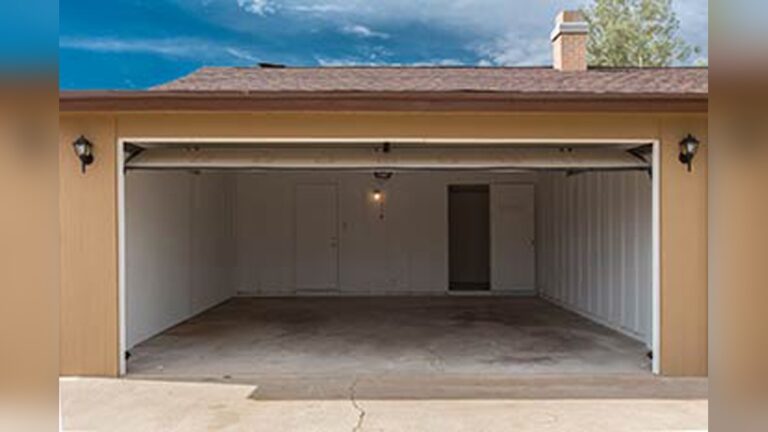
Garages are not built for warmth. Even if they feel cozy during the day, they can become much colder at night. Concrete floors, poor insulation, and drafts can make things worse. Some people think their cat will find a warm spot, but in reality, the whole space can become too cold for comfort.
How Cats React To Cold Temperatures
Cats show signs when they are too cold. Knowing these signs can help you protect your pet before it becomes an emergency.
Common signs your cat is too cold:
- Shivering
- Curling up tightly
- Tucking paws and tail under their body
- Slow movements
- Seeking out warm spots
- Meowing more than usual
If you see these signs, your cat may already be uncomfortable. If you notice your cat is lethargic, has pale gums, or seems confused, get them to a warmer place immediately.
Health Risks Of Cold Garages
Cold garages can be risky, especially in the winter. Here’s what can happen:
Hypothermia
- What is it? Hypothermia means your cat’s body temperature drops too low.
- Symptoms: Shivering, weakness, slow heartbeat, shallow breathing.
- Why it’s dangerous: Can lead to organ failure and death if not treated quickly.
Frostbite
- What is it? Frostbite happens when skin and tissue freeze, often on ears, tail, or paws.
- Symptoms: Pale or blue skin, swelling, pain when touched.
- Why it’s dangerous: Can cause tissue damage and infection.
Respiratory Illness
- Cold, damp garages can lead to upper respiratory infections. This is especially true for young or old cats.
Important: Even if your cat survives cold nights, repeated exposure to low temperatures can cause long-term health issues.
How To Tell If Your Garage Is Too Cold
It’s not enough to guess the temperature. Use a thermometer to check how cold your garage gets, especially overnight.
Here’s a simple comparison of temperature levels and cat safety:
| Garage Temperature | Cat Comfort | Risk Level |
|---|---|---|
| Above 50°F (10°C) | Comfortable | Low |
| 45–50°F (7–10°C) | Mild Discomfort | Moderate (for kittens/elderly) |
| 32–45°F (0–7°C) | Too Cold | High |
| Below 32°F (0°C) | Dangerous | Severe |
Tip: Use a digital indoor-outdoor thermometer for real-time readings.
Factors That Influence A Cat’s Cold Tolerance
Not all cats are the same. Several factors affect how your cat handles cold:
- Age: Kittens and senior cats get cold faster.
- Breed: Long-haired breeds (like Maine Coons) tolerate cold better than short-haired breeds.
- Health: Sick or thin cats have less protection.
- Body condition: Overweight cats might handle cold a bit better, but this is not healthy overall.
If your cat is small, old, or has health problems, avoid letting them stay in the garage during cold weather.
What To Do If Your Cat Must Stay In The Garage
Sometimes, keeping your cat in the garage is necessary (for example, if you have allergies in the house or a new baby). In these cases, you should make the space as safe and warm as possible.
How To Make A Garage Warmer For Cats
- Insulate the Space
- Seal cracks and block drafts.
- Use weather stripping on doors.
- Provide a Heated Bed
- Use cat-safe heated beds or pads.
- Never use human heating pads (they can get too hot).
- Offer Warm Bedding
- Use thick blankets or straw (straw stays dry and warm).
- Avoid towels, as they can get damp.
- Create a Shelter
- Place a box or pet house in the garage.
- Line it with insulation and put it in a corner away from cold walls.
- Raise Sleeping Area Off the Floor
- Place beds on a shelf or board to keep your cat off the cold concrete.
- Check Temperature Regularly
- Monitor with a thermometer, especially at night.
Example: Setting Up A Safe Cat Space
Suppose your garage drops to 38°F (3°C) at night. You could:
- Set up a plastic storage bin with a small entrance hole.
- Fill it with straw and place a self-warming cat pad inside.
- Put the bin on a wooden pallet to lift it off the floor.
- Add a thermometer inside the bin to check warmth.
This setup can help your cat stay up to 15°F warmer inside the shelter than outside.
What Not To Do: Common Mistakes
Many owners make mistakes when trying to keep their cats warm in the garage. Avoid these:
- Using space heaters unattended. These can cause fires.
- Relying on car heat. Never leave a car running in the garage. This is dangerous because of carbon monoxide.
- Providing only blankets. Blankets can get damp and lose warmth.
- Assuming fur is enough. Cats’ fur helps, but not in freezing temperatures.
Comparing Cat Cold Tolerance To Dogs And Humans
Some people think cats are as tough as dogs, but that’s not true. Here’s a quick comparison:
| Species | Comfortable Cold Limit | Notes |
|---|---|---|
| Cat | 45–50°F (7–10°C) | Short-haired cats get cold faster |
| Dog | 40–45°F (4–7°C) | Many breeds tolerate cold better |
| Human | 60–65°F (15–18°C) | Need clothing for lower temps |
Cats are not as cold-hardy as people think, especially compared to some dog breeds.
How Long Can A Cat Stay In A Cold Garage?
- Above 50°F (10°C): Most cats can stay indefinitely with food, water, and a litter box.
- 45–50°F (7–10°C): Healthy adults can stay overnight, but check for discomfort.
- 32–45°F (0–7°C): Limit to a few hours. Kittens, seniors, and sick cats should not stay.
- Below 32°F (0°C): Do not allow your cat to stay. Bring them inside or provide a heated shelter.
Key insight: Even if your cat seems fine, cold stress can build up over time, making them more vulnerable to illness.
Practical Tips For Garage Cat Safety
- Feed extra calories in cold weather. Cats burn more energy staying warm.
- Provide fresh water in a heated bowl to prevent freezing.
- Check on your cat morning and night.
- Keep the litter box away from food and water, and make sure it’s not in a draft.
If possible, bring your cat into a warmer room at night, even if just a bathroom or laundry area.

Credit: www.chewy.com
Real-world Example: Winter In Chicago
Let’s say you live in Chicago, where winter nights can drop to 10°F (-12°C). Your garage, even if attached, may only be 30°F (-1°C) inside by dawn. In these conditions:
- A cat in a box with straw can survive but may suffer.
- Hypothermia and frostbite are real risks after a few hours.
- Without a heated shelter, your garage is not safe for cats.
In this case, the garage alone is not enough. You must add a heated, insulated shelter for your cat to be safe.
When To Bring Your Cat Inside
If you notice any of these, bring your cat inside immediately:
- Shivering or shaking
- Stiff movements
- Weakness or confusion
- Ice or snow on fur
- Wet fur (damp cats lose heat much faster)
Don’t wait for emergencies. It’s better to be safe than sorry.
Credit: ladynpet.com
What About Feral Or Stray Cats?
Feral cats often use garages as shelter. While they are more used to the outdoors, they still need protection from extreme cold.
- Build outdoor shelters with straw and a small entrance.
- Offer food and water daily.
- Never let feral cats get trapped in garages with cars (they can hide under the hood).
For more on caring for outdoor cats in winter, visit the Alley Cat Allies website.
Frequently Asked Questions
What Temperature Is Too Cold For Cats In A Garage?
Anything below 45°F (7°C) is too cold for most cats. If it drops near freezing (32°F or 0°C), cats are at risk for hypothermia or frostbite. Always check the temperature with a thermometer, not just how it feels to you.
Can I Use A Space Heater To Warm The Garage For My Cat?
You can use a space heater if you are present, but never leave it on unattended. Space heaters can cause fires or injuries. Instead, use cat-safe heated beds or insulated shelters.
Are Heated Cat Beds Safe In The Garage?
Yes, heated cat beds designed for pets are safe. They are made to keep a low, steady temperature and are safe for long-term use. Never use a human electric blanket or pad, as these can overheat or shock your cat.
How Do I Know If My Cat Is Getting Too Cold In The Garage?
Watch for signs like shivering, curling up, moving slowly, and seeking warmth. If your cat seems sleepy or weak, or if their ears and paws feel very cold, bring them inside right away.
Do All Cats Handle Cold The Same Way?
No. Kittens, older cats, sick cats, and short-haired breeds get cold much faster than healthy adult cats with thick fur. Adjust your garage setup based on your cat’s age, health, and breed.
Keeping your cat safe in a garage during cold weather is about more than just shelter. It’s about understanding how cold is too cold and knowing the steps you can take to protect your pet. With smart choices and simple changes, you can make your garage a safe place for your cat—even when the temperature drops.
Credit: weretwins.bandcamp.com