
A dented garage door can be a frustrating sight. It makes your home look less attractive and may even affect how the door opens and closes. Many homeowners believe fixing a dent requires professional help or expensive tools. But in reality, you can repair most dents yourself with simple materials and careful steps.
This guide will show you how to fix a dented garage door, even if you are a beginner. You will learn the right tools, step-by-step instructions, and practical tips to avoid common mistakes.
Why Garage Doors Get Dented
Garage doors often get dents from daily use, accidents, or weather. Understanding why dents happen can help you prevent them in the future.
- Accidental bumps: Cars, bikes, or lawn equipment can hit the door.
- Weather impact: Hail, strong winds, or flying debris can cause dents.
- Kids’ play: Balls or toys can hit the door and leave marks.
- Weak materials: Older doors made from thin metal are more likely to dent.
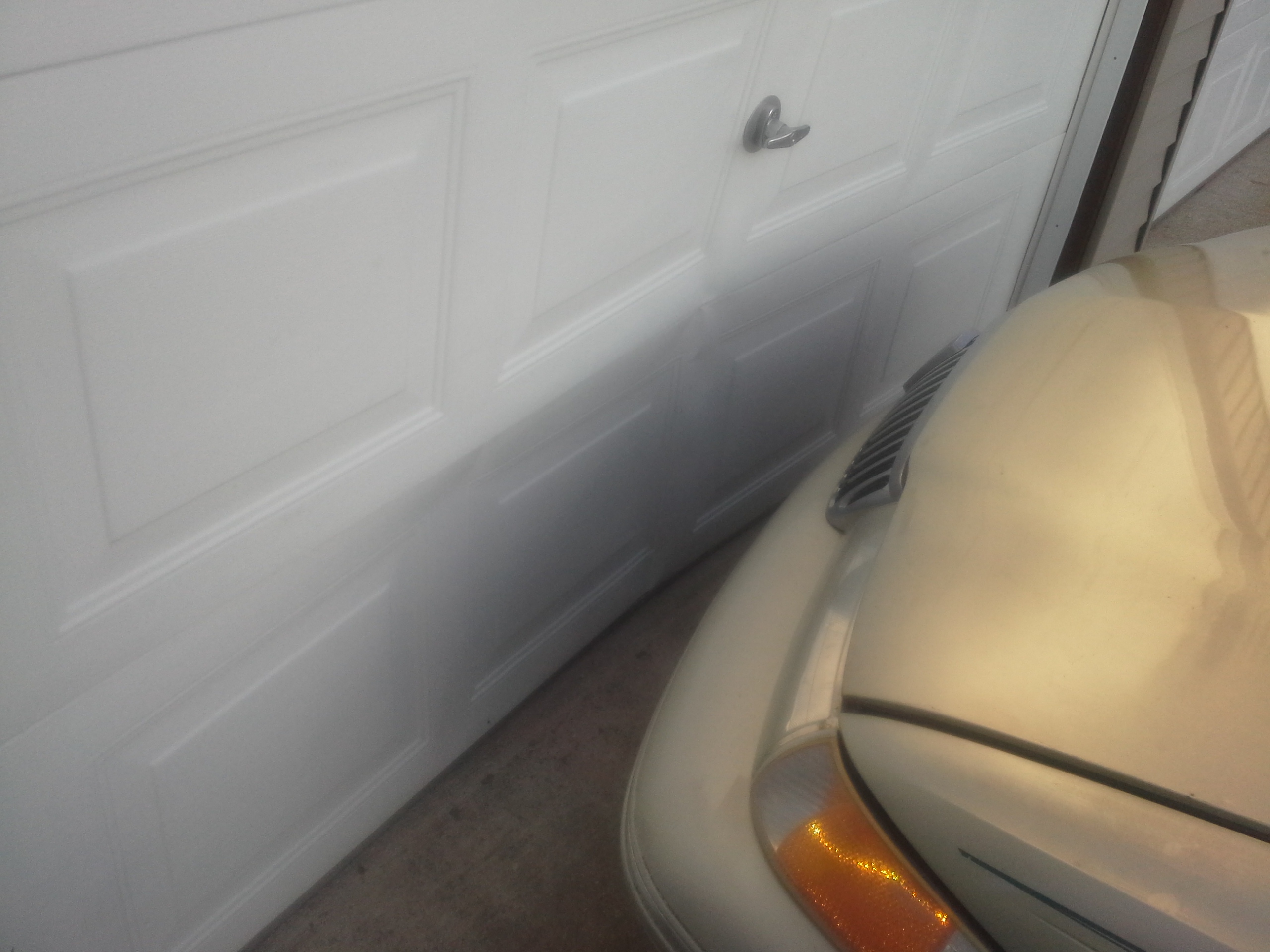
Most dents are cosmetic, but some can affect the door’s movement. If the dent is large or deep, it can block the tracks or damage the panels.
Types Of Garage Door Dents
Before fixing a dent, it’s important to know what type you have. Garage doors are made from different materials, and each responds differently to dents.
| Door Material | Typical Dent Depth | Difficulty to Fix |
|---|---|---|
| Aluminum | Shallow to medium | Easy |
| Steel | Medium to deep | Moderate |
| Wood | Rare, usually cracks | Hard |
| Fiberglass | Mostly surface dents | Easy |
Aluminum and fiberglass doors are easier to repair. Steel doors need more force and care. Wood doors do not dent easily, but they can crack or break.
Credit: www.sacsgarage.com
What You Need Before Starting
You do not need expensive tools to fix a dented garage door. Most supplies are easy to find at home or at a local hardware store.
- Rubber mallet or small hammer
- Wood block
- Aluminum foil
- Compressed air (from a can)
- Heat source (hair dryer or heat gun)
- Clean cloth
- Mild detergent
- Auto body filler (for deep dents)
- Paint (matching your door color)
- Sandpaper
Some dents can be fixed with only a mallet and a block of wood. Deeper dents may need filler and paint.
Step-by-step Guide To Fixing A Dented Garage Door
Let’s break down the process for different types of dents and materials.
1. For Small And Shallow Dents (aluminum/fiberglass)
This method is called the heat and cold technique. It uses temperature changes to pop out the dent.
- Clean the dented area with a cloth and mild detergent.
- Dry the area completely.
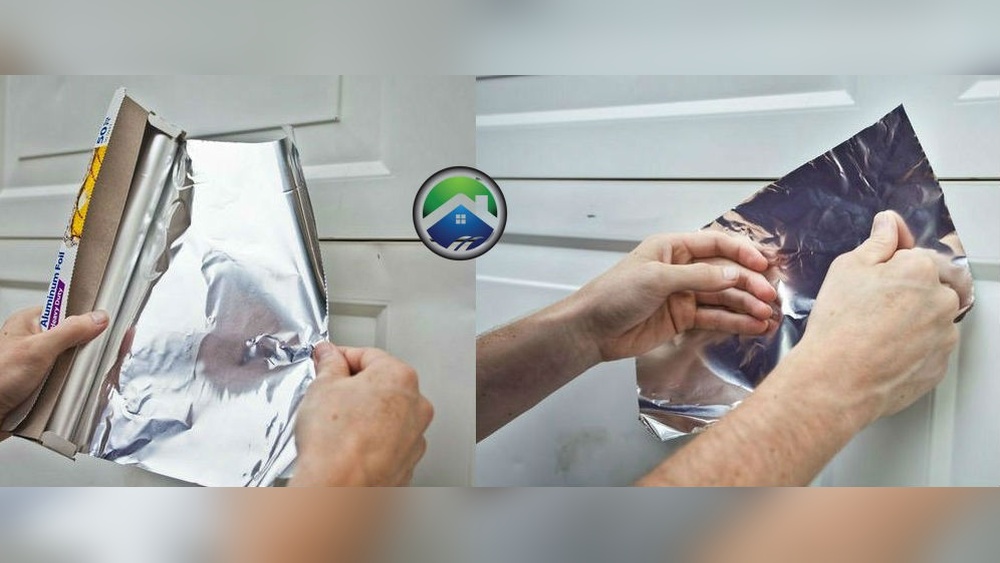
- Place a sheet of aluminum foil over the dent.
- Heat the foil-covered dent with a hair dryer for about 1-2 minutes.
- Remove the foil quickly.
- Spray compressed air on the dent for about 30 seconds.
- The sudden cold will cause the dent to pop out.
Tip: This works best on aluminum and fiberglass doors. Do not use a heat gun for too long, as it can damage paint.
2. For Medium Dents (steel Doors)
Steel doors are tougher, so you need a bit more force.
- Clean the dented area and let it dry.
- Place a wood block against the inside of the dent (if you can reach it).
- Use a rubber mallet to gently tap the dent from the inside.
- Check the front side often to see progress.
If you cannot reach the back of the dent:
- Try the heat and cold method as above.
- If it does not work, move to the filler method.
3. For Deep Dents (any Material)
Deep dents can make the door uneven. Here, you will use filler.
- Clean and dry the area.
- Sand the dent and surrounding area to remove paint and rough edges.
- Mix auto body filler as per instructions.
- Apply filler to the dent with a putty knife.
- Let the filler dry (usually 20-30 minutes).
- Sand the area until smooth and flush with the door.
- Paint over the repair area with matching paint.
Tip: Always wear gloves and work in a well-ventilated area when handling fillers.
4. For Cracked Or Broken Wood
Wood doors do not dent, but they can crack.
- Clean the crack with a dry cloth.
- Fill the crack with wood filler.
- Let it dry as per instructions.
- Sand the area smooth.
- Paint or stain to match the rest of the door.
5. Checking Door Movement
After repairs, open and close the door several times.
- Make sure the door moves smoothly.
- Look for any signs of resistance or noise.
- If the door struggles, check the tracks and hinges.

Credit: www.youtube.com
Common Mistakes To Avoid
Many beginners make errors that can cause more damage or waste time. Here are mistakes to watch out for:
- Using too much force: Hitting too hard can bend the door further.
- Wrong filler type: Not all fillers work on metal or wood.
- Skipping cleaning: Dirt and grease stop repairs from sticking.
- Ignoring paint match: Poor paint work makes repairs more visible.
- Not checking movement: Repairs can block tracks if not checked.
Fixing these mistakes early will save you time and money.
When To Call A Professional
Some dents are too big or in tricky places. If you notice these signs, it’s better to call an expert:
- The dent covers several panels.
- The door won’t open or close.
- The repair area has rust or corrosion.
- The dent is near hinges or tracks.
Professional repairs can cost between $150–$400, depending on size and material. If the door is very old, consider replacing it.
Cost Comparison: Diy Vs Professional Repair
Many homeowners wonder whether fixing a garage door dent themselves is worth it. Let’s see a cost comparison.
| Repair Type | DIY Cost (Approx) | Professional Cost (Approx) |
|---|---|---|
| Small Dent | $20–$40 | $150–$200 |
| Medium Dent | $30–$60 | $200–$300 |
| Deep Dent | $50–$100 | $300–$400 |
| Panel Replacement | $100–$200 | $400–$800 |
DIY repairs are much cheaper, especially for small dents. But if you make a mistake, you may need to pay more for professional help.
Practical Tips And Non-obvious Insights
Most guides stop at basic steps, but here are extra tips beginners often miss:
- Check for hidden damage: Even small dents can hide cracks or rust underneath.
- Test the door’s balance: After repair, disconnect the opener and manually lift the door. It should move smoothly and stay in place when half-open.
- Use matching paint codes: Garage doors often use specific paint codes. Check the label inside the door or ask the manufacturer.
- Protect the area: Place a blanket or cardboard below the repair spot to catch dust and drips.
- Record the repair: Take before and after photos. This is helpful for insurance or warranty claims.
Preventing Future Dents
You can reduce the risk of garage door dents with simple habits.
- Park your car carefully and keep bikes away from the door.
- Teach children not to play near the garage.
- Install bumpers or guards on the inside of the garage.
- Regularly inspect the door for signs of wear.
- Trim trees or bushes to avoid falling branches.
Prevention is always easier than repair.
Real-life Example
A homeowner in Ohio fixed a dent caused by a baseball. The dent was about 3 inches wide on an aluminum door. He used the heat and cold method:
- Cleaned the area.
- Heated with a hair dryer.
- Sprayed compressed air.
- The dent popped out almost completely.
- He touched up with paint, and the repair was invisible.
This simple fix cost less than $15 and took only 30 minutes.

Credit: spectrumoverheaddoor.com
Frequently Asked Questions
How Do I Know If A Dent Is Too Deep To Fix Myself?
If the dent covers more than half a panel or has cracks, rust, or affects door movement, professional repair is best. For small dents, you can usually fix them yourself.
Can I Use A Plunger To Fix A Dented Garage Door?
A plunger works for car dents, but garage doors are larger and flatter. The suction may not be strong enough. Use heat and cold or a mallet for better results.
Will Fixing A Dent Affect My Garage Door’s Warranty?
DIY repairs may void the warranty if you use the wrong materials or damage the door. Check your warranty policy before starting. Manufacturers often list approved repair methods.
How Long Does It Take To Fix A Dented Garage Door?
Small dents can be fixed in 20–40 minutes. Deep dents with filler and paint may take a few hours, including drying time. Always let the paint dry fully before using the door.
Is It Possible To Stop Garage Door Dents Completely?
You can reduce dents by being careful and adding guards, but you cannot stop them entirely. Weather and accidents happen. Regular inspection helps catch dents early.
Fixing a dented garage door does not need to be stressful or costly. With the right approach, you can make your door look good and work smoothly again. If you need more detailed information on garage door materials and maintenance, visit Wikipedia for additional insights.
Taking action quickly prevents further damage and saves money. Whether you fix the dent yourself or call a professional, your garage door can be restored to its best shape.