
TL;DR
- The guide compares belt, chain, jackshaft, screw drive, direct drive, and smart Wi‑Fi garage door openers, focusing on noise, space needs, maintenance, and suitability for different door types.
- Key decision factors include door weight, ceiling space, adjacent living areas, and desired smart features or battery backup.
- Practical guidance is provided via flowcharts/checklists, quick specs, and maintenance reminders to help users choose and maintain the right opener.
- Smart options add remote access and security features but require reliable power/network and may need professional installation for certain models.
Introduction to Garage Door Opener Types
Your daily use of the garage hinges on the opener you choose. This guide highlights the main opener types, how they perform in real homes, and where they fit best. Expect quieter installs, space-saving designs, and practical steps you can take when shopping, upgrading, or maintaining your system.
We’ll outline four common categories and present a practical flow to help you decide based on door type, budget, and living space. You’ll also find straightforward maintenance reminders to keep your opener reliable year after year.
Visual idea: a simple diagram showing the four main opener types with arrows to pros and cons for quick reference.
What are the main types of openers?
Here are the four common categories homeowners encounter, with concise pros and cons, typical use cases, and a practical tip for each. For more details on the various types of openers, continue reading.
Key specs at a glance
- Power and drive type: belt, chain, jackshaft, or screw drive. Belt drives offer quiet, smooth operation; chain drives deliver strong lifting for heavier doors, though they can transmit more vibration.
- Noise level: consider homes with living spaces nearby. Target models in the 40, 60 dB range and add vibration isolation if needed.
- Safety features: auto-reverse sensors and battery backup options. Verify the sensor coverage across the full doorway and test regularly to prevent pinch hazards.
- Smart features: Wi‑Fi enabled control apps and remote access. Look for mobile alerts, timer closures, and compatibility with secure, offline control when networks are down.
Practical decision flow to choose your opener
Use this concise flow to help you pick the right opener based on your space and needs.
- Living spaces adjacent to the garage? Prioritize belt drive or jackshaft for quiet, low vibration near bedrooms or living areas.
- Overhead space is limited or cluttered? Favor jackshaft or a wall mounted solution to keep the ceiling clear.
- Door weight and usage frequency? Heavy doors with high cycles benefit from a robust drive such as chain drive, while lighter doors can favor belt or screw drive for efficiency.
- Smart features and remote access matter? Choose a Wi Fi enabled model with app control and ensure battery backup to stay functional during outages.
- Budget and install readiness? Direct drive options are dependable but less common and typically pricier; plan for professional installation to ensure proper balance and safety.
Maintenance and safety reminders
Regular maintenance keeps your garage opener performing reliably. After heavy use or temperature changes, inspect tracks for alignment and the door for smooth manual movement. If you hear grinding or notice uneven height, schedule a professional check.
Lubricate moving parts with a silicone-based or manufacturer-approved lubricant, and wipe away any excess to prevent dust buildup. Test the auto-reverse feature monthly by placing a small object under the door and ensuring it reverses promptly; note any delay beyond a second or two.
Follow safety rules: disconnect power before servicing, keep hands clear of moving parts, and use the remote control only as designed. Consider a battery backup to maintain operation during outages, and verify it powers the opener in real scenarios such as storms. Garage Secret recommends periodic professional inspections to catch hidden wear early.
Quick comparison: key specs
- Power and drive type: belt, chain, jackshaft, or screw drive. Belt drives suit quiet spaces, chain drives handle heavy doors, jackshaft and screw drive offer balanced performance with space or maintenance considerations.
Tip: For homes with living areas near the garage, prioritize quieter options like belt drive or jackshaft to reduce sound transmission.
- Noise level: belt drive remains the quietest option; jackshaft minimizes vibration; chain drives are louder, and screw drives typically fall in between. Regular tension and lubrication help maintain noise levels over time.
- Safety features and backup: auto-reverse sensors protect against obstacles; battery backups enable operation during outages; app control adds convenience but verify the network is reliable to avoid delays.
Decision flowchart or checklist
To choose confidently, use this practical flow as a quick reference during your shop visit or review.
- Room adjacency: If living spaces sit near the garage, favor belt drive or jackshaft to minimize noise and vibration.
- Ceiling and space constraints: When overhead space is limited, prioritize wall mounted or jackshaft options to keep the ceiling clear.
- Door weight and duty cycle: Heavier doors with frequent use benefit from torque and reliability, match horsepower and drive style accordingly, then verify availability of service after installation.
- Smart features and outages: If remote access or battery backup matters, look for Wi-Fi enabled models with tested backup performance and straightforward app control.
- Installation realities and budget: Discuss with a local installer about mounting requirements, wall reinforcement if needed, and expected lead times to avoid delays.
Common questions and quick answers
Which opener is the quietest? Belt drive and jackshaft designs provide the smoothest operation, especially with well-engineered gears, solid housings, and proper track alignment. In spaces where sound carries, ensure vibration dampers and correct mounting to minimize transmission.
Do I need a battery backup? A battery backup allows you to operate the door during a power outage, so you can retrieve a vehicle or power a security camera. Look for kits that use reliable lithium-ion cells and offer a practical way to maintain control during outages.
How long do openers last? With regular lubrication, track cleaning, and sensor checks, many units reach 12, 15 years. Choose a model with a steel chassis and reinforced components, and plan a mid-life inspection to catch wear early.
Conclusion and next steps
Choosing the right garage door opener comes down to door weight, mounting space, and how quiet you need operation to be. Start by confirming ceiling height and track layout, then compare typical noise profiles for each drive type. Belt drives excel for rooms adjacent to the garage, while chain drives handle heavier doors with more noise.
Actionable steps to take now: map your ceiling space, confirm motor horsepower matches door weight, and decide if you need wall controls or smart features. For a typical 7-foot door, a 1/2 horsepower belt drive with soft start offers reliable, smooth operation.
Avoid common traps like overestimating future door changes, neglecting battery backup for outages, or mismatching springs and counterbalance. Share your door weight, ceiling height, and feature preferences and we’ll tailor a concrete recommendation and budget range.
Visual idea: side-by-side infographic comparing belt drive, chain drive, jackshaft, and screw drive with quick pros and cons.
Related Video
Introduction
Purpose of the guide
This guide clarifies garage door opener types with concrete examples. You’ll hear how belt, chain, and screw drives operate in real garages, including how they perform in winter and humid conditions. Use practical checks to compare options and avoid paying for features you won’t use.
Who this is for
Homeowners upgrading or building new garages will gain actionable insights. If you need to quantify noise on a shared wall or estimate maintenance intervals, this is for you. Expect clear steps you can implement right away, not vague promises.
Visual suggestion
Consider a labeled diagram showing opener motor types, belt versus chain attachments, and the rail path alongside a sectional door. A quick callout links each part to maintenance tasks and common failure points.
Related Video
Belt Drive Openers
How belt drive works
A belt drive opener uses a steel reinforced belt to lift the door along a track. The belt is connected to a motor that turns a pulley, translating motion into smooth vertical movement. This design minimizes metal-on-metal contact and reduces vibration.
Best use cases
- Homes with attached garages where noise travels into living spaces
- Owners who want low maintenance with fewer moving parts
- Midweight to heavy doors that still value quiet operation
Pros and considerations
- Pros:
- Quiet operation compared with chain drives
- Smooth starts and stops with steady lifting power
- Lower vibrations mean less wear on the door frame
- Considerations:
- Belt materials can wear over time and may need replacement
- Typically higher upfront cost than chain drives
- Lift speed is usually modest, not the fastest option
- Check belt tension regularly and replace at signs of fraying
Chain Drive Openers
How chain drive works
A chain drive opener uses a metal chain to move a trolley along the track, which raises or lowers the door. It is robust and reliable, with a straightforward design that many installers trust for heavy use. For a real world example, think of a multi-car garage where doors see daily cycling during workdays.
Best use cases
- Heavy or frequently used doors where maximum lifting force is needed
- Garages with wide or tall doors that see regular daily use
- Applications where budget-friendly maintenance is valued
- Workshops or commercial setups where downtime must be minimized
Pros and considerations
- Pros:
- Excellent durability and strong lifting capability
- Broad availability and proven service track record
- Typically lower upfront cost than some specialty drives
- Considerations:
- Notably louder than belt drive or jackshaft options
- More moving parts can translate to more maintenance
- Wear over time can affect performance in busy households
Jackshaft Openers
How jackshaft works
A jackshaft opener is wall mounted and uses a motor positioned beside the door, driving a torsion shaft to operate the door. This design keeps the ceiling clear for storage and reduces the load transmitted to overhead tracks, resulting in minimal vibration near the door.
Best use cases
- Garages with limited overhead space or tall storage
- Detached garages where noise transmission to living areas matters
- Heavily insulated or heavy doors where quiet, reliable torque is beneficial
Pros and considerations
- Pros:
- Space saving and near silent operation
- Strong torque suitable for heavy doors
- Ceiling remains available for lighting or shelving
- Considerations:
- Higher installation cost and more complex setup
- Fewer service providers compared with belt or chain drives
- Requires precise mounting to ensure proper interaction with torsion hardware
Screw Drive Openers
How screw drive works
A screw drive uses a threaded metal rod to move a trolley. The motor turns the screw, and the trolley climbs or descends the door along the track, delivering a balance of speed and reliability.
Best use cases
- Homes that need fast operation and reliable performance
- Garages where low maintenance is a priority
- Spaces where minimal lubrication is preferred, since some models require less upkeep
Pros and considerations
- Pros:
- Fast operation with straightforward maintenance
- Reliable performance in many environments
- Fewer moving parts than some other drive types
- Considerations:
- Can be louder than belt drive options
- Lubrication needs can vary by model and climate
- Quality of lubrication affects long-term performance
Practical tips and caveats
Choose a model with a stainless steel screw for humid garages to resist corrosion. Regularly check the drive nut and apply a thin lubricant to the threaded rod every 6 months in temperate climates. If you notice grinding noises, verify alignment and tighten mounting bolts to prevent uneven wear. Garage Secret recommends testing the door in both directions after any service to confirm smooth operation and safe stopping distances.
Direct Drive Openers
How direct drive works
Direct drive openers attach the motor directly to the door mechanism, eliminating belts, pulleys, and chains. This design reduces vibration points and minimizes slip, offering smoother operation. In practical terms, you may notice steadier starts and finishes with fewer moving parts to tune over time.
Best use cases
- Very quiet operation preferred in bedrooms or living spaces adjacent to the garage
- Garages with limited space and a desire for minimal components
- Homes seeking long term reliability with low maintenance
Pros and considerations
- Pros:
- Exceptional quietness and dependable performance
- Low maintenance due to fewer components
- Compact design with a straightforward layout
- Considerations:
- Higher upfront cost and less common than belt drives
- Professional installation is often required
- Plan for compatibility with existing door hardware and potential future upgrades
Smart and Wi-Fi Enabled Openers
How smart openers work
Smart or Wi-Fi enabled openers connect to your home network and offer app control, remote operation, and alerts. They can include video feeds and activity history, but rely on a stable power and network connection.
Best use cases
- Households that want remote control and notifications
- Owners who value integration with other smart devices
- Situations where you need battery backup and remote access features
Pros and considerations
- Pros:
- App based control and status updates
- Remote access for family members and guests
- Optional video feeds can boost security checks
- Considerations:
- Higher upfront cost and reliance on Wi-Fi
- Security practices to protect accounts and cameras
- Plan for backup power or manual override during outages
Quick specs comparison
Consider your setup first. If you park a classic car in a tight garage, opt for belt or direct drive to minimize vibrations and noise on startup.
- Power/torque: For frequent heavy lifts, belt drive offers strong starting torque; direct drive and jackshaft excel in smooth, low-noise operation on lighter tasks
- Noise level: For shared spaces, target models with belt drive or direct drive for near silent operation, and reserve chain drive for budget setups or occasional use
- Safety features: Prioritize auto-reverse, obstacle sensing, and battery backup; verify they function during power outages or low-voltage conditions
Decision flowchart and checklist
Use this quick flow to choose the right opener for your garage.
- Is your garage attached or above living space? If yes, prioritize quiet options like belt drive or direct drive to minimize sound transmission near living areas.
- Do you need space saving and wall mounting? Consider jackshaft. It frees ceiling space and works well in garages with limited headroom or obstacle-free walls.
- Is your door large or frequently used? Chain drive or screw drive may be best. Heavier doors benefit from reinforced torsion systems and robust drive compatibility for smoother cycles.
- Do you want smart features and remote access? Look for Wi-Fi enabled models with app control and security options that fit your network setup.
- Do you have a tight budget and no noise constraints? A basic chain drive can fit. Expect louder operation and plan for regular maintenance to sustain longevity.
Maintenance and safety reminders
Regular checks keep your opener performing reliably and safely.
- Follow manufacturer guidance for lubrication intervals and use a lightweight garage door lubricant on moving parts.
- Test auto-reverse at least monthly and after any repair to confirm a clear sensor path and unobstructed travel.
- Inspect tracks, rollers, and hinges for alignment issues, dents, or debris; remove obstructions and tighten hardware as needed.
- Replace worn weather seals and confirm the door balances correctly by stopping mid-descent and noting steady motion.
- Keep a small backup power source charged to maintain operation during outages.
Need targeted tips for your setup? Share your opener model and track layout in the comments.
Chain Drive Openers
How chain drive works
A chain drive opener uses a steel chain to pull the trolley along a track as the motor turns. The chain links transfer motion to lift or lower the door with a direct, sturdy pull. This design is robust and familiar to many homes.
Best use cases
- Heavy or frequently used sectional doors that require strong lifting power
- Budget-friendly setups that still prioritize durability
- Homes with detached garages or where noise inside the house is less of a concern
Pros and considerations
- Pros:
- Excellent lifting capability for heavy doors
- Relatively straightforward installation and service
- Longstanding track record for reliability
- Considerations:
- Notably louder than belt drive or jackshaft options
- More moving parts may need periodic tension adjustments
- Higher maintenance needs in dusty or dirty environments
Quick specs snapshot
| Characteristic | Chain Drive |
|---|---|
| Power | Typically 1/2 HP to 1 HP |
| Noise level | Moderate to high |
| Safety features | Guarded chain and motion sensors |
One actionable tip
Ensure proper chain tension during installation and after major seasonal changes to maintain smooth, safe operation.
Practical specifics
When diagnosing a chain drive that jerks at start, check the chain for stiff links and inspect the track for misalignment. Lubricate the chain with a manufacturer recommended grease, and replace worn sprockets to prevent jumpy movement. If you use Garage Secret recommended components, pair the chain drive with a steel reinforced trolley for added stability in variable climates.
Jackshaft Wall Mount Openers
How jackshaft opens the door
Jackshaft openers are mounted on the wall beside the door, not on the ceiling. A compact motor drives a torsion shaft that directly operates the door via the existing torsion system. This design frees ceiling space and reduces load on the opener, contributing to longevity.
Ideal garage setups
- Garages with limited ceiling space or tall storage cabinets
- Detached garages where noise transmission matters
- Homes with heavy or insulated sectional doors that benefit from strong torque
Pros and considerations
- Pros:
- Very quiet operation due to minimized vibration transfer
- Keeps ceiling clear for shelving or lighting
- Strong torque for heavy doors
- Considerations:
- Requires a solid wall installation with access to the torsion system
- Typically higher upfront cost and may require professional installation
- Compatibility with existing door hardware is essential
Quick specs snapshot
| Characteristic | Jackshaft |
|---|---|
| Power | Typically 1/2 HP to 1 HP equivalent torque |
| Noise level | Very quiet |
| Safety features | Integrated sensors and wall-mounted controls |
One actionable tip
Verify wall support and torsion bar compatibility before upgrading to a jackshaft, and plan wiring for remote access through a compatible app.
Practical steps and caveats
- Have a professional assess wall integrity and torsion bar alignment to prevent future misalignment.
- Measure door weight and door height to confirm torque requirements align with the model.
- Account for cable routing to avoid interference with shelving or utilities.
- During installation, confirm that the opener communicates reliably with your smart home or app and that safety sensors cover pinch points.
Screw Drive Openers
How screw drive works
Screw drive openers move the trolley along a fixed rail using a threaded rod. The motor turns the screw, converting rotation into linear motion for a smooth lift with fewer moving parts than some other drives.
Ideal garage setups
- Moderate to heavy doors where you want a balance of strength and quietness
- Garages with limited headroom where ceiling clutter matters but side space is available
- Spaces where straightforward maintenance and parts replacement are priorities
Pros and considerations
- Pros:
- Smoother lift with consistent torque
- Fewer vibration concerns than traditional chain drives
- Generally good compatibility with standard sectional doors
- Considerations:
- Can be sensitive to misalignment if tracks shift over time
- Typically requires precise installation to prevent gear wear
- Replacement parts may be less common than belt or chain options in some markets
Quick specs snapshot
| Characteristic | Screw Drive |
|---|---|
| Power | Usually 1/2 HP |
| Noise level | Low to moderate |
| Safety features | Obstacle detection, secure mounting |
One actionable tip
Measure clearance around the screw rod path and confirm track straightness before installation to minimize wear and maximize longevity.
Direct Drive Openers
How direct drive works
Direct drive openers attach the motor directly to the door mechanism. There are no belts, chains, or screw drives involved. This simple setup means fewer moving parts and less chance of misalignment, which often translates to smoother operation and longer life.
Ideal garage setups
- Garages with tight ceiling space where clutter is a concern
- Homes that value low maintenance and simplicity
- Spaces where you want near silent, steady operation
Pros and considerations
- Pros:
- Fewer components mean less maintenance over time
- Quiet and smooth operation with minimal vibration
- Compact footprint suitable for tight ceilings
- Considerations:
- Typically higher upfront cost than some other types
- Professional installation is common due to precise mounting
- Ensure compatibility with your door hardware
Quick specs snapshot
| Characteristic | Direct Drive |
|---|---|
| Power | Standard residential torque, often 1/2 HP |
| Noise level | Very quiet |
| Safety features | Obstacle detection, secure mounting |
One actionable tip
Confirm the door alignment and ensure the motor mounting surface is solid to maximize longevity and minimize noise.
Practical considerations in real setups
If your garage also houses a workshop or seasonal storage, ensure the direct drive unit is mounted on a reinforced header. A common mistake is mounting on a hollow beam, which amplifies vibration. Pairing with a solid mounting plate can improve rigidity and reduce retrofit needs.
Smart and Wi-Fi Enabled Features
Remote access and app control
Smart garage door openers connect to your home network, letting you open or close from anywhere using a phone or tablet. Real time status updates help you confirm doors are secure after you leave. Paired with a dedicated garage door app, you can quickly check history and receive activity alerts.
Tip: Verify your router range and ensure the app can run in the background for uninterrupted control.
Practical scenario: you’re away from home and a family member forgets to close the garage. You can verify status and close it remotely, then get a confirmation when it’s shut.
Security features
Wi-Fi enabled models often include rolling code technology, automatic lock options, and activity logs. Some systems offer time based access for guests or service technicians, reducing the need for extra remotes. Battery backup options keep connectivity during power outages in select models.
Data point: rolling codes change with every use, making code capture ineffective for intruders. For higher security, enable two factor authentication on the linked account.
Compatibility notes
- Ensure the opener supports your existing door sensors and safety features.
- Check compatibility with voice assistants if you plan to integrate smart home routines.
- Confirm firmware update support and whether the brand provides a dedicated cloud service.
Choosing Based on Door Type and Space
Assessing door configuration
Begin with your door type and weight. A sectional door generally pairs well with belt-drive or chain-drive openers, while lighter, single-panel doors may suit wall-mounted options. Matching opener horsepower to door weight helps prevent strain and wear over time.
Review existing hardware like torsion springs and track alignment. If these components show signs of wear, consider a simpler drive or professional adjustment before installing a new opener. This helps avoid unnecessary repairs after setup.
Overhead space considerations
- Ceiling height and layout influence which drives fit best. Jackshaft and direct drive options are advantageous when ceiling space is limited.
- Cable and conduit routing matters. Some models require additional mounting brackets or specific wall distribution that affects installation planning.
- Garage length can affect mounting height. Ensure there is adequate clearance above the door tracks for safe operation with no obstructions.
Noise and vibration impacts
- For quiet operation on shared walls or near sleeping areas, prioritize belt-drive or direct-drive systems.
- If vibration is a concern, confirm mounting hardware quality and follow the manufacturer’s reinforcement recommendations.
- Heavier doors may justify higher torque, though noise-mitigation features such as rubber insulators and balanced tracks can help with any drive type.
One quick note
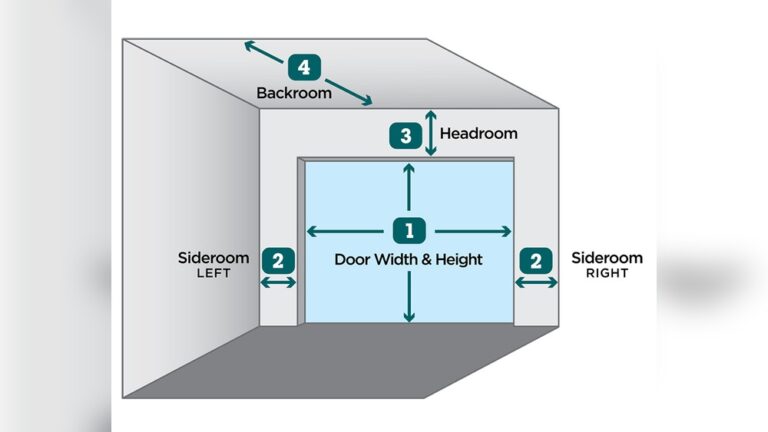
Visualize the setup with a simple diagram showing door, tracks, and opener placement to spot potential clearance and interference issues before purchasing.
FAQ
Below you’ll find concise answers to common questions about garage door opener types. If a question sparks a new topic, feel free to share in the comments or ask for more detail.
- Which opener is the quietest? Belt-drive and direct-drive options are the quietest due to smoother operation and reduced contact with the door.
- Do I need professional installation? Some setups, especially jackshaft and direct-drive systems, benefit from professional mounting to ensure safe operation and proper alignment.
- Are smart openers worth it? Smart features add remote access and monitoring, but verify compatibility with your door sensors and home network needs.
- What determines the lifespan of an opener? Drive type, routine maintenance, and how well the door is balanced influence longevity more than motor power alone.
- Can a new opener work with an old door? Most modern openers fit standard torsion or extension setups, but verify track, spring type, and safety sensor compatibility before pairing.
Key specs to compare
| Topic | Key Considerations |
|---|---|
| Power | Match the opener horsepower to the door weight for smooth operation. |
| Noise | Quieter drives reduce sound transfer to living spaces, especially in attached garages. |
| Safety | Ensure sensors, auto-reverse, and battery backup options are present. |
One more detail: keep a spare remote or app login secure to prevent unauthorized access to your garage space.
Expert Insight
“Smart garage door openers transform a simple entryway into a connected security hub, enabling remote access, real-time status, and peace of mind through app control, while retrofit controllers make modern features accessible without a full replacement.” , Industry Analyst
Conclusion
Choosing the right garage door opener hinges on your space, door type, and how quiet you need operation to be. Consider ceiling height, track layout, and how often you use the door to guide your pick.
- Belts offer quiet operation, but may require more upkeep over time.
- Chains deliver strong lifting power and robustness, with higher noise levels.
- Jackshaft and direct drive save ceiling space and minimize vibration, suited for compact garages.
- Screw drives strike a middle ground with balanced speed and maintenance needs.
| Key Insight | Practical takeaway |
|---|---|
| Noise | For shared walls, prioritize belt-drive or direct-drive options. |
| Space | Vertical wall mounting or wall-mounted solutions free ceiling room. |
| Maintenance | Account for upkeep when selecting a model to fit your tolerance and budget. |
If you’re unsure where to start, map your door weight and ceiling height and compare against a simple spec sheet. For a typical 7 ft door in a two-car bay, a belt-drive option often provides a good balance of quiet operation and reliability, especially when living spaces are nearby.
We’d love to hear about your setup or questions you have about garage door opener types.
References
- 6 Types of Garage Door Openers [Buying Guide]
- Garage Door Opener Types Buyer’s Guide
- A Guide to the 4 Main Types of Garage Door Openers
- Garage Door Opener Buying Guide
- Garage Door Opener Buying Guide