
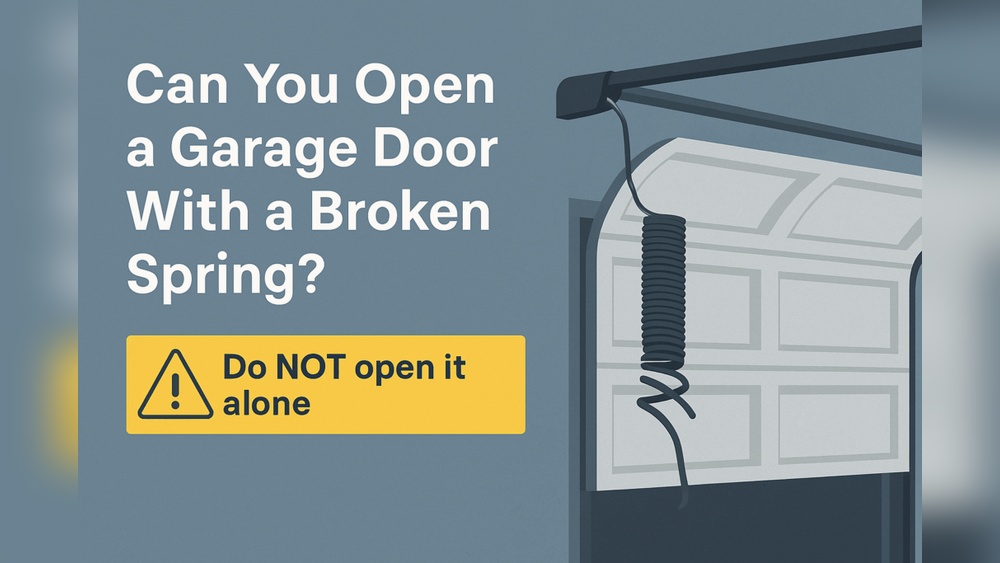
When your garage door spring breaks, it can feel like you’re stuck. The door suddenly becomes heavy, hard to move, and unsafe to operate. Many homeowners face this problem, especially as springs wear out over time. But what if you need to open your garage door before a repair technician arrives? This guide explains what to do, step by step, in plain English. You’ll learn how to open a garage door with a broken spring safely, what to avoid, and how to prevent further damage.
Why Garage Door Springs Matter
Garage door springs are not just simple parts. They do most of the heavy lifting. When you press your opener, the springs counterbalance the weight of the door, making it light enough to open smoothly. Without working springs, a typical double garage door (16×7 feet) can weigh 150–250 pounds or more.
There are two main types of garage door springs:
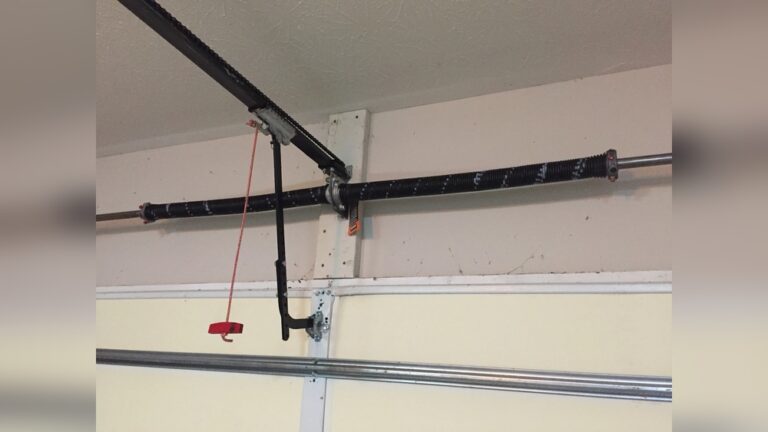
- Torsion springs: Mounted above the door opening, they twist to store energy.
- Extension springs: Located above the upper tracks on both sides, they stretch and contract.
A broken spring means you lose this counterbalancing force. The opener or your own strength must lift the door’s full weight. This is why opening a garage door with a broken spring is risky.
Signs Your Garage Door Spring Is Broken
It’s important to confirm the spring is the problem before you try to open the door. Look for these signs:
- Loud bang: Springs often break with a sharp noise.
- Gap in spring: For torsion springs, a clear gap or separation appears.
- Door feels very heavy: You cannot lift it easily, or it drops quickly.
- Cables are loose or hanging: Extension springs may cause cable slack.
- Door won’t open at all: The opener hums but the door doesn’t move.
Never ignore these signs. Forcing the door can damage other parts or cause injury.
Is It Safe To Open A Garage Door With A Broken Spring?
The short answer: It’s not safe, but sometimes you may have no choice. If you must get your car out, you need to proceed with extreme caution.
Risks include:
- The door slamming shut unexpectedly
- Strain on the garage door opener (may burn out)
- Personal injury (muscle strain, fingers pinched, back injury)
- Damage to tracks, rollers, or panels
Tip: If you’re unsure or have a heavy door, call a professional. Only attempt if you have help and feel confident.
How To Open A Garage Door With A Broken Spring
If you decide to open the door, follow these steps for safety. You’ll need at least one other adult to help.
1. Disconnect The Opener
- Unplug the garage door opener from the outlet.
- Pull the emergency release cord (usually a red rope). This disconnects the door from the opener, so you can move it by hand.
2. Check The Door Balance
- Gently lift the door a few inches. If it’s too heavy, don’t force it.
- If the door won’t budge or feels stuck, stop. Forcing it can bend the panels.
3. Get Help
- Ask a neighbor or family member to help. Two people can lift the door more evenly and safely.
- Wear gloves to protect your hands from sharp edges.
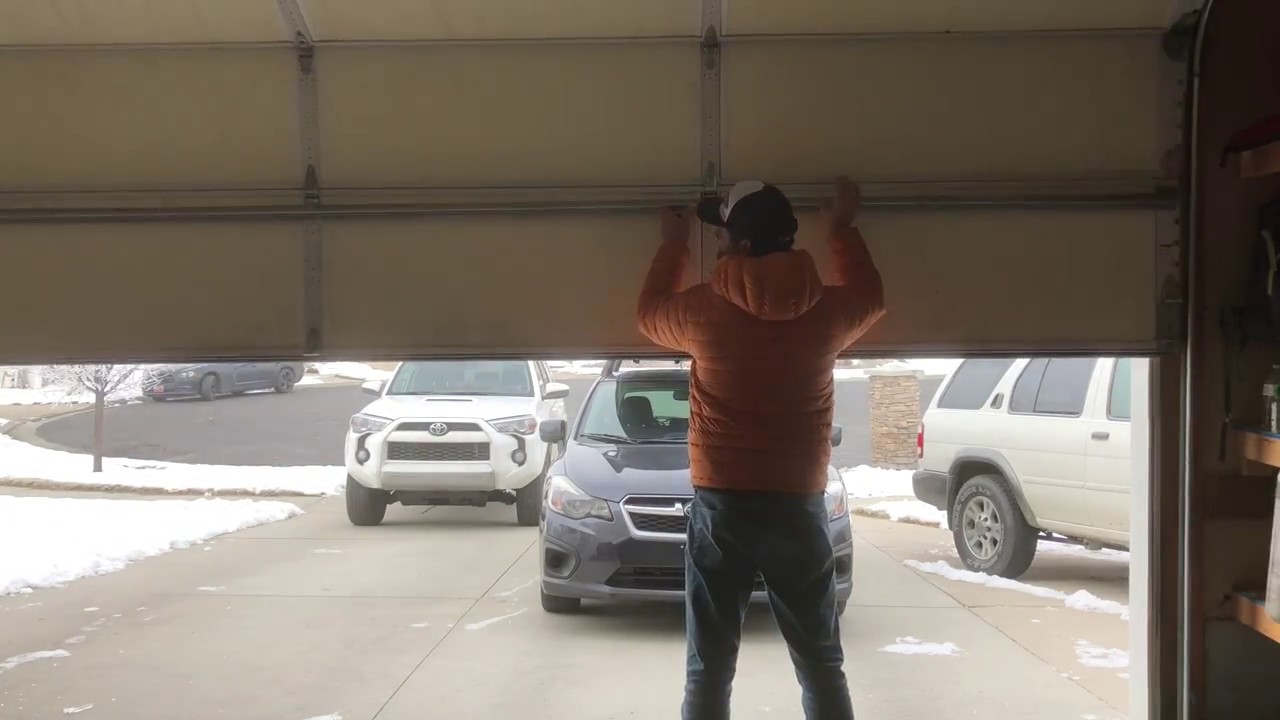
4. Lift The Door
- Both people should stand on either side of the door.
- Bend your knees and keep your back straight.
- Lift slowly and evenly. Don’t jerk or rush.
- Hold the door at the bottom; do not put fingers between panels.
5. Secure The Door
- Once open, place a sturdy object (like a ladder or block of wood) under the door to keep it from closing.
- Never leave the door unsupported—if the door falls, it can cause injury or damage.
6. Move Your Vehicle
- Quickly drive your car out while the door is safely propped open.
- Do not leave the door open and unsupported.
7. Lower The Door Carefully
- With help, slowly lower the door to the ground.
- Remove any props only when you are ready and holding the door firmly.
Never use the opener to lift the door with a broken spring—it is not designed for the full door weight and can fail.
Common Mistakes To Avoid
Many beginners make errors that can lead to injury or higher repair costs. Here’s what to watch for:
- Trying to open alone: The door is too heavy and unstable for one person.
- Forcing the opener: This can burn out the motor or snap gears.
- Ignoring cable tension: Loose or tangled cables can whip or snap.
- Not securing the door: Doors can slide down suddenly if not propped.
- Fixing springs yourself: Spring replacement is dangerous—leave it to pros.
Fact: According to the U.S. Consumer Product Safety Commission, thousands of garage door-related injuries happen each year, many from DIY repairs.
Real-world Example
Imagine it’s morning, and you hear a loud bang from the garage. You try the opener, but the door won’t move. You check and see the torsion spring has a gap. With an important meeting ahead, you need your car out.
You follow these steps:
- Disconnect the opener.
- Ask your spouse to help.
- Carefully lift and prop the door open.
- Move the car out and lower the door.
This process keeps you safe until a professional arrives.

Credit: www.garagedoorspecialist.net
When To Call A Professional
If the door won’t move, feels too heavy, or you see damaged cables, stop. Call a licensed garage door technician. Professionals have the tools to safely handle high-tension springs. Most repairs are completed within a few hours.
Don’t wait: A broken garage door is a security risk. Schedule repairs as soon as possible.
How Long Do Garage Door Springs Last?
Most garage door springs are rated for about 10,000 cycles (one cycle = up and down). If you open and close your door 4 times a day, expect 7–10 years of life.
Here’s a quick comparison of typical spring lifespans:
| Spring Type | Average Cycles | Years (4 Cycles/Day) |
|---|---|---|
| Torsion | 10,000–20,000 | 7–14 |
| Extension | 5,000–10,000 | 3–7 |
Tip: Upgrading to high-cycle springs can double lifespan.
Credit: www.youtube.com
Cost Of Spring Replacement
Repair costs depend on spring type, door size, and location. Here’s a typical price range:
| Spring Type | Parts & Labor (USD) | Included Services |
|---|---|---|
| Torsion | $150–$300 | Spring, tune-up, safety check |
| Extension | $120–$200 | Spring, cable check |
Some companies offer warranties on parts and labor. Always ask before agreeing to service.
Preventing Broken Springs
You can’t prevent all breakdowns, but regular maintenance helps:
- Lubricate springs every 6–12 months with garage door lubricant.
- Inspect springs and cables for rust, gaps, or fraying.
- Balance check: Disconnect the opener and lift the door halfway. It should stay in place. If not, springs may be worn.
- Limit cycles: Only open/close when needed.
Insight: Replacing both springs at once is smart, even if only one is broken. This keeps door balance and avoids a second failure soon after.

Credit: www.youtube.com
Diy Vs Professional Repair
Some homeowners try to save money with DIY repair kits. However, most experts strongly advise against this.
Why?
- Springs are under extreme tension—one slip can cause serious injury.
- Incorrect installation can lead to fast wear or more damage.
- Warranties may be voided with self-repair.
For safety and peace of mind, hire a qualified technician.
Example: Single Vs Double Garage Door
The risks of opening with a broken spring depend on door size:
| Door Size | Estimated Weight (lbs) | Difficulty |
|---|---|---|
| Single (8×7 ft) | 80–150 | Possible with 2 people |
| Double (16×7 ft) | 150–250+ | Very difficult |
Insight: Lightweight aluminum doors are easier to lift than insulated steel doors.
Emergency Situations
Sometimes, you need to open the door during a power outage or emergency. If the spring is broken:
- Use manual lifting with help only.
- Do not try to tie ropes to the bottom of the door—this can cause damage.
- If trapped inside and unable to lift, call for emergency assistance.
Keeping Your Garage Secure
A broken spring often means leaving the door closed and locked until repair. But if you must leave the door open:
- Use a padlock on the manual release.
- Ask neighbors to keep an eye on your property.
- Move valuables out of the garage if possible.
Trusted Resources
For more details on garage door safety and repairs, visit the HomeAdvisor Garage Door Safety Guide.
Frequently Asked Questions
What Should I Do First If My Garage Door Spring Breaks?
First, stop using the opener and inspect the door. Disconnect power and check for visible spring damage or cable issues. If you must open the door, get help and use the manual method described above.
Can I Open My Garage Door By Myself If The Spring Is Broken?
No, most doors are too heavy for one person. Lifting alone is dangerous and can cause injury. Always get help, or wait for a professional.
Is It Safe To Use The Opener With A Broken Spring?
No. The opener is not built to lift the full door weight. Using it can burn out the motor or break the opener.
How Can I Tell If My Garage Door Spring Is About To Break?
Look for gaps in the spring, uneven lifting, loud noises, or a sagging door. Routine inspection and maintenance can catch early signs of wear.
How Much Does It Cost To Replace A Garage Door Spring?
Most replacements cost $120–$300 depending on spring type and local rates. Always hire a licensed technician for safety and reliability.
If your garage door spring is broken, stay calm and follow the steps above. Safety comes first—never risk injury or more damage to your home. With the right approach, you’ll get your garage door working again quickly and safely.