
Garage door openers are everywhere, but most people do not think about them until something goes wrong. These devices make life easier, safer, and more comfortable. If you are a homeowner, a business owner, or just curious, understanding garage door openers statistics can help you make smarter choices. In this article, you will discover key facts, real numbers, and trends in the garage door opener industry. Whether you plan to buy, upgrade, or simply want to learn, this guide will give you all the practical data in clear, simple language.
What Is A Garage Door Opener?
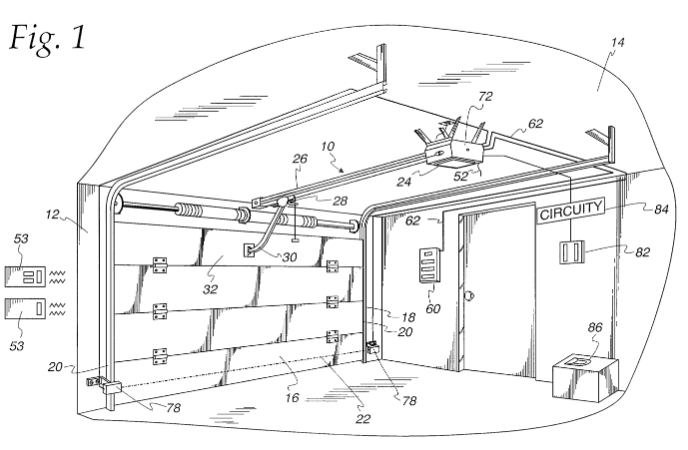
A garage door opener is an electric device that opens and closes garage doors with the push of a button or a remote. It uses a motor and a system of chains, belts, or screws to move the door. Modern openers can also work with smartphones and smart home systems.
Main types of garage door openers:
- Chain-drive openers: Use a metal chain to move the door. They are strong and affordable but can be noisy.
- Belt-drive openers: Use a rubber belt. They are quieter and good for homes with attached garages.
- Screw-drive openers: Use a threaded rod. They need less maintenance but are less common.
- Direct-drive openers: The motor moves along a rail with the door. They are quiet and reliable.
Each type has its own pros and cons, but all serve the same basic purpose—making garage access easier and safer.
How Many Homes Have Garage Door Openers?
Garage door openers are very common in the United States and many other countries. Here are some important numbers:
- Over 82% of homes with garages in the US have a garage door opener.
- In 2023, there were about 82 million homes with garages in the US. This means about 67 million homes use garage door openers.
- New homes: Almost 98% of new single-family homes built in the US come with a garage door opener already installed.
These numbers show that garage door openers are not a luxury—they are a standard feature.
Global Perspective
While the US leads the world, other countries are catching up:
- In Canada, about 70% of homes with garages have an opener.
- In Australia and the UK, the number is closer to 50-60%.
Many older homes in Europe still have manual garage doors, but the trend is changing as people upgrade for security and convenience.

Credit: firstlinegarage.com
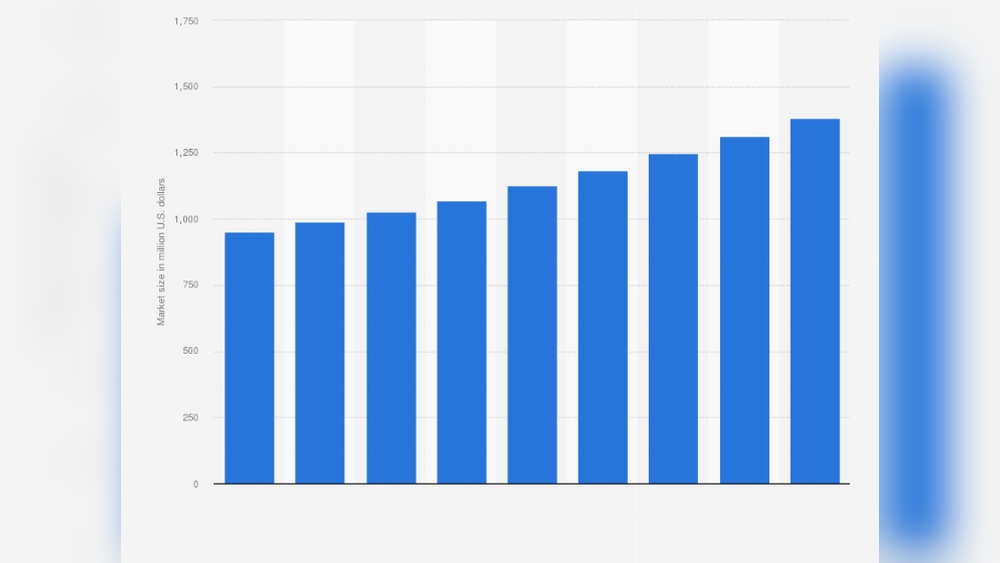
Garage Door Opener Market Size And Growth
The market for garage door openers is big and growing fast.
- In 2023, the global market size was about $2.6 billion.
- Experts predict the market will reach $3.7 billion by 2030.
- This means a growth rate of over 5% each year.
Why Is The Market Growing?
- More people want smart home features.
- Home security is becoming more important.
- Many homeowners are replacing old or noisy systems with newer, quieter ones.
Leading Brands
Here’s a look at some top brands and their market share:
| Brand | US Market Share (%) | Main Product Type |
|---|---|---|
| Chamberlain | 48 | Belt & Chain Drive |
| Genie | 20 | Belt & Chain Drive |
| LiftMaster | 18 | Belt, Chain, Direct Drive |
| Craftsman | 7 | Chain Drive |
| Others | 7 | Various |
Chamberlain and its related brands (like LiftMaster) lead the market by a big margin.
Smart Garage Door Openers: Adoption And Trends
Smart technology is changing the way people use garage door openers. These systems can connect to your phone, let you open the door from anywhere, and even send alerts if you forget to close it.
Key facts:
- About 42% of new garage door openers sold in 2023 were smart-enabled.
- Homeowners with smart garage door openers are 35% less likely to leave their garage door open by mistake.
- Voice assistant integration (like Alexa or Google Assistant) is available on over 60% of new models.
Smart openers are especially popular among people under 40, but older homeowners are starting to adopt them too.
Example: Real-life Use
Imagine you leave for work and forget to close your garage. With a smart opener, you get a message on your phone. You can close the door from your office. This is a big reason why smart models are becoming more popular.
Credit: patentlyo.com
Garage Door Opener Safety Statistics
Safety is one of the biggest reasons for using a garage door opener. Modern systems have many features to prevent accidents.
Some important safety facts:
- The US requires auto-reverse systems on all garage doors since 1993. If something is in the way, the door goes back up.
- Garage doors cause about 20,000 injuries each year in the US, but most are from manual doors, not openers.
- Since safety sensors became standard, serious injuries have dropped by over 60%.
Many new openers also have battery backup, so the door works during a power outage. About 30% of new openers in 2023 included this feature.
How Long Do Garage Door Openers Last?
Most garage door openers are built to last, but their lifespan depends on use and maintenance.
- Average lifespan: 10-15 years
- With proper care: Up to 20 years
- Heavy use (more than 8 cycles per day): May need replacement after 8-10 years
Signs it’s time to replace your garage door opener:
- The door is very noisy.
- The opener is slow or struggles to move the door.
- Safety features do not work.
- The opener does not have rolling code technology (for security).
Replacing old openers is important for both safety and security.
Common Features And What People Want
Today’s buyers look for more than just opening and closing.
Most-wanted features:
- Quiet operation: Especially important for attached garages.
- Smartphone control: For convenience and peace of mind.
- Battery backup: So the garage works during a power outage.
- LED lighting: Better visibility in the garage.
- Strong security: Rolling code technology that stops hacking.
Here’s how common these features are in new models:
| Feature | Percentage of New Models (2023) |
|---|---|
| Quiet operation | 74% |
| Smartphone control | 42% |
| Battery backup | 30% |
| LED lighting | 55% |
| Rolling code security | 100% |
It’s clear that quiet operation and security are the top priorities.
Garage Door Opener Energy Use
Many people want to know how much energy these devices use.
- Average opener uses 60-120 watts when running.
- Standby (idle) mode usually uses 3-5 watts.
- Yearly cost: About $10-15 for electricity per opener.
Some newer models use less energy in standby mode. If you want to save money, look for models with an “energy efficient” label.
Cost Statistics: How Much Do Garage Door Openers Cost?
Prices vary based on type, features, and brand. Here’s a quick overview:
- Basic chain-drive models: $120-$180
- Belt-drive models with smartphone features: $200-$350
- Smart, ultra-quiet direct-drive models: $300-$600
Installation costs:
- DIY: Usually free if you do it yourself, but takes time.
- Professional installation: $150-$400 depending on complexity.
This means a new garage door opener (with pro installation) can cost between $250 and $1,000.
Cost Comparison Table
Here’s a quick look at the average total cost by type:
| Type | Opener Cost | Installation | Total Cost |
|---|---|---|---|
| Chain Drive | $150 | $200 | $350 |
| Belt Drive | $270 | $250 | $520 |
| Direct Drive | $400 | $300 | $700 |
Tip: Buyers often underestimate installation cost. Always include this in your budget.
Environmental Impact And Recycling
Garage door openers last many years, but eventually they need to be replaced.
- About 3 million units are replaced each year in the US.
- Most old openers are recycled for metal and electronics.
- Newer models are more energy efficient and use less material.
When buying a new opener, check if the manufacturer offers a recycling program for the old unit. This helps reduce waste and protects the environment.
Common Mistakes When Choosing A Garage Door Opener
Many first-time buyers make similar mistakes. Here are the biggest ones:
- Ignoring noise level: Chain-drive openers are cheaper but noisy. If your garage is near bedrooms, a belt-drive is usually better.
- Forgetting about installation: Some models are not DIY-friendly.
- Choosing the wrong horsepower: Heavier doors need stronger motors. Standard single doors need 1/2 HP, double or insulated doors may need 3/4 HP or more.
- Skipping safety features: Always get auto-reverse and rolling code security.
- Not planning for smart features: Even if you do not use a smartphone now, you might want these features in the future.
If you avoid these mistakes, you will likely be happy with your purchase for many years.
Interesting Garage Door Opener Facts
Here are a few facts you might not know:
- The first electric garage door opener was invented in 1926 by C.G. Johnson.
- About 12% of Americans say they never lock their garage door manually because they trust the opener.
- More than 5 million homes in the US now have a garage door opener that works with a smart speaker.
- Garage door openers are among the top 10 most common smart home devices.
Future Trends In Garage Door Openers
The garage door opener industry keeps changing.
- Artificial intelligence (AI): Some new openers use AI to sense people or cars and open automatically.
- Solar-powered openers: These are becoming popular for eco-friendly homes.
- Advanced security: Face recognition and advanced encryption are coming soon.
- Integration with delivery services: Some openers now let delivery drivers put packages inside your garage, reducing package theft.
If you are thinking about upgrading, look for these features in the next few years.
For more in-depth industry research, see the Grand View Research report.
Frequently Asked Questions
What Is The Most Popular Garage Door Opener Type?
Belt-drive openers are very popular for homes with attached garages because they are quiet. Chain-drive openers are still the most common overall because they are affordable and reliable.
How Often Should I Replace My Garage Door Opener?
Most openers last 10-15 years. If your opener is older than 15 years or does not have modern safety features, it is a good idea to replace it.
Can I Install A Garage Door Opener Myself?
Yes, many people install openers themselves. However, if you are not comfortable with electrical work or heavy lifting, it is better to hire a professional.
Do Smart Garage Door Openers Work With All Doors?
Most smart openers work with standard sectional garage doors. If you have a very old or custom door, check with the manufacturer before buying.
How Can I Make My Garage Door Opener More Secure?
Use a model with rolling code technology, keep your remote controls safe, and consider a smart opener that sends alerts to your phone if the door is left open.
Garage door openers are a common part of modern life, and the numbers show they are here to stay. Whether you want better security, more convenience, or just a quieter garage, understanding these statistics will help you make the best choice for your home.

Credit: www.nachi.org