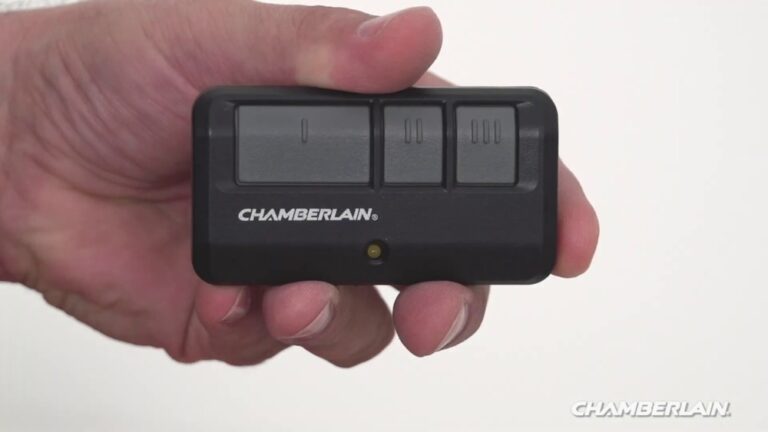

Garage doors are one of those home features we often take for granted. You press a button, it opens. You drive in or out, and it closes. But have you ever wondered, how long do garage doors last? The answer is more important than you might think. A garage door is heavy, used daily, and is a vital part of your home’s security and appearance. If you want to avoid sudden breakdowns or expensive repairs, it’s smart to understand the lifespan of your garage door and what affects it.
In this guide, you’ll find clear answers, real-life examples, and practical tips. Whether you are a new homeowner, planning to buy a new garage door, or want to make your current door last longer, this article is for you.
Average Lifespan Of Garage Doors
Most garage doors last between 15 to 30 years. This range depends on the door’s material, quality, and how often you use it.
- Steel doors: Usually last 20-30 years if maintained well.
- Wooden doors: Often last 15-20 years due to moisture and weather effects.
- Aluminum doors: Lightweight, can last 20-25 years.
- Fiberglass doors: Typically 15-20 years, but can fade or crack in harsh sunlight.
The opener mechanism (the motor that lifts the door) usually lasts 10-15 years, separate from the door itself.
Example Scenario
If your family uses the garage door 4 times daily, and it’s a steel model, you can expect about 20-25 years of reliable service if you follow basic maintenance steps.
What Affects Garage Door Lifespan?
Several factors change how long your garage door will last. Not every door is the same, and how you use it matters.
1. Quality Of Materials
- Cheap doors made with thin steel, low-grade wood, or poor hardware usually fail sooner.
- High-quality doors cost more but can double the lifespan.
2. Frequency Of Use
Every opening and closing cycle wears out springs and moving parts.
- Light use: 2-4 cycles per day (typical for small families)
- Heavy use: 6-10 cycles per day (large families, shared garages)
More cycles = faster wear.
3. Climate And Weather
- Cold climates: Metal parts may contract, wood can warp.
- Humid areas: Wood doors may rot, metal may rust.
- Coastal areas: Salt air leads to quicker rust on steel doors.
4. Maintenance Habits
- Regular maintenance (oiling, tightening bolts, checking balance) can add years to your door’s life.
- No maintenance means faster wear and more repairs.
5. Installation Quality
- Professional installation ensures all parts are aligned and balanced.
- DIY or poor installation can cause uneven wear, leading to early failure.
Typical Garage Door Parts And Their Lifespans
A garage door isn’t one simple part. Each component has its own expected life.
| Component | Average Lifespan | Notes |
|---|---|---|
| Door Panels | 15-30 years | Depends on material |
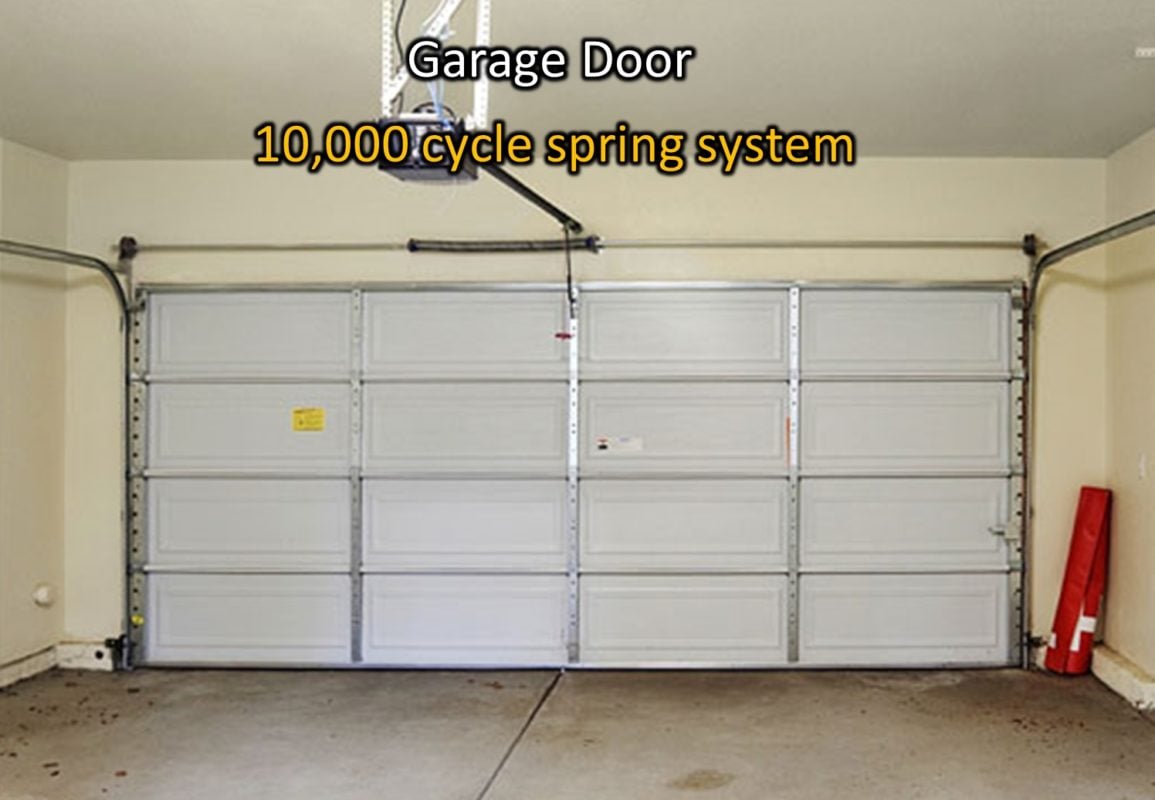
| Torsion Springs | 7-12 years (10,000 cycles) | Most replaced part |
| Cables | 8-15 years | Check for fraying |
| Rollers | 10-20 years | Plastic wears faster |
| Hinges | 10-15 years | Lubricate yearly |
| Garage Door Opener | 10-15 years | Motorized part |
Non-obvious Insight
Springs are the most common reason for garage door failure. Many homeowners don’t realize springs wear out by cycle, not by years. A standard spring lasts about 10,000 cycles. If you open the door 4 times daily, that’s around 7 years before replacement is needed.
Garage Door Materials: Which Lasts Longest?
Choosing the right material is key for durability and looks. Here’s a simple comparison:
| Material | Lifespan | Pros | Cons |
|---|---|---|---|
| Steel | 20-30 years | Strong, low maintenance, weather resistant | Can dent, may rust if scratched |
| Wood | 15-20 years | Beautiful, customizable | Needs painting/staining, can warp |
| Aluminum | 20-25 years | Lightweight, rust-proof | Easy to dent, less insulation |
| Fiberglass | 15-20 years | Resists salt air, won’t rust | Can crack, fades in sun |
Key Takeaway
If you want a door that lasts, steel is often the best value. It offers strength and resists many weather problems. Wood is beautiful but needs more care.

Credit: www.advance-door.com
How To Make Your Garage Door Last Longer
Even the best garage door needs help to reach the top end of its lifespan. Here are proven ways to add years to your door.
1. Do Annual Maintenance
- Lubricate all moving parts (rollers, hinges, springs).
- Tighten loose bolts and screws.
- Clean tracks to remove dirt and debris.
- Check weather seals for cracks.
2. Inspect And Replace Springs Early
- Listen for loud bangs or jerky motion.
- If the door becomes heavy, springs may be failing.
- Replace springs in pairs for balanced lifting.
3. Keep Door Clean And Painted
- For steel/wood doors, repaint or touch up scratches to stop rust or rot.
- Clean off dirt, leaves, or chemicals.
4. Protect Against Weather
- Install or check weather seals to block water and drafts.
- In humid or coastal areas, rinse the door with fresh water every few months.
5. Don’t Ignore Small Problems
- Fix noise, wobbling, or slow opening quickly.
- Delaying repairs can lead to bigger, more expensive damage.
Example: The Cost Of Neglect
A homeowner ignored a small squeak and loose bolt. Six months later, the entire spring broke, causing the door to fall off its tracks. The repair cost was over $500, when a $10 fix could have prevented it.
When Should You Replace Your Garage Door?
Not sure if you need a new door or just a repair? Here are clear signs replacement is better:
- Repeated breakdowns: If you call a repairman every year.
- Sagging or warping: The door doesn’t close evenly.
- Major rust or rot: Metal is flaking, or wood is soft.
- Extremely loud operation: No amount of oil helps.
- Poor energy efficiency: Old doors may lack insulation, raising energy bills.
- Outdated safety features: Modern doors have sensors and auto-reverse systems.
Non-obvious Insight
If your garage door is over 20 years old, parts may be out of production. New doors offer better insulation, quieter operation, and more safety features, which can also increase your home’s value.
Cost Of Garage Door Replacement Vs Repair
Many people worry about cost. Here’s a quick look at what you can expect:
- Spring replacement: $150–$350 (most common repair)
- Roller or hinge repair: $100–$200
- Full door replacement: $800–$2,500 (basic to premium models)
- Opener replacement: $300–$600
If repair costs are more than half the price of a new door, replacement is usually smarter.
How To Choose A Durable Garage Door
When shopping for a new garage door, focus on these points:
- Material: Steel lasts longest with least effort.
- Insulation: Double-layer or insulated doors resist weather better.
- Warranty: Look for at least 10 years on the door and 5 years on hardware.
- Professional installation: Avoid DIY unless you have experience.
- Brand reputation: Check reviews and get referrals.

Credit: www.daytondoorsales.com
Comparing Garage Door Lifespans By Usage
How you use your garage door changes its lifespan. Here’s a practical look:
| Usage Level | Cycles/Day | Expected Lifespan (Years) | Maintenance Needed |
|---|---|---|---|
| Low | 2 | 25-30 | Annual |
| Medium | 4 | 20-25 | Twice a year |
| High | 8 | 10-15 | Every 3-4 months |
Tip: If your family uses the garage as a main entry, invest in heavy-duty springs and rollers.
Common Mistakes That Shorten Garage Door Life
Even with a strong door, mistakes can reduce its life. Watch out for these:
- DIY repairs without knowledge: Can cause injury or more damage.
- Ignoring small noises: Squeaks mean something is wrong.
- Skipping maintenance: Leads to costly breakdowns.
- Using harsh chemicals to clean: Can strip paint or corrode metal.
- Letting children play with controls: Can damage opener or cause accidents.
Credit: veterangaragedoor.com
Real-life Example: Extending A Garage Door’s Life
Sarah had a steel garage door installed 18 years ago. She followed a simple routine:
- Oiled moving parts every spring and fall.
- Touched up paint where scratched.
- Called a technician every 3 years to check springs and balance.
Result: Her door still works smoothly, needing only one spring replacement in nearly two decades. Small, regular care made a big difference.
The Role Of Technology In Garage Door Lifespan
Today’s garage doors are smarter and safer.
- Auto-reverse sensors: Prevent accidents if something is under the door.
- Quiet belt-drive openers: Reduce vibration, so parts last longer.
- Smartphone controls: Make operation easier, reducing stress on the opener.
Upgrading old doors to modern systems can increase safety and extend lifespan.
Frequently Asked Questions
How Often Should I Service My Garage Door?
It’s best to do basic maintenance at least once a year. If you use the door more than 4 times daily, consider servicing it twice a year.
Can I Replace Garage Door Springs Myself?
It’s not recommended. Springs are under high tension and can cause injury. Hire a trained technician for safe replacement.
Does Weather Affect Garage Door Life?
Yes. Humidity, salt air, freezing temperatures, and sun all affect door materials and parts. Choose materials suited to your local climate for best results.
How Do I Know If My Garage Door Needs Replacement Or Just Repair?
If the door is over 20 years old, has repeated problems, or major damage (rust, rot, sagging), replacement is usually better. For minor issues, a repair is enough.
Where Can I Learn More About Garage Door Care?
The Consumer Reports Garage Door Buying Guide offers trusted advice on materials, brands, and maintenance.
Your garage door is a big investment, and it works hard every day. With the right care and smart choices, you can expect 15 to 30 years of reliable service. Pay attention to small issues, schedule regular maintenance, and pick quality materials. That way, your garage door will keep your home safe, comfortable, and looking good for years to come.