
Garage doors are a common feature in homes and businesses. They provide safety, privacy, and easy access to your garage. But few people realize how important the small parts are—especially the garage door hinges. These hinges play a critical role in how your garage door moves and operates every day.
If you’ve ever heard a squeak, noticed your garage door moving unevenly, or seen metal fatigue, there’s a good chance the hinges are involved. Understanding garage door hinges can help you avoid expensive repairs, ensure smooth operation, and even extend the life of your garage door.
This article explains the basics, types, installation tips, maintenance, and answers common questions—all in beginner-friendly language.
What Are Garage Door Hinges?
Garage door hinges are metal joints that connect the sections of a sectional garage door. When you open or close the door, these hinges allow the panels to bend and move along the tracks. Without strong, well-installed hinges, a garage door would be stiff, noisy, or even unsafe.
Some basic facts about garage door hinges:
- Usually made of galvanized steel or sometimes stainless steel.
- They are bolted or screwed into the door panels.
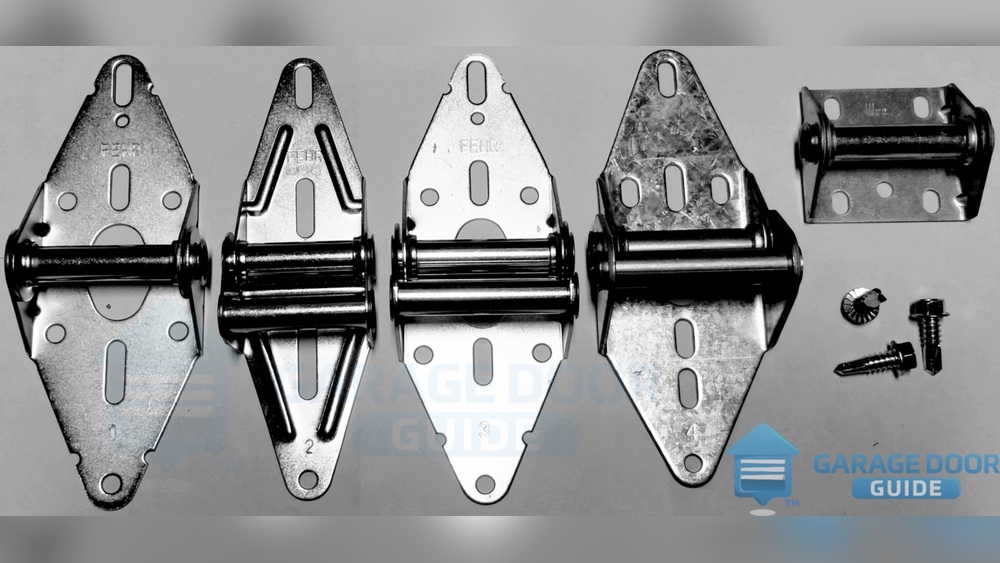
- Each hinge is numbered to indicate its position and function.
If one hinge fails, the entire door can become misaligned or stuck.
Types Of Garage Door Hinges
Different garage doors use different types of hinges. Choosing the right hinge is essential for smooth operation and safety.
Standard Numbered Hinges
Most residential garage doors use numbered hinges, especially for sectional doors. The numbers range from 1 to 5 or more, depending on door size.
- #1 hinges: Used between the bottom and second panel.
- #2 hinges: Between the second and third panel.
- #3 hinges: Between the third and fourth panel, and so on.
Higher numbers are used on taller doors. The number reflects how much the hinge “offsets” to allow panels to bend as the door moves.
Specialty Hinges
Some garage doors need special hinges, including:
- Double hinges: Provide extra strength for heavy or commercial doors.
- Spring-loaded hinges: Help with self-closing or added flexibility.
- Nylon hinges: Quieter operation, but less durable than steel.
Material Comparison
The material of your hinge affects both strength and lifespan. Here’s a quick comparison:
| Material | Strength | Rust Resistance | Noise | Cost |
|---|---|---|---|---|
| Galvanized Steel | High | Good | Moderate | Low |
| Stainless Steel | Very High | Excellent | Low | High |
| Nylon | Low | Excellent | Very Low | Moderate |
Galvanized steel is the most popular for homes because it is affordable and strong. Stainless steel is best for coastal areas or commercial use, where rust is a big risk.
Credit: www.youtube.com
How Garage Door Hinges Work
When you open or close a sectional garage door, the panels must bend to follow the curve of the track. The hinges connect each panel and allow it to pivot smoothly.
Here’s how the process works:
- The garage door opener pulls the door upward.
- The bottom panel starts to lift, and the hinges between panels allow each section to fold.
- As the door curves along the track, the hinges keep each panel attached but flexible.
- When closing, the hinges guide the panels back into a flat, secure position.
Without strong, correctly placed hinges, the door would jam or put stress on other parts.
Signs Your Garage Door Hinges Need Attention
A failing hinge can cause problems that are easy to miss at first. Here are common warning signs:
- Squeaking or grinding noises when the door moves.
- Loose or wobbly panels.
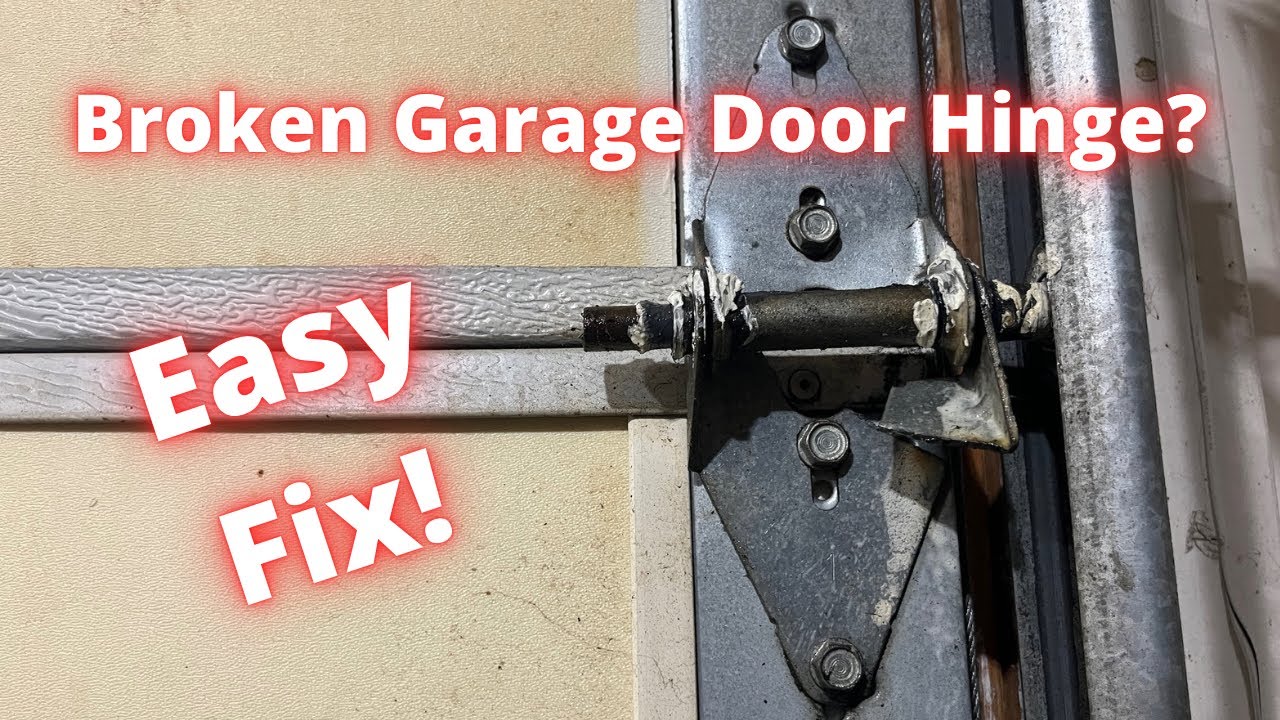
- Visible rust or cracking on the hinges.
- Bent or broken hinge plates.
- The door sticks or won’t open/close fully.
If you notice any of these, check your hinges immediately. Fixing a small issue early is much cheaper than replacing an entire door.

Credit: www.amazon.com
How To Choose The Right Garage Door Hinges
Selecting the correct hinge is important for safety and performance. Here’s what to consider:
Door Type And Size
- Standard residential doors: Use numbered steel hinges.
- Oversized or heavy doors: Need thicker, double, or commercial-grade hinges.
- Insulated or wood doors: May require specific hinges for extra thickness.
Climate
- Humid or coastal areas: Stainless steel or nylon hinges resist rust best.
- Dry climates: Galvanized steel works well.
Usage
- Frequent use: Choose heavy-duty or double hinges for durability.
- Low use: Standard hinges are usually enough.
Manufacturer Recommendations
Always check your door manufacturer’s guide. Using the wrong hinge can void warranties or cause damage.
How To Replace Garage Door Hinges
Replacing a garage door hinge is a task many homeowners can do with basic tools and safety awareness. Here’s a step-by-step guide:
- Unplug the garage door opener and ensure the door is closed.
- Secure the door with clamps or locking pliers to prevent movement.
- Remove the bolts/screws holding the damaged hinge using a socket wrench.
- Install the new hinge, lining up holes perfectly.
- Tighten bolts/screws securely.
- Lubricate the hinge with garage door lubricant (avoid WD-40 as it attracts dust).
- Test the door for smooth movement.
Safety Tip: Never replace hinges on a door under spring tension. If you’re unsure, call a professional.
Garage Door Hinges Vs. Other Garage Door Hardware
Garage door hinges are just one part of the whole system. It helps to understand how they compare with other components.
| Component | Main Function | Failure Impact | Typical Lifespan |
|---|---|---|---|
| Hinges | Connect and pivot door panels | Door misalignment, noise, jams | 5-10 years |
| Rollers | Guide door along track | Door sticks or falls off track | 5-7 years |
| Springs | Counterbalance door weight | Door too heavy to lift | 7-12 years |
| Tracks | Provide path for door movement | Door derails or binds | 10+ years |
Hinges are affordable but crucial. Ignoring them can lead to bigger, more expensive repairs.
Maintenance Tips For Garage Door Hinges
Keeping your hinges in good condition will extend the life of your entire garage door. Here are simple maintenance tips:
- Inspect hinges monthly for rust, cracks, or loose screws.
- Lubricate with a silicone-based garage door lubricant every 3-6 months.
- Tighten bolts if you see any movement or wobble.
- Clean off dirt and debris that can trap moisture and cause rust.
- Replace any hinge that shows signs of bending or wear.
A well-maintained hinge can last up to 10 years or more.
Common Mistakes When Dealing With Garage Door Hinges
Many beginners make simple errors that can cost time and money. Here are mistakes to avoid:
- Ignoring early signs like noise or wobbling.
- Using the wrong replacement hinge (wrong size or type).
- Over-tightening bolts, which can strip the metal or crack the panel.
- Skipping lubrication, leading to rust and noise.
- Trying to fix springs and hinges at the same time—springs are dangerous and should be handled by professionals.
An often-missed insight: Always replace hinge bolts if they are rusty or stripped, not just the hinge itself.
Real-world Example: Cost Of Ignoring Hinge Problems
A homeowner noticed a squeaking noise but did not check the hinges. Within six months, two hinges broke, causing a panel to bend. The repair cost was $250 for a new panel and labor—while a new hinge would have cost under $10.
Regular checks and simple maintenance can save hundreds of dollars over time.
How Much Do Garage Door Hinges Cost?
Prices depend on material, size, and brand. Here are typical price ranges in the US:
| Hinge Type | Price Per Hinge | Estimated Lifespan |
|---|---|---|
| Standard Galvanized Steel | $3 – $6 | 5-10 years |
| Stainless Steel | $8 – $15 | 10-15 years |
| Nylon | $5 – $10 | 3-7 years |
| Commercial Heavy Duty | $12 – $25 | 15+ years |
A full set of hinges (for a standard two-car garage door) usually costs $25–$60 total. Labor for professional installation may add $50–$150.
When To Call A Professional
Some hinge issues are easy to fix, but others require expert help. Call a professional if:
- You see severe rust or multiple broken hinges.
- The door is off track or very heavy.
- Springs or cables are involved.
- You are not comfortable using tools or working with heavy parts.
Professional technicians have the tools and experience to handle complex problems safely.

Credit: www.amazon.com
Non-obvious Tips For Beginners
- Label your hinges during replacement. Write the hinge number with a marker before removing them. This avoids confusion and ensures the right hinge goes in the correct place.
- Keep spare hinges on hand. If your door is older or uses uncommon hinges, having a spare can save time if one fails.
Many people forget that correct hinge placement is as important as the hinge quality itself.
Frequently Asked Questions
What Is The Difference Between Numbered Garage Door Hinges?
Numbered hinges (like #1, #2, #3) are designed for specific positions on a sectional garage door. Each number has a slightly different shape or offset, allowing the door to bend correctly as it follows the track curve. Using the wrong number can cause binding or poor door movement.
How Often Should I Lubricate My Garage Door Hinges?
It’s recommended to lubricate your garage door hinges every 3 to 6 months. Use a silicone-based lubricant made for garage doors. This reduces friction, prevents rust, and keeps the door quiet.
Can I Use Regular Door Hinges For A Garage Door?
No, you should never use standard interior or exterior door hinges for a garage door. Garage door hinges are specially designed for heavy loads and constant movement. Using the wrong hinge can be dangerous and cause door failure.
Is It Safe To Replace Garage Door Hinges Myself?
Replacing hinges is safe for most homeowners if you follow safety steps: disconnect the opener, secure the door, and never touch the springs. If you feel unsure, or if the springs or cables are involved, call a professional.
Where Can I Find More Information About Garage Door Hardware?
For detailed technical info and safety tips, you can visit the Wikipedia page on garage doors. Always use reliable sources for safety-critical home repairs.
A garage door is only as strong and reliable as its small parts—especially the hinges. By understanding how garage door hinges work, choosing the right type, and performing regular maintenance, you can ensure years of smooth, safe operation. Whether you’re troubleshooting a noisy door or planning a full replacement, smart hinge care can save you money, time, and frustration.