
A single car garage is an important space in many homes. It protects your vehicle from weather, provides secure storage, and even increases property value. However, many people are unsure about the best size for a single car garage. Choosing the right size is not only about fitting your car; it’s about making daily use easy and planning for future needs. This article explains what you need to know about single car garage size, with clear examples and practical tips for beginners.
What Is A Single Car Garage?
A single car garage is a space designed to fit one vehicle. It usually has one door and is attached or detached from the main house. The purpose is simple: keep your car safe from rain, snow, sun, and theft. But garages often serve more than this. Many people use them for storage, hobbies, or as a small workshop.
Single car garages are popular in both small homes and large properties where extra garage space is not needed. They are also common in older homes built before two-car garages became standard.
Standard Sizes For Single Car Garages
The size of a single car garage is not the same everywhere. However, there are standard sizes that builders and homeowners use. Understanding these standards helps you choose a garage that fits your car and lifestyle.
Most Common Standard Sizes
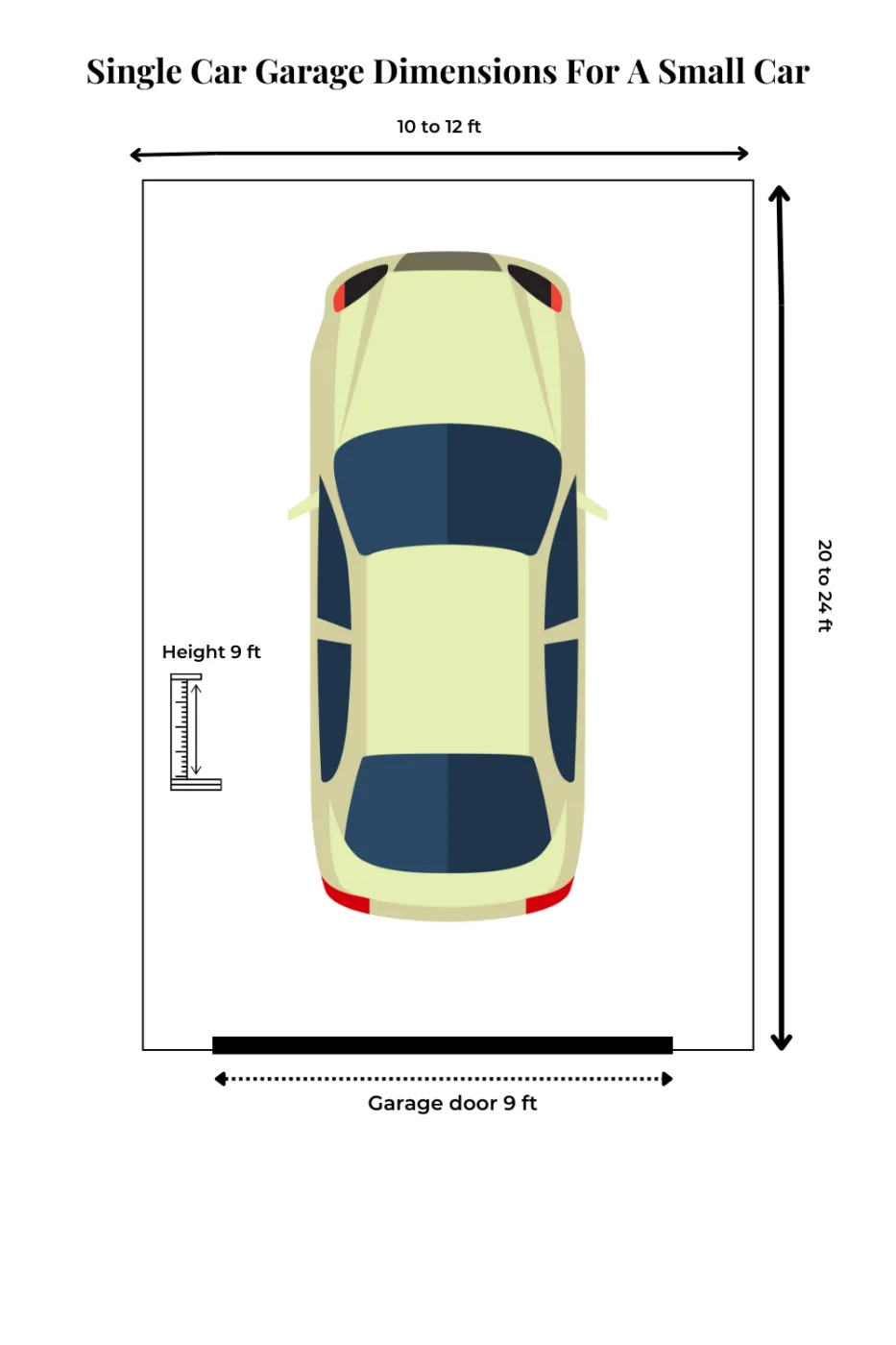
- 12 feet wide x 20 feet deep (12’ x 20’): This is the smallest size you’ll often see. It fits most cars but leaves little extra space.
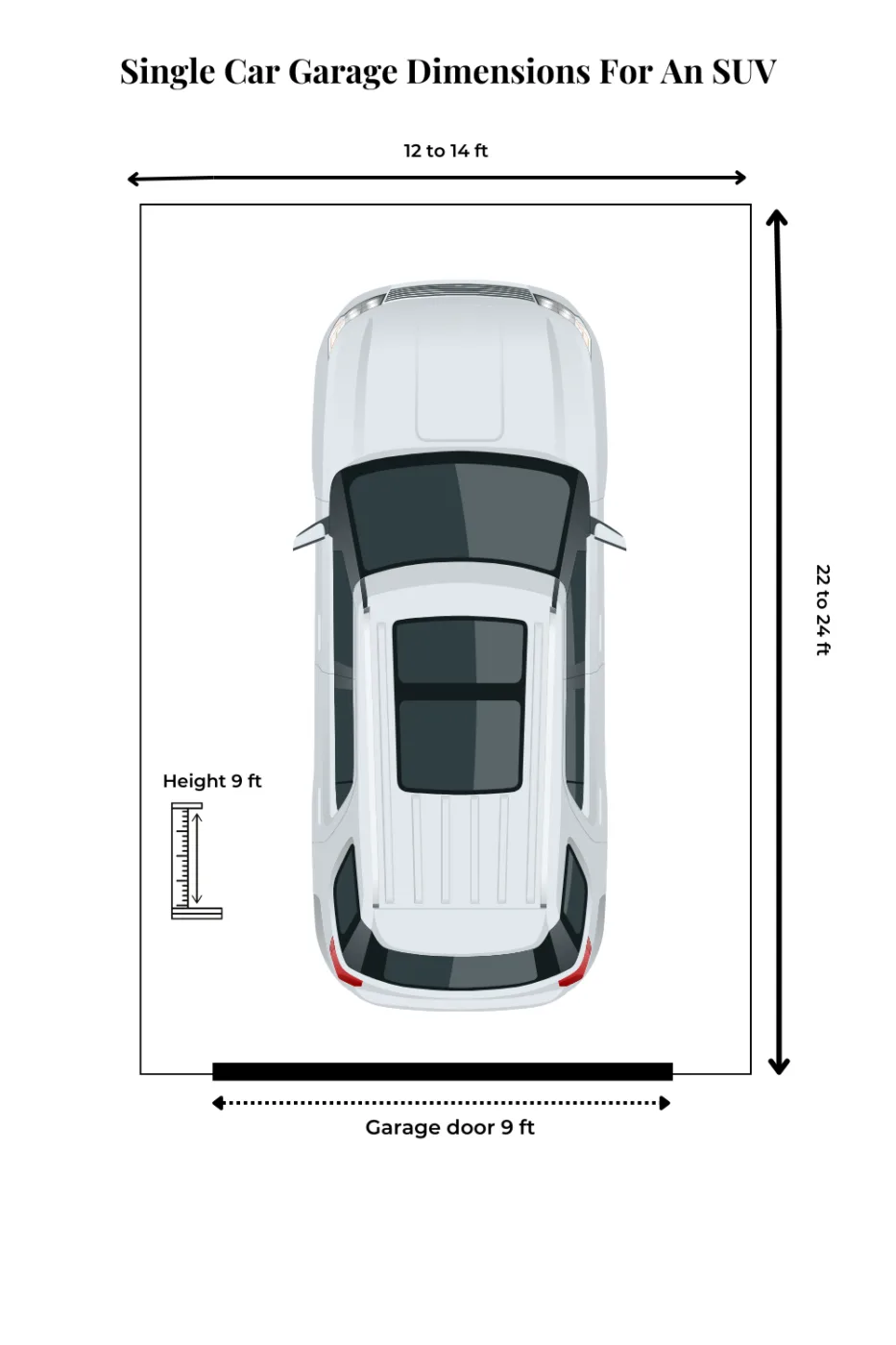
- 14 feet wide x 22 feet deep (14’ x 22’): This is a more comfortable size. It gives extra room for opening doors and storing items.
- 16 feet wide x 24 feet deep (16’ x 24’): This is considered spacious for a single car. It allows room for a workbench, bikes, or larger vehicles.
Here’s a quick comparison of these standard sizes:
| Garage Size (feet) | Fits Most Cars? | Extra Storage Space | Door Width (typical) |
|---|---|---|---|
| 12 x 20 | Yes (tight fit) | Minimal | 8-9 feet |
| 14 x 22 | Yes (comfortable) | Moderate | 9 feet |
| 16 x 24 | Yes (spacious) | Generous | 9-10 feet |
Insight: Many beginners overlook the importance of depth. If your car is long, like a pickup truck or large SUV, a 20-foot deep garage may feel cramped. Always measure your car before choosing a garage size.
Minimum Size Requirements
Most building codes require a minimum interior width of 10 feet and a minimum depth of 18 feet. This is the absolute minimum and not recommended for most users.
- Small cars (like compact sedans): Can fit in a 10’ x 18’ garage.
- Midsize/large cars: Need at least 12’ x 20’ or more.
How To Choose The Right Size
Choosing the right size for your single car garage depends on several factors. Think about your needs now and in the future.
Key Factors To Consider
- Vehicle Size
- Measure the length, width, and height of your car.
- Add at least 2 feet on each side for door opening.
- Leave 3-4 feet in front and back for walking.
- Storage Needs
- Do you need space for bikes, tools, or sports gear?
- Wall shelves and ceiling racks can help, but extra floor space is more flexible.
- Work Area
- Planning to use your garage as a workshop?
- Add at least 2-4 feet of extra width or depth.
- Future Changes
- Will you buy a bigger car later?
- Do you plan to store a motorcycle, lawnmower, or other equipment?
Example: If you own a Honda Accord (about 16 feet long) and want room for a workbench, a 14’ x 24’ garage is a smart choice.
Common Mistakes Beginners Make
- Choosing the smallest size: It saves money now but feels crowded later.
- Forgetting about storage: Even one bicycle or trash bin needs space.
- Ignoring garage door size: A narrow door makes parking stressful.
Garage Door Size And Height
The garage door is a key part of your garage. If the opening is too small, parking becomes difficult. Standard single garage doors are:
- Width: 8 to 9 feet
- Height: 7 to 8 feet
If you have a tall vehicle like an SUV or want to future-proof your garage, choose a 9-foot wide and 8-foot high door.
Door Size Comparison
| Door Width (feet) | Fits Compact Cars | Fits SUVs/Trucks | Easy Parking |
|---|---|---|---|
| 8 | Yes | Sometimes | Basic |
| 9 | Yes | Yes | Comfortable |
| 10 | Yes | Yes | Very Easy |
Tip: If your driveway is narrow or curved, a wider door makes daily parking much easier.
Credit: www.gowithedifice.com
Building Codes And Regulations
Every city has building codes for garages. These rules cover size, structure, and fire safety. Always check local codes before building or remodeling.
- Minimum size: Usually 10’ x 18’ inside.
- Ceiling height: At least 7 feet, sometimes 8 feet.
- Setbacks: Distance from property lines (often 5 feet or more).
Some areas also require fire-rated drywall or special electrical wiring. Failure to follow codes can cause legal issues or problems when selling your home.
Non-obvious insight: Some homeowners are surprised by local limits on garage size or style, especially in historic areas or HOA neighborhoods. Always ask for written rules before starting.
Practical Examples
Example 1: Small City Home
- Car: Toyota Corolla (15 feet long)
- Garage size: 12’ x 20’
- Storage: Small shelves on one side
- Result: Fits car with tight space for walking
Example 2: Suburban Home With Extra Storage
- Car: Ford Explorer (16.5 feet long)
- Garage size: 14’ x 22’
- Storage: Lawn tools, bikes, freezer
- Result: Comfortable fit, easy door opening
Example 3: Hobbyist’s Garage
- Car: Compact car
- Garage size: 16’ x 24’
- Extras: Workbench, cabinets, tool wall
- Result: Spacious for both parking and projects

Credit: www.duramaxshedsdirect.com
Cost Implications Of Garage Size
The size of your garage has a direct effect on the total building cost. Larger garages cost more to build due to more materials, bigger doors, and increased labor.
Average Costs (us)
- 12’ x 20’ garage: $12,000 – $15,000
- 14’ x 22’ garage: $16,000 – $20,000
- 16’ x 24’ garage: $21,000 – $25,000
These prices include basic construction but not extras like finished walls or special flooring.
Tip: A slightly larger garage often costs just 10-15% more but makes daily life much easier.
Storage And Organization Tips
Even a small garage can feel roomy if you organize well. Here are some beginner-friendly ideas:
- Wall-mounted shelves: Use vertical space for boxes and tools.
- Pegboards: Hang tools, sports gear, or cords.
- Ceiling racks: Store seasonal items out of the way.
- Foldable workbenches: Save space when not in use.
Common mistake: Storing too much on the floor. This quickly fills the garage and blocks your car.
Credit: www.gowithedifice.com
Single Car Garage Vs. Double Car Garage
Some homeowners ask if a single car garage is enough. Here’s a quick comparison:
| Feature | Single Car Garage | Double Car Garage |
|---|---|---|
| Width | 12-16 feet | 20-24 feet |
| Depth | 20-24 feet | 20-24 feet |
| Car Capacity | 1 | 2 |
| Cost | Lower | Higher |
| Space for Storage | Limited | More |
A single car garage is perfect for small families, single drivers, or homes with limited lot space. If you own more than one vehicle or want a large workspace, a double car garage is better.
Resale Value And Home Appeal
A well-designed single car garage can add value to your home. Buyers often prefer homes with garages, especially in areas with bad weather. A garage is also a selling point for car lovers and families.
- Fact: Homes with garages sell faster than those without, according to the National Association of Realtors.
- Tip: Choose a garage size that fits your home’s style and neighborhood. An oversized garage may look out of place.
Frequently Asked Questions
What Is The Best Size For A Single Car Garage?
The best size for most people is 14 feet wide by 22 feet deep. This size fits all common cars, allows easy door opening, and leaves space for storage.
Can I Build A Garage Smaller Than 12’ X 20’?
Technically yes, but it is not recommended. Most cars will fit tightly, and you will have little room to move or store items. Always check your local building codes before planning a smaller garage.
What Height Should My Garage Ceiling Be?
A standard garage ceiling is 7 or 8 feet high. If you plan to store items overhead or install a lift, choose at least 9 feet.
Is It Possible To Add A Workbench In A Single Car Garage?
Yes, but you need extra space. Choose a garage at least 14’ x 22’ or larger and organize with wall storage to keep the floor clear.
Does A Single Car Garage Add Value To My Home?
Yes. Even a small garage increases resale value and attracts more buyers. It also protects your car and makes your home more appealing in all seasons. For further reading, see this Bankrate article on garage value.
A single car garage is more than just a parking spot. With the right size and a little planning, it becomes a useful, valuable part of your home. Always consider your current and future needs, measure carefully, and use smart storage solutions.
This way, your garage will serve you well for many years.