
Cleaning your garage door might seem simple, but doing it right keeps your home looking fresh and helps the door last longer. Garage doors face dirt, rain, sun, and even road salt. Over time, this grime can cause rust, stains, and even mechanical problems.
Many homeowners forget this part of regular home care. If you want your garage door to work smoothly and look its best, a good cleaning is the first step. Let’s explore exactly how to clean your garage door, what supplies you need, and tips for a spotless result.
Why Cleaning Your Garage Door Matters
A clean garage door is not just about looks. There are some important reasons for regular cleaning:
- Prevents rust on metal doors and hardware.
- Removes dirt that can damage paint or finish.
- Reduces wear on moving parts.
- Boosts curb appeal for your home.
- Spots early issues like cracks or peeling paint.
If you skip cleaning, small problems can grow. For example, a little dirt can trap moisture and lead to rust. Over time, this can make repairs more expensive. Regular cleaning is a smart way to protect your garage door investment.
Choosing The Right Cleaning Supplies
Not all cleaning products are safe for garage doors. Using the wrong cleaner can damage the paint or even void your warranty. Here’s what you need for most garage doors:
- Mild dish soap (non-abrasive, like Dawn or Palmolive)
- Warm water
- Bucket
- Soft sponge or microfiber cloth
- Soft-bristle brush (for textured surfaces)
- Garden hose (with spray nozzle)
- Step ladder (for reaching the top)
- Dry towels
- White vinegar (for tough stains)
- Garage door lubricant (for hinges/rollers; optional)
Avoid harsh chemicals, bleach, or abrasive cleaners. These can strip paint or eat away at metal. If you have a wood garage door, use a wood-safe cleaner only.
Step-by-step Guide To Cleaning A Garage Door
Let’s break down the cleaning process into easy steps. Even if you’ve never done this before, you’ll get great results.
1. Prepare The Area
- Move cars and bikes away from the door.
- Sweep away loose dirt and cobwebs around the door.
- Make sure you can safely reach the top with a ladder.
2. Rinse Off Loose Dirt
- Use your garden hose to rinse the entire door.
- Start at the top and move downward.
- This removes surface dust and makes scrubbing easier.
3. Make Your Cleaning Solution
- Fill a bucket with warm water.
- Add a few drops of mild dish soap.
- Stir gently; too many suds are not needed.
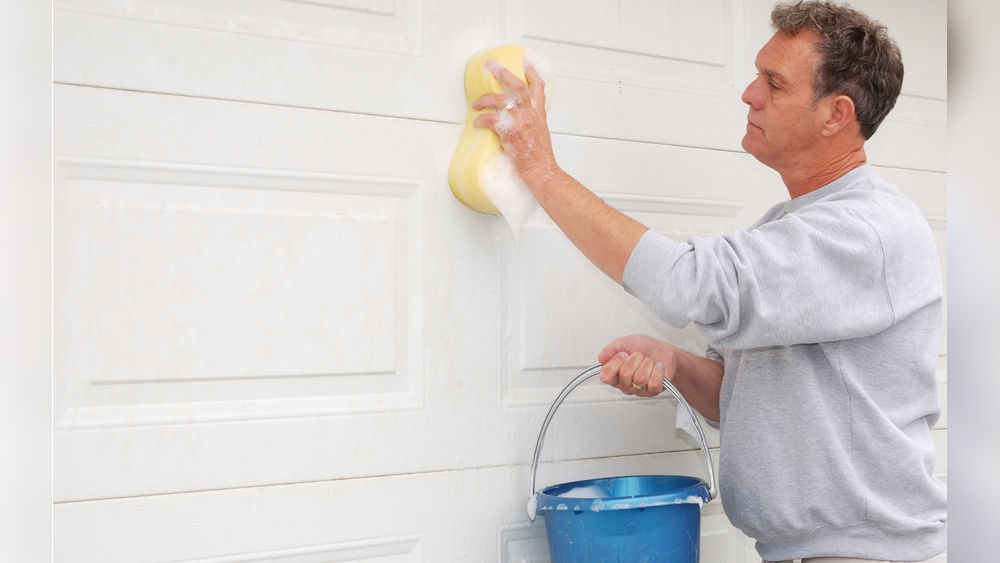
4. Wash The Door
- Dip your sponge or cloth in the soapy water.
- Wipe the door in sections, starting from the top.
- For textured areas, use the soft brush.
- Pay extra attention to spots with bird droppings or stuck-on grime.
5. Tackle Stubborn Stains
- Mix equal parts white vinegar and water.
- Soak a cloth in the mixture.
- Place the cloth on the stain for a few minutes, then scrub gently.
- Avoid using metal brushes, which can scratch the surface.
6. Rinse Thoroughly
- Use the hose to rinse off all soap and dirt.
- Check that no residue is left behind.
- Soap left on the door can cause streaks or dull the finish.
7. Dry The Surface
- Wipe the door with a clean, dry towel.
- This step helps prevent water spots and streaks.
- Drying also allows you to inspect for any damage.
8. Clean The Weather Stripping
- Use the soapy water and a cloth to wipe the rubber weather seal at the bottom.
- Rinse and dry.
- Check for cracks or stiffness. Replace if needed.
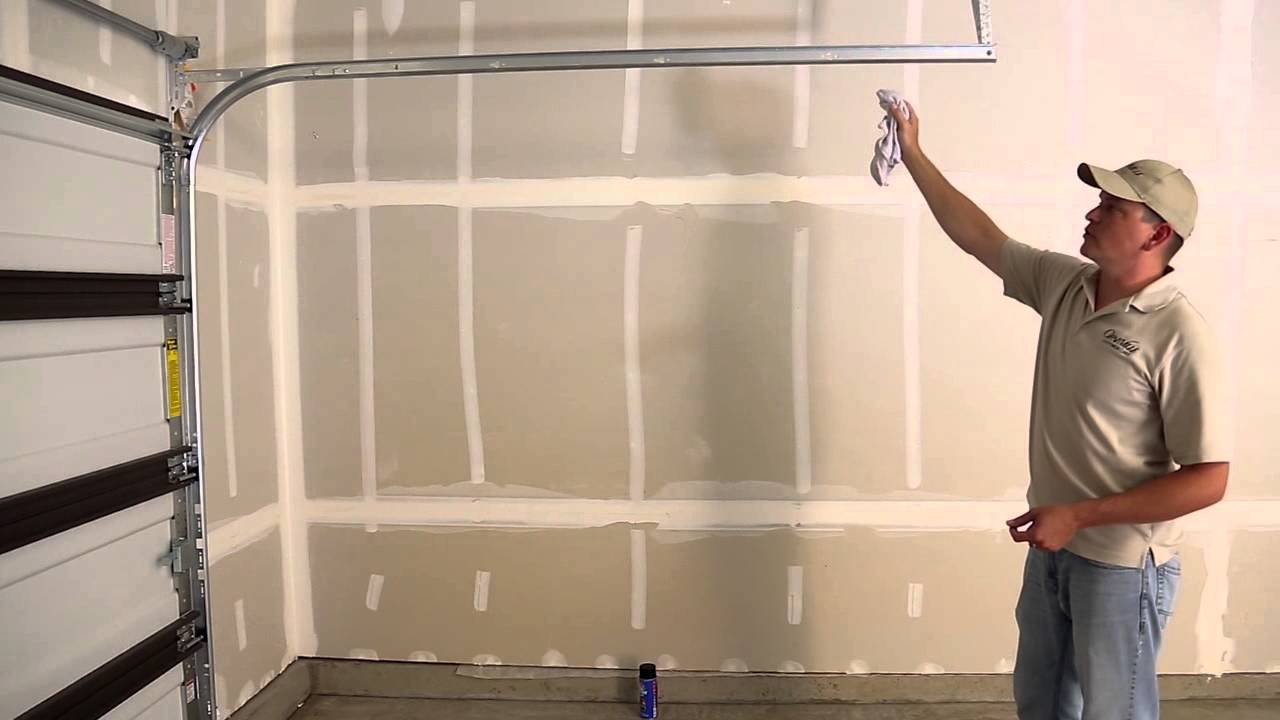
9. Lubricate Moving Parts
- Use a garage door lubricant on hinges and rollers.
- Avoid spraying lubricant on the tracks.
- Wipe away any excess.
Materials Comparison: What Works Best?
Let’s compare some common cleaning materials for garage doors.
| Material | Safe for Garage Doors? | Best For | Notes |
|---|---|---|---|
| Mild dish soap | Yes | General cleaning | Does not harm paint |
| Vinegar | Yes | Stains and spots | Test on small area first |
| Bleach | No | — | Can damage finish |
| Pressure washer | Sometimes | Heavily soiled doors | Use low pressure only |
| Abrasive scrubber | No | — | Scratches paint |
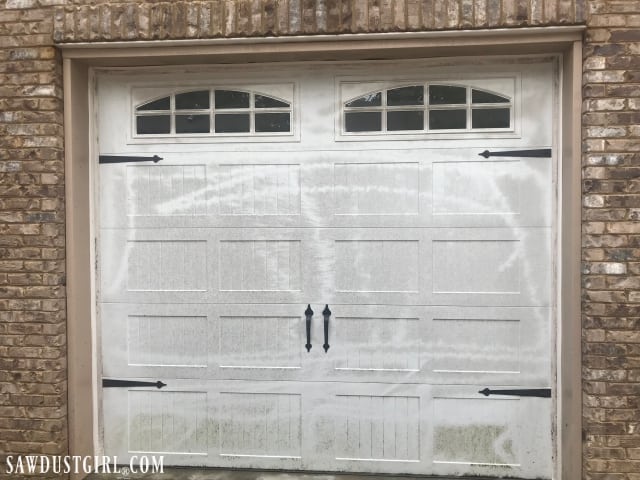
Tip: Always check your garage door manufacturer’s care guide before using any new cleaning product.
Credit: sawdustgirl.com
How Often Should You Clean Your Garage Door?
Most experts recommend cleaning your garage door at least twice a year. In some climates, you may need to clean more often. Here’s a quick guide:
| Climate | Recommended Cleaning Frequency | Why? |
|---|---|---|
| Wet/coastal (rain, salt air) | Every 2-3 months | Prevents rust and corrosion |
| Dry/dusty | 3-4 times a year | Removes dust and sand |
| Urban/polluted | 3 times a year | Removes grime and pollutants |
| Standard suburban | Twice a year | General upkeep |
Living near the ocean or a busy road? Salt and chemicals can cause more damage. Wash more often in these areas for best results.
Special Tips For Different Garage Door Materials
Not all garage doors are the same. The right approach depends on your door’s material.
Steel Garage Doors
- Use only mild soap and water.
- Rinse well to avoid water spots.
- Waxing once a year helps prevent rust.
Aluminum Garage Doors
- Clean with mild soap and water.
- Avoid alkaline cleaners (they can discolor aluminum).
- Check for dents or scratches as you clean.
Wood Garage Doors
- Use a wood-safe cleaner.
- Do not soak with water—wood absorbs moisture.
- Check for peeling paint or stains.
- Refinish or repaint every few years for best protection.
Vinyl Or Fiberglass Doors
- Mild soap and water are safe.
- Avoid harsh solvents.
- Rinse well and dry with a soft towel.
Insider Tip: Many people forget the inside of the garage door. Dust and spider webs collect here too. Wipe the inside panels during your regular cleaning.
Common Mistakes To Avoid
Homeowners often make these errors:
- Using harsh chemicals. This can damage finishes or cause fading.
- Skipping rinsing. Soap left behind leads to streaks and dullness.
- Using rough brushes. These can scratch the paint.
- Forgetting hardware. Hinges and rollers need attention to work smoothly.
- Cleaning in direct sun. Sun dries soap too fast and causes spots.
Pro Tip: Always clean your garage door on a cloudy day or in the early morning. This prevents streaks and helps you spot missed areas.
How To Remove Mold Or Mildew
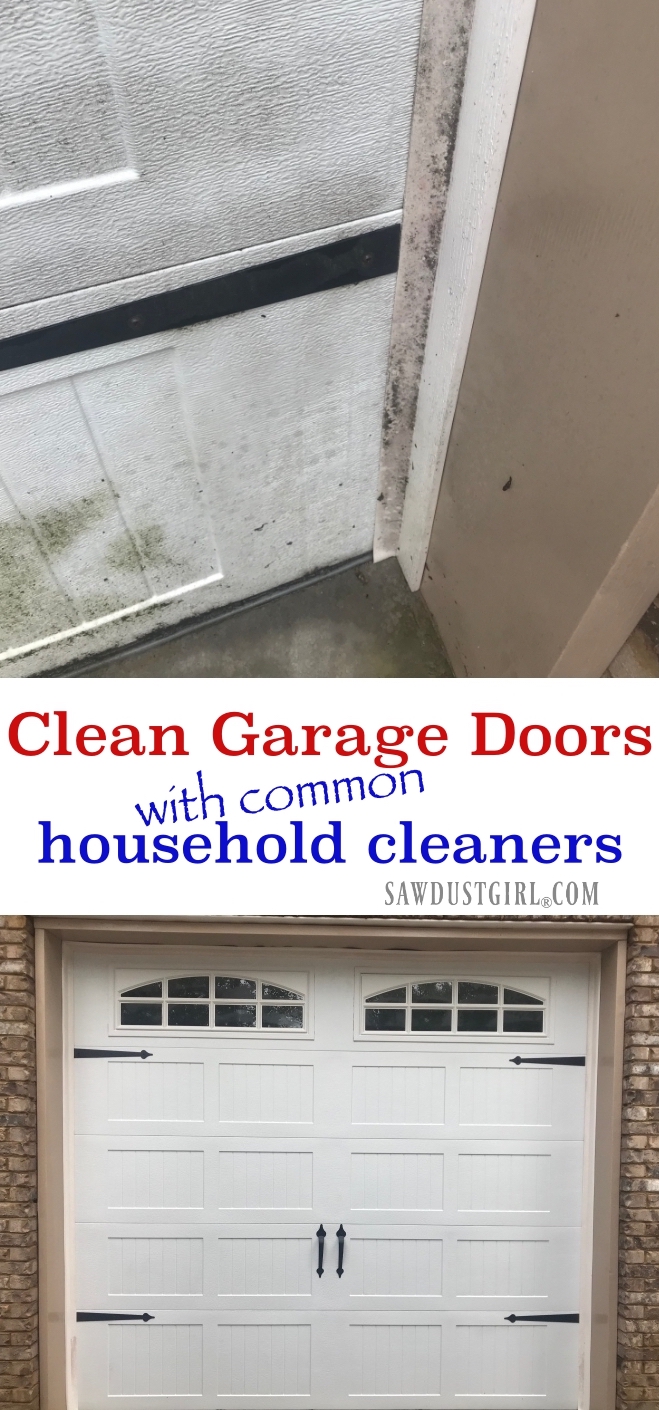
Mold and mildew can appear, especially on wood doors or in humid areas. Here’s how to tackle it safely:
- Mix 1 cup white vinegar with 1 gallon of water.
- Add a few drops of dish soap.
- Scrub affected areas with a soft brush.
- Rinse well and dry.
- For stubborn spots, repeat the process.
- Never use bleach; it can damage paint and nearby plants.
If mold keeps returning, check for leaks or drainage problems near your garage.
Credit: sawdustgirl.com
When Is Pressure Washing Safe?
Pressure washers can be helpful but risky. Too much pressure can strip paint or damage seals. Use only if:
- The door is very dirty and normal washing does not work.
- You keep pressure below 1,500 PSI.
- You use a wide spray nozzle.
- You stand at least 3 feet away from the door.
Test on a small section first. For most doors, a garden hose and soapy water are enough.
Maintaining Your Garage Door’s Finish
After cleaning, you can protect your door’s finish and keep it looking new.
- For metal or painted doors, apply a car wax once a year.
- For wood doors, check if another coat of sealer or paint is needed.
- Avoid waxing vinyl or fiberglass doors.
These steps add a protective layer against weather and dirt.
Cost And Time Involved
Cleaning your garage door does not need to take all day or cost a lot. Here’s a breakdown:
- Time: About 45 minutes for a single door, 1–1.5 hours for a double door.
- Cost: Most supplies are under $15 if you already have soap and towels.
If you hire a professional service, it may cost $50–$120 depending on your location and door size. But for most, a DIY approach works well and saves money.
Real-world Example
Maria, a homeowner in Texas, cleaned her two-car garage door after years of neglect. She used mild dish soap, a soft brush, and finished with a coat of car wax. The result? Neighbors commented on how new the door looked.
After cleaning, she found small rust spots and touched them up with paint, avoiding a bigger repair later.
Environmental Impact
Using mild, biodegradable soap and avoiding harsh chemicals is better for your home and the environment. Runoff from chemical cleaners can harm plants and get into storm drains. Stick to eco-friendly cleaning for safer results.
For more details on garage door maintenance, you can check the Family Handyman guide.
Frequently Asked Questions
How Often Should I Clean My Garage Door?
Most homes benefit from cleaning the garage door twice a year. If you live near the ocean, in a dusty area, or where there is a lot of road salt, clean every 2–3 months.
What Is The Best Cleaner For Garage Doors?
A mix of mild dish soap and warm water is safe for most doors. Avoid bleach, harsh chemicals, or abrasive cleaners. For wood, use a wood-safe cleaner.
Can I Pressure Wash My Garage Door?
You can, but be careful. Use low pressure (below 1,500 PSI), a wide nozzle, and stand at least 3 feet back. Too much force can damage the paint or weather seals.
How Do I Remove Tough Stains Like Oil Or Mold?
For mold or mildew, use vinegar and water with a little soap. For oil stains, try a degreaser safe for your door’s material. Test on a small area first.
Do I Need To Clean Both Sides Of The Garage Door?
Yes, but the outside needs more attention. Dust and webs collect inside, so wipe down the interior panels during your regular cleaning.
Cleaning your garage door is a simple but powerful way to protect your home’s look and function. With the right tools and steps, anyone can do it—even beginners. Regular cleaning helps your garage door last longer and work better. Set a reminder, grab your supplies, and enjoy a cleaner, more welcoming home.
Credit: www.youtube.com