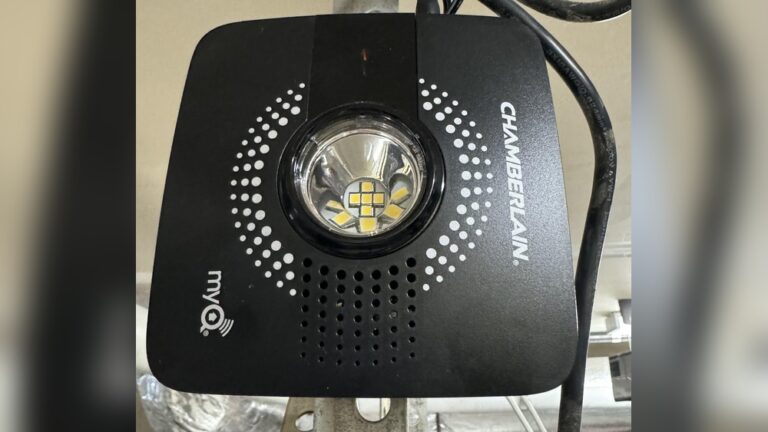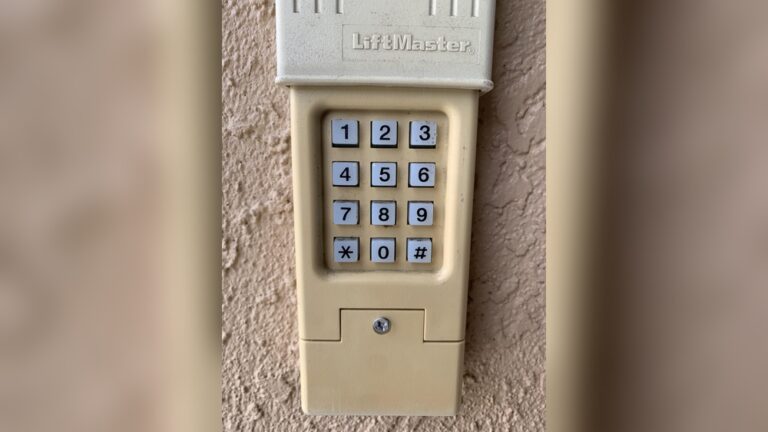

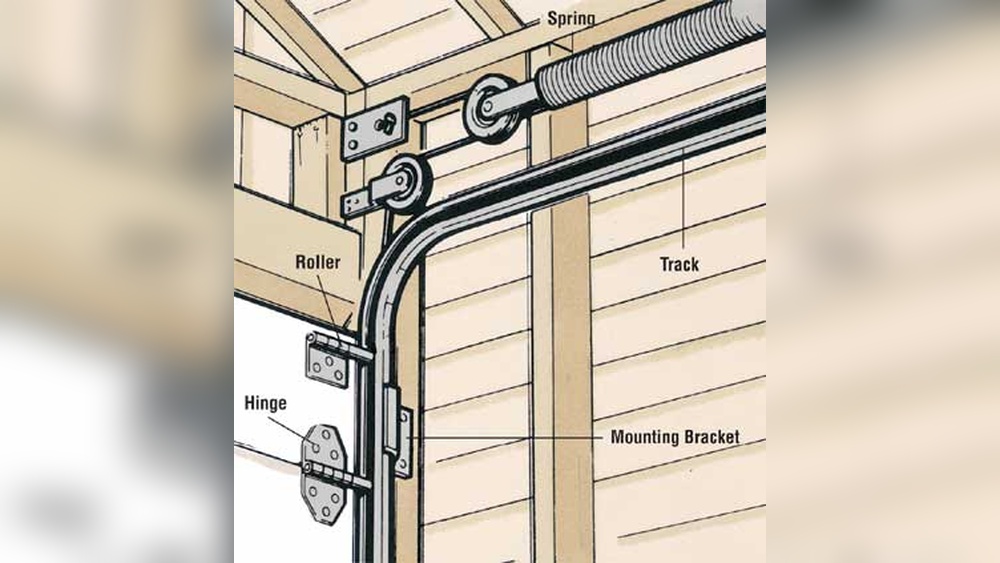
A garage door is one of the most important parts of your home. It protects your car, tools, and personal items. It also makes life easier, letting you open and close the garage quickly. But garage doors can break or get stuck, causing frustration and even safety risks.
If you’re new to fixing garage doors, don’t worry. With clear steps and careful guidance, most basic problems can be solved without calling a professional. In this article, you’ll find simple solutions, practical examples, and easy-to-understand advice. Let’s get started on how to fix your garage door safely and confidently.
Understanding Common Garage Door Problems
Before you start repairs, it’s important to know the most frequent issues with garage doors. Here are the most common problems:
- Garage door won’t open or close
- Remote control not working
- Noisy operation
- Door comes off its tracks
- Broken springs or cables
- Sensor malfunction
- Slow or uneven movement
Knowing the exact problem helps you fix it faster. For beginners, focus first on visible issues. If you hear unusual noises or see the door move strangely, those are clear signs to investigate.
Garage Door Types And Their Differences
There are several types of garage doors. Your repair approach may depend on the type:
| Garage Door Type | Common Issues | Repair Complexity |
|---|---|---|
| Sectional | Broken springs, track misalignment | Medium |
| Roll-up | Motor failure, bent tracks | Medium |
| Side-hinged | Hinge rust, misalignment | Easy |
| Tilt-up | Spring breakage, cable issues | Medium to hard |
Most homes use sectional doors. If you’re not sure about your door type, look for panels or hinges.
Safety First: Essential Precautions
Garage doors are heavy and have strong springs. Always stay safe:
- Disconnect power before starting any repair.
- Wear gloves and eye protection.
- Do not touch springs unless you know how to handle them.
- If unsure, call a professional.
One common mistake is working on the door while it’s powered. This can cause injury. Always unplug the opener.
Step-by-step Guide To Fixing A Garage Door
1. Diagnosing The Problem
Start by observing:
- Is the door stuck halfway?
- Does the remote work?
- Are there strange noises?
- Does the door look crooked?
Use this information to decide which repair is needed.
2. Fixing A Garage Door That Won’t Open Or Close
This is a top complaint. The solution depends on the cause:
- Check power: Is the opener plugged in? Is the circuit breaker on?
- Remote batteries: Replace them if the remote is dead.
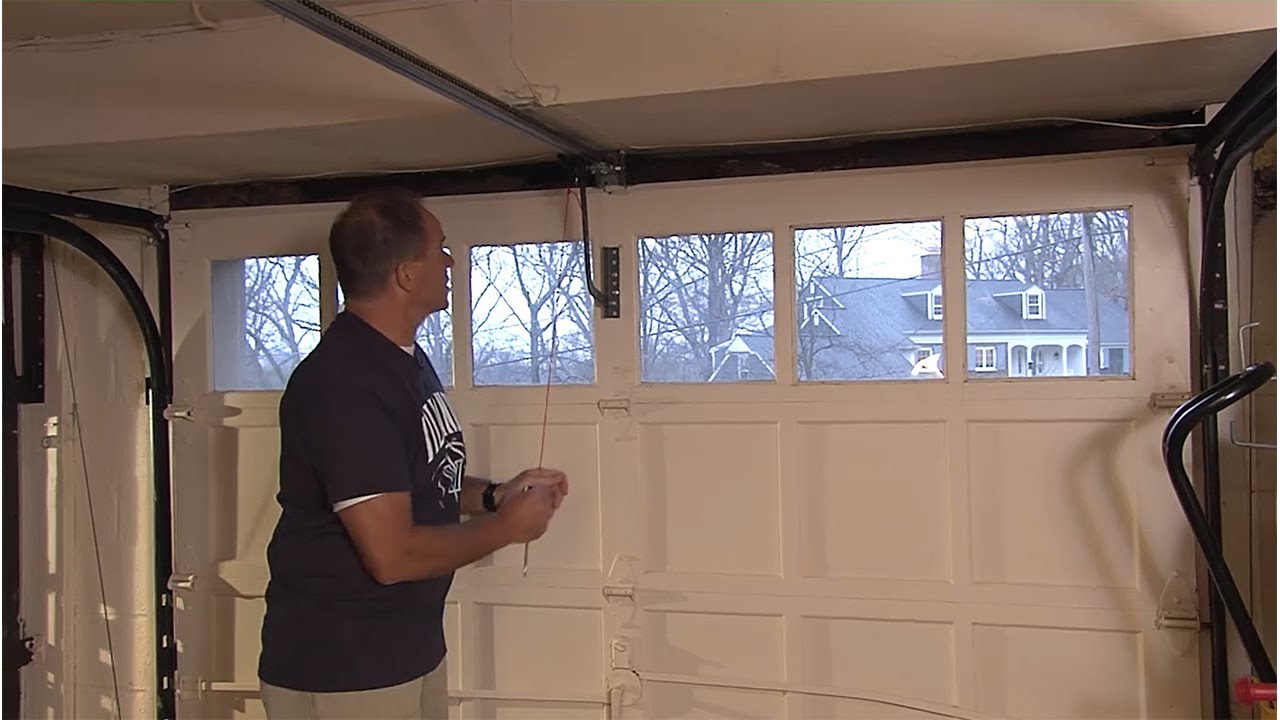
- Manual release: Pull the emergency cord to operate manually.
If your door still doesn’t move, check the next steps.
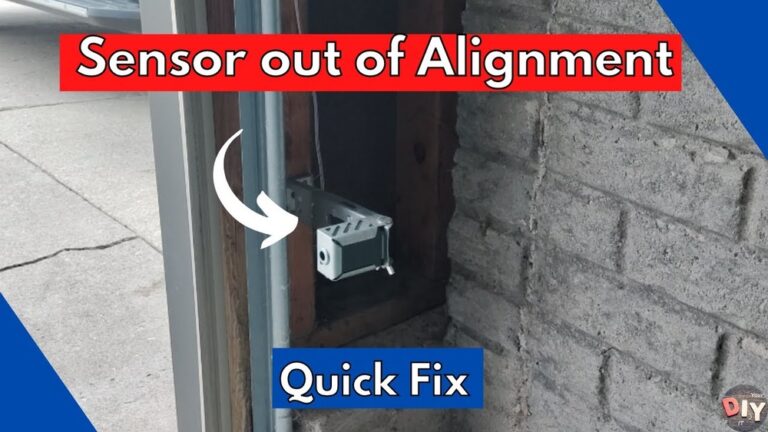
3. Realigning Sensors
Sensors are often at the base of the door. If they are dirty or misaligned, your door may not close.
- Clean the sensor lenses with a soft cloth.
- Make sure both sensors face each other directly.
- If the light on the sensor blinks, realign them.
A small misalignment can stop the door from working. Beginners often miss this simple fix.
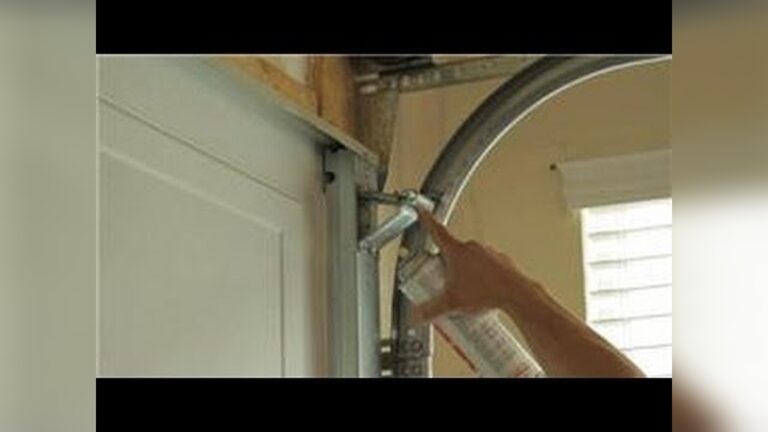
4. Lubricating Moving Parts
A noisy garage door is often due to dry or rusty parts:
- Use a garage door lubricant (not WD-40) on rollers, tracks, hinges, and springs.
- Wipe away old grease and dirt.
- Lubricate every 6 months for smooth operation.
This is an easy task that prevents bigger problems.
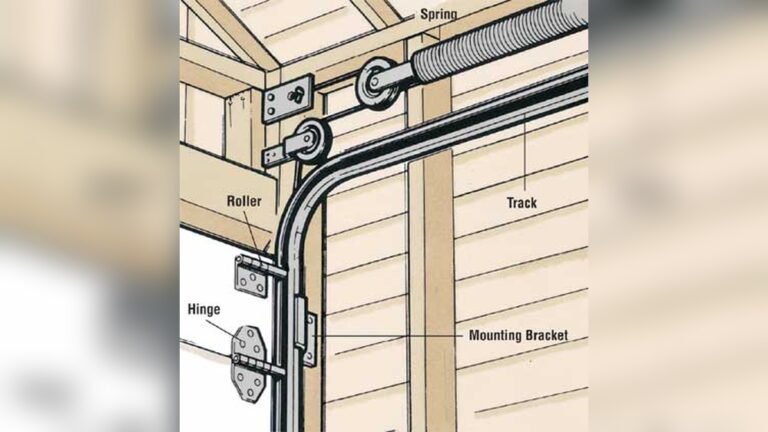
5. Fixing Garage Door Tracks
If the door moves unevenly or comes off track:
- Check for bends or gaps in the tracks.
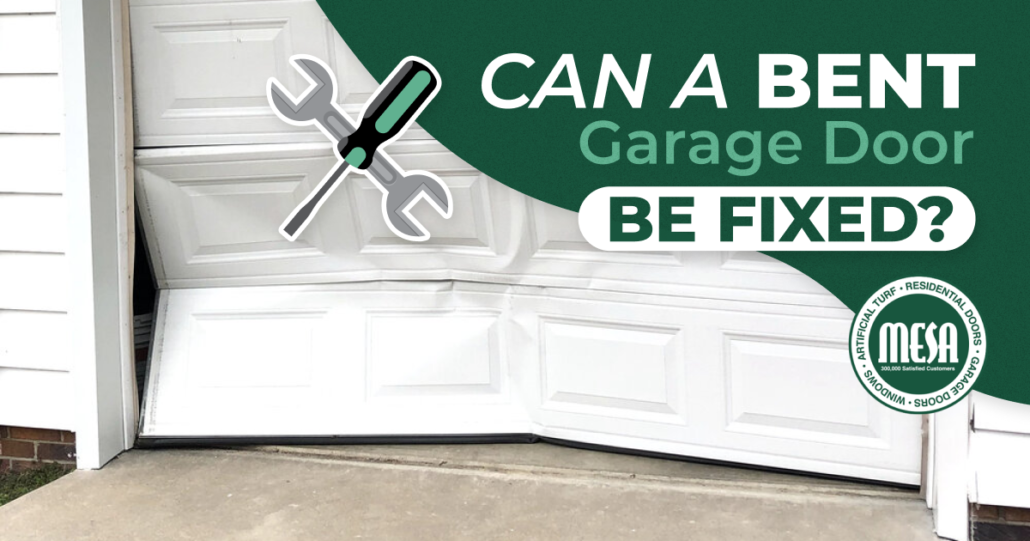
- Use a rubber mallet to straighten minor bends.
- Tighten loose screws.
If the door is off the track, gently lift it back into place.
6. Repairing Broken Springs And Cables
Springs and cables are dangerous. If you notice a broken spring:
- Do NOT try to fix torsion springs yourself.
- Only replace extension springs if you know how.
- Cables can be replaced with the right tools, but this is advanced.
If your door feels heavy or won’t stay up, springs may be the problem. Call a professional if you’re unsure.
7. Adjusting Garage Door Opener Settings
Sometimes the opener needs adjustment:
- Find the limit switches on the opener unit.
- Adjust up or down if the door doesn’t fully open or close.
- Check the force setting if the door reverses unexpectedly.
Most openers have simple dials or screws for adjustment. Always refer to your manual.
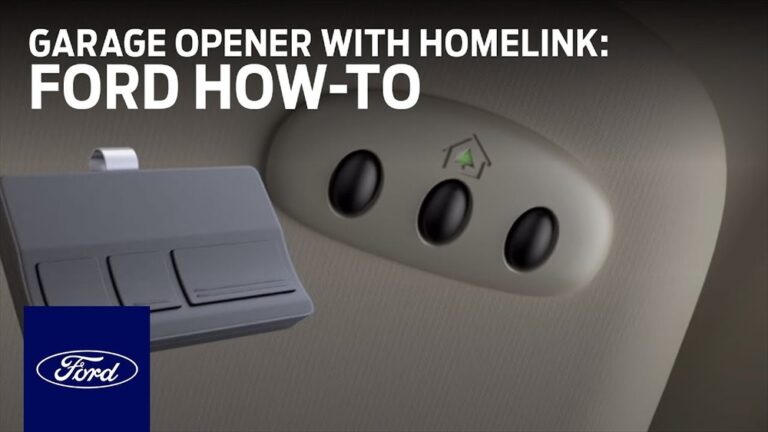
8. Replacing Garage Door Remote Batteries
If your remote stops working:
- Remove the cover.
- Replace the batteries (check the type, usually AAA or coin cell).
- Test the remote after replacing.
A dead battery is a common, easy fix.
Practical Example: Fixing A Garage Door That Won’t Close
Let’s walk through a real-life example:
- The door won’t close. First, check for objects under the door.
- Look at the sensor lights. If one is blinking, clean and realign.
- Try closing again. If it works, the problem was the sensor.
- If not, check the opener settings for the closing limit.
This simple process solves most beginner issues. Most homeowners find sensor alignment is the answer.
Credit: home.howstuffworks.com
Data: Garage Door Repair Costs
If you fix it yourself, you save money. Here’s a comparison:
| Repair Type | DIY Cost | Professional Cost |
|---|---|---|
| Sensor alignment | $0 – $20 | $80 – $150 |
| Lubrication | $5 – $15 | $75 – $120 |
| Spring replacement | $40 – $80 (parts only) | $150 – $350 |
| Remote battery | $2 – $10 | $20 – $50 |
Doing repairs yourself saves money, but only do what feels safe.
Tips For Preventing Garage Door Problems
Regular care can keep your garage door working for years:
- Inspect monthly for loose parts.
- Lubricate every 6 months.
- Clean sensors regularly.
- Replace batteries yearly.
- Watch for signs of wear, like frayed cables or noisy movement.
Beginner tip: Write down when you last serviced your door. This avoids forgetting.
Credit: www.youtube.com
When To Call A Professional
Some repairs are too dangerous for beginners:
- Broken torsion springs
- Serious cable damage
- Electrical issues
- Major track bends
If your repair feels risky, don’t hesitate to contact an expert. Safety always comes first.
Non-obvious Insights
- Weather changes can affect garage doors. Cold makes parts contract, causing jams. Hot weather can warp tracks. Adjust maintenance based on the season.
- Many beginners forget to check the wall switch. If the remote works but the wall switch doesn’t, the wiring may be loose. Check connections behind the switch.
Credit: www.mesagaragedoors.com
Common Mistakes Beginners Make
- Trying to fix springs without training.
- Not disconnecting power.
- Using the wrong lubricant (never use WD-40).
- Ignoring small noises, which become bigger problems.
- Forgetting to check both sensors.
Avoid these mistakes to stay safe and keep your door working well.
Garage Door Opener Compatibility
If you need to replace your opener, match the type and horsepower to your door:
| Door Size | Recommended Opener HP | Compatibility |
|---|---|---|
| Single car (8×7 ft) | 1/2 HP | Most brands |
| Double car (16×7 ft) | 3/4 HP | Heavy duty models |
| Oversized | 1 HP | Specialized openers |
Using the right opener ensures smooth and safe operation.
Frequently Asked Questions
How Do I Know If My Garage Door Spring Is Broken?
If your door feels heavy, won’t stay open, or you see a gap in the spring, it’s likely broken. Never touch a broken spring. Call an expert.
Why Won’t My Garage Door Remote Work?
Check the batteries first. If new batteries don’t fix it, reprogram the remote. Look in your opener manual for instructions.
Is It Safe To Fix Garage Door Cables Myself?
Cables hold a lot of tension. For minor cable replacements, it can be safe if you follow instructions. For major damage, always call a professional.
How Often Should I Lubricate My Garage Door?
Lubricate the rollers, tracks, and springs every 6 months. This keeps the door running smoothly and prevents wear.
What Should I Do If The Garage Door Won’t Close Fully?
Check for obstructions, clean and realign the sensors, and adjust the opener’s limit settings. If these steps don’t work, check for bent tracks.
Fixing a garage door may seem challenging for beginners, but with careful steps, most problems are easy to solve. Remember to start with simple checks, stay safe, and know when to call for help. Regular maintenance is the best way to prevent issues and keep your door running smoothly year-round. For more detailed repair information, visit Family Handyman. Take your time, follow each step, and your garage door will be working like new.