
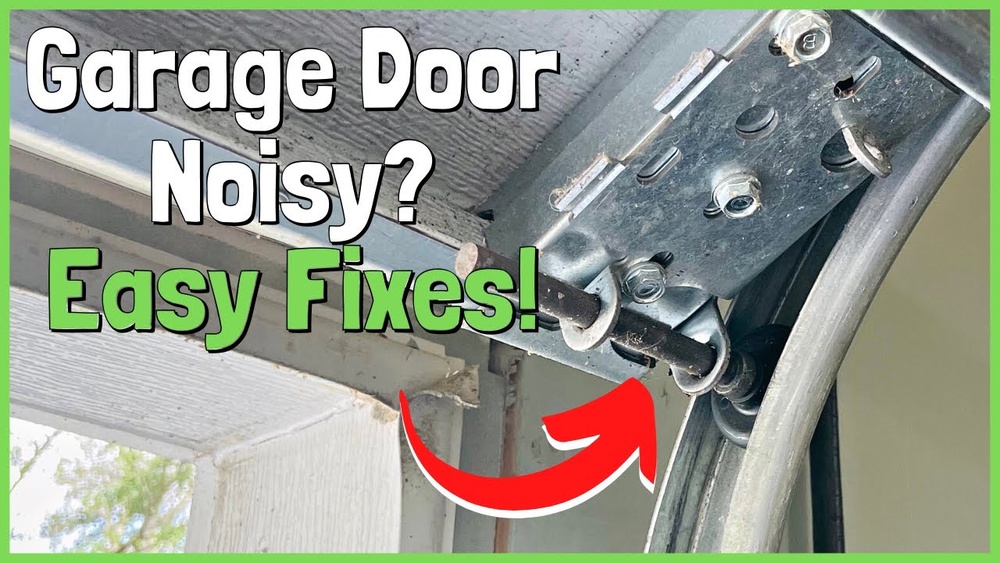
If your garage door is making loud noises, you’re not alone. Many homeowners notice strange sounds when opening or closing their garage doors. These noises can be annoying, but they’re also important signs that something might need attention. Understanding why your garage door is so loud can help you find solutions quickly, prevent bigger problems, and make your home safer and quieter.
Let’s explore the main reasons garage doors get noisy, how to identify the causes, and what you can do to fix them. You’ll also learn some practical tips, see real examples, and find answers to common questions—all explained in simple, clear language.
Common Reasons Garage Doors Are Loud
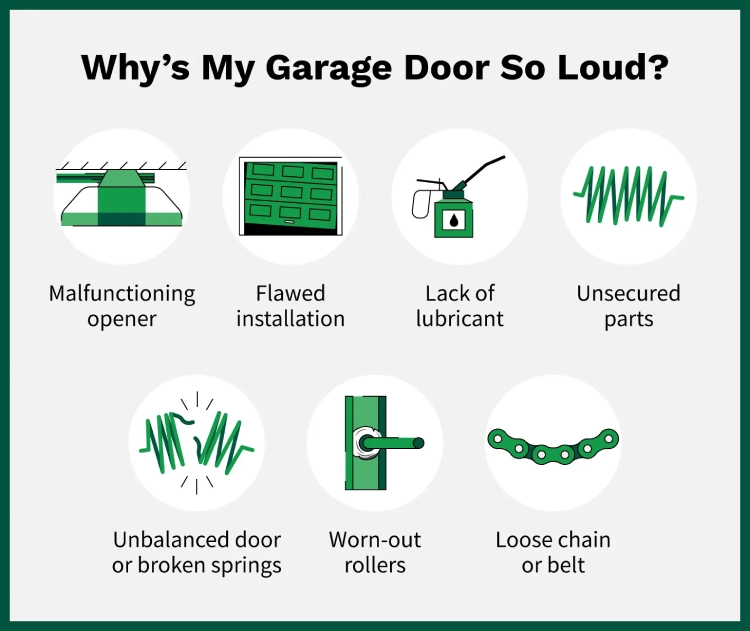
A loud garage door usually means something isn’t working smoothly. Here are the most frequent causes:
- Lack of Lubrication
- Most garage doors have metal parts that rub against each other.
- Without enough lubrication, these parts create squeaking or grinding noises.
- Lubricating moving parts at least twice a year can reduce noise.
- Loose Hardware
- Garage doors have many bolts, nuts, and screws.
- Over time, these can become loose due to vibration.
- Loose hardware causes rattling or clanking sounds.
- Worn Rollers
- Rollers help the door move along the tracks.
- If they’re old or damaged, they make thumping or scraping noises.
- Rollers usually last 5–7 years, depending on usage.
- Misaligned Tracks
- Tracks guide the door as it moves up and down.
- If tracks are bent or out of alignment, the door can make grinding or jerking sounds.
- Broken Springs
- Springs support the weight of the door.
- When springs are damaged, you’ll hear loud bangs or snapping sounds.
- Old Motor
- Garage door openers have motors.
- Older motors often become noisy with age, making humming, buzzing, or whining sounds.
Example
If your garage door squeaks every time it opens, it’s often a sign that the metal parts need lubrication. If you hear a loud bang, it could mean a spring has snapped—a serious issue that needs immediate attention.
How To Identify The Exact Cause
Finding out why your garage door is loud isn’t just about listening. Observing the door’s movement and checking parts closely makes a big difference.
Step-by-step Diagnosis
- Watch the Door in Action: Open and close the door while listening for specific sounds.
- Check Moving Parts: Look at rollers, hinges, and tracks for wear or damage.
- Test Hardware: Gently wiggle bolts and screws to see if they’re loose.
- Inspect Springs: Look for gaps, cracks, or rust on springs.
- Observe the Motor: Notice if the opener is louder than usual.
Real Example
Suppose you notice a rattling noise when the door moves. After checking, you find a loose bolt near the hinge. Tightening it fixes the noise. This simple observation and action can prevent bigger repairs later.

Credit: www.reddit.com
How Loud Is Too Loud? Comparing Garage Door Noises
Not all garage door noises are equal. Some are normal; others signal trouble. Here’s a practical comparison:
| Noise Level | Typical Cause | Action Needed |
|---|---|---|
| Soft humming | Opener motor | Normal, no action |
| Squeaking | Dry hinges/rollers | Lubricate parts |
| Rattling | Loose hardware | Tighten bolts/screws |
| Loud bang | Broken spring | Call a professional |
| Grinding | Misaligned tracks | Adjust tracks |
Most garage doors make some noise, but if it’s new, sudden, or very loud, it’s a sign to check things closely.
Practical Solutions To Quiet A Loud Garage Door
Once you know the cause, taking action can make your garage door much quieter. Here are practical ways to fix common problems:
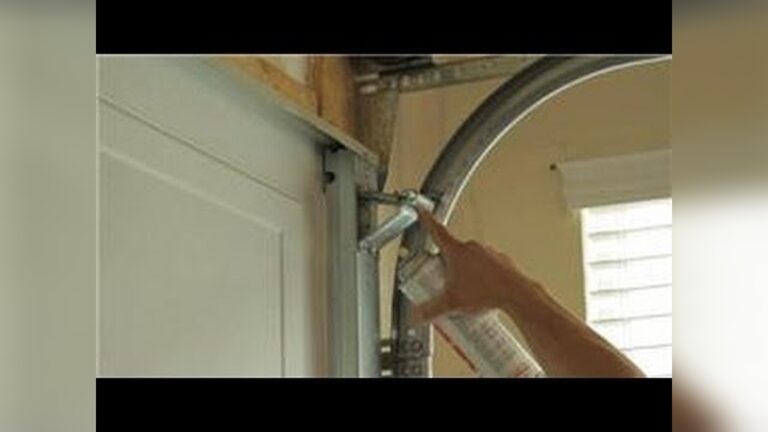
Lubricate All Moving Parts
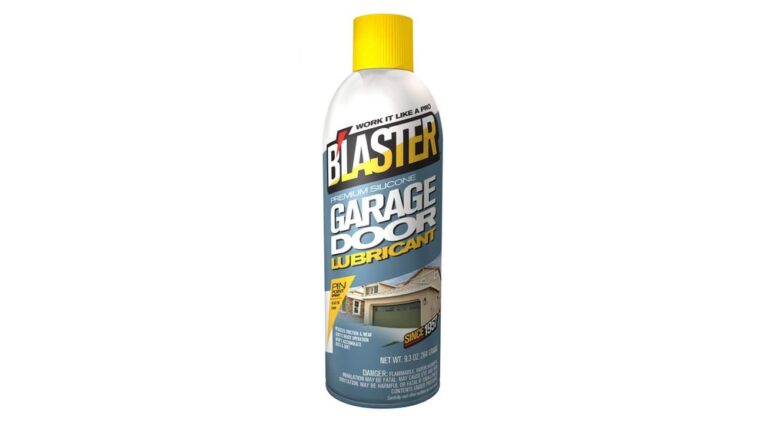
- Use a silicone-based spray or garage door lubricant (not WD-40).
- Apply to rollers, hinges, tracks, and springs.
- Wipe off any excess oil to avoid dirt buildup.
Tighten Hardware
- Use a wrench or screwdriver to check all bolts and screws.
- Tighten any loose parts, but don’t over-tighten.
- Pay special attention to hinges and roller brackets.
Replace Worn Rollers
- Choose nylon rollers for less noise compared to metal ones.
- Rollers are easy to replace with basic tools.
- New rollers can reduce noise by up to 50%.
Adjust Or Align Tracks
- Look for bends or gaps in the tracks.
- Loosen track screws, realign, then retighten.
- Make sure tracks are parallel and not too close to the door.
Check And Replace Springs
- Springs are under high tension and can be dangerous.
- If you notice damage, call a professional for replacement.
- Never try to fix or replace springs yourself.
Upgrade The Opener
- Newer garage door openers are quieter and more efficient.
- Belt-drive openers are much quieter than chain-drive models.
- If your opener is over 10 years old, consider an upgrade.
Data: How Much Quieter Can Your Garage Door Be?
Changing just a few parts can make your garage door much quieter. Here’s a comparison of noise levels before and after common fixes:
| Fix | Average Noise Reduction (dB) | Typical Result |
|---|---|---|
| Lubrication | 8–12 | Squeaks gone, smoother sound |
| Nylon rollers | 15–18 | Less vibration, softer movement |
| New opener | 20–25 | Quiet motor, minimal hum |
A garage door that starts at 70 dB (as loud as a vacuum cleaner) can drop to 50 dB (like normal conversation) with proper maintenance.
What Beginners Often Miss
Some homeowners think loud garage doors are normal or just a sign of age. But ignoring the noise can lead to expensive repairs or even accidents. Here are two insights beginners usually miss:
- Ignoring small noises: Even a little squeak can mean a bigger problem is starting. Fixing issues early is cheaper and safer.
- Choosing the wrong lubricant: Many people use household oil or WD-40. These attract dirt and make things worse. Always use garage-specific lubricants.
Credit: www.precisiondoor.net
When To Call A Professional
Not all repairs are safe for DIY. Here’s when you should contact an expert:
- Broken springs: These are dangerous and need special tools.
- Major track alignment: If tracks are badly bent, a professional can fix them safely.
- Electric opener issues: If the motor is smoking, sparking, or won’t start, call a technician.
Preventing Loud Garage Doors In The Future
Regular maintenance keeps your garage door quiet and working well. Simple steps include:
- Lubricate moving parts every 6 months.
- Tighten hardware each season.
- Check rollers and tracks for signs of wear.
- Listen for new noises and fix them quickly.
Example: Seasonal Maintenance Checklist
- Lubricate hinges, rollers, and springs.
- Tighten all bolts and screws.
- Clean tracks with a dry cloth.
- Test the opener for smooth operation.
Credit: www.youtube.com
Cost Comparison: Diy Vs. Professional Repair
How much does it cost to fix a loud garage door? Here’s a comparison:
| Repair Type | DIY Cost | Professional Cost | Difficulty |
|---|---|---|---|
| Lubrication | $10–$20 | $50–$75 | Easy |
| Roller replacement | $25–$40 | $100–$150 | Medium |
| Spring replacement | Not safe | $150–$300 | Hard |
Most simple fixes are affordable and easy to do. For complex repairs, hiring a professional is safer and prevents accidents.
Real-life Example: Quieting A Noisy Garage Door
Imagine you hear loud grinding when opening your garage door. You check the tracks and find they’re misaligned. After loosening the track screws, adjusting the tracks, and retightening them, the noise is gone.
You also notice squeaky rollers. Replacing them with nylon rollers makes the door even quieter. In total, you spend about $50 and a few hours, but your garage door now sounds smooth and safe.
Frequently Asked Questions
Why Is My Garage Door Suddenly So Loud?
A sudden loud noise often means a part has broken, like a spring or roller. If your door bangs or grinds, check for damage and call a professional if needed.
Can I Fix A Noisy Garage Door Myself?
Yes, many fixes are simple. Lubricating parts, tightening hardware, and replacing rollers are easy for most people. For springs or opener issues, call an expert.
What Is The Best Lubricant For Garage Doors?
Use a silicone-based spray or garage door-specific lubricant. Avoid WD-40 or household oils because they attract dust.
How Often Should I Maintain My Garage Door?
Maintain your door every 6 months. Lubricate moving parts, check hardware, and inspect rollers and tracks for wear.
Are Nylon Rollers Better Than Metal Rollers?
Yes, nylon rollers are quieter and last longer. They reduce vibration and noise compared to metal rollers.
Making your garage door quieter is not hard if you know where to look and what to do. Regular maintenance, the right tools, and quick action keep your garage door running smoothly. If you ever need expert advice or want to learn more, visit the Family Handyman for extra tips and guidance. With these steps, your garage door can sound as quiet as your living room—making your home more comfortable and safe.