
Installing a garage door may look complex, but with the right guide, even beginners can do it safely. Whether you’re upgrading your old door or building a new garage, learning how to install a garage door saves money and gives you control over your project.
This article walks you through every step, explains key terms, and shares practical tips that most first-timers miss. You’ll also find comparison tables and answers to common questions, making this a complete resource for anyone wanting to install a garage door.
Understanding Garage Door Types
Before starting, you need to pick the right garage door type for your home. Each type has different installation needs.
| Type | Features | Ease of Installation |
|---|---|---|
| Sectional | Panels that slide up and overhead | Moderate |
| Roll-up | Rolls into a cylinder above the door | Easy |
| Side-hinged | Opens outward like traditional doors | Easy |
| Slide to the Side | Moves along the wall parallel to garage | Moderate |
Most homeowners choose sectional doors because they’re widely available and fit most garages. If you’re a beginner, a roll-up or side-hinged door may be simpler to install.
Tools And Materials Needed
Proper tools are essential for safe and efficient installation. Make sure you have the following:
- Tape measure (at least 25 ft)
- Hammer
- Power drill with bits
- Level
- Wrench set
- Screwdriver set
- Pliers
- Stepladder
- Safety glasses
- Gloves
- Garage door kit (panels, tracks, springs, hardware)
- Weatherstripping
- Door opener (optional)
Having all these ready saves time and prevents mistakes. Beginners often forget safety glasses or gloves, leading to minor injuries. Always protect yourself.
Credit: www.idealdoorgaragedoors.com
Measuring Your Garage Opening
Accurate measurements are critical. If your door doesn’t fit, you’ll waste money and time.
- Measure the width and height of your garage opening.
- Check the headroom (distance from top of opening to ceiling).
- Measure the backroom (distance from opening to back wall).
- Note the side room (space beside the opening for tracks).
| Measurement | Recommended Minimum | Why It Matters |
|---|---|---|
| Headroom | 12 inches | Space for tracks/springs |
| Backroom | Door height + 18 inches | Clearance for door movement |
| Side room | 3.5 inches each side | Space for track brackets |
If your garage doesn’t meet these minimums, you may need special hardware or a custom door.
Preparing The Garage
A clean, ready workspace makes installation much smoother.
- Remove any old door and hardware.
- Clear objects near the opening.
- Check for damage in the frame, walls, or ceiling.
- Repair any cracks or weak spots.
- Mark center points on the opening and ceiling.
Beginners often skip cleaning or repairs, which leads to uneven installation and problems later.
Assembling The Garage Door
Most garage doors arrive in a kit. Follow these steps:
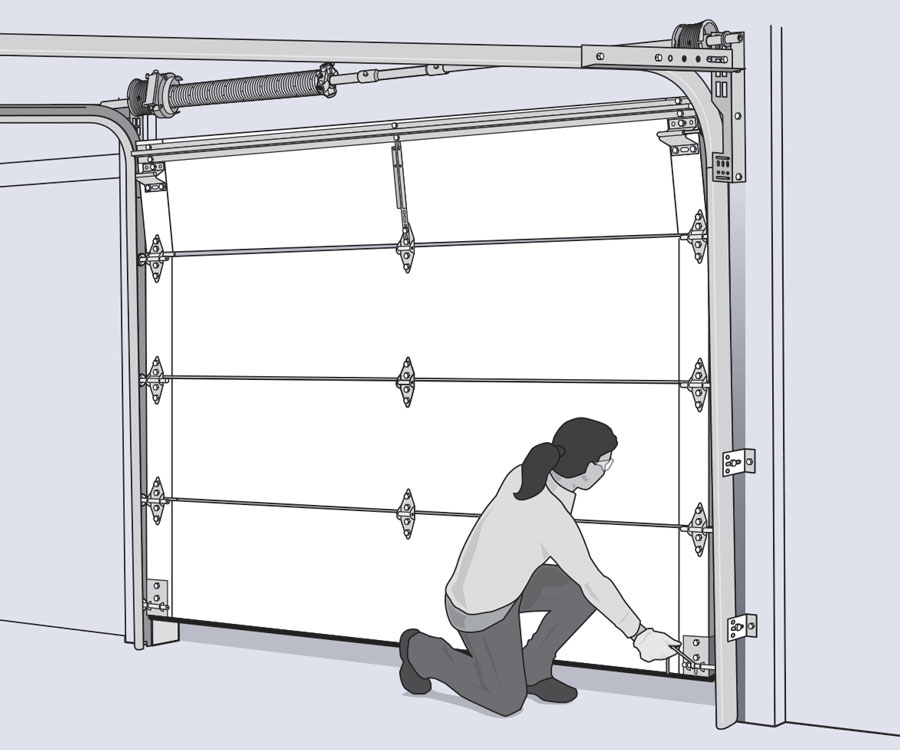
- Lay out panels on the floor, starting with the bottom panel.
- Attach hinges and handles to the bottom panel.
- Secure weatherstripping to the bottom edge.
- Stack the next panel on top of the first, connecting hinges.
- Repeat until all panels are assembled.
Tip: Keep panels straight and aligned. Use a level after each step. Small misalignments can cause the door to jam.
Installing Tracks And Rollers
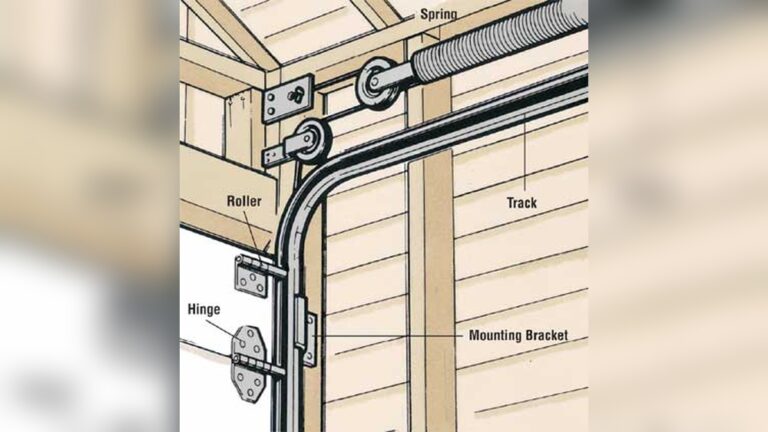
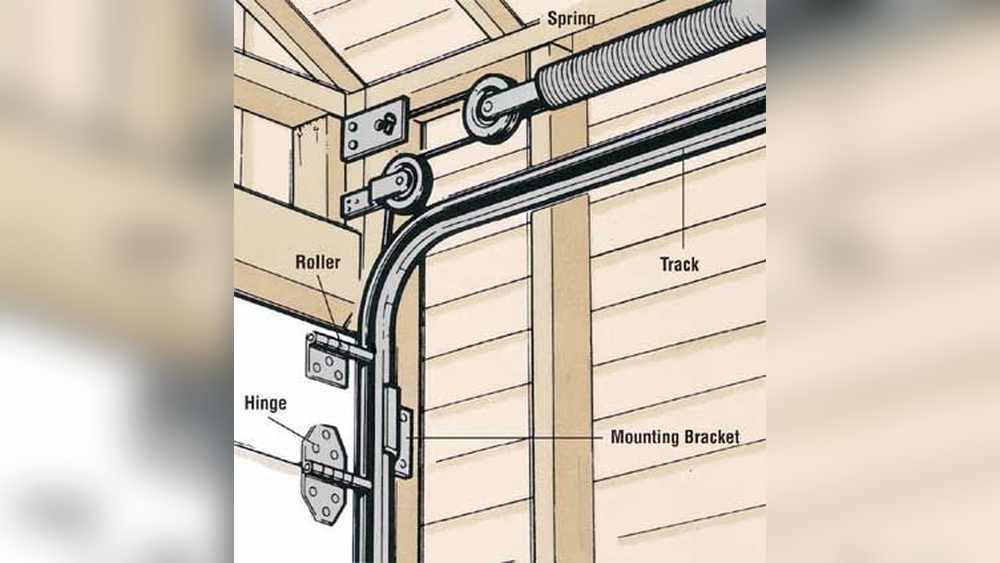
Tracks guide the door as it opens and closes. Rollers allow smooth movement.
- Attach vertical tracks to each side of the opening.
- Insert rollers into the hinges.
- Place rollers into the tracks, starting with bottom panel.
- Secure tracks to the frame with brackets.
- Connect horizontal tracks to ceiling supports.
Beginners sometimes forget to tighten brackets fully, which causes rattling or instability. Use your wrench set to ensure all bolts are snug.
Mounting The Springs And Cables
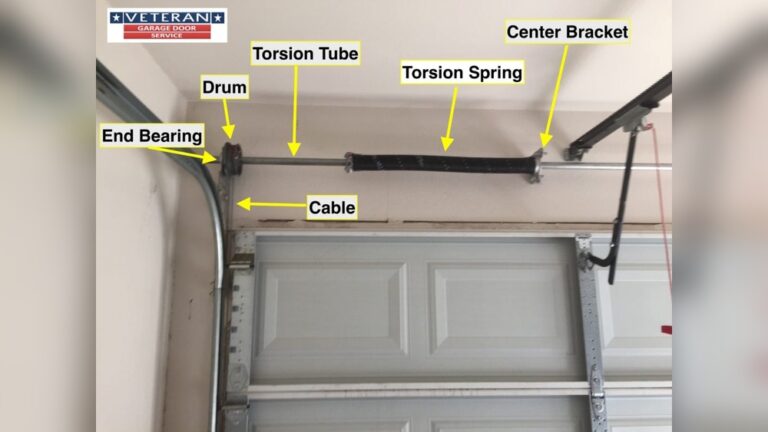
Springs balance the weight of the door, making it easy to lift. Cables work with springs to move the door safely.
Types Of Springs
- Torsion Springs: Mounted above the door, used in most sectional doors.
- Extension Springs: Attached to sides, used in lighter doors.
Always follow the manufacturer’s instructions. Springs are under tension and can be dangerous.
- Attach springs to the brackets as shown in your kit.
- Thread cables through pulleys and attach to door bottom.
- Use pliers to adjust tension.
- Double-check all connections.
Non-obvious tip: If your door feels heavy or doesn’t stay up, spring tension may be wrong. Adjust it slowly and carefully.
Hanging The Door And Adjusting Alignment
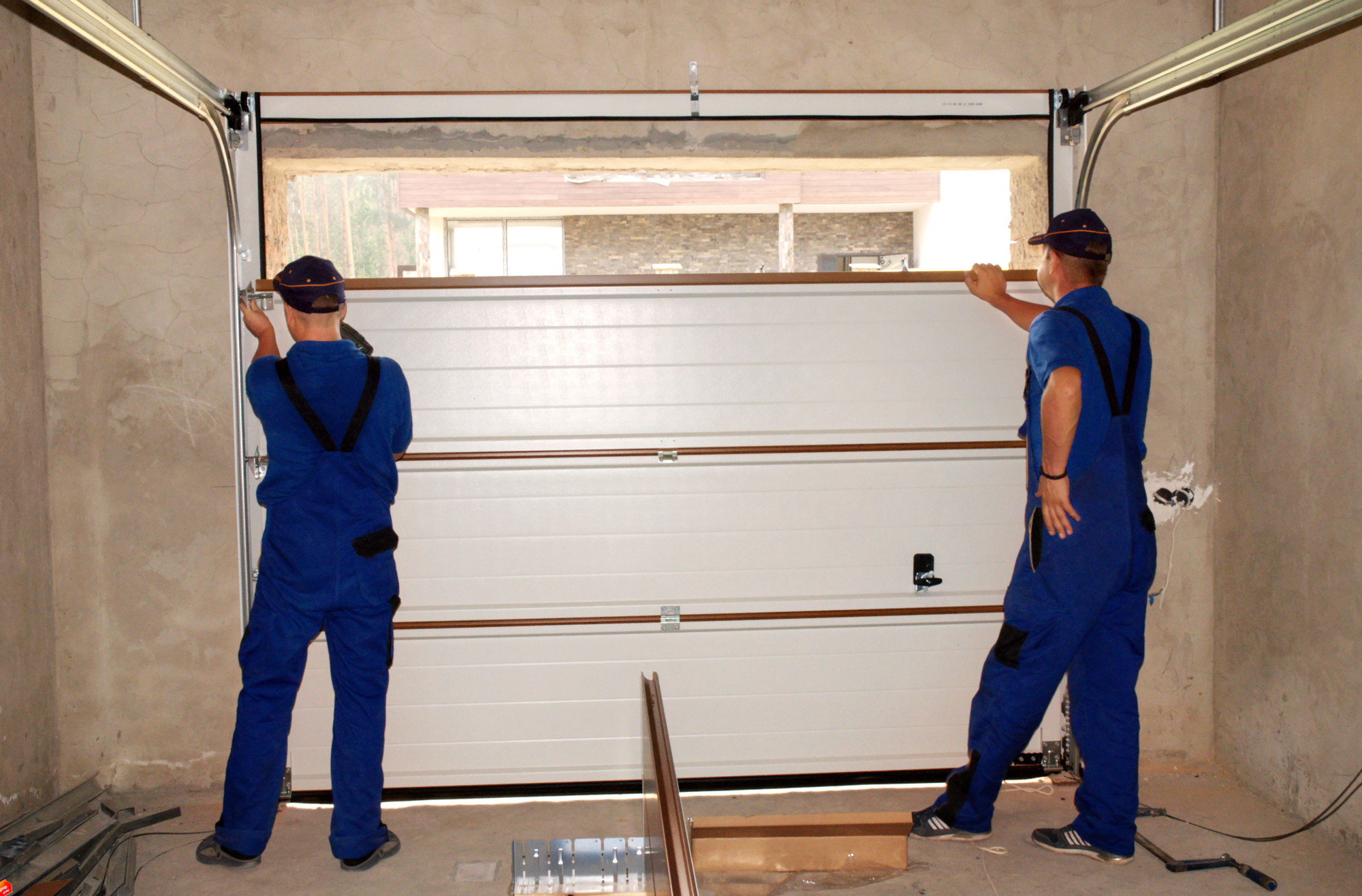
Now, lift the assembled door panels into place.
- With a helper, raise the door into the tracks.
- Secure panels to tracks with hardware.
- Check alignment using a level and adjust as needed.
- Test manual opening and closing several times.
A common beginner mistake is skipping the alignment check. This leads to noisy operation or the door getting stuck. Spend extra time here.
Installing The Garage Door Opener (optional)
If you want automatic opening, install an electric opener.
- Mount opener to ceiling center, above the door.
- Attach rail to opener and connect to door.
- Install sensors at bottom sides of opening.
- Plug in and test operation.
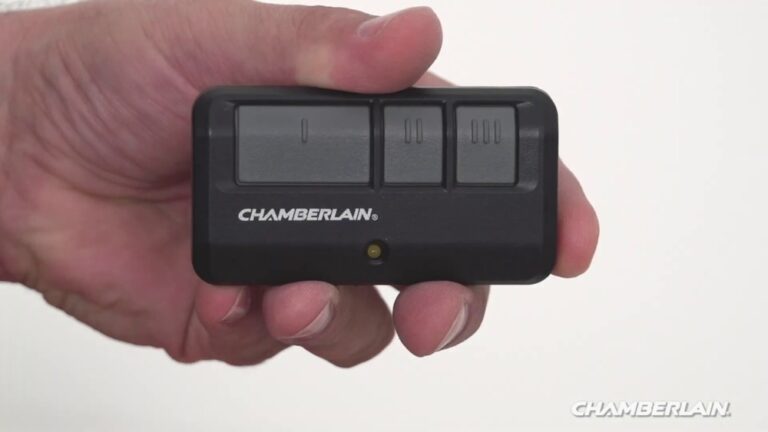
Example: Most US homes use openers like the Chamberlain B550, which can lift doors up to 300 lbs. Make sure your opener matches your door weight.
Adding Weatherstripping And Final Checks
Weatherstripping keeps out wind, rain, and pests.
- Attach strips to top, sides, and bottom of door.
- Check for gaps and seal them.
- Test door operation again.
- Tighten any loose hardware.
Weatherstripping is often overlooked, but it improves energy efficiency and protects your garage.

Credit: omegadoor.com
Safety Tips For Beginners
Installing a garage door involves heavy parts and tensioned springs. Follow these safety rules:
- Always wear safety glasses and gloves.
- Never touch springs directly when under tension.
- Use a sturdy stepladder.
- Ask for help when lifting panels.
- Keep children and pets away from work area.
Non-obvious tip: Many injuries happen during adjustment, not installation. Take breaks and check your work often.
Troubleshooting Common Problems
Sometimes things don’t go as planned. Here’s how to fix frequent issues:
- Door won’t open smoothly: Check track alignment and roller lubrication.
- Door is noisy: Tighten all bolts and check for loose parts.
- Door feels too heavy: Adjust spring tension.
- Opener doesn’t work: Check sensor alignment and power.
If problems persist, consult your door manufacturer or a professional installer. For deeper technical details, the Family Handyman guide is a reliable source.
Cost And Time Estimates
Installing a garage door is a big project, but you can save hundreds of dollars by doing it yourself.
| Door Type | DIY Cost (USD) | Time Needed |
|---|---|---|
| Sectional | $400–$900 | 4–7 hours |
| Roll-up | $300–$700 | 3–6 hours |
| Side-hinged | $250–$600 | 2–4 hours |
If you hire a professional, expect to pay $800–$1800 including installation. DIY is more affordable, but take your time and follow every step.
Practical Tips Most Beginners Miss
- Mark all measurements before starting. Double-check numbers.
- Organize hardware in small containers for easy access.
- Read the manual fully—even pros make mistakes by skipping instructions.
- Check local building codes. Some areas require permits for new doors.
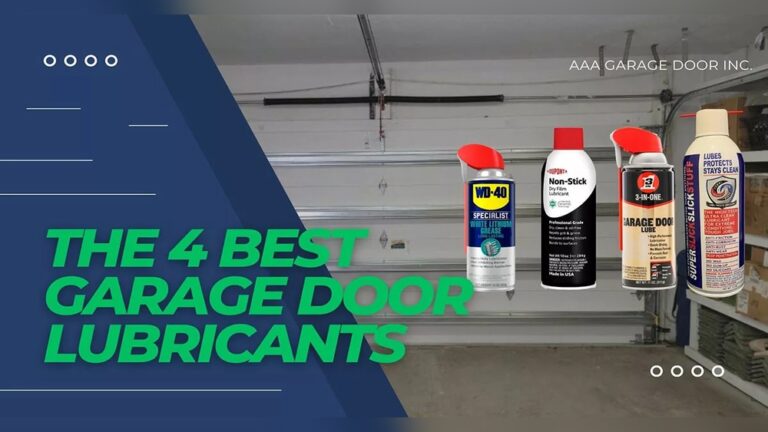
- Lubricate tracks and rollers before first use for smooth operation.
These extra steps make installation easier and prevent future problems.
Credit: schaeferdoor.com
Frequently Asked Questions
What Is The Easiest Garage Door For Beginners To Install?
Side-hinged doors are usually the easiest for beginners. They require less hardware, no springs, and simple hinges. Roll-up doors are also beginner-friendly if you have a small garage.
Can I Install A Garage Door By Myself?
You can, but it’s safer and easier with a helper. Garage doors are heavy and require lifting. Springs can be dangerous. Two people make the work faster and safer.
How Long Does Garage Door Installation Take?
Most beginners finish in 4–7 hours if they follow instructions and have all tools ready. If you add an opener, plan for extra time.
What Safety Precautions Should I Follow?
- Wear safety gear: Glasses, gloves
- Keep children and pets away
- Use a strong ladder
- Never touch springs under tension
Do I Need A Permit To Install A Garage Door?
Some cities require permits, especially for new construction. Check your local regulations before starting. If unsure, call your city office for guidance.
Installing a garage door is a rewarding project that adds value and security to your home. With careful planning, the right tools, and these beginner-friendly steps, you can achieve a professional finish without paying for installation. Remember to check measurements, follow safety rules, and don’t rush.
Your garage door will work smoothly and look great for years to come.