
If your garage door slips off its track, it can be frustrating and even dangerous. Many homeowners face this problem at least once, especially with older or heavily used garage doors. The good news? Getting your garage door back on track is usually possible with some basic tools, a little patience, and the right steps. This guide will walk you through everything you need to know, from why doors go off track to practical tips for safe repair. Whether you want to fix it yourself or just understand what a pro will do, you’ll find clear, step-by-step help here.
Why Garage Doors Go Off Track
Understanding why your garage door jumps the track helps prevent future problems. Common reasons include:
- Obstructions: Objects, rocks, or debris in the tracks can push rollers out.
- Damaged rollers or tracks: Bent, worn, or broken parts force the door out of alignment.
- Loose hardware: Bolts and brackets that hold the track can loosen over time.
- Broken cables or springs: These parts balance the door. If they fail, the door can shift or tilt.
- Impact: Sometimes, a car or other force hits the door, knocking it off track.
Non-obvious insight: Small problems, like a slightly bent track or a single loose bolt, often start the process. Fixing these early prevents bigger repairs later.
Safety First: What You Need To Know
Garage doors are heavy. Mishandling them can cause injury. Before you start:
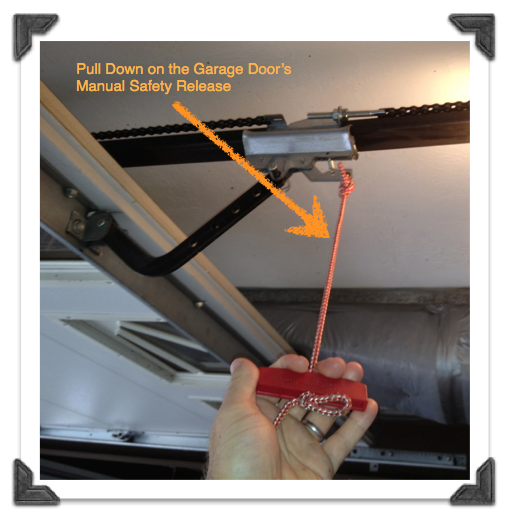
- Disconnect the opener: Always pull the emergency release cord to stop automatic movement.
- Work with a helper: Garage doors can weigh over 150 pounds. Don’t try to move them alone.
- Wear gloves and safety glasses: Metal edges and springs can be sharp or snap suddenly.
- Don’t force the door: Forcing a stuck door can warp tracks or break rollers.
Beginner mistake to avoid: Trying to fix a door with a broken spring yourself. Springs are under high tension and can cause serious injury. Call a pro for spring issues.
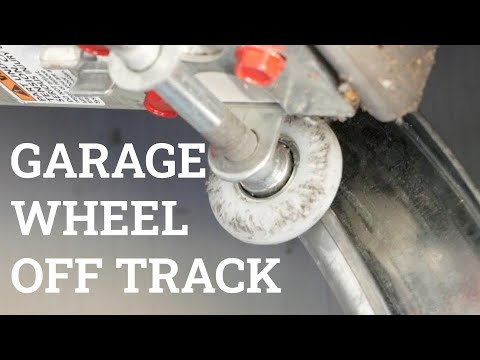
Credit: www.youtube.com
Tools And Materials You’ll Need
Before you get started, gather these items:
- Adjustable wrench
- Flathead screwdriver
- Pair of locking pliers
- Rubber mallet
- Stepladder
- Clean cloth or brush
- Light lubricant (like WD-40)
- Replacement rollers or bolts (if needed)
Having these tools ready saves time and helps you work safely.
Step-by-step: How To Get A Garage Door Back On Track
Follow these steps for a smooth repair process.
1. Disconnect The Opener And Secure The Door
- Pull the emergency release cord to detach the door from the opener.
- Lift the door manually. If it’s stuck, don’t force it; move to the next step.
2. Find The Problem Area
Walk along both tracks and look for:
- Bent or warped sections
- Debris or objects blocking the track
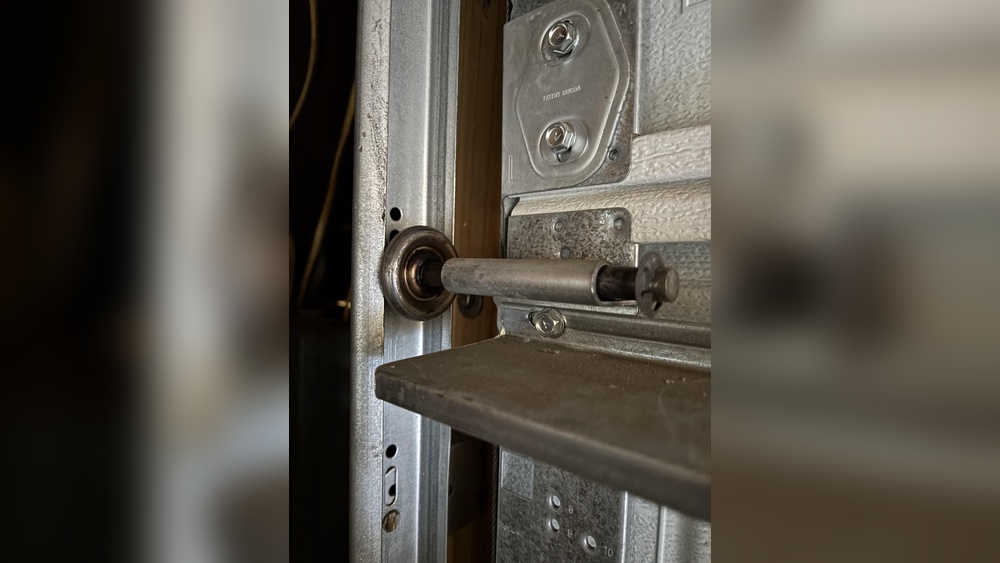
- Rollers that have popped out
Pro tip: Use a flashlight to spot small obstructions or damage.
3. Open The Track
- Use your pliers to gently bend open the track near where the roller has come off.
- Only open the track enough to guide the roller back in.
Example: If the roller is out near the bottom, open the track at that point, not the top.
4. Guide The Rollers Back In
- With the track open, carefully push or lift the rollers back into place.
- You may need a helper to hold the door steady.
5. Close And Realign The Track
- Use your rubber mallet to tap the track back into shape.
- Tighten any loose bolts or brackets with your wrench.
Beginner mistake: Leaving the track slightly bent can cause the problem to return. Make sure the track is straight and aligned.
6. Clean And Lubricate
- Wipe dust and debris from the tracks with a clean cloth.
- Apply a thin layer of light lubricant to the rollers and track.
7. Test The Door
- Reconnect the opener.
- Open and close the door several times to check for smooth movement.
- Listen for any grinding or scraping sounds.
If the door still sticks or comes off track, the problem may be with the rollers, springs, or cables.
Credit: www.garagedoorspokane.com
When To Call A Professional
Not all garage door issues are safe for DIY repairs. Call a technician if:
- The door is very heavy or hard to move
- The springs or cables are broken
- The track is badly bent or damaged
- You feel unsure or unsafe at any step
Professional repairs may cost more, but they can prevent injury and bigger expenses later.
Preventing Future Off-track Problems
A little maintenance goes a long way. Here’s how to keep your door on track:
- Inspect tracks monthly: Look for bends, gaps, or debris.
- Check rollers and hinges: Replace worn or cracked rollers before they fail.
- Tighten hardware: Use a wrench to snug bolts and brackets every few months.
- Lubricate moving parts: Spray a small amount of lubricant on rollers and hinges twice a year.
- Test the balance: Disconnect the opener and lift the door halfway. It should stay in place. If it falls or rises, call a pro to adjust the springs.
Non-obvious tip: Extreme weather (cold, humidity) can cause metal tracks to warp or rust. Inspect more often during seasonal changes.
Comparing Diy Vs. Professional Repair
Here’s a quick look at the differences between doing it yourself and hiring an expert:
| Factor | DIY Repair | Professional Repair |
|---|---|---|
| Cost | Low (usually under $50 for parts) | $100–$250 for basic service |
| Time | 1–3 hours | 30–60 minutes |
| Tools Needed | Common hand tools | None (provided by tech) |
| Safety Risk | Moderate to high (with springs/cables) | Low (trained experts) |
| Result Quality | Depends on skill and patience | Usually guaranteed |
Common Types Of Garage Door Tracks
Understanding your track type helps with repairs and replacements. The three main types are:
| Type | Description | Typical Use |
|---|---|---|
| Standard Lift | Straight vertical then horizontal track | Most residential doors |
| Vertical Lift | Track goes straight up, no horizontal part | Commercial or high-ceiling garages |
| High Lift | Combination of vertical and horizontal, higher clearance | Specialty or custom installations |
Tip: Most homes have the standard lift style. When buying replacement parts, confirm your track type for best fit.
Signs Your Garage Door Needs More Than A Track Fix
Sometimes, a door that goes off track means there’s a bigger problem. Watch for these warning signs:
- Repeated derailment: If the door keeps coming off, the track may be warped or the rollers worn out.
- Loud noises: Grinding or banging can mean serious misalignment.
- Door won’t move: If the opener strains but the door doesn’t move, springs or cables might be broken.
- Visible damage: Cracks, bent panels, or twisted tracks need professional attention.
If you spot these issues, a simple fix might not be enough. Get a full inspection to avoid future breakdowns.
What To Do If Your Door Is Stuck Halfway
A door stuck halfway can block your car and leave your home unsecured. Here’s what you can do:
- Don’t force it: Pushing or pulling hard can bend the tracks or break rollers.
- Check for obstructions: Look for objects or debris in the track.
- Try manual mode: Pull the emergency release cord and gently lift or lower the door.
- Secure the opening: If you can’t close the door, use a clamp or lock to prevent it from falling.
If the door still won’t move, call a professional. Forcing the door can cause more damage and cost more to fix.
Cost Of Garage Door Track Repairs
Costs vary depending on parts, labor, and the type of problem. Here’s a breakdown:
| Repair Type | DIY Cost | Professional Cost |
|---|---|---|
| Re-aligning Track | $0–$20 (just tools) | $100–$150 |
| Replacing Rollers | $10–$50 | $120–$200 |
| Fixing Cables/Springs | Not recommended | $150–$300 |
| Track Replacement | $30–$60 | $150–$400 |
Fact: Labor costs depend on your region and the company you hire. Always get a few estimates.
Example: Step-by-step For A Minor Off-track Door
Let’s say your door comes off track at the bottom right. Here’s a quick walk-through:
- Pull the emergency release cord to disconnect the opener.
- Use a stepladder to reach the bent part of the track.
- With locking pliers, open the edge of the track just enough to fit the roller.
- Carefully guide the roller into place.
- Tap the track straight with a rubber mallet.
- Tighten all bolts and brackets.
- Clean and lubricate the area.
- Reconnect the opener and test the door.
Most minor off-track issues take less than an hour to fix if you have the right tools.

Credit: www.youtube.com
Avoiding Common Mistakes
Beginners often make these errors:
- Skipping the safety check: Not disconnecting the opener can lead to sudden movement.
- Over-bending the track: Too much force can make the track weaker.
- Ignoring underlying issues: Fixing the track but missing a worn roller means the problem will return.
- Using the wrong lubricant: Heavy grease can attract dirt. Use a light spray lubricant instead.
Take your time, and follow each step carefully for best results.
Additional Resources
If you want to learn more about garage door maintenance and safety, check out the Family Handyman’s guide to garage door repair. It offers more photos and troubleshooting tips.
Frequently Asked Questions
What Causes A Garage Door To Go Off Track?
The main causes are obstructions, damaged rollers, loose hardware, or broken springs/cables. Impact from a car or heavy object can also force the door out of its tracks.
Can I Fix A Garage Door Track Myself?
Yes, you can fix minor track problems if you have basic tools and follow safety steps. However, if the springs or cables are damaged, call a professional for your safety.
How Much Does It Cost To Repair A Garage Door Track?
DIY repairs usually cost under $50 for parts, while professional repairs can range from $100 to $400 depending on the problem and your location.
How Do I Know If My Garage Door Track Needs Replacement?
If your track is bent, twisted, or cracked, or the door keeps coming off despite repairs, it may be time to replace the track.
How Can I Prevent My Garage Door From Going Off Track Again?
Regularly inspect, clean, and lubricate your tracks and rollers. Tighten bolts and check for damage monthly. Fixing small problems early keeps your door running smoothly.
Getting your garage door back on track is a project most homeowners can handle with patience and care. Regular maintenance is key to avoiding bigger problems. If you ever feel unsure, don’t hesitate to call an expert. Your safety and the security of your home are worth it.