
Hiding garage shelves is one of the simplest ways to make your garage look tidy and organized. Many people use their garage to store tools, sports gear, holiday decorations, or cleaning supplies. But open shelves often look messy—even when you sort and label everything.
If you want a cleaner, more welcoming garage, learning how to hide garage shelves is a smart first step.
You don’t need to be a professional to get great results. With a little planning and a few materials, you can hide shelves, reduce dust, and even boost your home’s value. This article explains beginner-friendly ways to cover garage shelves, compares different solutions, and shares practical tips for a more attractive and useful garage.
Why Hide Garage Shelves?
Before you start, it helps to know why hiding shelves matters. The benefits are more than just appearance.
- Visual appeal: Covered shelves make the garage look less cluttered.
- Dust protection: Covers keep items cleaner for longer.
- Safety: Hidden shelves can protect kids or pets from dangerous tools and chemicals.
- Home value: A tidy garage can improve first impressions if you sell your home.
Data from the National Association of Realtors shows that a well-organized garage can increase a home’s value by up to 5%. That’s real motivation to hide those shelves.
Popular Ways To Hide Garage Shelves
There are several ways to hide garage shelves. Each method has unique pros and cons. Here are the most common solutions.
1. Curtains
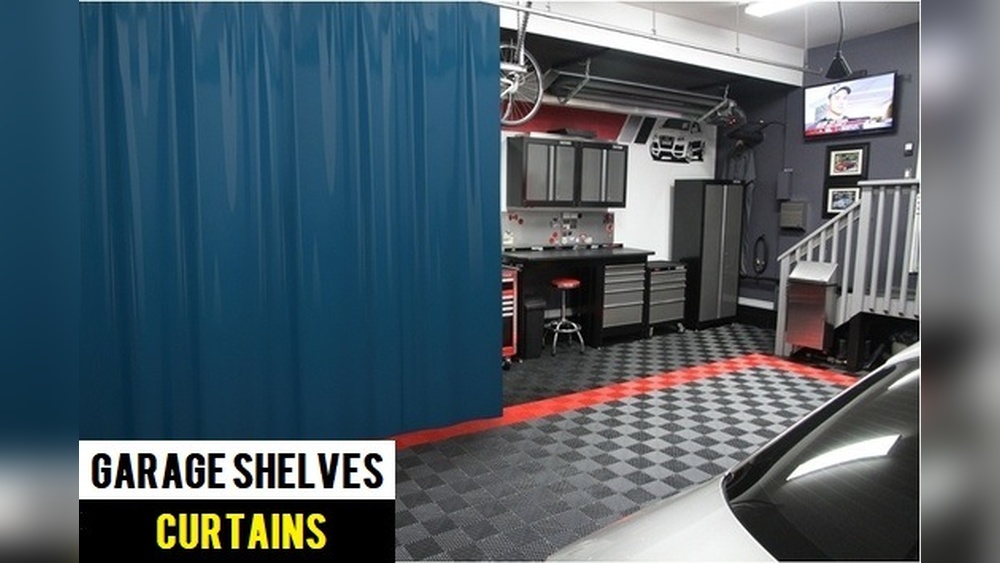
Garage shelf curtains are one of the easiest and cheapest options. You can install a curtain rod or wire above your shelves and hang fabric or vinyl curtains.
Pros:
- Low cost
- Easy to install and change
- Many colors and patterns
Cons:
- Not as durable as hard covers
- Can get dirty in dusty garages
Example: A set of basic curtains for an 8-foot shelf can cost as little as $20. Choose waterproof fabric for garages with high humidity.
2. Sliding Doors
Sliding doors offer a more permanent, sturdy solution. You can build simple wood or metal doors that slide on a track.
Pros:
- Durable and long-lasting
- Easy to open and close
- Neat appearance
Cons:
- Higher cost and effort
- Needs accurate measuring and installation
Example: DIY sliding doors for a 10-foot shelf can cost $80–$200, depending on materials.
3. Hinged Doors
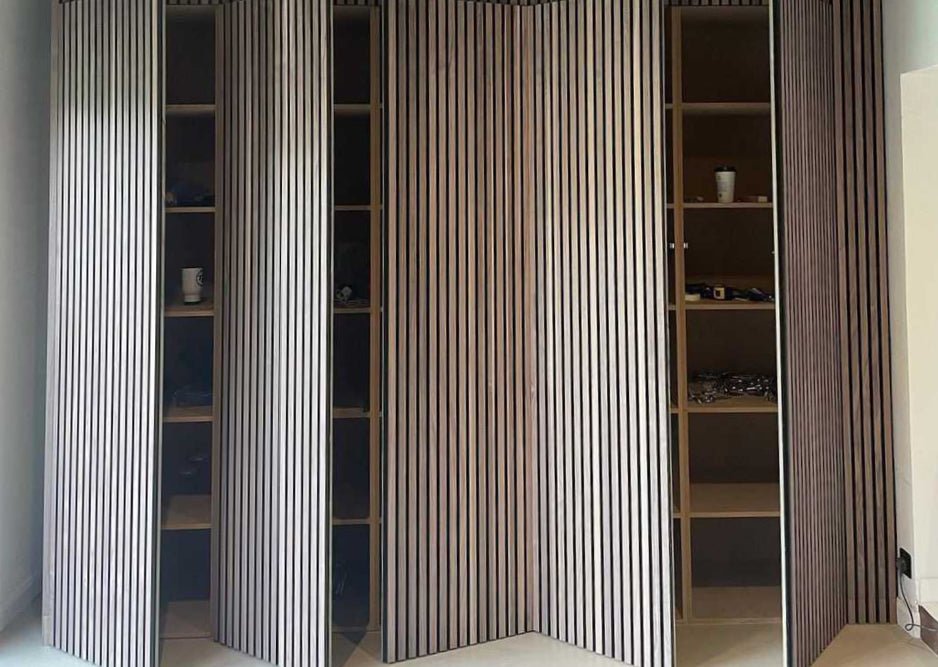
Hinged doors are like cabinet doors for your shelves. They swing open and can fully cover your storage area.
Pros:
- Strong dust and safety protection
- Matches cabinetry look
Cons:
- Needs more space to open
- More complex installation
Example: Simple plywood doors can cost $50–$150. Add handles or magnetic latches for convenience.
4. Rolling Panels
Rolling panels use wheels or casters to move covers in front of shelves. They are a good choice for long shelves and heavy-duty use.
Pros:
- Easy to move for large shelves
- Durable
Cons:
- Requires floor space for tracks
- More expensive
Example: Rolling panels are often used in commercial garages, but DIY versions are possible with hardware from home centers.
5. Tension Rods With Fabric
Tension rods are a no-drill, renter-friendly solution. Place a tension rod between two walls or shelf uprights and hang fabric.
Pros:
- No tools or drilling needed
- Removable and adjustable
Cons:
- Not as sturdy as fixed rods
- Best for lightweight covers
Example: A tension rod and fabric can cost under $15 and be installed in five minutes.
Comparing Garage Shelf Cover Solutions
To help you choose, here is a quick comparison of the main options:
| Method | Cost | Installation Difficulty | Durability | Best For |
|---|---|---|---|---|
| Curtains | Low | Easy | Low-Medium | Quick fixes, renters |
| Sliding Doors | Medium-High | Medium | High | Permanent solutions |
| Hinged Doors | Medium | Medium-Hard | High | Cabinet look, safety |
| Rolling Panels | High | Hard | High | Large shelves |
| Tension Rod & Fabric | Low | Very Easy | Low | Temporary needs |
Step-by-step: Hiding Garage Shelves With Curtains
Let’s focus on the easiest beginner method—hanging curtains. Here’s how to do it:
What You Need
- Curtain rod, wire, or tension rod (length = shelf width)
- Curtain panels or fabric (height = shelf height + a few inches)
- Measuring tape
- Drill or screwdriver (for fixed rods)
- Mounting hardware (brackets, hooks, or screws)
Steps
- Measure your shelves. Get the width and height.
- Buy your curtain and rod. Allow extra length for full coverage.
- Install the rod or wire. Fix it above the shelf, using a drill for brackets or choose a tension rod for no-drill setup.
- Hang the curtains. Use curtain rings, hooks, or slide the fabric onto the rod.
- Test movement. Open and close the curtain to make sure it works smoothly.
Practical Tips
- Choose washable fabric for easy cleaning.
- Use darker colors to hide dust and stains.
- Add Velcro or magnets on the sides if you want a tighter seal.
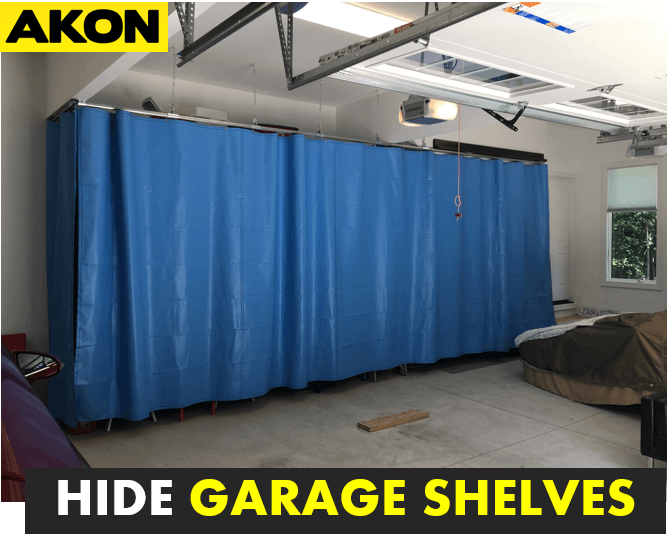
Credit: www.curtain-and-divider.com
Building Sliding Or Hinged Doors
If you want a more solid cover, here are the basics for sliding or hinged doors.
Sliding Door Basics
- Use plywood, MDF, or metal panels.
- Install a track system above and below the shelves.
- Attach rollers or sliders to the door panels.
- Slide doors into place to cover or reveal the shelves.
Hinged Door Basics
- Measure your shelf opening.
- Cut door panels to size.
- Attach with cabinet hinges.
- Add handles or pulls for easy opening.
Example: Cost And Time
- DIY sliding doors for a 6-foot shelf: About $120 in materials, 3–4 hours for installation.
- Hinged doors: $70–$150, 2–3 hours.
Tip: Always check for level installation. Crooked doors look messy and may not close properly.
Creative Cover Ideas
You can go beyond the basic curtain or door. Here are some ideas for a unique look:
- Pegboard panels: Use painted pegboard for a cover that also holds tools or small items.
- Decorative screens: Folding screens can cover shelves and be moved as needed.
- Wall decals: Add large wall stickers or murals on plain panels for a fun touch.
- Upcycled materials: Old shutters, room dividers, or even lightweight doors can be reused.
Mistakes To Avoid
Many beginners make simple mistakes. Avoid these common problems:
- Ignoring measurements. Always measure twice before cutting or buying materials.
- Choosing the wrong material. Thin fabric may not block dust or last long.
- Skipping wall anchors. For heavy doors, always use the right anchors or screws.
- Overloading shelves. Too much weight can cause shelves to sag, making covers hard to install.
- Blocking outlets or switches. Plan your cover so you can still reach important controls.
How To Choose The Right Method
Consider these questions when deciding:
- How permanent do you want it? Curtains and tension rods are easy to remove. Doors are more fixed.
- What’s your budget? Fabric and rods are cheapest. Sliding or rolling doors cost more.
- Do you need safety? Hinged or sliding doors are better for locking up dangerous items.
- Do you rent or own? Renters should stick with no-drill options.
Credit: www.naturewall.com
Example: Real-life Garage Upgrade
Lisa, a homeowner in Texas, wanted to hide her open shelves filled with paint cans and cleaning supplies. She chose heavy-duty curtains and a simple curtain rod. The project cost her $35 and took less than an hour.
Results:
- The garage looked cleaner right away.
- Dust build-up on items dropped by 60% after three months.
- Lisa’s kids stopped touching the chemicals because they were out of sight.
Data: Effectiveness Of Hidden Shelves
A survey by Garage Living showed that 77% of homeowners felt more satisfied with their garage after hiding shelves. Also, covered storage areas cut cleaning time by 30% per month.
Maintenance And Cleaning
No matter which cover you choose, keep it clean:
- Wash fabric covers every few months.
- Wipe hard panels or doors with a damp cloth.
- Oil sliding tracks once a year.
- Check for damage—repair or replace as needed.
Cost Comparison Table
Here’s a quick look at costs for different shelf-hiding methods:
| Cover Type | Average Material Cost | DIY Difficulty | Time Needed |
|---|---|---|---|
| Curtains | $20–$50 | Easy | 30–60 min |
| Sliding Doors | $80–$200 | Medium | 2–4 hrs |
| Hinged Doors | $50–$150 | Medium | 2–3 hrs |
| Tension Rod & Fabric | $10–$30 | Very Easy | 10–30 min |
Safety Tips
- Check for fire hazards. Don’t use fabric covers near heaters, water heaters, or electrical panels.
- Choose flame-retardant materials if you store flammable items.
- Label hazardous items even if they’re hidden.
- Keep a path clear to exits and tools you use often.
When To Call A Professional
If your shelves are very large, heavy, or you want a built-in look, consider hiring a carpenter or handyman. A pro can install sliding or hinged doors quickly and safely. For most simple curtain solutions, DIY is best and most affordable.
Environmental Considerations
If you want a green garage:
- Use recycled fabric for curtains.
- Reuse old doors or panels.
- Choose low-VOC paints if you paint your covers.
Advanced Options
For tech-savvy users, motorized sliding panels or smart locks can be added. These cost more but offer remote access and extra security. For most people, basic manual covers work well.
For more details on organizing your garage, check resources like Family Handyman.

Credit: www.youtube.com
Frequently Asked Questions
How Do I Choose The Best Material For Garage Shelf Covers?
Pick materials based on your needs. Fabric is cheap and easy to install. Plywood or MDF is best for strong, permanent covers. For wet or humid garages, choose vinyl or plastic curtains.
Can I Use Old Sheets Or Blankets As Garage Shelf Covers?
Yes, you can. Just make sure they are clean, don’t hang too close to fire sources, and are easy to remove for washing.
Are There Ready-made Garage Shelf Covers?
Most covers are DIY, but you can find pre-made curtain panels or cabinet doors at home improvement stores. Measure your shelves before buying.
How Do I Keep Covers From Getting Dirty?
Pick darker colors or patterned fabric to hide stains. Wash or wipe covers regularly. Avoid white or light covers in dusty garages.
Can I Lock My Garage Shelf Covers For Safety?
Sliding or hinged doors can be fitted with simple locks. For fabric covers, use Velcro straps or ties, but these won’t stop determined kids or thieves.
Hiding garage shelves is a simple way to transform your garage. With the right method, you can create a space that looks cleaner, works better, and even adds value to your home. Whether you choose curtains, doors, or creative covers, a few hours of work can make a big difference.
Try one of these solutions and enjoy a more organized, stress-free garage.