
Many people struggle with a noisy garage door. Every morning, the loud grinding and squeaking can disturb your family, neighbors, or even wake up sleeping kids. You might think this is normal, but a quiet garage door is possible—and it’s easier than you think.
With the right steps, tools, and a bit of patience, you can reduce noise and enjoy smooth, silent operation. This guide shares simple, practical ways to make your garage door quieter. Even beginners can follow these tips and see big improvements.
You’ll not only enjoy peace and quiet, but you’ll also help your garage door work better and last longer.
Why Garage Doors Make Noise
Understanding the cause of noise helps you fix it better. Most garage doors make noise due to:
- Loose hardware: Screws, bolts, and hinges can become loose over time. Even a single loose hinge can cause a loud rattle or clanking noise each time the door moves.
- Lack of lubrication: Metal parts rub together without enough grease. Dry rollers and hinges squeak loudly, especially in cold or wet weather.
- Old rollers: Worn or metal rollers can squeak and rattle. Over time, metal rollers develop flat spots or rust, leading to more noise.
- Unbalanced door: If the door isn’t balanced, it strains the opener and tracks. An off-balance door may bang against the frame or create a grinding sound as it moves unevenly.
- Garage door opener: Chain-driven openers are usually louder than belt-driven models. Chains can slap against the rail, making a loud metal-on-metal noise.
Noise isn’t just annoying. It can signal problems that lead to expensive repairs if ignored. For example, a squeak could mean a part is wearing out, while grinding might signal a bigger issue with the opener. Keeping your door quiet also means it’s safer and lasts longer.
A smooth, silent door is less likely to break down when you need it most.
Step-by-step Guide: Making Your Garage Door Quieter
Follow these steps to fix common noise issues. Each step is simple and beginner-friendly. If you’re new to DIY, take your time—these fixes can usually be done with basic tools and a little patience.
1. Tighten All Hardware
Over time, vibrations loosen screws and bolts. Loose hardware is a major cause of rattling.
- Use a socket wrench or screwdriver. Most doors use standard sizes, but check your owner’s manual if you’re unsure.
- Check and tighten bolts on hinges, brackets, and tracks. Pay special attention to the top and bottom brackets, as these get the most movement.
- Don’t overtighten—just firm enough. Over-tightening can strip threads or damage metal, making things worse.
You’ll often hear an immediate improvement after tightening. Sometimes, a simple adjustment is all it takes to quiet a door.
Extra tip: If you hear a persistent click or snap, check for cracked hinges or worn bushings. These should be replaced, not just tightened.
2. Lubricate Moving Parts
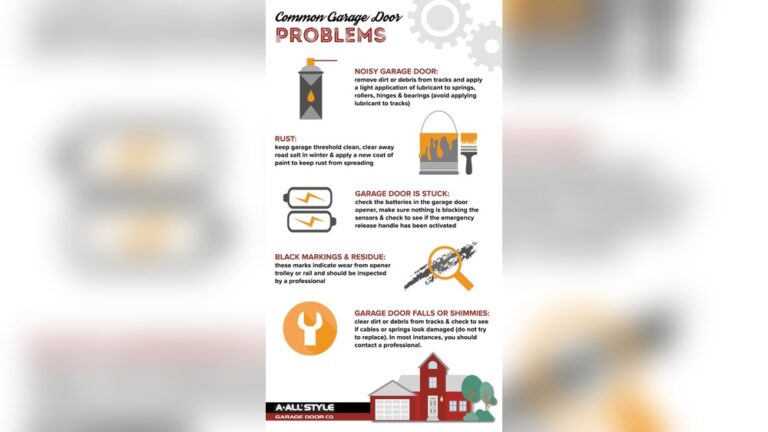
Lubrication is one of the easiest ways to reduce noise. Dry metal-on-metal parts make high-pitched squeaks and grinding sounds.
- Use a garage door lubricant (not WD-40, which is a cleaner, not a lubricant). Look for white lithium grease or silicone spray designed for garage doors.
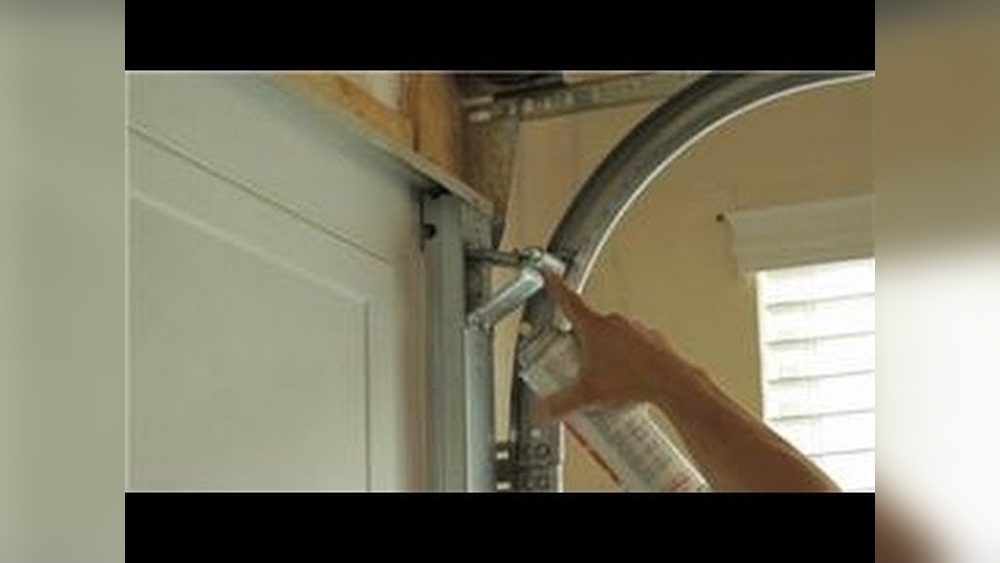
- Spray on rollers, hinges, tracks, and springs. Don’t forget the opener chain or belt (if your model allows).
- Wipe away extra with a cloth. Too much lubricant attracts dust and dirt, which can cause more noise later.
Apply lubricant every 6 months for best results. If you live in a dusty or humid area, check more often.
Lubricant Comparison
Here’s a quick look at common lubricants:
| Lubricant Type | Noise Reduction | Durability | Best For |
|---|---|---|---|
| Silicone Spray | High | Medium | Rollers, Hinges |
| White Lithium Grease | Very High | Long | Tracks, Springs |
| WD-40 | Low | Short | Cleaning only |
White lithium grease is usually best for garage doors. It stays in place, lasts longer, and works well in hot or cold weather.
Extra insight: Many beginners use regular spray oil, which quickly drips away. Garage door lubricants are thicker and designed to handle heavy loads.
3. Replace Rollers
Most garage doors use metal rollers. These make the most noise. Nylon rollers are much quieter and last longer.
- Remove old rollers with a wrench. You may need to bend the track slightly for access, but avoid forcing it.
- Install new nylon rollers—they fit most garage doors. Nylon rollers glide smoothly and don’t require as much lubrication.
- Make sure you buy the right size. Measure your old rollers or check your manual for details.
Example: Replacing metal rollers with nylon can reduce noise by up to 75%. Most sets cost $20–$40.
Roller Comparison
| Roller Type | Noise Level | Lifespan | Cost |
|---|---|---|---|
| Metal | High | 5-7 years | $10-$20 |
| Nylon | Low | 10+ years | $20-$40 |
Non-obvious tip: Cheap nylon rollers without ball bearings wear out fast. Look for sealed ball-bearing nylon rollers for best results—they’re still affordable and much more durable.
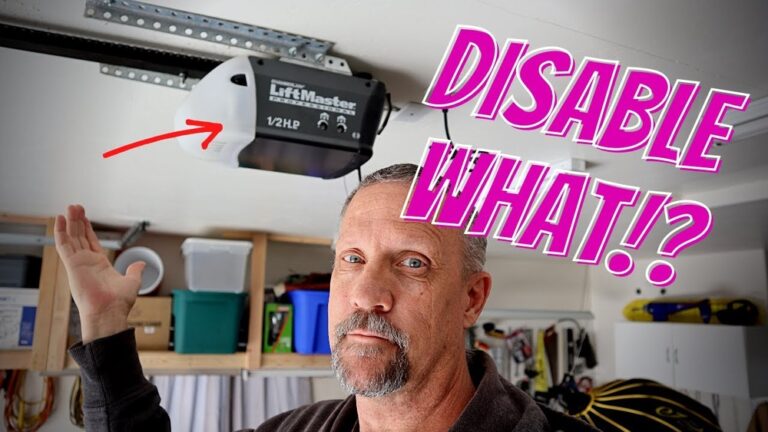
4. Check Garage Door Opener
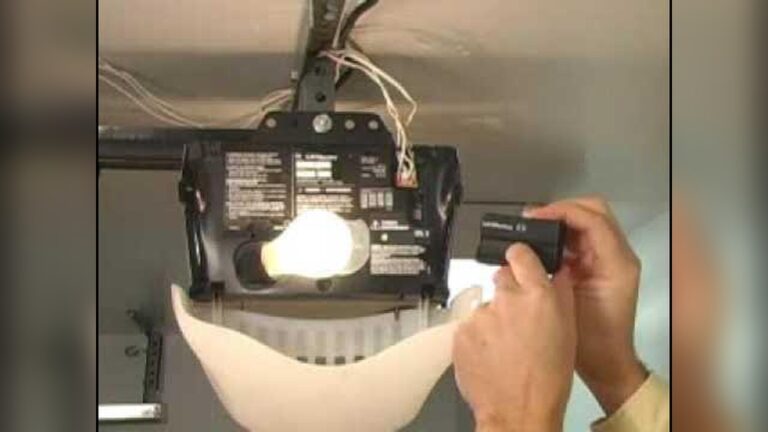
The garage door opener can be noisy, especially if it’s chain-driven.
- Inspect the chain or belt for looseness. A sagging chain can slap the rail, creating extra noise.
- Tighten the chain if needed (but not too tight). Check your opener’s manual for the correct tension.
- Lubricate the opener’s moving parts. Some openers have gears or sprockets that benefit from grease.
If your opener is very old and noisy, consider switching to a belt-driven opener. These are much quieter. A new belt-driven opener costs between $200 and $400.
Extra detail: Some modern openers also include DC motors, which are quieter than traditional AC motors. Smart openers let you control the door from your phone and can send alerts if something’s wrong.
5. Insulate Your Garage Door
Insulation doesn’t just help with temperature—it also absorbs sound.
- Use foam panel kits or reflective insulation. Foam panels are easy to cut and fit most residential doors.
- Attach panels to the inside of your garage door. Use adhesive or double-sided tape for a snug fit.
- This reduces vibration and muffles noise.
Tip: Insulating your door can reduce noise by 20–30%. It also saves on heating and cooling costs. Insulation makes your garage more comfortable year-round and can protect items stored inside.
Extra insight: Heavy insulation adds weight, so you may need to adjust your opener’s force settings or spring tension. Check your manual or call a pro if you’re not sure.
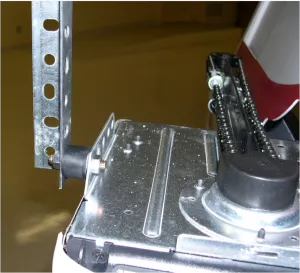
6. Install Anti-vibration Pads
These pads absorb vibrations from the opener and door.
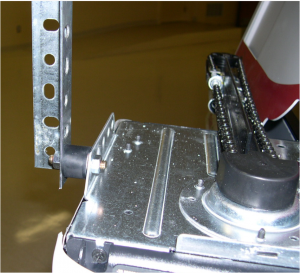
- Place pads under the opener’s mounting brackets. This separates the motor from the ceiling, stopping noise from transferring into your house.
- You can also put pads where the door meets the ground. This helps reduce banging sounds when the door closes.
Example: Anti-vibration pads cost $10–$30 and make a big difference for older doors.
Extra tip: In some cases, using thick rubber washers on mounting bolts can also help dampen vibration.
7. Adjust Door Balance
An unbalanced door strains your opener and makes loud noises.
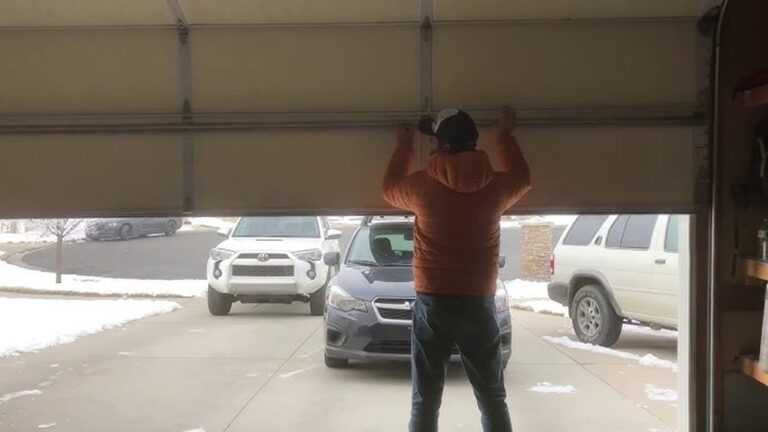
- Pull the emergency release cord. This lets you move the door by hand.
- Lift the door halfway by hand. It should stay in place without moving.
- If it stays, it’s balanced. If it falls or moves up, you need to adjust the springs.
Warning: Adjusting springs can be dangerous. For beginners, call a professional if you suspect spring issues.
Extra detail: If your door feels heavy or slams down, the springs may be weak. This is not just noisy—it’s a safety hazard.
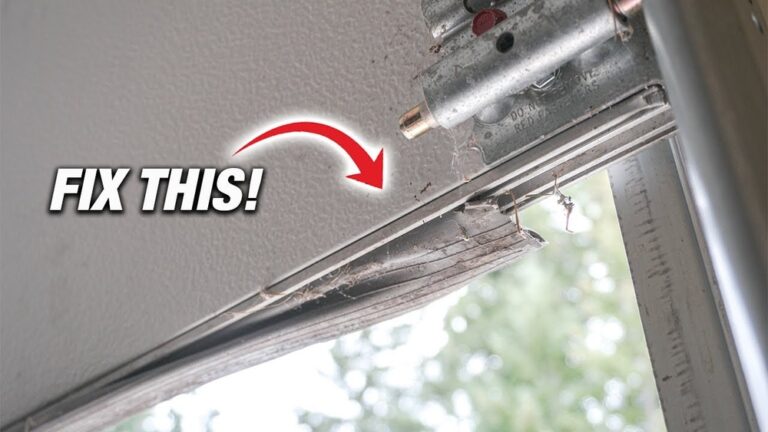
8. Replace Weatherstripping
Old weatherstripping lets in air and increases vibration.
- Remove old strips from the bottom and sides. Use a putty knife for stubborn pieces.
- Install new, flexible weatherstripping. Cut to fit and press firmly into place.
- This helps reduce rattling and outside noise.
Extra insight: Good weatherstripping also keeps out dust, insects, and water. It’s a small investment for a quieter, cleaner garage.
9. Regular Maintenance
Maintenance keeps your garage door quiet and working longer.
- Inspect and lubricate every 6 months. Set a calendar reminder so you don’t forget.
- Tighten hardware as needed. Check after storms, cold snaps, or heavy use.
- Check for worn parts and replace them. Early fixes prevent bigger problems.
A regular schedule prevents sudden loud noises and costly repairs. Well-maintained doors rarely develop unexpected problems.
Credit: www.doorsys.com
Practical Example: Quieting A Noisy Garage Door
Let’s say your garage door squeaks loudly every morning. You:
- Tighten all hinges and brackets.
- Replace metal rollers with nylon.
- Lubricate tracks and springs with white lithium grease.
- Add foam panel insulation.
- Install anti-vibration pads under the opener.
After these steps, your door is much quieter. You notice less rattling and squeaking. The opener sounds smoother, and family members aren’t disturbed anymore.
Extra example: Some homeowners add a garage door silencer kit, which includes specialized brackets and bushings. These kits further reduce vibration transferred to the ceiling.
Common Mistakes Beginners Make
Many first-timers skip important steps or use the wrong tools. Here are mistakes to avoid:
- Using WD-40 instead of real lubricant. This only cleans and dries out parts, making noise worse.
- Over-tightening bolts, which can damage parts. Snug is enough—never force hardware.
- Forgetting to check the garage door balance. An unbalanced door wears out openers fast.
- Not replacing worn rollers. Even good lubrication can’t help old, noisy rollers.
- Skipping regular maintenance. Neglect means small problems grow into big repairs.
Another common mistake: ignoring persistent noise. If your door suddenly gets louder, stop using it until you find the cause. This can prevent serious damage or injury.
If you avoid these mistakes, you’ll get better, longer-lasting results.

Credit: www.youtube.com
Data: How Much Noise Reduction Can You Expect?
On average, these steps can reduce garage door noise by:
- Lubrication: 30–40%
- Replacing rollers: 50–75%
- Insulation: 20–30%
- Switching opener: 60–80%
These numbers are based on homeowner reports and product testing.
| Upgrade | Noise Reduction (%) | Cost Range |
|---|---|---|
| Lubrication | 30-40 | $5-$15 |
| Nylon Rollers | 50-75 | $20-$40 |
| Insulation | 20-30 | $40-$100 |
| Belt Opener | 60-80 | $200-$400 |
Extra insight: Combining several upgrades gives the best result. For example, lubricating, insulating, and switching to nylon rollers can cut noise almost completely.
When To Call A Professional
Some garage door problems need expert help:
- Broken or old torsion springs
- Doors that won’t balance
- Opener electrical issues
If you’re unsure, don’t risk injury. Contact a certified garage door technician.
Extra tip: If your door shudders, moves unevenly, or you see bent tracks, call a pro. These signs suggest bigger issues that DIY can’t fix safely.
Useful Resources
If you want more details, check this guide from the International Door Association. It covers safety and advanced repair tips.
Frequently Asked Questions
How Often Should I Lubricate My Garage Door?
Lubricate every 6 months. If your door is used heavily, consider every 3–4 months. Use white lithium grease or silicone spray for best results.
Extra: Listen for squeaks or grinding—these are signs it’s time to lubricate, even if you just did it recently.
What Is The Quietest Type Of Garage Door Opener?
Belt-driven openers are the quietest. They use a rubber belt instead of a metal chain. This absorbs vibration and makes less noise. Models like Chamberlain and LiftMaster are popular.
Can Insulation Really Reduce Garage Door Noise?
Yes, insulation helps. It absorbs sound and reduces vibration. Foam panels or reflective insulation work well. Besides noise, insulation also keeps your garage warmer in winter.
Extra: Insulation is especially helpful if your garage is attached to your house, as it stops noise from traveling through shared walls.
Are Nylon Rollers Worth The Price?
Absolutely. Nylon rollers are quieter, last longer, and require less maintenance. They cost more than metal rollers but can cut noise by up to 75%. For most homeowners, they’re a smart upgrade.
What Should I Do If My Garage Door Is Still Noisy After These Steps?
If basic fixes don’t help, check for:
- Damaged springs
- Bent tracks
- Old opener
If you can’t find the problem, call a professional. Some issues are hidden and need expert attention.
A quiet garage door is possible for any home. With these steps, you’ll reduce noise, improve comfort, and protect your door’s health. Regular maintenance and smart upgrades make a big difference. If you ever feel unsure, remember that expert help is just a call away.
Your peaceful mornings (and happy neighbors) will thank you.
Credit: www.doorsys.com