
Painting your garage door can completely change the look of your home’s exterior. A fresh coat of paint not only improves curb appeal but also protects the door from weather damage. If you’ve never painted a garage door before, the task might seem a bit intimidating.
But with the right steps, tools, and tips, even beginners can get a professional-looking finish. This guide walks you through every stage, from choosing paint to the final brushstroke.
Why Paint Your Garage Door?
A garage door can cover up to 30% of the front of your house. That’s a lot of visual space. Faded, peeling, or chipped paint can make your home look old. On the other hand, a well-painted door gives your house a clean, fresh appearance.
Benefits of painting:
- Protection: Paint acts as a barrier against rain, sun, and wind.
- Increased home value: Homes with good curb appeal sell for 7–10% more.
- Customization: You can match or contrast with your house color.
Tools And Materials You’ll Need
Before you start, gather all the supplies. Using the right tools makes the job easier and the results better.
Essential items:
- Exterior paint (latex or acrylic for metal/wood)
- Primer (especially for bare metal or wood)
- Paintbrushes (2–3 inch angled brush for edges)
- Paint rollers (4–9 inch, foam or short nap)
- Painter’s tape
- Drop cloths or plastic sheeting
- Medium-grit sandpaper (120–180 grit)
- Mild detergent and sponge
- Bucket of water
- Screwdriver (for hardware removal)
- Ladder (if your door is tall)
- Stir sticks
- Protective gloves and eyewear
Pro tip: Choose high-quality brushes and rollers. Cheap ones shed bristles and leave streaks.
/SPR-how-to-paint-a-garage-door-5199372-hero-2_1167-2309a3b04de74cb2a2847167a96d67fd.jpg)
Credit: www.thespruce.com
Choosing The Right Paint
Picking the correct paint is more important than you may think. The wrong paint can peel, fade, or not stick at all.
| Surface Type | Best Paint Type | Finish |
|---|---|---|
| Wood | 100% Acrylic Latex | Satin or Semi-gloss |
| Steel/Metal | Exterior Acrylic Latex or Direct-to-Metal | Satin or Semi-gloss |
| Fiberglass | 100% Acrylic Latex | Satin or Semi-gloss |
Color tips:
- Light colors reflect heat and fade less.
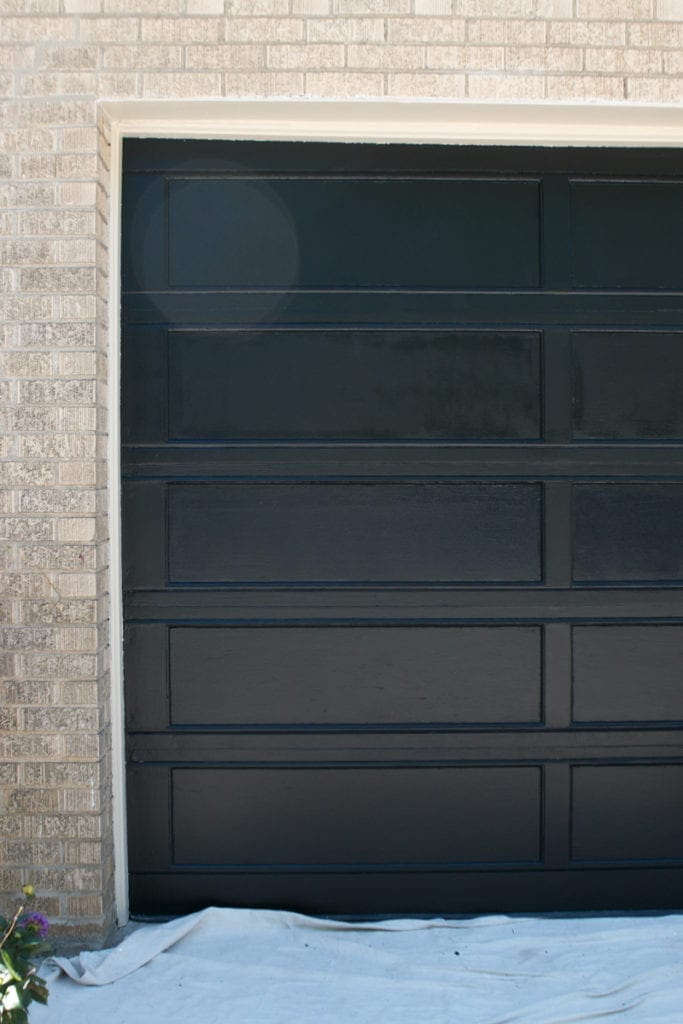
- Dark colors look modern but may fade faster in direct sun.
- White is classic but shows dirt quickly.
Primer: Always use a primer for bare wood or metal. For previously painted doors in good condition, you might skip priming.
Preparation: The Most Important Step
Many beginners rush into painting. But surface preparation is the key to a smooth, long-lasting finish.
1. Clean the Door
- Mix mild detergent with water.
- Scrub away dirt, dust, and oils using a sponge.
- Rinse with clean water and let dry completely.
2. Remove Old Paint and Rust
- Scrape off peeling paint with a putty knife.
- Sand rough areas with medium-grit sandpaper.
- For metal doors, sand away any rust spots until smooth.
3. Repair Damage
- Fill small dents or holes with exterior filler.
- Sand smooth when dry.
4. Tape and Protect
- Use painter’s tape to mask off handles, windows, trim, and weatherstripping.
- Lay drop cloths under the door to catch drips.
5. Remove Hardware (Optional)
- Remove handles and locks for a cleaner look.
- Place screws in a bag so you don’t lose them.
Quick example: If you skip cleaning, paint won’t stick well. Most peeling happens because the surface was dirty.
Weather And Timing: When To Paint
The right weather can make or break your project.
Ideal conditions:
- Temperature: 50–85°F (10–29°C)
- Dry weather: No rain for 24–48 hours
- Low wind: Prevents dust from sticking
Avoid:
- Direct sunlight (paint dries too fast, causing cracks)
- Humid days (paint stays tacky longer)
Tip: Start painting in the morning or late afternoon when the sun isn’t hitting the door directly.
Step-by-step Painting Guide
Here’s a simple breakdown for beginners.
1. Apply Primer (if Needed)
- Stir primer well.
- Use a brush for edges and corners.
- Roll primer on flat surfaces.
- Let it dry fully (check the can for drying time).
2. First Coat Of Paint
- Stir your paint before and during use.
- Paint the edges and details with a brush.
- Use a roller for panels and large flat areas.
- Work from top to bottom.
- Apply paint in thin, even coats to avoid drips.
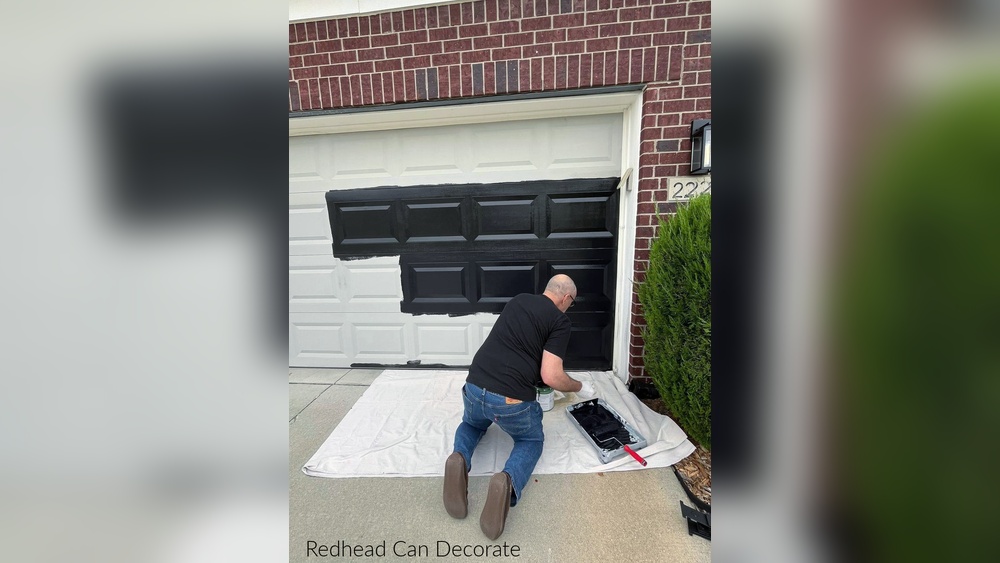
Order matters: Paint the recessed panels first, then the raised sections.
| Section | Tool | Technique |
|---|---|---|
| Edges & Corners | Angled Brush | Cut-in method |
| Panels | Roller | Vertical strokes |
| Hardware/Trim | Small Brush | Careful touch-up |
3. Let It Dry
- Allow the first coat to dry completely (usually 4–6 hours).
- Check for sticky spots before adding the next coat.
4. Apply Second Coat
- Repeat the same process.
- Most garage doors look best with two coats.
- If using a very light color over a dark one, a third coat may be needed.
5. Remove Tape And Clean Up
- Carefully peel off painter’s tape before paint fully cures (within 1–2 hours after last coat).
- Clean brushes and rollers with soap and water.
Pro tip: Don’t close the garage door until paint is fully dry to avoid sticking.
How Long Will It Take?
Painting a single garage door usually takes one full day, including drying times.
Sample timeline:
- Prep and cleaning: 1–2 hours
- Priming (if needed): 1 hour + drying
- First coat: 1–2 hours
- Dry time: 4–6 hours
- Second coat: 1–2 hours
- Final dry: 12–24 hours before heavy use
Common Mistakes And How To Avoid Them
Many beginners make the same errors. Here’s how to avoid them:
- Skipping prep: Leads to peeling and uneven color.
- Painting in direct sun: Causes paint to dry too quickly and crack.
- Applying thick coats: Creates drips and uneven finish.
- Ignoring weather: Rain or dew can ruin fresh paint.
- Using wrong paint: Not all paints stick to metal or wood.
Insider tip: Even if the old paint looks fine, sanding lightly gives the new coat something to grip.
Credit: redheadcandecorate.com
Maintenance: Keep Your Door Looking New
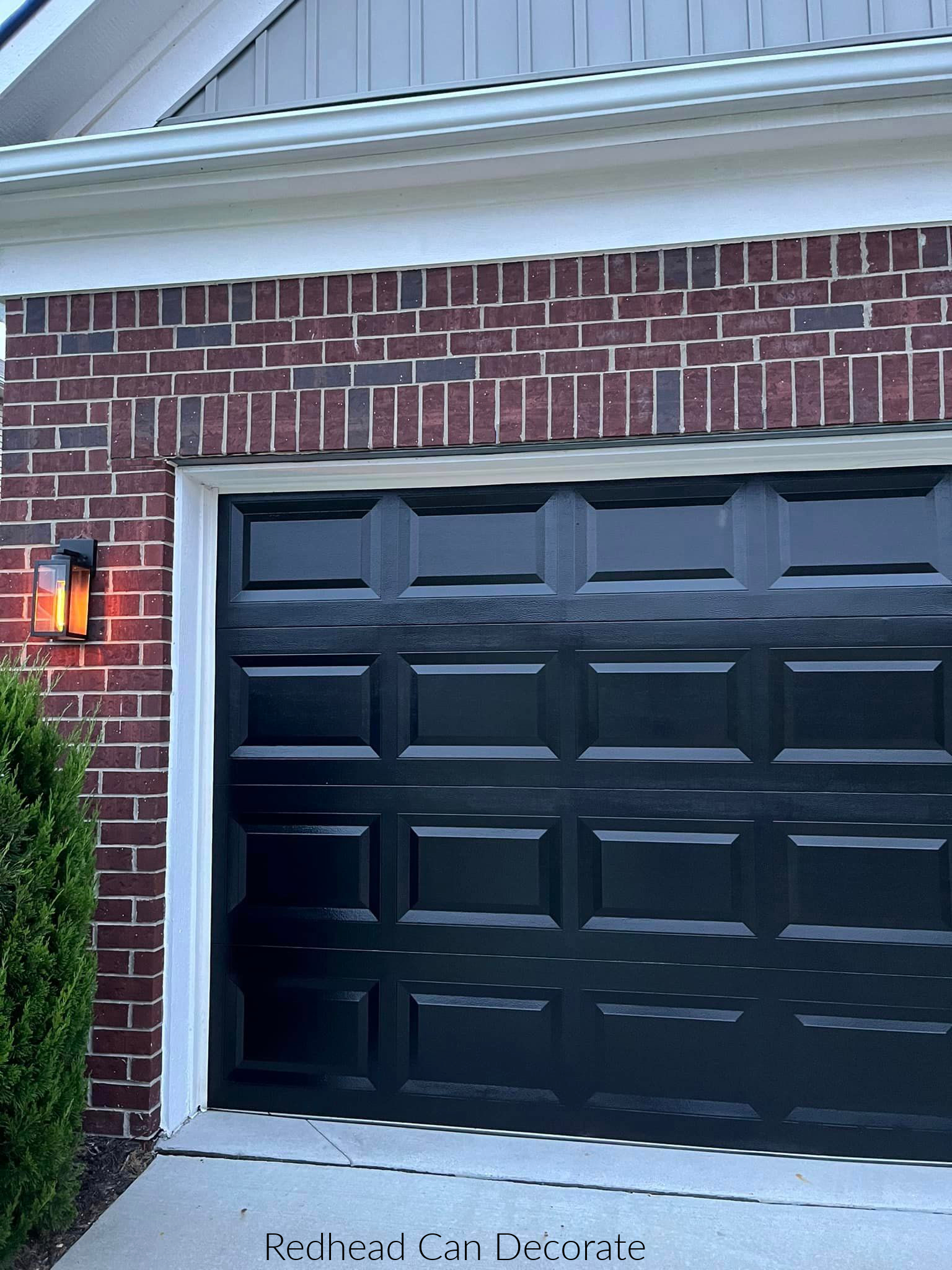
A freshly painted garage door can last 5–10 years with simple care.
Maintenance tips:
- Wash the door with mild soap every spring.
- Touch up scratches quickly to prevent rust or rot.
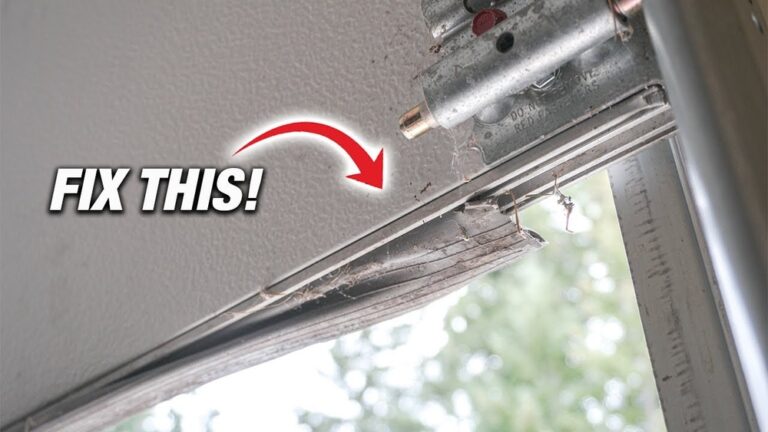
- Check the weatherstripping and repaint if it starts to peel.
Example: After a snowy winter, rinse off road salt to prevent paint damage.
Cost Breakdown: Diy Vs. Hiring A Pro
Painting yourself is much cheaper, but takes time and patience.
| Item | DIY Cost | Professional Cost |
|---|---|---|
| Paint & Primer | $40–$80 | Included |
| Supplies | $20–$50 | Included |
| Labor | Free (your time) | $200–$400 |
| Total | $60–$130 | $200–$480 |
If you’re on a budget or enjoy DIY, painting yourself saves a lot.
Practical Tips For Best Results
- Always read paint and primer labels for drying times.
- If you have a sectional (panel) garage door, paint one section at a time.
- For metal doors, avoid oil-based paints—they can crack with temperature changes.
- Store leftover paint for touch-ups.
- Take before-and-after photos to see your hard work pay off.
Environmental And Safety Advice
- Wear gloves and eye protection, especially when sanding.
- Work in a well-ventilated area.
- Dispose of old paint and supplies properly—never pour paint down the drain.
- If your house was built before 1978, test for lead paint before sanding.
For detailed guidance on paint disposal and safety, check the EPA’s official site.
Credit: thediyplaybook.com
Frequently Asked Questions
How Long Does Garage Door Paint Last?
A good paint job lasts 5–10 years with basic maintenance. Factors like climate, paint quality, and sun exposure affect lifespan.
Can I Paint My Garage Door Without Removing It?
Yes, most people paint garage doors in place. Just open it partially to reach edges, and protect the ground with a drop cloth.
What Type Of Paint Is Best For A Metal Garage Door?
100% acrylic latex or direct-to-metal exterior paint works best. Avoid oil-based paints—they’re less flexible and can crack.
How Many Coats Of Paint Do I Need?
Two thin coats are usually enough. If covering a dark color with a light one, you might need a third coat for even coverage.
Is It Better To Spray Or Roll Garage Door Paint?
For beginners, rolling and brushing is safer and easier. Spraying can give a smooth finish, but requires skill and careful masking to avoid overspray.
A freshly painted garage door can make your whole house look newer and brighter. With the right tools and preparation, even first-timers can get a great result. Take your time, follow the steps, and enjoy the transformation!