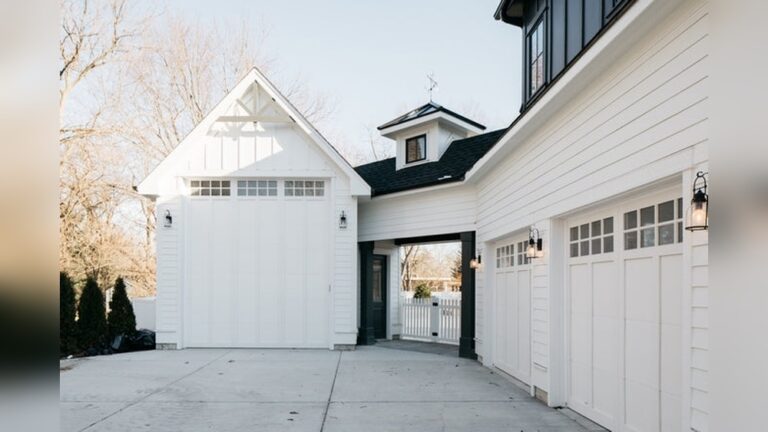

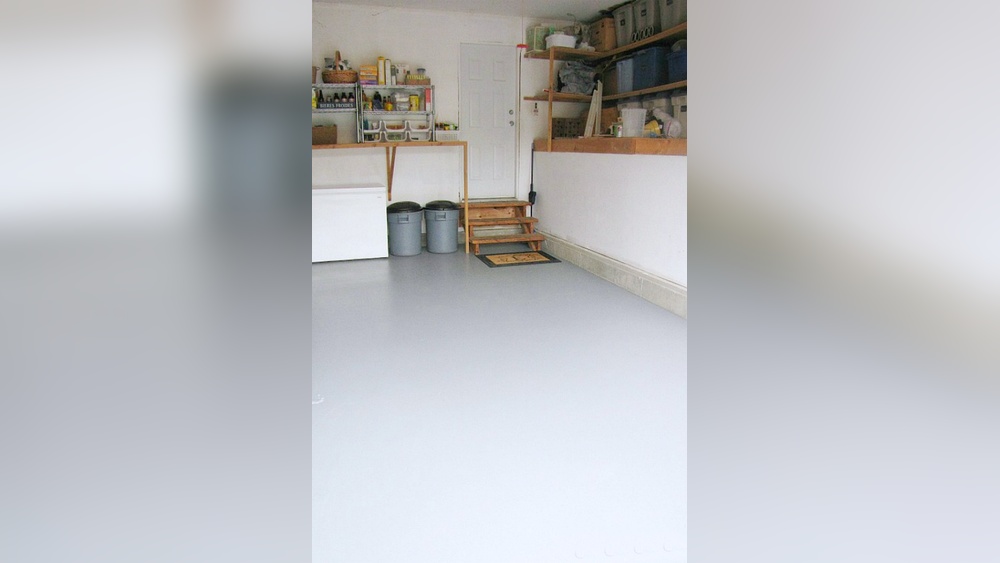
Painting your garage can completely transform its look, making it cleaner, brighter, and more inviting. Whether you want to use your garage as a workshop, gym, or just want a fresh look, a good paint job makes a huge difference.
Many people think painting a garage is hard, but with the right steps, it’s a project almost anyone can do. In this guide, you’ll learn everything you need to know to paint your garage from start to finish—even if you’ve never painted before.
Why Paint Your Garage?
A garage is often one of the most overlooked spaces in a home. Yet, it’s a place you use daily—for parking, storage, or hobbies. Painting your garage has several benefits:
- Improves appearance: A fresh coat of paint hides stains, marks, and old damage.
- Protects surfaces: Paint acts as a barrier against moisture, dust, and chemicals.
- Easier cleaning: Painted walls and floors are easier to sweep and wipe.
- Increases value: A neat garage adds value if you ever sell your home.
Professional painters can charge $1,000–$3,000 for a two-car garage. Doing it yourself can cost less than $200.
Choosing Paint And Materials
The paint and tools you choose matter for both looks and durability. Not all paints are the same, especially for a garage.
Best Paint Types For Garage Walls
- Latex paint: Water-based, dries fast, and easy to clean. Good for drywall.
- Acrylic latex: Stronger than standard latex. Resists moisture and stains.
- Masonry paint: For concrete or brick walls. Resists cracks and mold.
Best Paint Types For Garage Floors
- Epoxy paint: Extremely tough, handles cars, oil, and heavy traffic.
- Concrete floor paint: Cheaper than epoxy, but less durable.
Paint Finishes
- Eggshell or satin: For walls. Easy to clean but not too shiny.
- Semi-gloss: Good for trim or doors.
- Gloss: For floors, but shows dust more.
Essential Tools And Materials
You’ll need:
- Rollers (9-inch for walls, 18-inch for floors)
- Angled brushes (2–3 inch)
- Paint trays
- Painter’s tape
- Drop cloths or old sheets
- Sandpaper (120–150 grit)
- Degreaser or mild detergent
- Scrub brushes
- Ladder (for high spots)
- Putty knife and wall filler
- Safety gear (gloves, mask, goggles)
Pro Tip: Use a good primer if you’re painting over stains, dark colors, or new drywall.
Paint Coverage And Cost Example
| Surface | Paint Needed (gallons) | Estimated Cost ($) |
|---|---|---|
| Walls (2-car garage) | 2–3 | 50–100 |
| Floor (2-car garage) | 1–2 | 30–80 |
Preparing The Garage
Preparation is 70% of the job. Skipping this step leads to peeling paint and bad results.
Cleaning
- Remove all items from the garage. This includes cars, tools, boxes, and shelves.
- Sweep or vacuum dust and cobwebs.
- Wash walls and floors with a degreaser or mild soap. Oil and dirt stop paint from sticking.
Repairing
- Fill holes or cracks with wall filler or concrete patch.
- Sand rough spots smooth. Use 120–150 grit sandpaper for walls.
- Remove loose or old paint with a scraper.
Taping And Covering
- Use painter’s tape to protect trim, outlets, and anything you don’t want painted.
- Lay down drop cloths to protect the floor if you’re painting only the walls.
Ventilation And Safety
- Open windows and doors for airflow.
- Wear a mask and gloves, especially when sanding or using strong cleaners.
Beginner Insight: Many skip sanding and cleaning, but this causes most paint failures. Take your time with prep.
Priming Surfaces
A primer helps paint stick, covers stains, and makes colors look even. Most garages need primer, especially if:
- The walls are unpainted drywall or bare concrete.
- There are water stains or smoke marks.
- You’re switching from a dark to a light color.
How To Prime
- Stir the primer well.
- Use a brush to cut in edges and corners.
- Roll primer over large areas in thin, even coats.
- Let the primer dry fully (usually 2–4 hours).
Example: For concrete, use a masonry primer. For drywall, use a drywall primer.
Painting Garage Walls
With prep and primer done, it’s time to paint.
Steps To Paint Walls
- Stir your paint. Pour into a tray.
- Use a brush for edges, corners, and around outlets.
- Roll paint in a “W” pattern for even coverage. Start at the top and work down.
- Apply 2 coats for best results. Let the first coat dry (2–4 hours) before the second.
- Remove painter’s tape before the paint is fully dry for cleaner lines.
Drying Time
Most latex paints dry to touch in 1 hour, but wait 24 hours before heavy use.
Pro Tip: Always check the paint can for exact drying times. Humidity and cold can slow drying.
Painting Garage Floors
Painting a floor is different from painting walls. The right floor paint resists cars, tools, and spills.
Steps To Paint Floors
- Sweep and mop the floor. Remove oil stains with a degreaser.
- Repair cracks with concrete filler. Let dry.
- Sand or etch the floor if it’s very smooth. This helps paint stick.
- Apply primer (if needed). Let dry completely.
- Cut in edges with a brush.
- Roll on floor paint in small sections. Start at the back and work toward the exit.
- Let the first coat dry (check the can—usually 24 hours).
- Apply a second coat for best durability.
- Wait at least 48–72 hours before parking a car on the floor.
Epoxy Vs Concrete Paint Table
| Feature | Epoxy Floor Paint | Concrete Floor Paint |
|---|---|---|
| Durability | Very High | Moderate |
| Dry Time | 24–48 hrs | 8–24 hrs |
| Cost (2-car garage) | $70–$120 | $30–$70 |
| Resists Oil/Chemicals | Yes | Some |
Beginner Insight: Don’t rush to put back shelves or cars. Painted floors need time to cure, not just dry.
Painting Garage Ceilings And Doors
These areas are often skipped but make a big difference.
Ceilings
- Use the same paint as the walls, or a flat white for brightness.
- Prime first, especially if it’s drywall or stained.
- Use a roller with an extension pole.
Doors
- Clean and sand first.
- Use semi-gloss for easy cleaning.
- Paint in sections—panels first, then edges.
Tip: Metal doors need a primer for metal before paint.
Cleaning Up And Finishing Touches
A good cleanup makes your project look professional.
- Remove all tape while paint is still soft.
- Wash brushes and rollers with warm water (for latex) or paint thinner (for oil-based).
- Fold drop cloths carefully to avoid spreading dust.
- Put garage items back only after paint is fully dry.

Credit: withinthegrove.com
Common Mistakes To Avoid
- Skipping prep: Most failures come from dirty or unpatched surfaces.
- Using the wrong paint: Not all paints are for all surfaces.
- Not waiting for dry time: Moving items back too soon ruins fresh paint.
- Painting in poor weather: Cold or humid air slows drying and causes bubbles.
- Applying thick coats: Thin, even coats last longer and look better.
Example: One homeowner used regular wall paint for their floor. After three months, it peeled from car tires.
Maintenance Tips For Painted Garages
Keep your garage looking good for years with simple care:
- Sweep floors regularly to avoid scratching.
- Wipe walls with a damp sponge for small marks.
- Touch up chips or scuffs as soon as they appear.
- Avoid dragging heavy items across painted floors.
- Use mats under cars or workbenches for extra protection.
A well-painted garage can last 5–10 years before needing a new coat, especially if you use quality paint and do proper prep.
Credit: www.reddit.com
Real-world Example: Average Garage Transformation
Let’s look at a typical project:
- Size: 20×20 feet, two-car garage
- Paint Used: 3 gallons wall paint, 1.5 gallons floor epoxy
- Time Spent: 1 day prep, 1 day painting, 2–3 days drying
- Total Cost: About $180 (paint, primer, tools)
The result is a brighter space, easier to clean, and more welcoming. Many homeowners say they spend more time in their garage after painting it.
Environmental And Safety Considerations
Painting can create fumes and waste. To stay safe and eco-friendly:
- Choose low-VOC or zero-VOC paints to reduce smells and toxins.
- Dispose of old paint and rags at a local hazardous waste center.
- Keep paint out of drains and soil.
- Store leftover paint in a cool, dry place for touch-ups.
Tip: Always read paint labels for safety instructions.

Credit: www.youtube.com
Frequently Asked Questions
How Long Does It Take To Paint A Garage?
Most garages need 2–3 days. This includes 1 day for prep, 1 day for painting, and 1–2 days for drying. Weather and the size of your garage can change this. Never rush the drying step, especially for floors.
What Is The Best Color To Paint A Garage?
Light colors like white, light gray, or beige make garages feel bigger and brighter. Dark colors can hide stains but may make the space feel smaller. The most popular choice is light gray for both walls and floors.
Can I Paint Over Old Garage Paint?
Yes, but you must clean and lightly sand the surface first. If the old paint is peeling or flaking, scrape it off. Use a good primer to help the new paint stick.
Do I Need Special Paint For Garage Floors?
Yes. Regular wall paint will not last on floors. Use epoxy or concrete floor paint for best results. These paints resist cars, oil, and heavy use.
How Much Does It Cost To Paint A Garage Myself?
On average, a DIY garage paint job costs $100–$250. This covers paint, primer, tools, and supplies. Doing it yourself saves hundreds compared to hiring a pro. For more data on costs, see this HomeAdvisor guide.
Painting your garage is one of the easiest ways to refresh your home. With the right steps and tools, even beginners can get professional results. Take your time with prep and use the right paint for each surface. Soon, you’ll have a garage that’s clean, bright, and ready for anything.