
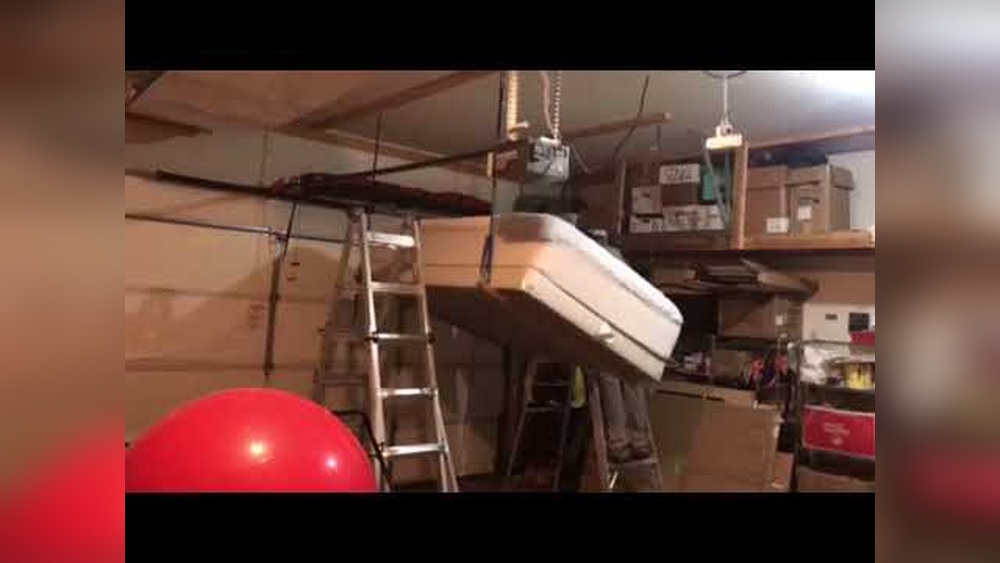
Storing a mattress in your garage may seem easy, but many people end up with moldy, sagging, or damaged mattresses because they miss key steps. If you want your mattress to stay clean and usable, you need to protect it from moisture, pests, and temperature changes.
This guide will help you store your mattress in a garage safely, even if you’ve never done it before. With simple instructions, practical tips, and examples, you’ll feel confident that your mattress stays in good shape for months or even years.
Why Garage Storage Is Risky
Garages are often not climate-controlled, so they can get very hot, cold, or humid. These factors can ruin a mattress:
- Moisture: Causes mold, mildew, and bad smells.
- Temperature swings: Can break down foam and fabric.
- Pests: Mice, insects, and spiders may nest or chew.
- Dust and dirt: Make the mattress dirty and unhealthy.
According to the Environmental Protection Agency (EPA), indoor humidity levels above 60% encourage mold growth. Many garages reach this level often, especially in summer.
Choosing The Right Garage Spot
Not all areas in your garage are equal. The place you pick affects how well your mattress survives.
What To Look For
- Dry area: Avoid spots near water heaters, washing machines, or where rain leaks.
- Elevated location: Keep the mattress off the floor if possible.
- Away from sunlight: Direct sunlight can fade and weaken mattress fabric.
- Low traffic: Choose a spot where people won’t bump into or step on the mattress.
Example
If your garage has shelves or pallets, place the mattress on them. If not, use bricks or blocks to raise it a few inches above the concrete.
Preparing The Mattress For Storage
Cleaning and protecting your mattress before storage is crucial.
Steps To Prepare
- Clean thoroughly: Vacuum both sides. Spot clean stains with mild soap and water.
- Dry completely: Let it air out for at least 24 hours. Never store a damp mattress.
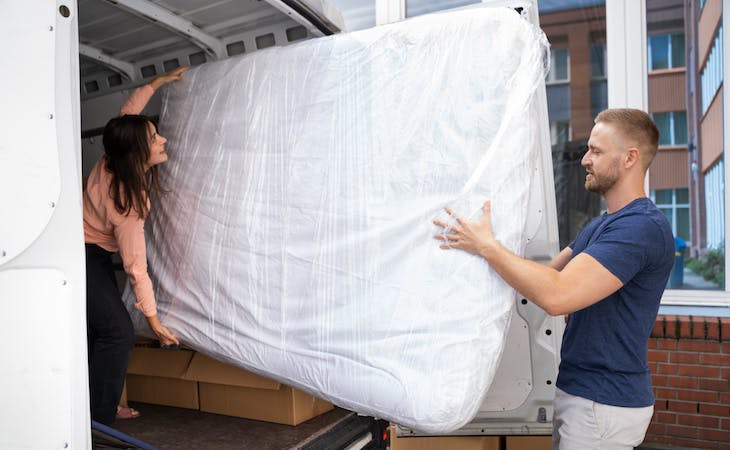
- Wrap tightly: Use a plastic mattress cover or heavy-duty plastic wrap. Seal with tape to keep out dust and moisture.
- Add moisture protection: Place silica gel packets or moisture absorbers inside the cover.
Mattress Sizes And Covers
Here’s a quick look at standard mattress sizes and recommended cover dimensions:
| Mattress Size | Approx. Dimensions (inches) | Recommended Cover Size |
|---|---|---|
| Twin | 39 x 75 | 40 x 80 |
| Full | 54 x 75 | 55 x 80 |
| Queen | 60 x 80 | 61 x 85 |
| King | 76 x 80 | 77 x 85 |
Always choose a cover slightly larger than your mattress for easy wrapping.
How To Store Your Mattress Upright Or Flat
The way you position your mattress matters. Both upright and flat storage have pros and cons.
Upright Storage
- Saves space.
- Can cause sagging if stored too long.
- Works best for foam and hybrid mattresses.
Flat Storage
- Keeps mattress shape.
- Needs more room.
- Best for innerspring mattresses.
Here’s a comparison:
| Storage Position | Pros | Cons |
|---|---|---|
| Upright | Space-saving, easy access | Risk of bending, sagging |
| Flat | Shape preservation, safe for springs | Requires more space |
If you have to store upright, rotate the mattress every few weeks to prevent sagging.
Credit: www.saatva.com
Protecting Against Moisture And Mold
Humidity is the number one enemy in garages. Taking extra steps helps prevent mold.
Moisture Protection Tips
- Use moisture absorbers: Products like DampRid or silica gel work well.
- Check humidity: Use a cheap humidity monitor. Try to keep it below 60%.
- Ventilation: Open garage windows or use a fan to circulate air.
- Avoid storing during rainy seasons: If possible, wait for dry weather.
Example
In Houston, summer humidity can reach 80%. If storing a mattress there, use at least two moisture absorber packs and check weekly.
Keeping Pests Away
Garages attract pests that can ruin your mattress. Prevention is easier than cleaning up damage.
Pest Prevention Steps
- Seal the cover: Make sure there are no holes.
- Use peppermint oil: Place cotton balls soaked in peppermint oil near the mattress. Mice dislike the smell.
- Inspect regularly: Check for signs of pests every month.
- Avoid food: Never store food near the mattress.
Common Mistake
Many people forget to check their mattress for pests. Set a calendar reminder to inspect monthly.
Storing Multiple Mattresses
If you need to store more than one mattress, be careful.
- Do not stack: Stacking can cause dents and deformations.
- Keep at least 2 inches between mattresses: Allows air flow and prevents pressure spots.
- Label each mattress: Tape a note on the cover so you know which is which.
Garage Climate Control Options
Some garages are very hot or cold. Extreme temperatures can damage mattress materials.
Simple Climate Solutions
- Portable dehumidifier: Helps reduce moisture.
- Space heater (winter): Keeps garage above freezing.
- Portable AC (summer): Prevents overheating.
Here’s a cost comparison:
| Device | Average Cost ($) | Effectiveness |
|---|---|---|
| Dehumidifier | 150–250 | High for moisture |
| Space Heater | 60–120 | Good for small garages |
| Portable AC | 300–500 | Great for cooling |
You don’t need to use these all year. Only run them during extreme weather.
How Long Can You Store A Mattress In A Garage?
Mattresses can survive garage storage for a few months or up to a year, depending on conditions.
- Foam mattresses: Up to 6 months with good protection.
- Innerspring mattresses: Up to 1 year if stored flat and dry.
- Hybrid mattresses: 6–12 months, but rotate if upright.
Most manufacturers recommend not storing mattresses for more than 1 year outside a bedroom. After that, foam and fabric may break down.
Extra Tips For Storing Mattress In Garage
Here are some tips that many beginners miss:
- Document condition: Take photos before storing. If you see problems later, you’ll know if they happened in storage.
- Use mattress bags: Special bags are stronger than regular plastic wrap.
- Avoid scented products: Strong scents can stick to the mattress and be hard to remove.
- Don’t fold or bend: Never fold a mattress, even if it seems easier to fit. Folding can cause permanent damage.

Credit: moveadvisor.com
What To Do When Removing Mattress From Storage
After storage, you need to check your mattress before using it again.
- Unwrap carefully: Remove plastic and inspect for mold, pests, and smells.
- Air out for 24 hours: Let the mattress breathe before sleeping on it.
- Clean again: Vacuum and wipe down if needed.
- Test shape: Press and check for soft spots or sagging.
If you find any mold or strong odors, it’s usually best to replace the mattress.
Real-life Example
Emily stored her queen mattress in her garage for 8 months. She used a mattress bag, placed moisture absorbers inside, and stored it flat on blocks. She checked every month for pests and moisture. When she removed it, the mattress was clean and had no smell.
She saved hundreds by not needing a new mattress.
Common Mistakes Beginners Make
Many people storing a mattress in the garage for the first time make these mistakes:
- Storing on the floor: Concrete absorbs moisture and causes mold.
- Not wrapping well: Gaps in plastic let dust and bugs in.
- Ignoring humidity: High humidity destroys mattresses quickly.
- Stacking mattresses: Causes dents and uneven wear.
- Storing too long: Old mattresses lose shape and comfort.
Avoid these mistakes to keep your mattress in good condition.
Frequently Asked Questions
How Do I Prevent Mold On My Mattress In The Garage?
Always wrap your mattress tightly in plastic, use moisture absorbers, and keep it off the floor. Check humidity levels often. If humidity is too high, use a dehumidifier or move the mattress to a drier spot.
Can I Store A Mattress Upright For A Long Time?
It’s possible, but not ideal. Upright storage can cause sagging, especially after a few months. If you must store upright, rotate the mattress every few weeks to keep its shape.
Is It Safe To Store Mattresses In All Types Of Garages?
No, some garages are too humid or cold. If your garage floods or has leaks, do not store a mattress there. Climate-controlled garages are best, but you can manage with good wrapping and moisture protection in most cases.
What Is The Best Cover For Mattress Storage?
Special mattress storage bags are best. They are thick and seal tightly. Heavy-duty plastic wrap works too, but make sure you seal every edge with tape. Choose a cover that is slightly bigger than your mattress for easy wrapping.
How Do I Know If My Mattress Is Still Good After Storage?
Check for mold, smells, and pests. Press the mattress to see if it feels firm and even. If you notice sagging, soft spots, or bad odor, the mattress may not be safe to use.
Storing a mattress in your garage isn’t complicated, but it does require careful steps. By choosing the right spot, wrapping carefully, and protecting against moisture and pests, you can keep your mattress clean and comfortable. Remember to check regularly and never store for too long. If you need more advice on humidity control, visit the EPA Mold Guide for expert information. With these practical steps, your mattress will stay safe until you need it again.
.png?ts=638419096779326869)
Credit: www.costco.com