
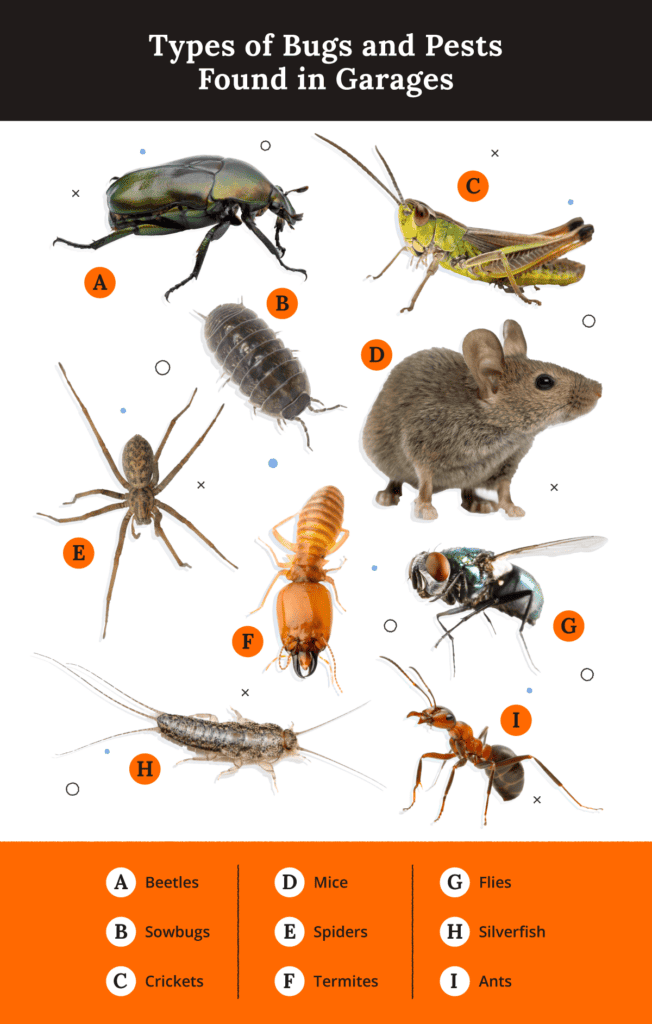
Keeping bugs out of your garage can feel like a never-ending battle, especially if you live in an area with lots of insects. Bugs love garages because they offer shelter, food, and moisture. For many homeowners, the garage is the first line of defense against pests entering the home. If you’re tired of finding spiders, ants, or even cockroaches in your garage, you’re not alone. The good news: you can dramatically reduce bugs in your garage with the right mix of cleaning, sealing, and prevention.
This guide will help you understand why bugs enter garages, show you exactly how to block them out, and offer real examples and data to make your pest control efforts more effective. Even if you’re a beginner, these simple, clear steps will help you create a bug-free space you can feel good about.
Why Bugs Love Garages
Garages are attractive to insects for several reasons. Understanding these can help you target the root of the problem.
- Shelter: Garages are warm and safe from predators.
- Food sources: Bugs eat crumbs, pet food, cardboard, and even garbage.
- Moisture: Leaky pipes or damp floors create ideal bug habitats.
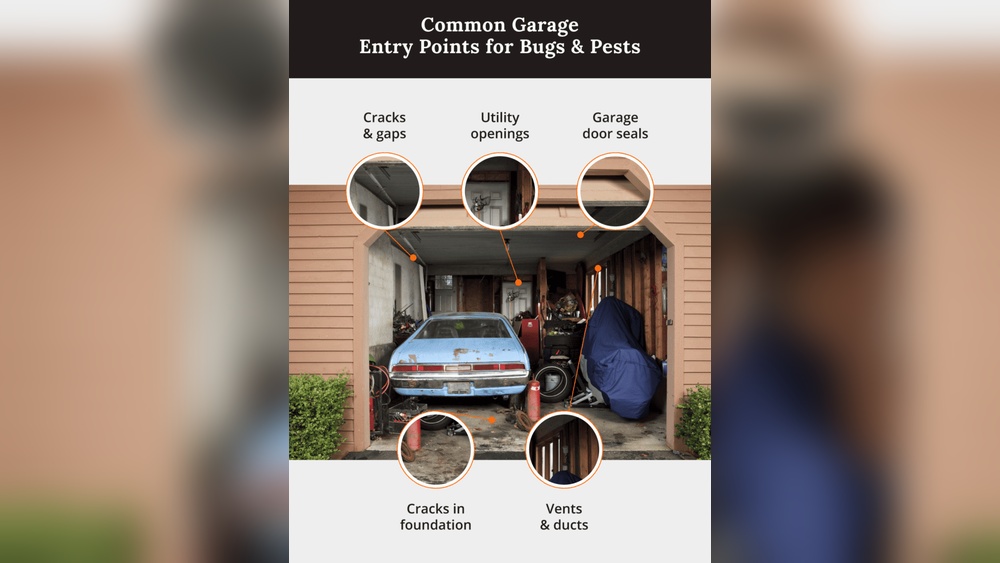
- Entry points: Gaps under doors or cracks in walls are like open doors for bugs.
A recent study found that over 60% of homes with attached garages had at least one type of insect infestation in the garage. That’s why it’s important to act before bugs get inside.
Seal All Entry Points
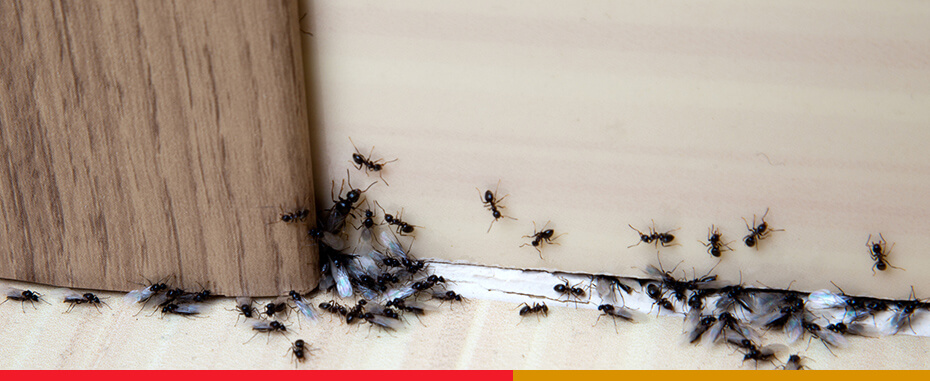
The number one way to keep bugs out is to block their entry. Even tiny gaps can let in ants, spiders, or cockroaches.
Where To Check For Gaps
- Under and around the garage door
- Windows and vents
- Where walls meet the floor
- Around pipes and wiring
How To Seal Entry Points
- Install weatherstripping under and around the garage door. Make sure it touches the ground fully.
- Use silicone caulk for small cracks in walls or around windows.
- Spray foam insulation for larger gaps or holes, especially around pipes.
- Repair window screens to keep flying insects out.
Sealing entry points is the most effective long-term solution. According to the EPA, sealing cracks can reduce bug problems by up to 80%.
Credit: www.aedoorsales.com
Keep The Garage Clean
Bugs are attracted to mess. The cleaner your garage, the fewer bugs you’ll see.
Cleaning Tips
- Sweep the floor weekly to remove crumbs, leaves, and cobwebs.
- Store pet food in sealed containers.
- Keep garbage bins closed tightly.
- Remove cardboard boxes; bugs love to nest in them.
- Wipe up spills right away, especially sugary drinks or oils.
A survey by pest control professionals showed that garages with regular cleaning had 50% fewer insect problems than those that were cluttered and dirty.
Manage Moisture
Many bugs, like silverfish and cockroaches, need moisture to survive. Keeping your garage dry will make it less welcoming.
Control Humidity And Water
- Fix any leaky pipes or faucets immediately.
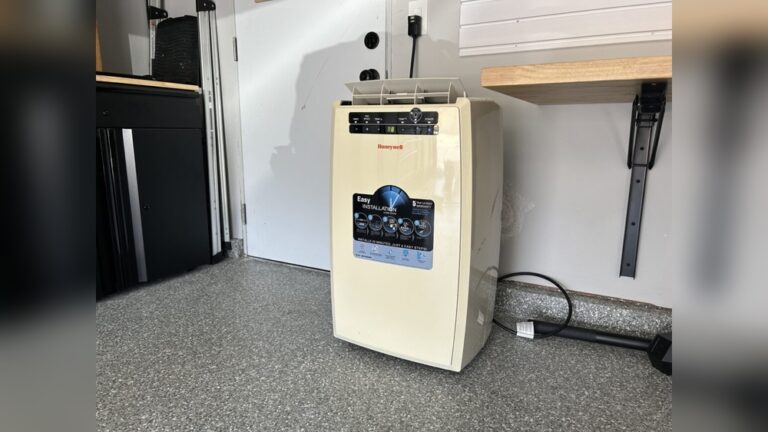
- Use a dehumidifier if your garage feels damp.
- Make sure gutters and downspouts direct water away from the garage.
- Check for water pooling on the floor after rain.
For example, a garage with a humidity level below 50% is much less likely to attract bugs than one with damp air.
Credit: alansfactoryoutlet.com
Use Proper Storage
How you store items in your garage makes a big difference.
Storage Tips
- Use plastic bins with tight lids instead of cardboard boxes.
- Keep items off the floor on shelves or racks.
- Store firewood, mulch, and soil outside the garage.
- Limit the amount of clutter; bugs hide in piles.
Here’s a quick comparison of storage options:
| Storage Type | Bug Risk | Best For |
|---|---|---|
| Cardboard boxes | High | Short-term use only |
| Plastic bins | Low | Long-term, bug-proof |
| Open shelves | Medium | Tools, supplies |
Switching to plastic bins is an easy win for bug prevention.
Light And Airflow: Simple Deterrents
Many bugs avoid bright light and moving air.
Improve Lighting
- Use bright LED lights. Bugs dislike strong, white light.
- Replace old bulbs with yellow “bug lights” near garage doors to attract fewer insects.
Increase Airflow
- Open doors or windows for a short time during the day.
- Install a small fan or vent to keep air moving, which makes it harder for bugs to settle.
For example, garages with good lighting and airflow typically see fewer spiders and moths.
Regular Maintenance And Inspections
Checking your garage a few times a year can catch problems before they get worse.
What To Inspect
- Weatherstripping and seals for wear and tear
- Signs of nests (spider webs, insect eggs)
- Leaks or standing water
- Items stored for a long time
Maintenance Checklist
- Replace broken weatherstripping right away.
- Re-caulk gaps or cracks as they appear.
- Clean out cobwebs and nests.
- Dispose of old or unused items.
Regular checks help stop small problems from becoming big infestations.
Natural And Chemical Bug Barriers
Sometimes, you need extra help. Both natural and chemical options can boost your garage’s defenses.
Natural Deterrents
- Sprinkle diatomaceous earth along walls. It’s safe for people and pets but deadly to bugs.
- Use essential oils like peppermint or tea tree oil mixed with water as a spray.
- Place cedar blocks or chips in corners.
Chemical Barriers
- Use a perimeter spray around the outside of the garage.
- Apply gel baits in corners for ants or cockroaches.
- Only use bug bombs as a last resort and follow instructions carefully.
Here’s a quick look at common deterrents:
| Method | Safe for Pets/Kids | Effectiveness |
|---|---|---|
| Diatomaceous earth | Yes | Moderate |
| Essential oil spray | Yes | Low-Moderate |
| Chemical spray | No (until dry) | High |
Use natural methods for prevention and save chemicals for severe issues.
Address Outdoor Factors
The area around your garage influences bug problems inside.
Outdoor Prevention Tips
- Trim bushes, grass, and branches near the garage.
- Keep garbage cans at least 10 feet from the door.
- Seal cracks in the driveway or foundation.
- Remove standing water near the garage.
Many homeowners miss this step, but it’s key. For example, overgrown bushes can hide ants and spiders that later move inside.
Pest-proof Upgrades
Consider these simple upgrades for a more bug-proof garage.
- Install a garage door threshold seal for a tighter fit.
- Upgrade to metal or vinyl weatherstripping for durability.
- Add door sweeps to entry doors.
- Use mesh covers on vents.
These upgrades are low-cost compared to dealing with a full infestation.
Here’s a comparison of basic upgrades:
| Upgrade | Average Cost | Bug Reduction (%) |
|---|---|---|
| Door threshold seal | $25–$50 | 60% |
| Metal weatherstripping | $30–$70 | 70% |
| Mesh vent covers | $10–$30 | 40% |
Investing in even one of these can make a noticeable difference.

Credit: www.youtube.com
Know When To Call A Professional
Most bug problems can be handled by homeowners, but sometimes you need expert help.
Signs You Need A Pro
- Bugs keep returning despite your efforts.
- You see large nests, wasp hives, or termite mud tubes.
- You find evidence of rodents, which often bring more bugs.
A professional can identify the source and use stronger treatments if needed. For reliable pest control standards, check the guidelines from the EPA.
Frequently Asked Questions
How Do I Keep Ants Out Of My Garage?
Start by sealing all cracks and entry points. Clean up food crumbs and spills right away. Store pet food in sealed containers. For extra protection, use ant baits or natural deterrents like vinegar spray along entry paths.
What Should I Do If I Find Spiders In My Garage?
Remove webs and eggs regularly. Seal gaps and use bright lighting to deter spiders. Store items in plastic bins, not cardboard. If spiders are a big problem, use glue traps in corners.
Is It Safe To Use Bug Sprays In The Garage?
Most sprays are safe if you follow the label instructions. Keep pets and children away until the spray dries. For regular prevention, try natural options like diatomaceous earth, and use chemicals only if bugs persist.
Will A Dehumidifier Help Keep Bugs Out?
Yes, lowering humidity makes your garage less attractive to bugs like silverfish and cockroaches. Set your dehumidifier to keep humidity below 50% for best results.
How Often Should I Inspect My Garage For Bugs?
Check your garage at least every three months. Look for new cracks, leaks, nests, or signs of pests. Regular inspections help you catch problems early and keep your garage bug-free.
Creating a garage that bugs avoid is very possible, even for beginners. By sealing entry points, cleaning regularly, and making a few smart upgrades, you can enjoy a cleaner, safer space. Consistent effort and attention to detail will reward you with a garage that’s off-limits to pests.
If you ever feel overwhelmed, don’t hesitate to seek professional help—sometimes expert eyes can solve a stubborn problem quickly.