
Is It Cheaper To Buy Or Build Garage Shelves
Garages are often packed with tools, holiday decorations, and all kinds of boxes. At some point, you’ll probably think, “I need more shelves.” But then comes the question: Is it cheaper to buy or build garage shelves?
Many people want to save money while getting strong, reliable storage. The answer isn’t as simple as you might think. It depends on your budget, time, skills, and what you want from your shelves. Let’s break down the real costs, compare options, and help you make the best choice for your garage.
Understanding The Cost Factors
Before you decide, it’s important to know what costs are involved. People often overlook some expenses when comparing buying and building. Here are the main factors:
- Materials: Wood, metal, screws, paint, and brackets if you build. If you buy, materials are included in the price.
- Tools: Do you already own a saw, drill, measuring tape, level, and safety gear?
- Labor: Your time has value. Building takes hours, sometimes days.
- Design: Custom size or look may cost more.
- Quality: Store-bought shelves come in different strengths and materials.
- Installation: Some store-bought shelves need assembly too.
Not all costs are visible at first. For example, forgetting to include screws or underestimating the wood needed can add up. Store-bought shelves often include all hardware.
Buying Garage Shelves: What You Pay For
When you buy garage shelves, you pay for:
- Materials and production: The company buys materials in bulk and uses machines.
- Packaging and shipping: Shelves must be packed and shipped.
- Brand and retailer markup: Stores add their profit.
- Convenience: You get shelves ready-to-assemble or even pre-assembled.
Price Range Example
You can find garage shelving units at hardware stores and online:
- Low-end (plastic, light-duty): $40–$70 per unit
- Mid-range (metal, holds 300–600 lbs per shelf): $80–$180 per unit
- Heavy-duty (industrial, 800+ lbs per shelf): $200–$400+ per unit
Some garage shelves have wheels, adjustable heights, or special coatings. These features can push the price higher.
What You Get With Store-bought Shelves
- Warranty: Many shelves come with a guarantee.
- Instructions: Most include easy-to-follow guides.
- Safety ratings: Weight limits are clear.
- Customer support: Help if something breaks or parts are missing.
But you are limited by the sizes and styles available. Custom solutions cost much more.

Credit: www.samprimeusa.com
Building Garage Shelves: The Real Costs
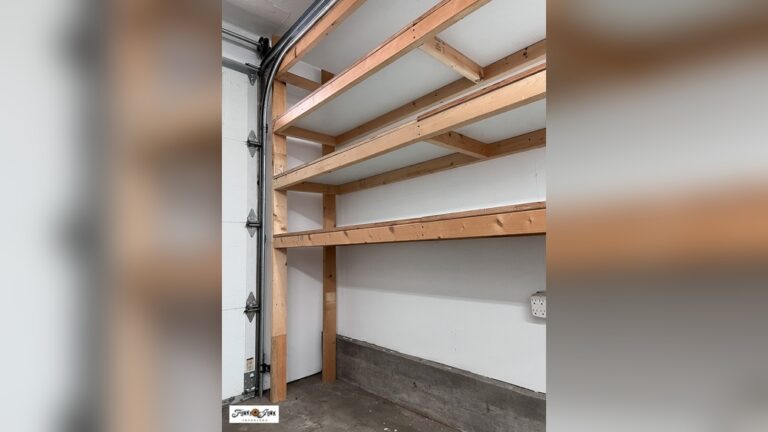
Building your own shelves can seem cheaper, but the true cost depends on several things.
Material Costs
Let’s look at a basic example:
- 2×4 lumber: About $4–$5 per 8-foot piece
- Plywood (3/4″, 4×8 sheet): $45–$65 each
- Screws and brackets: $10–$20
- Paint or sealant (optional): $15–$30
For a simple 3-shelf unit (6 feet long, 2 feet deep):
- 5 pieces of 2x4s for the frame: $25
- 1 sheet of plywood for shelves: $50
- Screws and brackets: $15
- Paint: $20
Total materials cost: About $110
Tool Costs
If you don’t own basic tools, you might need to buy or borrow:
- Drill: $40–$80
- Saw: $50–$150
- Tape measure, level: $20
- Safety gear: $10
If you buy tools just for this project, costs go up fast. If you already own tools, building becomes much cheaper.
Time And Labor
A beginner might spend 6–10 hours building a 3-shelf unit, including:
- Planning and measuring
- Cutting wood
- Assembly
- Painting or sealing
Your time is valuable. If you enjoy building, it’s a plus. If not, buying may be better.
Mistakes And Waste
First-timers often make mistakes that cost extra:
- Mis-cutting wood (need to buy more)
- Using wrong screws (shelves become unstable)
- Crooked shelves (wasted time and frustration)
Building is rewarding, but not always easy.
Side-by-side Cost Comparison
Let’s compare the costs for a typical 3-shelf garage unit—store-bought vs. DIY.
| Item | Store-Bought | DIY Build |
|---|---|---|
| Materials | Included | $110 |
| Tools | Included | $0–$250 (if needed) |
| Labor | Minimal assembly | 6–10 hours |
| Warranty | Usually included | No |
| Customization | Limited | Full |
| Total Cost | $80–$180 | $110–$360 (with tools) |
Insight: If you already own the tools, building can be similar in cost to buying, with the benefit of custom sizing. If you need to buy tools, store-bought is often cheaper.
When Building Is Cheaper
Building garage shelves is cheaper when:
- You need a custom size or special shape.
- You already have the basic tools.
- You can buy materials on sale or use leftover wood.
- You enjoy DIY and value the experience.
You can also save by reusing materials, like old wooden pallets or extra plywood. Some people build shelves for less than $50 this way.
Non-obvious tip: Hardware stores often cut wood for you, sometimes for free. This saves time and tool costs.
When Buying Is Cheaper
Buying is cheaper and more practical when:
- You need shelves quickly.
- You do not own tools, or renting tools is expensive.
- You want a professional look or a warranty.
- You’re not confident with measuring and cutting.
Some stores offer free delivery and assembly. If your time is limited, store-bought saves stress and effort.
Example: If you only need one set of shelves, paying $100–$150 is likely less than buying materials and tools.
Durability And Strength: Does Diy Win?
Many people think homemade shelves are stronger. That’s true if you use thick wood and sturdy fasteners. But store-bought shelves from reputable brands are also tested for safety.
Let’s compare weight limits for similar-sized shelves:
| Type | Weight Limit per Shelf | Price Range |
|---|---|---|
| DIY (2×4 wood, 3/4″ plywood) | 400–600 lbs | $110–$150 |
| Store-Bought (metal) | 300–800 lbs | $120–$350 |
| Store-Bought (plastic) | 100–250 lbs | $40–$90 |
Insight: For heavy-duty needs, both options can be strong. DIY lets you over-build for maximum strength. But for most people, store-bought shelves handle typical garage loads.
Other Factors To Consider
Space And Fit
If you have a small or unusual space, building shelves lets you use every inch. Store-bought shelves only come in standard sizes.
Example: A narrow gap beside your garage door might fit a custom shelf, but no store-bought option.
Safety
DIY mistakes can lead to wobbly or unsafe shelves. Store-bought shelves are designed and tested. If you’re new to building, follow online plans or ask for advice at the hardware store.
Upgrades And Changes
Store-bought shelves are hard to change or expand. DIY shelves are easy to add onto or adjust.
Resale Value
Good DIY shelves can improve your home’s value. But poor-quality work can hurt it. Store-bought shelves are easy to remove if you move.
Real-world Example: Case Study
Anna wanted shelves for her two-car garage. She compared these options:
- Buy: Metal shelf unit, 72″ x 48″ x 18″, $145 at a big-box store
- Build: Used 2x4s and plywood, total material cost $120. She already owned tools.
Anna spent 8 hours building. Her shelves fit her space perfectly and held more weight than the store unit. She saved $25 and got exactly what she wanted. But she also spent a full weekend and had to fix a measuring mistake.
Lesson: If you value customization and have tools, building saves money. If you want convenience, buying is easier.
Environmental Impact
Building with reclaimed wood or recycled materials is eco-friendly. Store-bought shelves use new materials and long-distance shipping. If you care about your carbon footprint, building with reused supplies wins.

Credit: www.pneumaticaddict.com
Summary Table: Buy Vs. Build
To help you decide, here’s a quick comparison:
| Factor | Buy | Build |
|---|---|---|
| Cost (if you own tools) | Medium | Low–Medium |
| Cost (if you buy tools) | Low–Medium | High |
| Time Required | Low | High |
| Customization | Low | High |
| Strength | Medium–High | High |
| Warranty | Yes | No |
| Beginner Friendly | Yes | Medium |
How To Decide: Quick Guide
Ask yourself these questions:
- Do I already own the basic tools?
- Is my garage space a standard size?
- Do I need heavy-duty strength?
- How much is my time worth?
- Do I want shelves fast, or do I enjoy DIY?
If you answer “yes” to owning tools and liking projects, building can be cheaper and more satisfying. If you want quick and easy storage, buying is usually better.
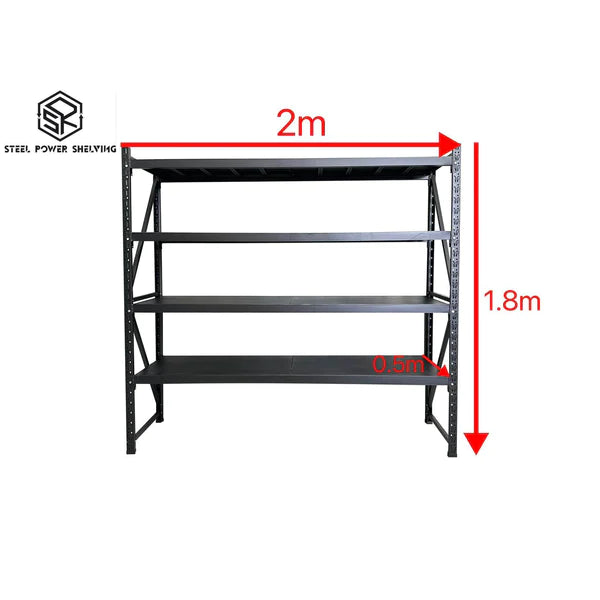
Credit: steelpowershelving.com.au
Where To Find Plans And Deals
For building, you can find free shelf plans from sites like Family Handyman or Ana White. Hardware stores often have step-by-step guides and will cut wood for you.
For buying, look for sales at local hardware stores or online. Read reviews to make sure shelves are sturdy and safe.
For more info on shelf building and costs, check Family Handyman.
Final Thoughts
So, is it cheaper to buy or build garage shelves? If you already have the tools and want shelves to fit your exact needs, building is often cheaper and more flexible. For most beginners, especially if you need to buy tools, store-bought shelves are less expensive and much easier to set up.
Remember, the best choice is the one that fits your skills, budget, and needs. Take your time, plan carefully, and you’ll have a garage that’s neat, safe, and ready for anything.
Frequently Asked Questions
How Long Does It Take To Build Garage Shelves?
For beginners, building a basic set of shelves usually takes 6–10 hours. This includes planning, measuring, cutting, assembling, and finishing. If you have experience, you might finish faster.
Can I Build Garage Shelves Without Power Tools?
It’s possible, but much harder. Cutting wood by hand is slow and less accurate. Borrowing or renting a saw and drill is recommended for safety and speed.
Are Homemade Shelves As Strong As Store-bought?
If built with 2x4s and thick plywood, homemade shelves can be as strong or stronger than store-bought metal units. Make sure to use the right screws and brackets for maximum strength.
What Are Common Mistakes When Building Garage Shelves?
- Not measuring the space correctly
- Using the wrong type or size of wood
- Forgetting to level shelves
- Not securing shelves to the wall if needed
Can I Mix Bought And Built Shelves In My Garage?
Yes! Many people use a mix. For example, buy adjustable metal shelves for heavy tools, and build custom wooden shelves for odd spaces. This gives the best of both worlds.