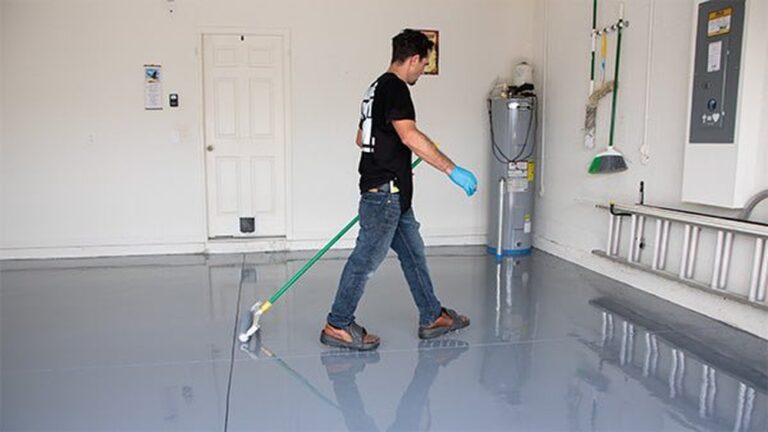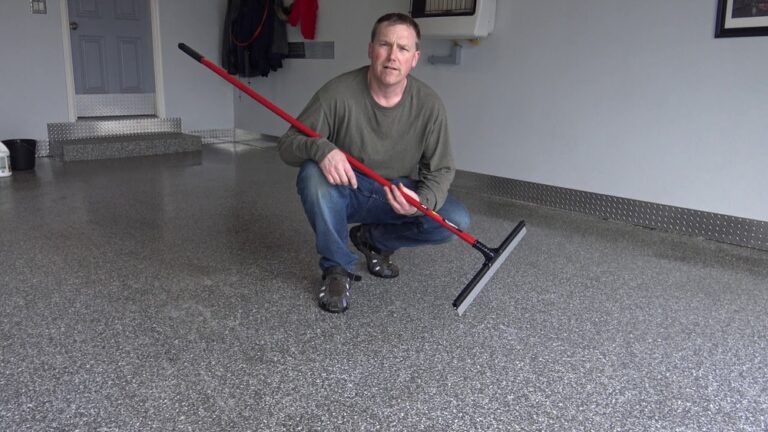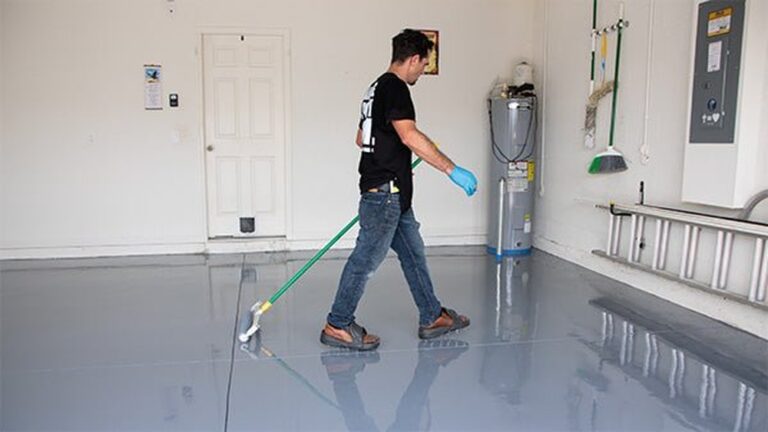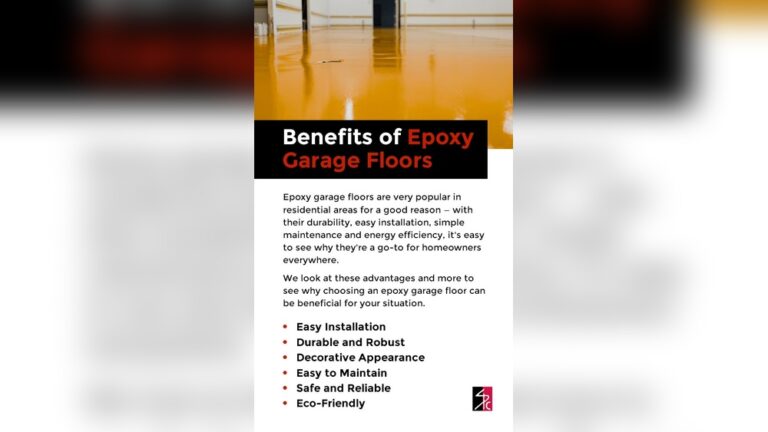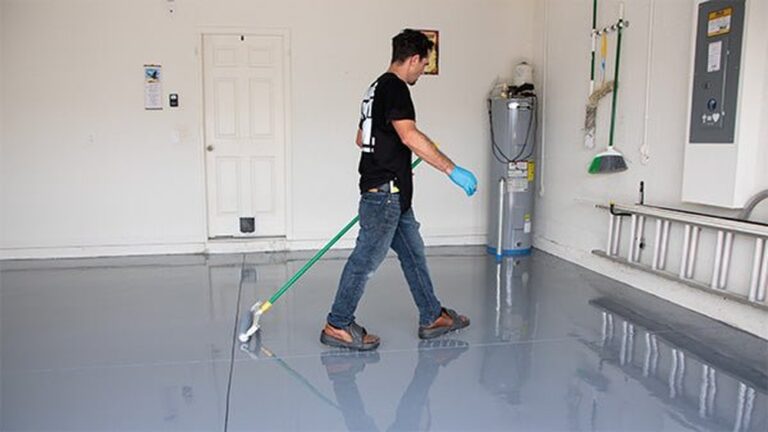

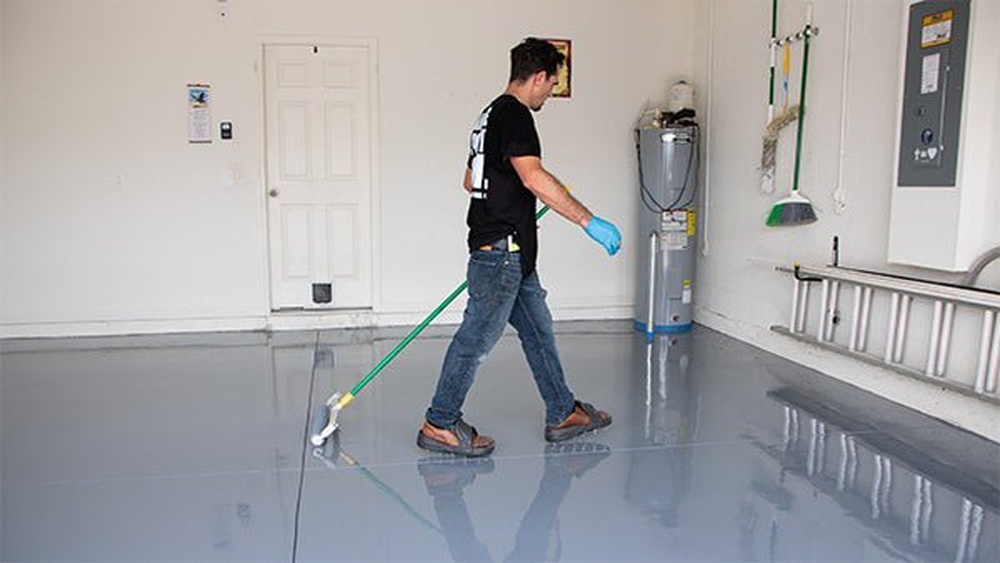
Painting your garage floor can give your space a fresh, clean look and protect the concrete. For many homeowners, it’s a smart upgrade that can make a big difference. But before you start, you need to know the cost to paint garage floor—what affects it, how to plan your budget, and what mistakes to avoid. In this guide, you’ll find clear answers, real examples, and practical tips so you can make a confident choice.
Why Paint Your Garage Floor?
A painted garage floor is more than just good looks. It offers several benefits:
- Protection: The paint shields the concrete from stains, oil, chemicals, and water.
- Easy Cleaning: Painted floors are easier to sweep and mop.
- Better Appearance: It hides cracks, marks, and gives your garage a neat finish.
- Value Boost: It can increase your home’s appeal if you decide to sell.
Many people only think about the paint cost. But labor, prep work, and the right materials are just as important. Understanding these factors will help you avoid surprises.
Some homeowners also notice that a painted floor helps reduce dust. Concrete sheds dust over time, and paint forms a seal that can limit this problem. Also, if you use your garage as a workshop, a painted floor is safer because you can spot dropped items or spills quickly.
Main Factors Affecting Cost
The total cost depends on several elements. Let’s break them down:
1. Garage Size
- Most single garages are 250–400 square feet.
- Double garages are 400–600 square feet.
More area means more paint and more labor.
If your garage has odd shapes or extra storage nooks, you might need more paint than you think. Always round up your area estimate to avoid running out of supplies halfway through.
2. Type Of Paint
There are three main types:
- Epoxy: Most durable, resists chemicals, and lasts long.
- Acrylic: Cheaper, easy to apply, but less durable.
- Polyurethane: Flexible, UV resistant, but usually pricier.
Epoxy is the most popular for garage floors.
Each paint type also needs different drying times. Epoxy usually takes the longest to cure, sometimes up to 72 hours, while acrylic dries much faster but doesn’t last as long. Polyurethane can be slippery if you don’t add anti-slip flakes.
Beginners often overlook these small but important details.
3. Surface Preparation
Concrete must be clean and dry. Prep often includes:
- Cleaning: Removing oil, dirt, and debris.
- Repair: Fixing cracks or holes.
- Etching: Using acid or chemicals for better paint adhesion.
Skipping prep is a common beginner mistake, leading to peeling and wasted money.
Some older garages may have sealers or old paint that must be removed. This can add to the cost and time needed. If the floor is very rough or damaged, you might need extra patching products.
4. Diy Vs Professional
- Doing it yourself saves money but requires time and effort.
- Hiring a pro ensures quality but increases cost.
DIY projects can be rewarding, but you need to be patient and follow instructions closely. If you’re not sure about your skills, hiring a professional can prevent costly mistakes like uneven coating or missed spots.
5. Number Of Coats
Most garage floors need 2 coats for durability and coverage. Some paints may need a primer or sealant.
Applying more than two coats doesn’t always mean better results. In fact, too much paint can create problems, like cracking or bubbling. Stick with the manufacturer’s recommendations.
6. Additional Features
- Anti-slip additives
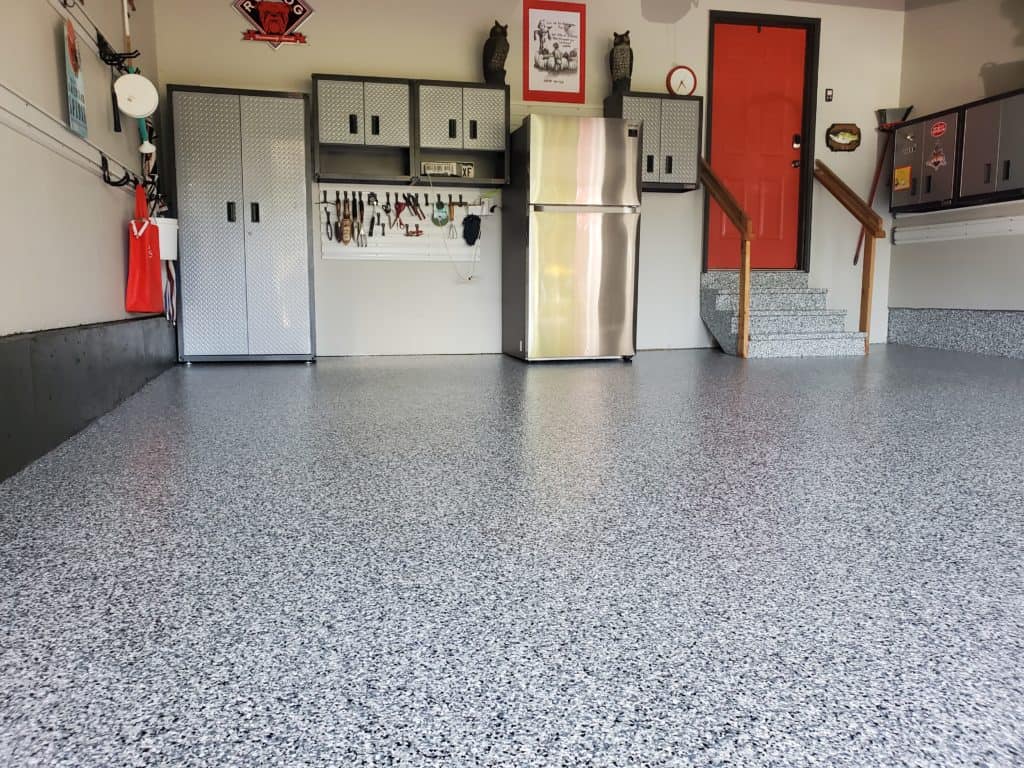
- Decorative flakes
- Custom colors
These extras add to the price.
Anti-slip additives are a smart choice, especially if your garage gets wet or if you walk in with snowy shoes. Decorative flakes not only make the floor look better but also help hide dirt and small flaws.
Typical Cost Breakdown
Let’s look at average costs for painting a garage floor in the US.
Diy Cost Example
For a single-car garage (about 300 sq ft):
- Epoxy kit: $80–$150
- Cleaning supplies: $20–$40
- Etching solution: $15–$30
- Rollers, brushes, tape: $15–$30
- Total DIY materials: $130–$250
If you do the work yourself, the main expense is materials.
Some kits include all you need, but check the package. You might still need extra cleaning supplies, a shop vacuum, or gloves. Also, plan for small things like mixing sticks or trays—forgetting these can slow you down.
Professional Cost Example
For a single-car garage:
- Labor: $2–$5 per sq ft
- Materials: $1–$3 per sq ft
- Total: $900–$2,400
Double garages can cost $1,700–$4,000. Prices vary by location and complexity.
If your garage floor is badly damaged or has a lot of oil stains, professionals may charge more for extra prep. Some companies offer a warranty on their work, which adds peace of mind but might increase cost.
Cost Comparison Table
Here’s a comparison of typical costs for different garage sizes and methods:
| Garage Size | DIY Cost | Professional Cost |
|---|---|---|
| Single (250–400 sq ft) | $130–$250 | $900–$2,400 |
| Double (400–600 sq ft) | $200–$400 | $1,700–$4,000 |
Remember, these are average ranges. In cities with high labor costs, expect the higher end. In rural areas, you may find cheaper pro rates. Always get a few quotes before deciding.
Paint Type Comparison
Different paints have different prices and features.
| Paint Type | Average Price (per gal) | Durability | Recommended For |
|---|---|---|---|
| Epoxy | $40–$70 | 10–15 years | Heavy use, oil spills |
| Acrylic | $25–$40 | 2–5 years | Light use |
| Polyurethane | $60–$90 | 7–10 years | UV exposure |
Epoxy is best for garages with cars, tools, and heavy traffic. Polyurethane is ideal if your garage gets sunlight, as it resists fading and yellowing. Acrylic is good for low-traffic spaces or if you want a quick fix on a budget.
Step-by-step Cost Planning
If you’re a beginner, here’s how to estimate your budget:
1. Measure Your Garage
- Use a tape measure.
- Multiply width by length (in feet) to get square footage.
If your garage has cabinets or built-ins, subtract those areas from your total. This makes your paint estimate more accurate.
2. Choose Paint Type
- For most garages, epoxy is best.
- Check manufacturer coverage (usually 200–250 sq ft per gallon).
Read paint labels carefully. Some brands include primer in the kit, while others require you to buy it separately.
3. Estimate Materials
- Paint: Enough for 2 coats.
- Prep supplies: Cleaner, etcher, rollers, brushes, tape.
Don’t forget safety items. Gloves, goggles, and masks are important when using cleaners or etching acids.
4. Decide Diy Or Professional
- If you’re handy and patient, DIY saves money.
- For a perfect finish, hire a pro.
If you have a busy schedule or need the garage quickly, pros can do the job faster. But scheduling may take weeks in busy seasons.
5. Add Extras
- Anti-slip flakes: $10–$30 per bag.
- Decorative chips: $20–$50 per kit.
These extras are optional but can make your garage safer and more attractive.
Example Calculation
For a 400 sq ft garage:
- Epoxy paint (2 gallons): $120
- Prep supplies: $40
- Rollers/brushes: $25
- Decorative chips: $30
- Total DIY: $215
Professional Labor (at $4/sq Ft): $1,600
Materials: $150
Total Pro: $1,750
Don’t forget to budget for minor unexpected costs, like extra tape or a brush if one wears out.
Common Mistakes That Increase Cost
Beginners often overlook these:
- Not cleaning thoroughly—paint won’t stick.
- Skipping crack repairs—paint peels.
- Using cheap paint—short lifespan, more frequent repainting.
- Not checking humidity—paint may not cure properly.
- Forgetting to budget for tools—rollers, tape, gloves.
Each mistake adds unexpected costs later. Spending a bit more on prep saves money in the long run.
Another common error is not allowing enough drying time between coats. Rushing this step can ruin the finish, requiring sanding and repainting. Also, never paint if rain is expected and your garage is humid or damp.
Practical Tips To Save Money
- Buy a complete paint kit—includes all needed materials.
- Watch for seasonal discounts at home stores.
- Borrow tools from friends or neighbors.
- Do prep work yourself even if you hire a pro for painting.
- Choose standard colors—custom colors are more expensive.
Most people don’t realize that good prep is the biggest money saver. Even expensive paint won’t last if the surface isn’t ready.
If you have leftover paint from other projects, use it for touch-ups or as a primer layer. Just make sure it’s compatible with your topcoat.

Credit: homeguide.com
How Long Does Painted Garage Floor Last?
- Epoxy: 10–15 years with proper prep.
- Acrylic: 2–5 years, needs frequent touch-ups.
- Polyurethane: 7–10 years.
Heavy use, car traffic, and spills can reduce lifespan. Regular cleaning helps paint last longer.
Keeping sand, salt, or sharp objects off the floor also extends its life. Place mats under cars or work areas to catch drips and debris.
Real-life Example: Diy Vs Pro
Let’s look at a real scenario:
John in Texas painted his 2-car garage (500 sq ft):
- DIY cost: $320 for materials, took 2 days.
- Pro quote: $2,100, completed in 1 day.
John saved money but spent more time. He learned that using quality epoxy and spending extra time on prep was worth it. Many beginners don’t realize that rushing the process can lead to peeling, needing a costly redo.
Another homeowner, Lisa in California, tried to save money by skipping etching. Her paint started peeling within a year. She ended up hiring a pro to fix the floor, doubling her total cost. This shows why following each step matters.
Garage Floor Paint Vs Other Options
Garage floor paint isn’t the only way to upgrade your floor. Here’s how it compares with other methods:
| Method | Average Cost | Durability | DIY Friendly |
|---|---|---|---|
| Epoxy Paint | $130–$400 (DIY) | 10–15 years | Yes |
| Floor Tiles | $500–$2,000 | 10–20 years | Moderate |
| Concrete Stain | $100–$300 | 5–10 years | Yes |
Epoxy paint is the most budget-friendly for beginners.
Tiles are good if you want a unique look or need to cover badly damaged floors. Concrete stains give a more natural look but don’t offer as much protection as epoxy.
What Really Matters For Beginners
- Prep is everything: Clean, repair, and etch for best results.
- Choose durable paint: Epoxy costs more but lasts much longer.
- Budget for tools and extras: Don’t forget rollers, tape, gloves.
- Plan for drying time: You can’t park for 24–72 hours after painting.
- Ask for pro quotes: Compare at least three local companies before hiring.
Many beginners miss the importance of humidity and temperature. Paint cures best between 60–80°F and low humidity.
Also, check your garage for leaks or water entry before starting. Even a small water problem can cause paint to lift and peel, leading to extra repair costs later.
Credit: resurfacingandrepair.com
Where To Find Trusted Paint Brands
Look for well-known brands like Rust-Oleum, Behr, and Quikrete. Read reviews and check coverage per gallon. For more in-depth info, see Consumer Reports.
Some brands offer color samples or small kits for testing. Trying a small area first helps you see the finish and color before committing to a full paint job.
Frequently Asked Questions
How Long Does Garage Floor Paint Last?
Epoxy paint lasts 10–15 years with good prep. Acrylic lasts 2–5 years. Heavy traffic can shorten lifespan.
Can I Paint My Garage Floor Myself?
Yes, many homeowners do it themselves. Prep takes time, but it’s possible for beginners. Using an epoxy kit makes it easier.
Is It Worth Hiring A Professional?
If you want a perfect, long-lasting finish and don’t have time for prep, hiring a pro is worth it. DIY saves money but may not look as polished.
What’s The Best Paint For Garage Floors?
Epoxy paint is best for durability, stain resistance, and easy cleaning. Acrylic is cheaper but less durable.
How Do I Prepare My Garage Floor For Painting?
Clean thoroughly, repair cracks, and etch the surface. Let it dry fully before painting. Good prep is key for lasting results.
Painting your garage floor can be a smart upgrade—especially if you know what affects the cost. Plan your budget, choose the right paint, and don’t skip prep. With the tips above, you can make your garage look great and last for years.

Credit: jmkcontractor.com