
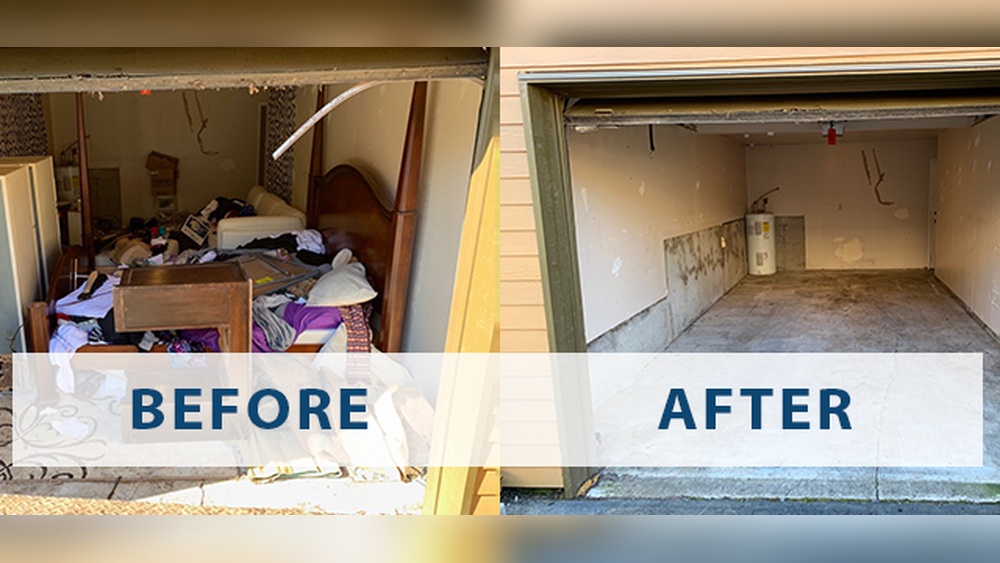
Clearing out a messy garage often feels overwhelming. Many homeowners close the garage door and hope the clutter will magically sort itself out. But the truth is, a clean garage can change your daily life. You’ll find tools faster, park your car with ease, and even create space for hobbies or a home gym. This guide will walk you through the garage clean out process, step by step, with beginner-friendly tips, real examples, and clear answers to common questions.
Why Garage Clean Out Matters
A cluttered garage is more than an eyesore. It can:
- Make it hard to park your car
- Create safety hazards from tripping or falling items
- Attract pests or mold
- Lower your home’s value
According to a survey by the National Association of Professional Organizers, 50% of homeowners named the garage as their most disorganized area. Cleaning it out not only brings peace of mind, but also saves money—fewer lost tools and no need to buy duplicates.
Setting Your Clean Out Goals
Start with a clear goal. Ask yourself:
- Do you need space for your car?
- Want a workshop or gym area?
- Just want to reduce clutter?
Write down your goals and keep them visible during your project. Clear goals help you stay motivated and make decisions about what to keep or toss.
Planning Your Garage Clean Out
Before you start moving things, make a plan:
- Pick a date: Choose a weekend with good weather. Many people underestimate how long a garage clean out can take—plan for at least 4-8 hours.
- Gather supplies: Large trash bags, cleaning products, gloves, boxes, a broom, and labels.
- Invite help: Family or friends make the process faster and more fun.
Sample Timeline
Here’s a sample schedule for a one-day clean out:
| Time | Task |
|---|---|
| 8–9 AM | Empty garage and sort items |
| 9–11 AM | Decide what to keep, donate, trash, or sell |
| 11 AM–12 PM | Clean floors and surfaces |
| 12–1 PM | Lunch break |
| 1–4 PM | Organize and return items |
Sorting: Keep, Donate, Trash, Or Sell
When you empty your garage, divide everything into four groups:
- Keep: Use it often or it has sentimental value.
- Donate: In good condition, but you don’t need it.
- Trash: Broken or unusable.
- Sell: Valuable, but you don’t need it.
A good rule: If you haven’t used something in over a year, consider letting it go.
Example: Sorting Sports Equipment
- Keep: Baseball glove used every summer.
- Donate: Old soccer balls your kids outgrew.
- Trash: Deflated, cracked basketball.
- Sell: High-quality bike you never ride.
Deep Cleaning Your Garage
Once the garage is empty, it’s time for a deep clean:
- Sweep the floor and remove cobwebs.
- Mop if needed.
- Wipe down shelves, doors, and windows.
- Check for any water leaks or mold.
Tip: Use a shop vacuum for dust and small debris. This step makes your garage look and smell fresh.
Organizing For Function And Space
Now comes the most satisfying part—organizing your garage for your needs. Storage is key. Here’s how to make the most of your space:
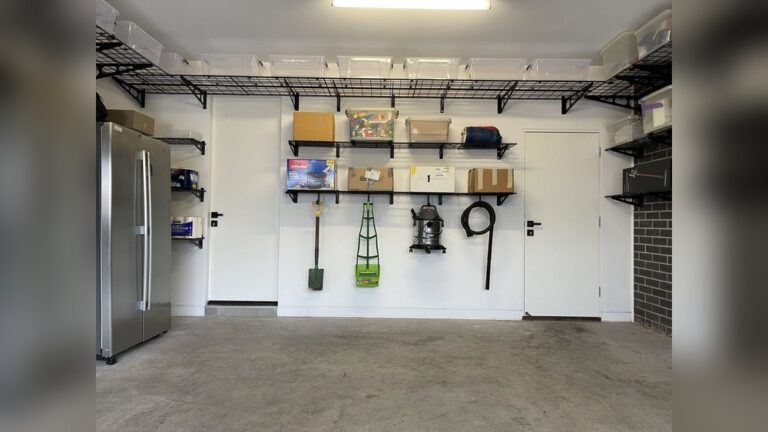
- Use vertical storage: Install shelves or hooks on walls.
- Group similar items: Sports gear, garden tools, and holiday décor each get their own section.
- Label everything: Use labels for bins and boxes so you can find things quickly.
- Keep the floor clear: Store items off the ground when possible.
Storage Solutions Comparison
Consider these common garage storage options:
| Storage Type | Best For | Price Range | Space Efficiency |
|---|---|---|---|
| Wall Shelves | Boxes, tools | $30–$200 | High |
| Pegboards | Small tools | $15–$70 | Medium |
| Overhead Racks | Seasonal items | $50–$300 | Very High |
| Cabinets | Chemicals, valuables | $100–$500 | Medium |
Beginner insight: Overhead racks are often missed. They’re perfect for items you use rarely, like holiday decorations.
Dealing With Hazardous Materials
Garages often contain hazardous items like old paint, chemicals, or batteries. Don’t throw these in regular trash. Instead:
- Check local disposal rules.
- Many cities have special drop-off locations.
- Store away from children and pets.
Non-obvious tip: Old gasoline can become dangerous over time. If you find old fuel, don’t pour it down the drain—dispose of it properly.
Selling, Donating, And Recycling
Letting go of items can feel tough. But donating and recycling helps others and the environment.
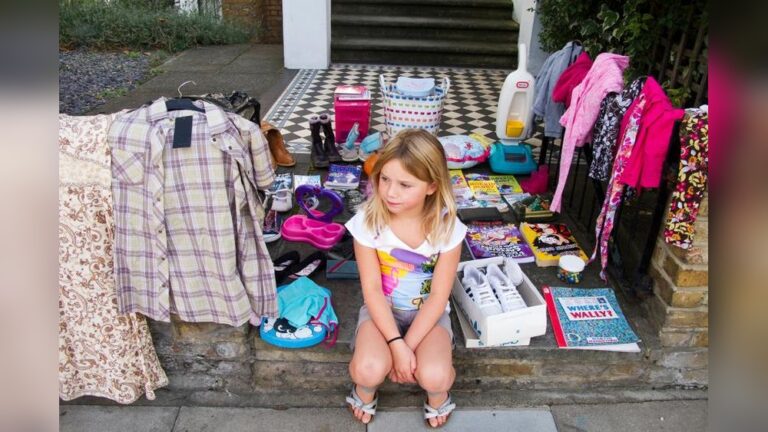
- Sell: Use local online marketplaces or a garage sale. Clean items before listing.
- Donate: Call local charities to see what they accept.
- Recycle: Cardboard, metal, and some plastics can go to recycling centers.
Real example: Donating old bikes to community programs gives kids a way to get active.
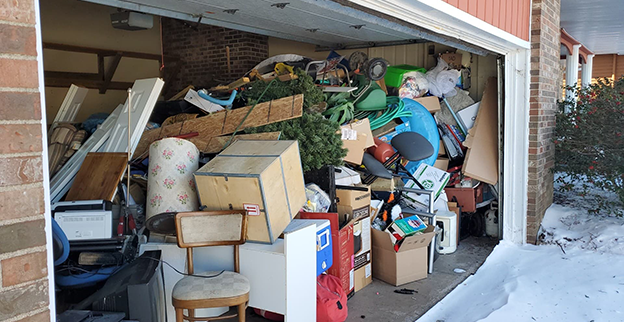
Credit: www.junk-king.com
Creating Zones In Your Garage
Organizing by zones makes it easy to keep your garage clean long-term. Common zones include:
- Tools and DIY
- Sports equipment
- Garden supplies
- Seasonal décor
- Household overflow
Each zone should have its own shelf, bin, or rack. This way, you always know where to put things back.
Maintenance: Keeping It Clean
A clean garage stays clean with a little regular attention. Here’s how to maintain order:
- Monthly: Sweep the floor and check for new clutter.
- Seasonally: Review and donate/sell unused items.
- Immediately: Put things back after use.
Practical tip: Set a reminder on your phone for a quick monthly clean. Small efforts stop big messes.
Realistic Garage Clean Out Challenges
Many people start strong and lose motivation. Here are common challenges and how to overcome them:
- Sentimental clutter: Take a photo before letting go.
- Too much stuff: Set a timer—work in 30-minute blocks.
- Heavy items: Ask for help or use a dolly.
Beginner insight: It’s normal to feel overwhelmed. Breaking the job into small steps makes it easier.
Cost Of Garage Clean Out
Some people hire professionals, while others do it themselves. Costs depend on the garage size and how much you need to remove.
| Option | Average Cost | Includes |
|---|---|---|
| DIY | $0–$150 | Supplies, disposal fees |
| Professional Service | $200–$600 | Labor, haul away, cleaning |
| Junk Removal Truck | $100–$400 | Bulk items only |
Hiring help is faster, but cleaning out yourself saves money and gives you control.
When To Call A Professional
If your garage is full of heavy junk, dangerous items, or you simply feel stuck, a professional can help. Look for:
- Junk removal companies
- Professional organizers
- Local “clean out” specialists
Insider tip: Ask for a free quote before hiring. Many companies also recycle or donate items for you.
Garage Clean Out Mistakes To Avoid
- Not finishing the job: Start early in the day and block out enough time.
- Skipping cleaning: Don’t just organize—clean every surface.
- Ignoring safety: Wear gloves, lift with your legs, and check for pests.
- Poor storage: Invest in sturdy shelves and bins, not just cardboard boxes.
- Forgetting maintenance: Schedule follow-ups to keep clutter away.
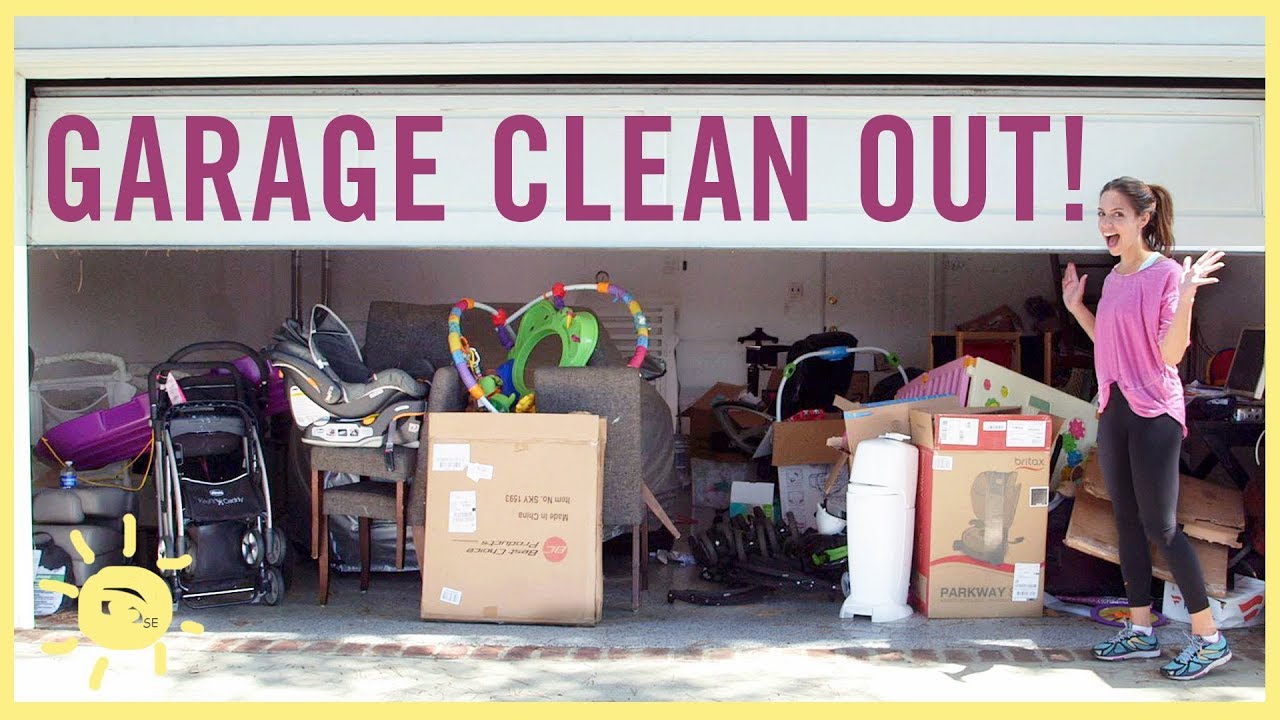
Credit: www.youtube.com
Garage Clean Out Example: One-car Garage
Let’s walk through a real-world example for a one-car garage:
- Morning: Remove all items to the driveway. Sort into keep, donate, trash, and sell piles.
- Late morning: Sweep, mop, and wipe shelves.
- Lunch: Take a break.
- Afternoon: Install two wall shelves and a pegboard. Place labeled bins for sports gear and tools. Hang bikes from ceiling hooks.
- Evening: Drop off donations and take trash to the curb.
This method takes one day, costs under $100, and leaves you with a garage you can use every day.
Frequently Asked Questions
How Long Does A Garage Clean Out Take?
A typical garage clean out can take 4 to 8 hours for a one- or two-car garage. Large or very cluttered garages may need a full weekend. Set aside enough time and take breaks to avoid burnout.
What Should I Never Store In The Garage?
Avoid storing food, important documents, and electronics in your garage. Food attracts pests, documents can become damaged, and electronics are sensitive to temperature changes.
How Can I Get Rid Of Hazardous Waste Found In My Garage?
Contact your city’s waste management or recycling center. Many have dedicated days for hazardous waste collection. Never pour chemicals down the drain. For more info, check your local government website or the EPA’s household hazardous waste page.
Is It Better To Clean Out My Garage In The Spring Or Fall?
Both seasons work well, but spring is a popular choice. The weather is mild, and you can prepare for summer activities. Fall is also good for getting ready before winter.
How Do I Maintain A Clean Garage After A Big Clean Out?
- Put items back in their zones right away
- Schedule short monthly clean-ups
- Donate or sell unused items every season
A little effort each month keeps your garage organized and stress-free.
Cleaning out your garage can seem like a big task, but breaking it down into simple steps makes it manageable. With good planning, the right tools, and some determination, anyone can transform a messy garage into a useful, organized space.
The benefits—more room, less stress, and easy access—are worth the effort.

Credit: frontierwaste.com