
Many of the world’s biggest companies didn’t begin in fancy offices. They started in simple garages, often with very little money, but a lot of determination. These stories inspire beginners, showing that you don’t need perfect conditions to build something great. In this article, you’ll discover how garage startups became household names, see practical data, and learn key lessons for your own journey. Whether you’re curious or planning your first business, these examples prove that anyone can start small and think big.
Famous Companies That Started In A Garage
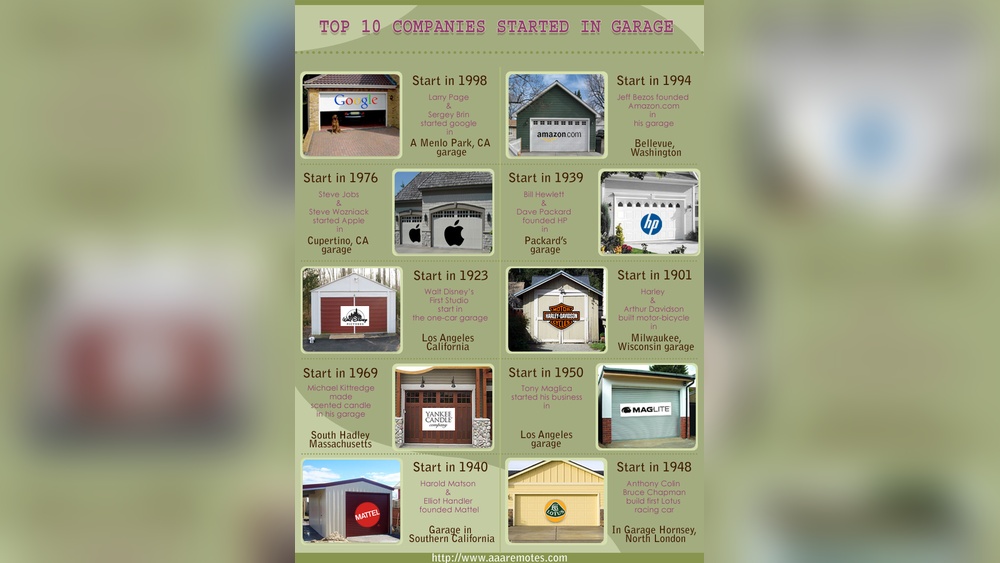
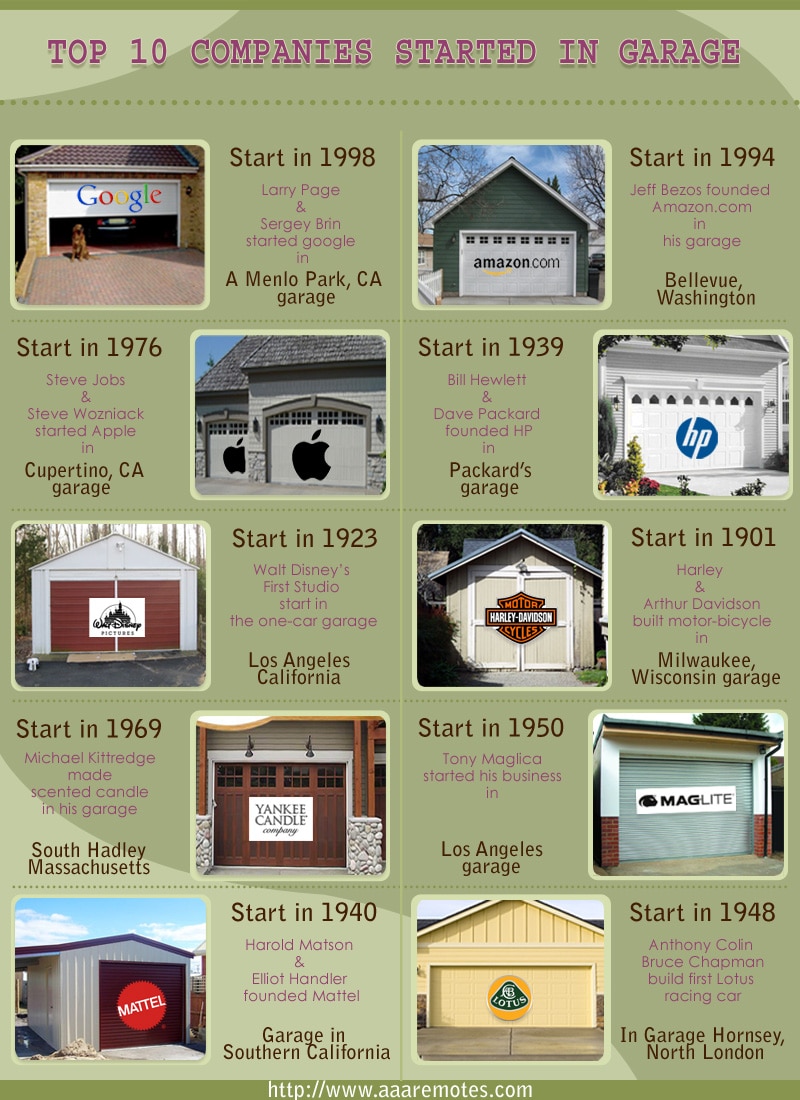
Let’s look at some well-known companies that began in garages. Their stories show the power of creativity and persistence.
Apple
- Founded: 1976
- Founders: Steve Jobs, Steve Wozniak, Ronald Wayne
- Location: Los Altos, California
Apple’s first computer was built in Jobs’ parents’ garage. They had little money and simple tools. Today, Apple is one of the world’s most valuable companies, with a market value over $2 trillion.
- Founded: 1998
- Founders: Larry Page, Sergey Brin
- Location: Menlo Park, California
Page and Brin rented a garage from Susan Wojcicki. They worked on their search engine project, which quickly grew. Now, Google is a global leader in technology, with billions of users.
Amazon
- Founded: 1994
- Founder: Jeff Bezos
- Location: Bellevue, Washington
Bezos started Amazon in his garage as an online bookstore. He handled orders and packed books himself. Amazon is now the largest online retailer, earning over $500 billion in revenue annually.
Hewlett-packard (hp)
- Founded: 1939
- Founders: Bill Hewlett, Dave Packard
- Location: Palo Alto, California
HP’s first product was an audio oscillator, made in Packard’s garage. They sold it to Walt Disney Studios. HP became a leader in electronics and computers.
Disney
- Founded: 1923
- Founders: Walt Disney, Roy O. Disney
- Location: Los Angeles, California
Walt and Roy created their first animation studio in a garage. Disney now owns famous brands like Pixar and Marvel.
Microsoft
- Founded: 1975
- Founders: Bill Gates, Paul Allen
- Location: Albuquerque, New Mexico (worked in a garage early on)
Gates and Allen developed software for the Altair 8800 computer. Microsoft has since become the world’s largest software maker.
Harley-davidson
- Founded: 1903
- Founders: William Harley, Arthur Davidson
- Location: Milwaukee, Wisconsin
The first Harley-Davidson motorcycle was built in a small wooden shed, which was basically a garage. Today, it’s a legendary motorcycle brand.
Mattel
- Founded: 1945
- Founders: Harold Matson, Elliot Handler
- Location: Los Angeles, California
Matson and Handler started making picture frames in a garage. Later, they shifted to toys. Mattel is now a leading toy company, famous for Barbie.
Dell
- Founded: 1984
- Founder: Michael Dell
- Location: Austin, Texas
Michael Dell started by building computers in his college dorm and garage. Dell is now a top computer manufacturer.
Lotus Cars
- Founded: 1948
- Founder: Colin Chapman
- Location: London, England
Chapman built his first car in his parents’ garage. Lotus became known for high-performance vehicles.
Garage Startup Success: Data And Patterns
Many garage startups share common features that help explain their success. Understanding these patterns can help beginners learn what matters most.
| Company | Year Founded | Garage Location | First Product |
|---|---|---|---|
| Apple | 1976 | Los Altos, CA | Apple I computer |
| 1998 | Menlo Park, CA | Search Engine | |
| Amazon | 1994 | Bellevue, WA | Online Bookstore |
| HP | 1939 | Palo Alto, CA | Audio Oscillator |
| Disney | 1923 | Los Angeles, CA | Animation Studio |
Key patterns:
- Low initial cost: Most founders used personal savings or small investments.
- Simple equipment: They worked with basic tools, not advanced machinery.
- Passion for innovation: Each founder wanted to solve a problem or create something new.
- Teamwork: Many started with 2–3 people, sometimes family or friends.
- Long hours: They worked late, sometimes every day.
Why Garages? The Practical Reasons
Garages may seem odd, but they offer real advantages for beginners:
- Cheap rent: Garages are free or low-cost compared to offices.
- Privacy: Founders can experiment without pressure or distractions.
- Flexible hours: No one controls your schedule.
- Space for tools: Garages fit equipment, computers, or prototypes.
- Quick setup: No need for permits or contracts.
Many experts say that starting in a garage helps you stay focused. You avoid spending money on fancy spaces and instead improve your product.
Lessons For Beginners From Garage Startups
If you’re thinking of starting your own company, garage startup stories offer practical guidance.
- Start with what you have: Don’t wait for perfect conditions. Use your home, garage, or any available space.
- Build a simple first product: Focus on getting something working, not on perfection.
- Work with trusted people: Family, friends, or classmates can help share the workload.
- Learn from mistakes: Every garage startup made errors, but they improved quickly.
- Stay patient: Growth takes time. Most garage startups worked for months or years before success.
Many beginners miss this: you don’t need big money or fancy tools. The most important thing is solving a real problem.
Credit: bitrebels.com
Comparing Garage Startups To Modern Startups
Today, many startups begin in coworking spaces or online. But garage startups still offer valuable lessons. Here’s a comparison:
| Garage Startups | Modern Startups |
|---|---|
| Low cost, basic tools | Venture capital, advanced tech |
| Personal teamwork | Global teams, online collaboration |
| Physical prototypes | Digital products/services |
| Flexible, private work | Public spaces, networking events |
| Long growth period | Fast scaling, higher risk |
Beginners often think they need investors right away. But garage startups show that slow growth and small teams can still win.
What Makes Garage Startups Special?
Garage startups stand out because they break the rules. They show that:
- Innovation matters more than money
- Persistence beats perfect conditions
- Small beginnings can lead to big results
For example, Google’s search engine started as a school project, but grew because Page and Brin kept improving it. Apple’s first computer was hand-built, but Jobs and Wozniak listened to feedback and made it better.
Many beginners overlook the importance of adapting. Garage startups often change direction quickly, based on what works and what doesn’t.
Practical Steps To Start Your Own Garage Company
If you’re inspired to begin, here are easy steps to get started:
- Choose a real problem: Find something you can solve, even for a small group.
- Make a basic product: Build a simple version and test it with friends.
- Use free or cheap tools: Start with what you have—old computers, simple software.
- Ask for feedback: Improve your product quickly based on advice.
- Keep costs low: Avoid spending money on rent, ads, or fancy equipment.
- Work consistently: Try to make progress every day, even if it’s small.
Non-obvious insight: Many garage startups succeed because they focus on customer feedback. They don’t wait for perfect products—they learn and adjust fast.
Another tip: Don’t ignore legal basics. Even small startups need to check local business rules and protect their ideas.
The Myth Vs. Reality Of Garage Startups
Some people think garage startups are all about luck. But in reality, their success comes from:
- Planning: Most had a clear goal from the start.
- Hard work: Founders often worked 12-hour days or more.
- Problem-solving: They faced many issues, from money shortages to equipment breakdowns.
It’s not just the garage—it’s the mindset. Beginners should focus on learning and adapting, not waiting for perfect conditions.

Credit: www.ohdcsa.com
Garage Startups: Data Insights
Here’s a look at how garage startups compare to traditional companies in terms of early-stage costs and growth.
| Startup Type | Average Initial Cost | Growth Time (Years) | Success Rate (%) |
|---|---|---|---|
| Garage Startups | $500–$5,000 | 3–10 | 25 |
| Traditional Startups | $10,000–$100,000 | 1–5 | 40 |
Garage startups often take longer to grow but cost much less. Their success rate is lower, but they offer better learning opportunities and personal growth.
Real-life Challenges Garage Startups Faced
Starting in a garage comes with unique problems. Here are some examples:
- Noise and distractions: Many founders had to work late or early to avoid family interruptions.
- Limited space: Sometimes, products had to be moved out for car parking.
- No air conditioning: In hot climates, working conditions were tough.
- Legal issues: Some cities require permits for business activity in homes.
Beginners often miss this: Overcoming these challenges teaches valuable skills for later growth.
How Garage Startups Changed Business Culture
Garage startups have influenced how people think about entrepreneurship:
- Encourage risk-taking: People now see starting small as acceptable.
- Promote innovation: Companies invest in new ideas, even from humble spaces.
- Inspire others: Many business leaders share their garage stories to motivate beginners.
For more details on famous garage startups, visit Wikipedia.
Frequently Asked Questions
Why Do So Many Famous Companies Start In Garages?
Garages offer cheap, private space. Founders can work without distractions, test ideas quickly, and avoid expensive rent. This helps them focus on their product or service.
Can I Start A Company In My Garage Today?
Yes, but check local laws first. Many places allow home businesses, but some require permits or limit activities. Start with a simple project and grow slowly.
Is It Better To Start Small Or Look For Investors Right Away?
Starting small lets you learn and improve. Investors help with money but often expect fast results. Garage startups show that slow, steady growth can be successful.
What Are Common Mistakes Beginners Make With Garage Startups?
- Spending too much money on equipment
- Ignoring legal rules
- Waiting for perfect products
- Not asking for feedback
- Giving up too soon
How Can I Turn My Garage Startup Into A Big Company?
- Improve your product based on feedback
- Build a strong team
- Keep costs low until you grow
- Look for opportunities to scale
- Stay patient—growth takes time
Garage startups prove that big dreams can begin in small places. If you’re ready to start, focus on solving problems, learning quickly, and staying dedicated. The next big company could begin in your garage.
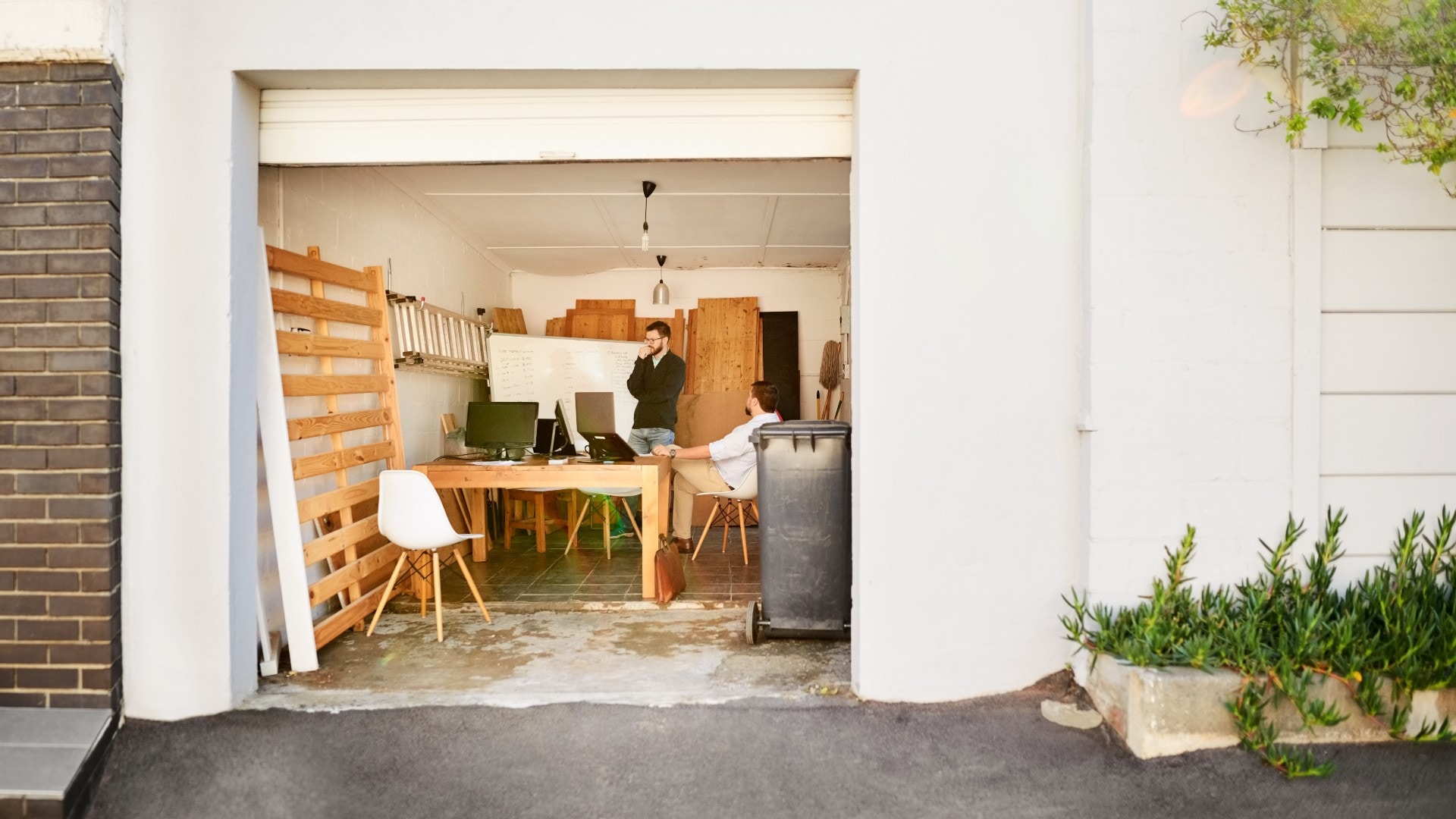
Credit: www.americanexpress.com