
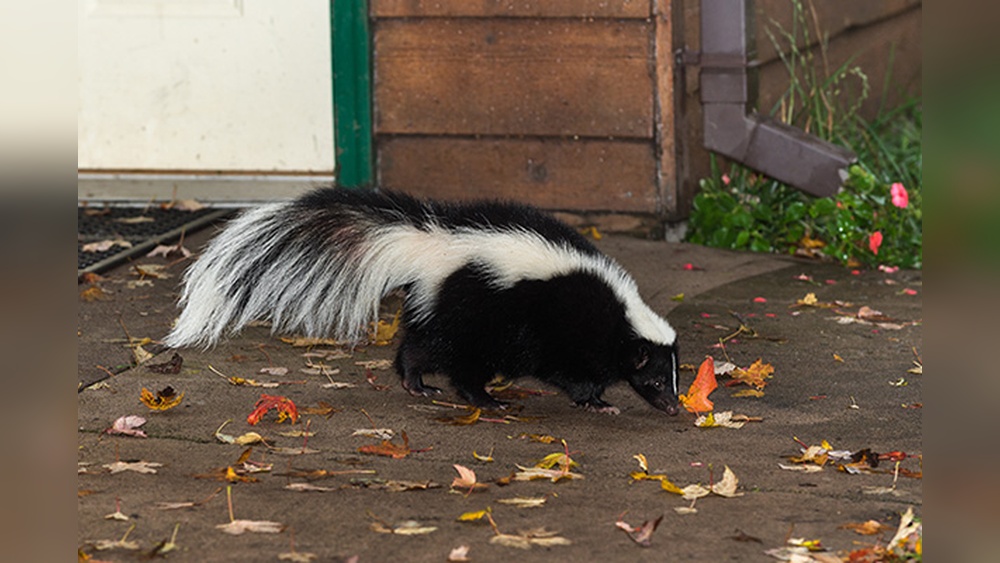
A skunk in your garage can be a big surprise. The smell, the mess, and the worry about getting sprayed can make anyone feel stressed. But with the right steps, you can get a skunk out of your garage safely and easily.
This guide is for beginners who want a clear, simple plan. You’ll learn how to spot signs of a skunk, why they come into garages, and the safest ways to remove them. With these tips, you can keep your family and pets safe and make your garage skunk-free.
Why Skunks Enter Garages
Skunks look for food, shelter, and a safe place to rest. Your garage might offer all three without you knowing.
Main reasons skunks come inside:
- Food sources: Pet food, trash bins, bird seed, or stored grains.
- Shelter: Garages are warm, dry, and quiet—perfect for hiding.
- Entry points: Small openings under doors, broken vents, or gaps around pipes.
Example: A half-open garage door overnight can invite a curious skunk inside, especially if there’s dog food left out.
Interesting insight: Skunks can fit through holes as small as 4 inches wide. Even a cracked door or damaged screen is enough for entry.
Signs You Have A Skunk In Your Garage
Not sure if there’s a skunk? Look for these clear signs:
- Strong, musky odor: Skunk spray is easy to recognize and hard to ignore.
- Tracks and droppings: Skunk footprints look like small handprints. Droppings are small, dark, and often contain insect parts.
- Scratching noises: Listen for slow, shuffling sounds at night.
- Disturbed items: Knocked-over bins, scattered food, or dug-up corners.
Data point: In a recent survey, over 60% of homeowners noticed a strong smell before seeing the skunk itself.
Non-obvious tip: Skunks often leave oily marks where their bodies rub against surfaces.

Credit: www.wikihow.com
Safety Precautions Before You Start
Skunks spray when frightened. Their spray can cause eye irritation and a strong smell that’s hard to remove. Safety comes first.
What to do:
- Keep pets and children away from the garage until the skunk is gone.
- Wear gloves and long sleeves to protect your skin.
- Move slowly and quietly to avoid scaring the skunk.
Important: Never try to grab or corner a skunk. This almost always causes it to spray.
Beginner mistake: Opening the garage door quickly or shining bright lights can make a skunk panic.
How To Get A Skunk Out Of Your Garage
There are several ways to remove a skunk. The right method depends on your comfort level and the skunk’s behavior.
1. Give The Skunk An Escape Route
The simplest way is to let the skunk leave on its own.
- Open one garage door a few inches at dusk or early evening.
- Turn off all lights and keep noise low.
- Remove food or trash that might tempt the skunk to stay.
- Wait quietly from a safe distance.
Why this works: Skunks are nocturnal—they prefer to leave when it’s dark and quiet.
Example: Many people find the skunk is gone by morning if they follow this step.
2. Use Gentle Deterrents
If the skunk doesn’t leave, gentle deterrents can help.
- Place a bright light or a loud radio near the skunk’s hiding spot.
- Sprinkle citrus peels, ammonia-soaked rags, or commercial skunk repellents in the area.
How it helps: Skunks dislike loud noises and strong smells.
Common mistake: Do not use mothballs or harsh chemicals—these are unsafe for pets and people.
3. Block Off All Other Exits
You want the skunk to leave through just one opening.
- Close all doors and windows except the main exit.
- Seal cracks, vents, and gaps with boards or heavy cloth for now.
Pro tip: Skunks may hide if they sense too many escape routes. Limiting options makes them more likely to leave.
4. Try A One-way Door
A one-way door lets the skunk exit but not come back.
- Buy a commercial one-way wildlife door.
- Place it over the main exit.
- Leave it in place for 2-3 nights.
Data: Humane societies report over 80% success using this method for small mammals.
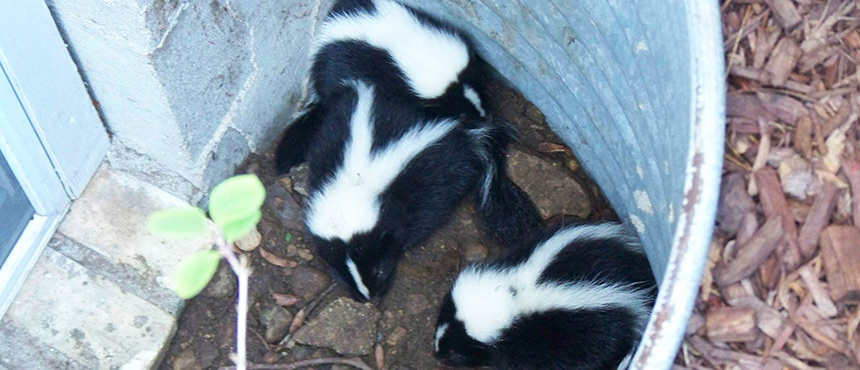
Non-obvious insight: Check for baby skunks before sealing any exits. If babies are trapped inside, the mother may damage your garage trying to get back in.
5. Contact Wildlife Professionals
If you feel unsure or the skunk won’t leave, call a local wildlife removal expert.
Why it’s smart:
- They know how to handle skunks without getting sprayed.
- They can check for nests or babies.
- They follow local wildlife laws.
Cost: Professional removal usually costs $100–$300 in the US, depending on your location.
Beginner tip: Never try to handle a skunk yourself if it seems sick or aggressive. Some skunks carry rabies.
Credit: www.aaanimalcontrol.com
Preventing Skunks From Returning
After the skunk is gone, it’s important to make sure it doesn’t come back.
Seal Entry Points
Check your garage carefully for openings.
- Fix broken doors, windows, and vents.
- Seal gaps around pipes and wires.
- Use metal mesh to cover any small holes.
Data table: Common Entry Points and Solutions
| Entry Point | How to Seal |
|---|---|
| Under garage door | Install a door sweep |
| Broken vent | Replace or cover with wire mesh |
| Wall gaps | Use caulk or expanding foam |
| Open windows | Close or add screens |
Remove Food And Shelter
Don’t give skunks a reason to return.
- Store pet food indoors.
- Clean up spilled bird seed or grains.
- Keep trash cans sealed.
- Remove old boxes, clothes, or anything that could be a nest.
Pro tip: Skunks remember places with easy food for months.
Use Ongoing Deterrents
Some smells keep skunks away.
- Place citrus peels or vinegar-soaked rags near garage entrances.
- Motion-activated lights or sprinklers can scare skunks at night.
Non-obvious insight: Skunks dislike the smell of peppermint oil, but reapply it every few days for best results.
What To Do If You Get Sprayed
Even with care, accidents happen. Here’s how to handle skunk spray:
Immediate steps:
- Change clothes and shower with baking soda and dish soap.
- Wash your eyes with water if they are irritated.
For pets: Use a mix of 1 quart hydrogen peroxide, 1/4 cup baking soda, and 1 teaspoon dish soap. Rub onto fur, wait 5 minutes, then rinse.
Data table: Skunk Spray Removal Methods
| Method | Effectiveness | Safe for |
|---|---|---|
| Baking soda & peroxide mix | Very high | Pets and humans |
| Tomato juice bath | Low to medium | Pets and humans |
| Vinegar rinse | Medium | Pets and humans |
| Commercial cleaners | High | Pets and humans (check label) |
Interesting data: Over 70% of pet owners say the baking soda and peroxide method works best for removing skunk odor.
Beginner tip: Do not store the baking soda and peroxide mix—it can explode if kept in a closed container.
When To Call For Help
Sometimes, a skunk problem is too much to handle alone.
Contact a professional if:
- The skunk seems sick, injured, or aggressive.
- You find a nest with babies.
- The skunk has been trapped for more than 24 hours.
- You have repeated skunk visits.
Pro insight: Professionals use humane traps and know local laws about relocating wildlife.
External resource: For more on safe wildlife removal, see Humane Society.
Common Mistakes And How To Avoid Them
Many beginners make simple errors that can lead to more trouble.
- Blocking all exits at once: This can trap the skunk, making it spray or cause damage.
- Using poisons or harsh chemicals: These are unsafe and may be illegal.
- Ignoring signs of babies: Removing a mother leaves babies to die, creating worse smells and problems.
- Handling skunks without training: Risks disease and injury.
Non-obvious insight: Skunks can carry ticks, fleas, and parasites—another reason to avoid direct contact.
Credit: www.reddit.com
Frequently Asked Questions
What Is The Fastest Way To Get A Skunk Out Of My Garage?
The fastest method is to open a single garage door at dusk and turn off all lights. The skunk will usually leave on its own if it feels safe. Avoid loud noises or bright lights, which can scare the skunk.
Are Skunks Dangerous To Humans Or Pets?
Skunks are rarely aggressive, but their spray can cause eye irritation and smell for days. They may carry diseases like rabies, so never try to touch a skunk. Keep pets away until the skunk is gone.
How Do I Keep Skunks From Coming Back?
Seal all entry points, remove food sources, and use deterrents like citrus peels or motion lights. Regularly check your garage for new gaps or signs of digging.
What If The Skunk Has Babies In My Garage?
If you see baby skunks or hear high-pitched noises, do not block exits. Call a wildlife professional for humane removal. Removing the mother will leave the babies trapped and can cause more problems.
Can I Trap And Relocate A Skunk Myself?
In many states, it’s illegal to relocate wildlife without a permit. Trapping skunks is risky—they may spray or bite. It’s best to call a professional who knows the laws and has the right tools.
Getting a skunk out of your garage doesn’t have to be scary or risky. By following these steps, you can solve the problem safely, protect your family, and prevent future visits. Stay calm, be patient, and take action as soon as you notice the signs.
If you ever feel unsure, professional help is always available to make sure the job is done right.