
Opening A Garage Door Manually From Outside: Step-by-step Guide
When your garage door opener stops working or a power outage occurs, you might find yourself locked out. Many homeowners face this problem at least once. Learning how to open a garage door manually from outside is a valuable skill. With the right steps and a little patience, you can get inside your garage even when the automatic opener fails.
This article explains the process with simple language and practical tips. Whether you lost your remote, have a dead battery, or the power is out, you’ll find clear guidance here. By the end, you’ll know how to handle emergencies without damaging your door or risking your safety.
Understanding Garage Door Manual Release
Most modern garage doors have a manual release mechanism. This system lets you open the door by hand if the motor won’t work. Usually, you’ll see a red cord hanging from the opener rail inside the garage. But what if you’re locked outside and can’t reach it?
In these situations, garage door makers include a special emergency release lock on the door’s exterior. This lock gives you access to the manual release from outside. If you know how to use it, you can quickly get into your garage without tools or force.
Common Reasons For Manual Operation
- Power outage: Automatic openers need electricity.
- Lost or broken remote: You can’t trigger the opener.
- Opener malfunction: The motor or circuit board fails.
- Dead backup battery: Some openers have a battery, but it can run out.
- Mechanical jam: Sometimes, the trolley or track can get stuck.
Knowing how to manually open your garage door prepares you for these situations. It also helps prevent expensive service calls.
Tools And Safety Precautions
Before you start, gather a few basic items:
- Garage door key: For the exterior emergency release lock (if installed).
- Work gloves: Protect your hands from sharp edges.
- Flashlight: Useful at night or in low light.
- Small step stool: If your door is tall.
Safety tips:
- Never force the door if it feels jammed.
- Stand clear of the door path as you lift.
- Do not let children attempt this process.
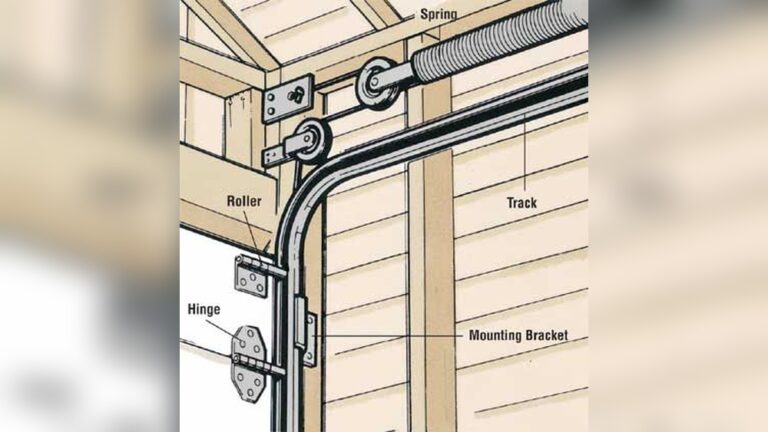
- If you notice a broken spring or cable, call a professional.

Credit: www.mesagaragedoors.com
Identifying Your Garage Door Type
Not all garage doors open the same way. The process depends on the type of system you have.
| Garage Door Type | Manual Release Location | Emergency Lock Present? |
|---|---|---|
| Sectional (Roll-Up) | Center rail (inside) | Usually Yes |
| One-Piece (Tilt-Up) | Bottom edge or side | Sometimes |
| Side-Hinged | Door handle | No |
Most homes in the US use sectional roll-up doors. These usually have an exterior emergency release.
Pro tip: Check your garage door for a small lock in the center, just above the handle. This is the emergency release lock you’ll use.
Steps To Open A Garage Door Manually From Outside
Follow these simple steps to open your door safely:
1. Locate The Emergency Release Lock
Look for a small circular lock at the center of your garage door, just above or below the main handle. This lock usually has a keyhole and a small metal cylinder.
2. Unlock And Remove The Emergency Release
- Insert the garage door key into the emergency lock.
- Turn the key to unlock it.
- Pull out the lock cylinder. You’ll see a red cord or cable attached.
This cord connects to the opener’s release mechanism inside the garage.
3. Pull The Release Cord
- Firmly grasp the cord.
- Pull it straight out and down.
- You should hear a “click” as the opener trolley disengages from the door.
This action unlocks the door from the opener rail, allowing manual movement.
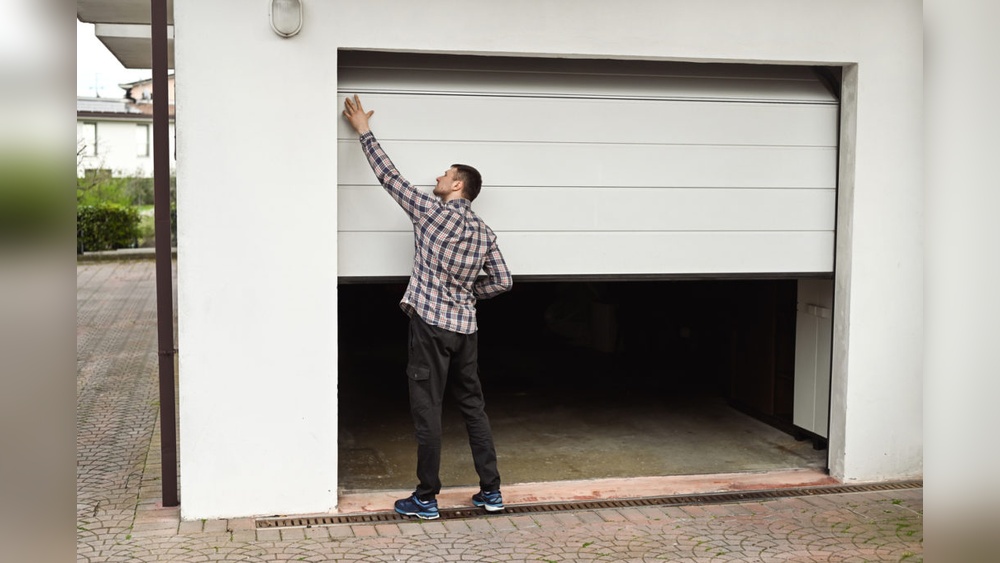
4. Lift The Garage Door
- Grip the bottom handle or edge of the door.
- Lift the door slowly and steadily.
- The door should move up with moderate effort. If it’s very heavy, stop and check for jams.
If the door is too hard to lift, the spring system might be broken. Do not force it, as this can be dangerous.
5. Secure The Door In The Open Position
If you need to keep the door open, place a sturdy object like a block or ladder under the door. This prevents it from falling, especially if the springs are weak.
6. Re-engage The Opener When Done
After you’re inside, don’t forget to reconnect the opener.
- Pull the release cord towards the door (or follow your opener’s instructions) until you hear it click back.
- Test the opener with your remote or wall button to make sure it works.

Credit: www.youtube.com
What If Your Garage Door Has No Emergency Release?
Some older or basic models lack an exterior emergency lock. In this case, options are limited:
- Try another entry: Check if a side door or another entrance is unlocked.
- Contact a locksmith: Professionals can open the lock without damage.
- Call your installer: Some companies keep master keys or codes.
- Avoid breaking windows: This often causes more expensive repairs.
Important: For security, never leave your emergency release unlocked or the key in an obvious place.
Security Risks And How To Prevent Break-ins
While the emergency release system is practical, it can also be a weak point for thieves. Criminals sometimes use tools to reach inside and pull the release cord.
How to protect your garage:
- Add a garage shield: This metal plate covers the release cord, blocking outside access.
- Use a zip tie: Tie the cord to the rail to prevent easy pulling (remember to cut it if you need manual access).
- Install a security camera: Place it above the garage door for evidence and deterrence.
- Upgrade your lock: Use a high-quality, pick-resistant emergency release lock.
Pro insight: In a 2022 survey, over 9% of US homeowners reported a garage break-in attempt, often using the emergency release. Taking simple steps can make your home safer.
Real-world Example
Imagine a storm knocks out power in your neighborhood. Your car is parked outside, and your garage is locked. You need to get inside to grab an emergency kit.
- You find the emergency release lock, use your key, and pull the cord.
- The door opens smoothly by hand.
- You secure the door open, collect what you need, and later reconnect the opener.
This process takes less than five minutes and avoids unnecessary stress.
Common Mistakes To Avoid
Many beginners make simple errors that can cause damage or waste time. Avoid these mistakes:
- Forgetting the key: Always keep the emergency lock key in a safe but accessible place.
- Forcing a stuck door: If the door doesn’t move, check for broken springs or obstructions.
- Not securing the door: An open garage door can fall suddenly, causing injury.
- Leaving the release engaged: If the opener is not reconnected, the door stays vulnerable to break-ins.
- Ignoring maintenance: Lubricate the door tracks and test the release cord twice a year.
How To Add An Emergency Release Lock
If your garage door doesn’t have an exterior release, consider installing one. Most hardware stores sell kits for under $30.
Steps:
- Buy an emergency release kit suited for your door model.
- Drill a small hole in the center of the door (above the handle).
- Install the lock cylinder following the kit’s instructions.
- Attach the cable to the opener trolley inside.
- Test the lock and release function before relying on it.
Tip: If you’re unsure, ask a garage door technician for help.
Cost Comparison: Professional Vs Diy
Is it better to call a professional or do it yourself? Here’s a quick comparison:
| Method | Average Cost | Time Required | Skill Level |
|---|---|---|---|
| DIY Emergency Release Kit | $20 – $40 | 30 – 60 minutes | Basic |
| Professional Installation | $100 – $200 | 1 – 2 hours | None (Expert does the work) |
| Locksmith Opening | $75 – $150 (one-time) | 15 – 30 minutes | None |
Most homeowners can handle the DIY option with basic tools and patience.
Maintenance Tips For Reliable Emergency Access
Prevent problems before they happen by following these maintenance steps:
- Test the emergency release every 6 months.
- Lubricate door tracks and hinges with garage door spray.
- Check the key: Make sure you can find it quickly.
- Inspect cables and springs: Look for signs of wear. Replace parts if needed.
- Practice opening the door: Do a dry run to ensure you understand the steps.
When To Call A Professional
Some situations are best left to experts:
- Broken spring or cable: Can be very dangerous to fix yourself.
- Damaged door panels: May require special tools.
- No emergency release installed: Professionals can add one safely.
- Repeated opener failure: Could be a sign of electrical issues.
Don’t risk injury or more expensive damage. Professionals have the right tools and experience.
Quick Reference: Manual Opening Steps
Here’s a summary for fast recall:
- Find the emergency release lock.
- Unlock and pull out the cylinder.
- Pull the release cord to disengage the opener.
- Lift the door by hand.
- Secure the door open if needed.
- Re-engage the opener afterward.
Keep these steps in mind for emergencies.
Frequently Asked Questions
What If I Lost My Emergency Lock Key?
If you lose your key, contact the garage door manufacturer or a locksmith. They can make a replacement or open the lock for you. Always keep a spare key in a safe place away from the garage.
Can I Install An Emergency Release Lock Myself?
Yes, most people can install a release lock with basic tools. Kits come with instructions. If you’re not comfortable drilling into your door, call a professional for help.
Is It Possible To Open A Garage Door From Outside Without A Lock?
Without an emergency release lock, opening the door from outside is very difficult and not recommended. Forcing the door may cause damage or injury. It’s best to install a lock or call a professional.
How Do I Stop Burglars From Using The Emergency Release?
Add a garage shield or use a zip tie to block easy access to the release cord. Install a security camera for extra protection. Always reconnect the opener after manual use.
Will Using The Manual Release Void My Warranty?
No, using the manual release as intended will not void your warranty. It’s a built-in safety feature. Always follow the manufacturer’s instructions and keep your system well maintained.
Opening a garage door manually from outside can save time and stress during emergencies. With a little preparation and knowledge, you’ll handle any situation confidently. Regular checks, proper installation, and good security habits keep your garage accessible and safe. For more details on garage door safety features, visit the Wikipedia page on garage door openers.

Credit: www.wikihow.com