
Paint Garage: A Beginner’s Guide To Transforming Your Garage Space
Many homeowners see the garage as a simple storage area for cars and old boxes. But a paint garage project can completely change how you use and feel about this space. Giving your garage a fresh coat of paint is not just about looks. It also protects the surfaces and adds value to your home. For beginners, painting a garage may sound difficult, but with the right plan, it’s a rewarding DIY project.
This guide will walk you through every important step, from choosing paints to finishing touches. You’ll also learn how to avoid common mistakes and understand what really matters for a lasting result.
Why Paint Your Garage?
Painting your garage is more than just a style update. Here’s why it’s worth your effort:
- Protection: Paint acts as a shield against moisture, dust, and oil stains.
- Easy Cleaning: Painted surfaces are easier to wipe down and keep clean.
- Increased Value: A tidy, well-painted garage can boost your home’s resale price.
- Better Lighting: Lighter colors reflect more light, making the space feel brighter and safer.
- Mood Boost: A fresh look can motivate you to keep your garage organized.
Many beginners overlook how paint can prevent long-term damage, especially from road salt or chemicals. Even the best-built garages need this extra layer of defense.
Choosing The Right Paint For Your Garage
Not all paints are equal when it comes to garages. The surfaces here face special challenges like vehicle traffic, temperature changes, and heavy use. Let’s break down your options.
Types Of Paint For Garage Walls
You’ll find three main types:
- Latex Paint (Water-based)
- Pros: Dries fast, low odor, easy to clean up.
- Best for: Interior garage walls.
- Acrylic Paint
- Pros: Good coverage, resists fading.
- Best for: Both walls and ceilings.
- Epoxy Paint
- Pros: Very durable, resists chemicals and stains.
- Best for: Garage floors, high-traffic areas.
Finish Options
- Matte/Flat: Hides flaws, but harder to clean.
- Eggshell/Satin: Offers some shine, easy to clean.
- Semi-gloss/Gloss: Very smooth, resists moisture and stains.
For garages, satin or semi-gloss is a smart choice. It balances durability and easy cleaning.
Paint For Garage Floors
Garage floors take a lot of punishment. Here are your main options:
- Epoxy Coating: Super tough, lasts for years.
- Concrete Stain: Adds color but keeps a natural look.
- Concrete Sealer: Protects against oil and water but doesn’t change color.
Many beginners think regular wall paint will work on floors, but it won’t last. Epoxy or dedicated floor paint is a must.
Color Choices
- Light gray, beige, or white make the garage feel bigger and brighter.
- Bold colors like blue or red can add personality but may show dirt more easily.
Always check if your paint is labeled as “garage” or “concrete” safe.
Preparing Your Garage For Painting
Preparation is the key to a great finish. Skipping these steps is the most common mistake.
Clear The Area
- Remove cars, bikes, tools, and storage bins.
- Take down shelves and hooks if possible.
Clean All Surfaces
- Sweep or vacuum dust and dirt.
- Scrub stains with soap and water. For tough stains, use a degreaser.
- Let everything dry completely.
Repair Damage
- Fill any cracks or holes with spackle or concrete filler.
- Sand rough patches until smooth.
Tape And Cover
- Use painter’s tape on trim, outlets, and windows.
- Cover floors and storage with plastic sheets.
Skipping cleaning or repairs can lead to peeling paint and wasted effort. Patience here pays off.
Step-by-step Painting Process
Now you’re ready to start painting your garage. Here’s a simple process to follow:
- Prime the Surfaces
- Use a primer, especially on bare concrete or stained walls.
- Priming improves paint adhesion and coverage.
- Cut In Edges
- Paint corners and edges first with a brush.
- Roll Large Areas
- Use a roller for bigger wall sections and ceilings.
- Apply paint in “W” or “M” shapes for even coverage.
- Let It Dry
- Wait for the first coat to dry fully (follow paint can instructions).
- Apply a Second Coat
- Most garages need two coats for solid color and protection.
- Remove Tape and Clean Up
- Take off tape before paint dries completely.
- Clean brushes and rollers right away.
Painting The Garage Floor
- Only use paint or epoxy made for concrete.
- Apply with a roller starting from the farthest corner.
- Let it dry at least 24 hours before walking on it; 3–7 days before parking a car.
Many beginners miss the importance of proper drying time—cutting corners can ruin the finish.
Tools And Materials Checklist
Having the right tools makes the job easier and gives better results.
- Paint (enough for two coats)
- Primer (if needed)
- Paint rollers and tray
- Angled brushes
- Painter’s tape
- Drop cloths or plastic sheets
- Sandpaper or sanding block
- Cleaning supplies (bucket, soap, degreaser)
- Ladder (for ceilings)
- Spackle or concrete patch
Investing in quality brushes and rollers is worth it—cheap tools can leave streaks and shed bristles.
How Long Does It Take To Paint A Garage?
The time depends on size and preparation needs. Here’s a quick overview:
| Garage Size | Prep Time | Painting Time | Total Time |
|---|---|---|---|
| 1-Car | 3–4 hrs | 2–3 hrs | 5–7 hrs |
| 2-Car | 4–6 hrs | 3–5 hrs | 7–11 hrs |
| 3-Car | 6–8 hrs | 5–7 hrs | 11–15 hrs |
Drying time is extra—always check the paint can for specific times.
Cost Breakdown: Diy Vs Hiring A Pro
Painting your garage can be budget-friendly, but costs can vary. Here’s a comparison:
| Option | Cost Range | What’s Included |
|---|---|---|
| DIY | $100–$400 | Paint, tools, supplies |
| Professional | $500–$2,000 | Labor, materials, warranty |
DIY saves money, but hiring a pro saves time and ensures a flawless finish. For beginners, small mistakes are common—but they can usually be fixed.
Common Mistakes To Avoid
Even simple errors can lead to disappointing results. Watch out for these:
- Skipping primer: Causes poor adhesion and peeling.
- Painting dirty surfaces: Traps dust and grease under the paint.
- Not repairing cracks: Paint won’t hide damage.
- Using the wrong paint: Wall paint on floors will wear off quickly.
- Rushing drying time: Leads to smudges and marks.
- Ignoring ventilation: Fumes can be harmful—open windows and use fans.
A less obvious mistake is forgetting to check the weather—extreme cold or humidity can affect how paint dries in garages.
Credit: arizonapaintingcompany.com
Maintenance Tips For A Painted Garage
Keeping your garage looking fresh is simple with regular care.
- Sweep or vacuum dust and dirt weekly.
- Wipe spills right away, especially oil or chemicals.
- Touch up chips and scratches as soon as you see them.
- Inspect for peeling or bubbling paint every few months.
- Repaint every 3–5 years for high-traffic areas or when color fades.
Using a gentle cleaner helps prevent dulling the finish. Avoid harsh chemicals—they can damage the paint.
Real-life Example: Painted Garage Transformation
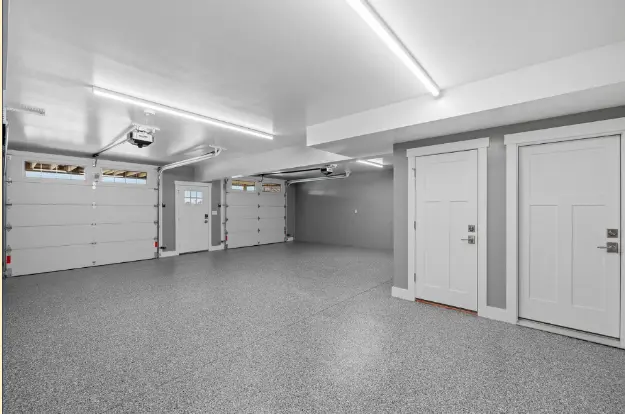
Consider a homeowner with a 2-car garage, dull gray walls, and an oil-stained floor. After cleaning and repairs, they:
- Chose a light gray satin paint for walls.
- Picked a two-part epoxy for the floor.
- Used painter’s tape for sharp edges.
- Added a second coat for extra protection.
The result was a brighter, cleaner space that felt bigger and more welcoming. The family used it for hobbies and storage, and the home’s value increased by about 2%.
Credit: www.fivestarpainting.com
Is Painting A Garage Worth It?
Yes—painting your garage is a smart investment for most homeowners. It’s a weekend project that delivers years of benefits:
- Better looks
- Easier cleaning
- Increased home value
- Protection from stains and damage
For beginners, it’s one of the most satisfying and affordable ways to improve your home.
Frequently Asked Questions
What Type Of Paint Is Best For Garage Walls And Ceilings?
Latex or acrylic paint works well for garage walls and ceilings. Choose a satin or semi-gloss finish for easy cleaning and moisture resistance. Always use primer on new or stained surfaces.
Can I Use Regular Wall Paint On My Garage Floor?
No. Garage floors need epoxy paint or special concrete paint. Regular wall paint will peel and wear away quickly. Epoxy provides durability against cars, tools, and chemicals.
How Do I Remove Oil Stains Before Painting?
Use a degreaser or a mix of baking soda and water. Scrub the area with a stiff brush. Rinse well and let it dry completely before painting. Oil stains left behind can cause paint to peel.
How Long Should I Wait Before Using My Garage After Painting?
You can walk on walls and ceilings after a few hours. For floors, wait at least 24 hours before walking and 3–7 days before parking a car. Always check the paint can for exact drying times.
Is Painting A Garage A Good Diy Project For Beginners?
Yes. With simple tools and careful prep, most beginners can get great results. Start with the walls before trying the floor. Don’t skip cleaning or drying steps.
If you want more detailed advice or product reviews, the Family Handyman guide offers further step-by-step help.
A painted garage is more than just a nice look—it’s a practical upgrade that lasts. With the right paint, tools, and patience, you can transform your garage in just a few days.
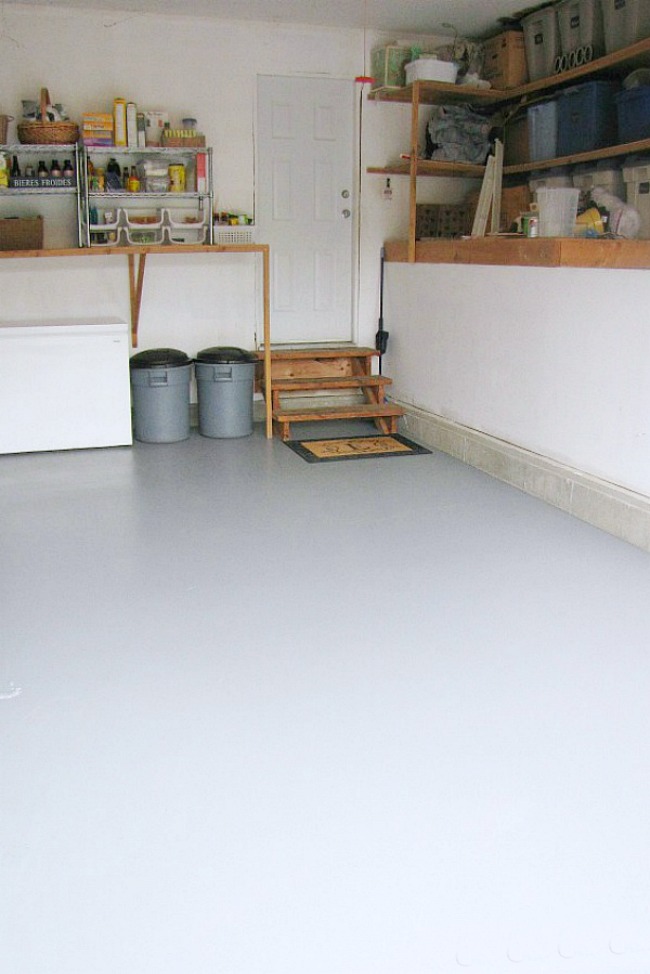
Credit: www.cleanandscentsible.com