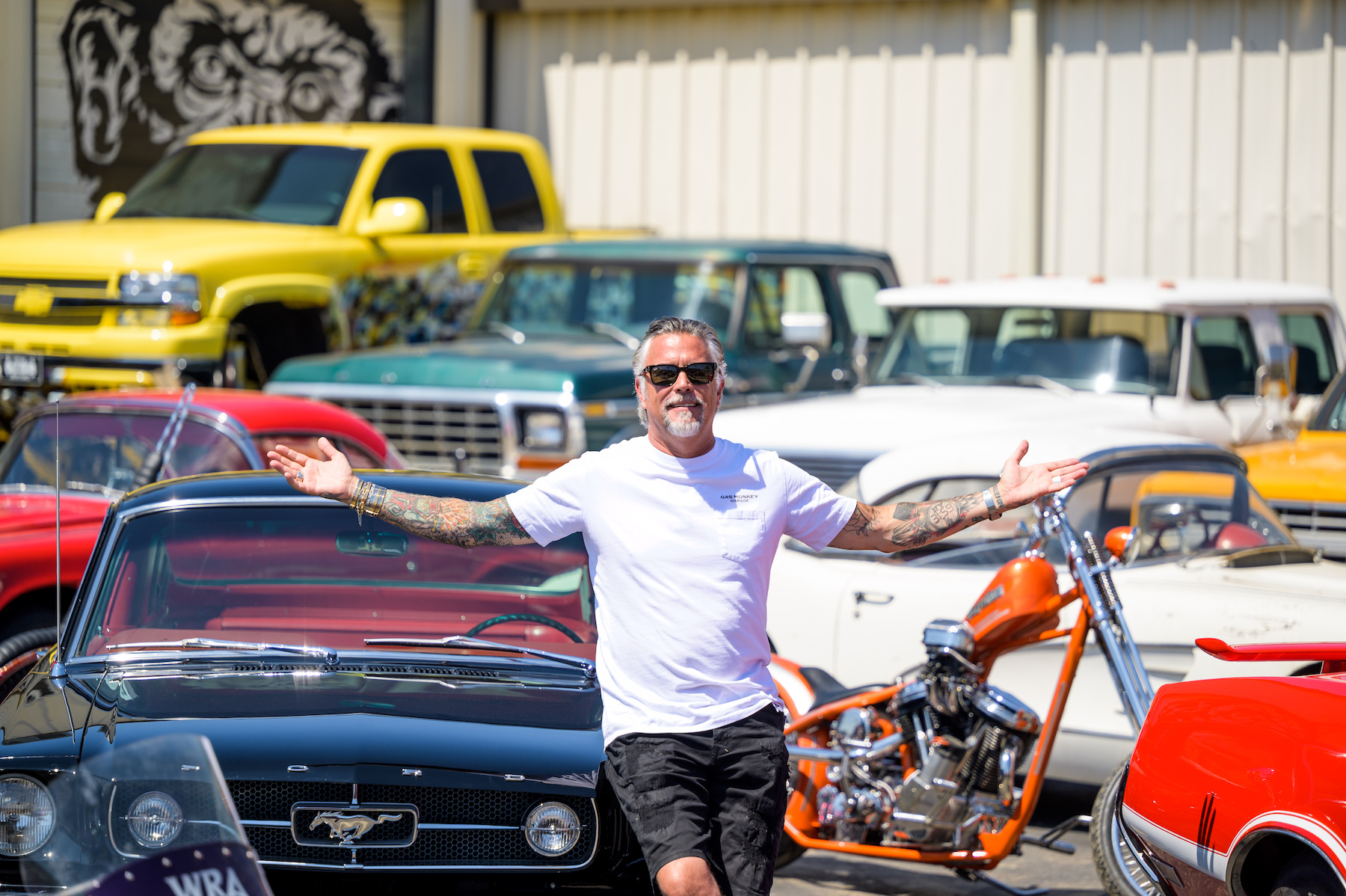


In the USA, Richard Rawlings became the face of a new kind of car culture. He took a small garage in Dallas, Texas and turned it into a brand that sells cars, beer, restaurants, and TV shows. For many American viewers, he made car restoration feel less like a hobby and more like a business you could actually build.
This guide breaks down who Richard Rawlings is, how his work started, what Gas Monkey Garage actually does, and why his approach matters to anyone interested in cars, entrepreneurship, or building a brand in the United States. We will look at the facts, the businesses, and the practical lessons you can take from his path without hype.

Who Is Richard Rawlings
Richard Rawlings was born on December 30 1969 in Fort Worth, Texas. He grew up around cars and small businesses. Before television, he worked in advertising, publishing, and sales. That background matters because it explains why he thinks about cars as products and stories, not just machines.
In 2002 he opened Gas Monkey Garage in Dallas. The original idea was simple. Buy old cars, fix them fast, and sell them for a profit. In the early years the shop was small. The team worked long hours and took risks on cars other people ignored. The name Gas Monkey came from the idea of being a little wild and a little reckless, which fit the Texas car scene at the time.
Rawlings did not become famous just for turning wrenches. He became famous for telling the story on camera. When Discovery Channel launched Fast N Loud in 2012, viewers across the USA saw the pressure, the deadlines, and the personality behind the builds. That mix of cars and character is what separated him from other shops.

Gas Monkey Garage And How The Business Works
Gas Monkey Garage is not just one thing. In the USA, people know it from TV, but the business has several parts. The core is still buying, building, and selling classic and custom cars. A build might start with a 1960s muscle car found in a barn. The team strips it, upgrades the engine, updates brakes and suspension, and paints it. The goal is to finish quickly and sell at auction or to a private buyer.
The second part is brand licensing. Gas Monkey puts its name on products. That includes apparel, tools, and Garage Beer, a light beer launched with a brewing partner. The beer was distributed in many US states and sold in bars and stores. This matters because it shows how a garage can make money without touching a car.
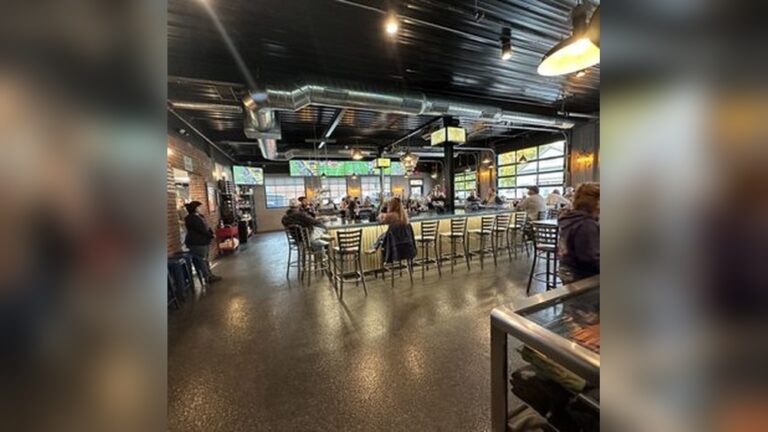
The third part is hospitality. Gas Monkey Bar N Grill opened in Dallas and later in other locations. The idea was to bring the garage vibe to restaurants with cars on display, loud music, and a casual menu. Restaurants are hard businesses, and some locations closed over time. That is normal in food service, and it is part of the real story.

Fast N Loud And American TV Impact
Fast N Loud ran for many seasons on Discovery Channel and became one of the network’s signature automotive shows. It aired in the USA and in syndication around the world. The format was straightforward. Find a car, argue about the build, hit a deadline, and sell it. What made it different was personality. Richard Rawlings acted as the buyer and front man. Aaron Kaufman, and later other builders, handled the mechanical work.
For American audiences, the show did two things. First, it made car restoration mainstream. People who never went to a car show started watching. Second, it showed the business side. Viewers saw budgets, client pressure, and the risk of losing money on a build. That honesty, even when edited for TV, helped people understand that this is a business, not just a hobby.
After several years, Rawlings stepped back from the original format and later returned with new versions of the show. TV contracts, network changes, and personal goals all played a role. The key point is that TV gave Gas Monkey a national platform that a local shop could never buy with advertising alone.

Business Lessons From Richard Rawlings
If you strip away the TV, there are practical lessons here for anyone building a business in the USA. Rawlings did not invent car restoration. He packaged it. He understood that people buy stories as much as they buy products. A 1969 Camaro is metal and paint. A Gas Monkey 1969 Camaro is a story with a logo and a TV history. That difference changes the price.
Another lesson is diversification. A garage that only does restorations is vulnerable. If parts prices go up or customers slow down, revenue drops. By adding beer, shirts, events, and media, Gas Monkey created multiple income streams. Not all of them worked perfectly, but the idea reduced risk.
A third lesson is operations. Fast builds require systems. You need parts suppliers, paint booths, and a team that can work under pressure. In interviews, Rawlings has talked about hiring people who can make decisions without him. That is how you scale beyond one shop.

Other Ventures And Public Projects
Beyond the garage, Rawlings has tried several projects. Garage Beer was a big push into consumer packaged goods. The goal was to put a Texas brand in stores across the country. Distribution in the USA beer market is complex, so partnerships were needed. The brand got attention because of the Gas Monkey name.
He also hosted other TV specials and events, including car auctions and charity drives. In Dallas, Gas Monkey Garage has participated in local fundraisers and car shows. These events connect the brand to the community, which is important for long term loyalty.
Like any entrepreneur, he has had setbacks. Some restaurant locations closed. Some business partners changed. That is part of building in public. The difference is that because he was on TV, those setbacks were discussed publicly. That transparency, for better or worse, became part of the brand.