
Storing cleaning supplies in the garage is common for many families. The garage offers extra space and keeps chemicals away from living areas. However, it’s not as simple as stacking bottles on a shelf. Cleaning products can be dangerous if stored the wrong way.
Things like bleach, detergents, and sprays contain strong chemicals. If these leak, spill, or mix, they could cause harm to people, pets, or even your car. This guide will help you organize, store, and protect your cleaning supplies in the garage—safely and smartly.
Why Store Cleaning Supplies In The Garage?
Many homes have limited storage inside. The garage often becomes the best place for extra cleaning products. Storing them here keeps fumes out of bedrooms and kitchens. It also protects children and pets from accidental exposure.
Here are some reasons people choose the garage:
- Space-saving: Frees up space in laundry rooms and under sinks.
- Safety: Keeps dangerous chemicals out of living areas.
- Convenience: Easy to grab supplies for outdoor cleaning tasks.
But garages have risks. Temperature changes, humidity, and pests can damage products or make them unsafe. That’s why proper storage is essential.
Types Of Cleaning Supplies Commonly Stored In Garages
You may keep many types of cleaning supplies in your garage. Each type needs different care. Here are some common examples:
- Laundry detergents (liquid, pods, or powder)
- Bleach and disinfectants
- All-purpose cleaners
- Glass and window sprays
- Degreasers and stain removers
- Car cleaning products (wax, polish, tire cleaner)
- Garden and outdoor cleaners
- Floor and carpet cleaners
- Specialty items (mold removers, oven cleaner)
- Tools (brushes, gloves, buckets)
Some products are more dangerous than others. For example, bleach and ammonia should never mix. Read labels before storing anything together.

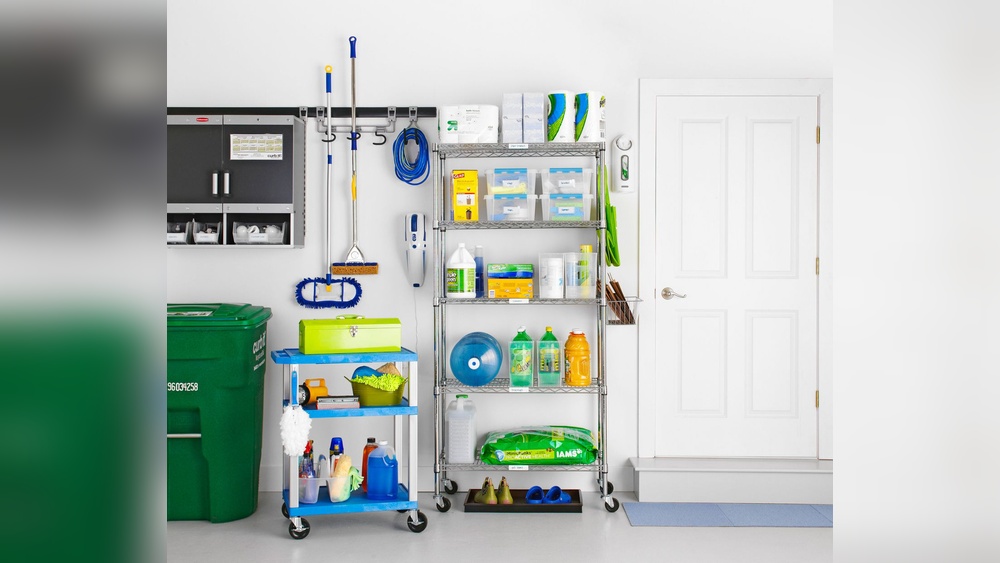
Credit: www.neathousesweethome.com
How To Store Cleaning Supplies Safely
Safe storage is not just about neatness. It prevents accidents and keeps supplies working properly.
Choose The Right Storage Area
- Off the floor: Use shelves or cabinets to avoid spills if bottles leak.
- Away from heat: Keep items away from water heaters, furnaces, or windows with strong sunlight.
- Dry location: Avoid damp corners to prevent rust or damage to containers.
- High and out of reach: If you have children, store chemicals up high or lock them away.
Use Proper Containers
- Original packaging: Keep items in their original bottles with labels.
- Tight lids: Make sure all lids are closed to avoid spills or fumes.
- Secondary containers: If you must transfer liquids, use chemical-safe bottles and label them clearly.
Group Similar Products
Organize cleaning products by type:
- Store car care products together.
- Keep laundry items in one area.
- Put strong chemicals on a separate shelf.
This lowers the risk of mixing chemicals that could react dangerously.
Label Everything
Sometimes labels fade or fall off. Use waterproof markers or label makers for extra clarity.
- Label shelves or bins, not just bottles.
- Write purchase dates to track old products.
Create A Storage Plan
Plan your garage storage like a mini-warehouse. Here’s a simple example:
| Storage Type | Examples | Best Location |
|---|---|---|
| Shelf | Sprays, bottles, wipes | Eye-level, away from heat |
| Locked Cabinet | Bleach, ammonia, acids | High up, secured |
| Plastic Bin | Loose items, gloves, cloths | Lower shelf, labeled |
Risks Of Improper Storage
Storing cleaning supplies the wrong way can cause real problems:
- Fire hazard: Some chemicals are flammable.
- Toxic fumes: Mixing or leaking products can create dangerous gases.
- Poisoning: Easy access for children or pets can lead to accidents.
- Product damage: Heat and humidity can make cleaners less effective.
According to the American Association of Poison Control Centers, cleaning product exposures cause over 100,000 calls each year in the US. Many involve children under age six.
Climate And Garage Conditions
Garages are not climate-controlled. Temperatures can swing from freezing in winter to over 100°F in summer. Humidity can cause labels to peel or metal containers to rust.
How Temperature Affects Cleaning Products
- Extreme heat can break down chemicals, making them less effective or dangerous.
- Freezing can separate ingredients or crack bottles.
Check product labels for recommended storage temperatures. Most say “store between 50°F and 77°F”.
How To Protect Supplies From Climate
- Add insulation or weatherstripping to your garage.
- Use sealed storage bins to block moisture.
- Move temperature-sensitive items indoors during extreme seasons.
Organizing Cleaning Supplies: Step-by-step
A messy garage makes it hard to find what you need. Follow these steps to get organized:
- Empty the area: Take out all cleaning supplies.
- Check expiration dates: Throw away old or damaged products.
- Sort by category: Group similar items together.
- Clean shelves or cabinets: Remove dust and spills.
- Install storage solutions: Use shelving, cabinets, or wall racks.
- Return supplies neatly: Put items back in groups, labels facing out.
- Create a simple inventory: Write down what you have and where it is.
Example Organization Plan
| Category | Container Type | Placement |
|---|---|---|
| Car Care | Plastic Bin | Lower shelf, near garage door |
| Laundry | Shelf | Middle shelf, center of garage |
| Hazardous Chemicals | Locked Cabinet | High shelf, far from entry |
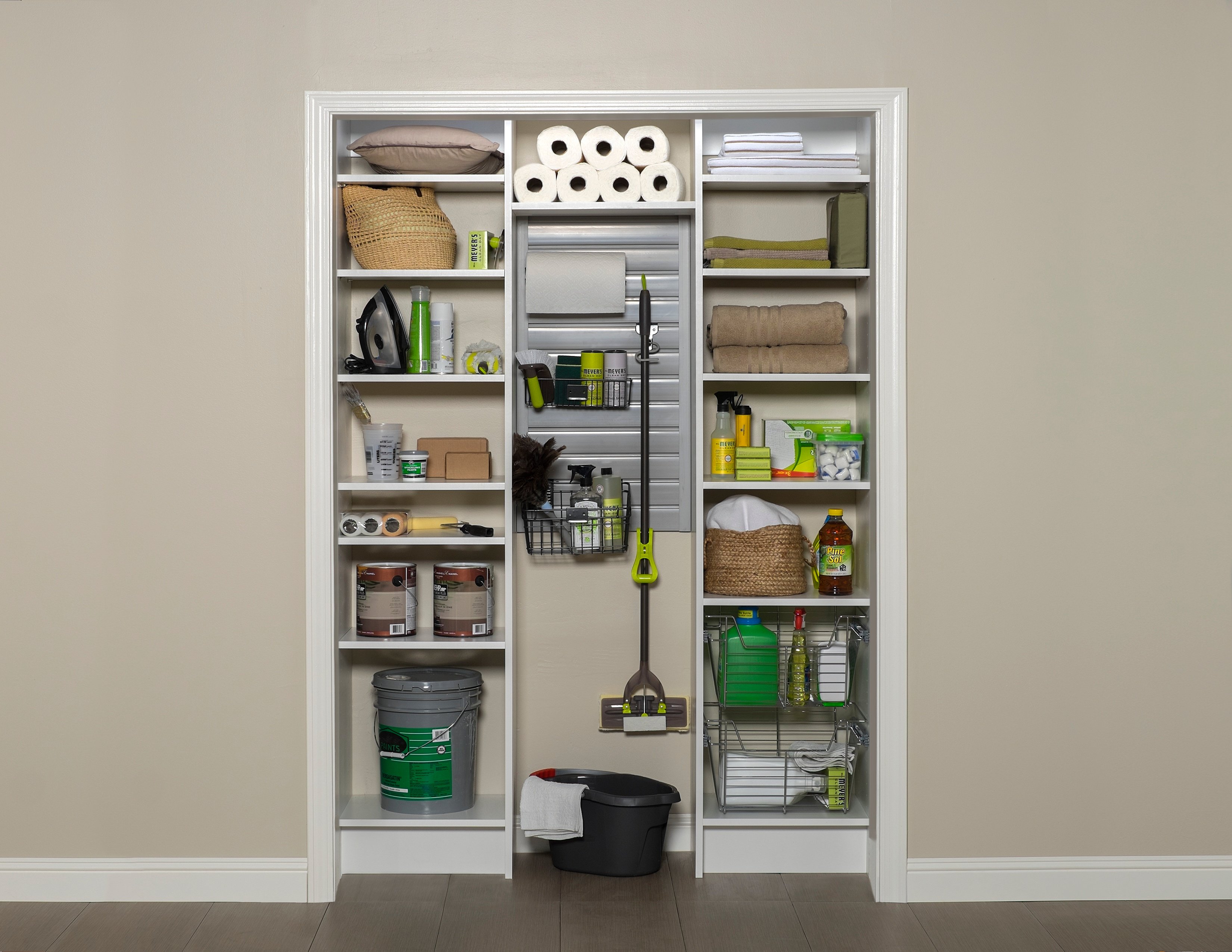
Credit: arizonagaragedesign.com
Common Mistakes And How To Avoid Them
Many homeowners make the same errors when storing cleaning supplies. Avoid these common mistakes:
- Mixing incompatible products: Never store bleach with ammonia. If they leak and mix, they produce toxic gas.
- Using old food containers: Never use old milk jugs or soda bottles for cleaners. They can confuse others and are not safe for chemicals.
- Ignoring leaks: Even small leaks can create big problems. Check bottles often.
- Storing in direct sunlight: Sunlight can break down chemicals or melt containers.
- Not locking cabinets: If children visit your garage, always lock dangerous supplies away.
Best Storage Solutions For Garages
Different garages need different solutions. Here are some ideas for safe, efficient storage:
- Wall-mounted shelves: Great for sprays, wipes, and bottles.
- Lockable metal cabinets: Essential for dangerous chemicals.
- Plastic bins with lids: Protect against moisture and pests.
- Pegboards or hooks: For brushes, gloves, and tools.
- Rolling carts: Useful if you move supplies to different areas.
Popular Garage Storage Brands
Some brands are known for quality garage storage:
- Gladiator
- Husky
- Rubbermaid
- Sterilite
Choose storage that fits your garage size and budget.

Credit: www.amazon.com
Disposal Of Old Or Unused Cleaning Products
Never throw old cleaning supplies in the trash or pour them down the drain. Many products are considered hazardous waste.
- Read labels: Look for disposal instructions.
- Use local drop-off points: Many cities have hazardous waste days.
- Do not mix products: Mixing can cause dangerous reactions.
For more tips on safe disposal, check the EPA’s household hazardous waste guide.
Real-life Example: Organizing A Family Garage
Let’s say the Smith family wants to store all their cleaning products in the garage. They have:
- Four bottles of laundry detergent
- Two gallons of bleach
- Car wash and wax products
- Window spray and rags
They organize their garage by:
- Placing all laundry items on a middle shelf, away from heat and sunlight.
- Locking bleach in a metal cabinet, out of children’s reach.
- Using a plastic bin for car products, labeled and kept on the lowest shelf.
- Hanging rags and brushes on wall hooks.
After organizing, the Smiths find supplies faster and worry less about safety.
Data: Garage Storage And Safety
Recent surveys show:
- Over 60% of US households store cleaning products in their garage.
- 35% do not use locked cabinets for dangerous chemicals.
- 1 in 4 garages has had a spill or leak in the past year.
Proper storage lowers the risk of accidents and keeps products working longer.
Maintenance: Keeping Your System Safe
Organizing once is not enough. Check your garage storage every few months.
- Inspect for leaks, damage, or expired products.
- Clean shelves and bins.
- Update your inventory list.
- Replace damaged containers or labels.
This regular checkup stops small problems from becoming big ones.
Frequently Asked Questions
How Do I Know If A Cleaning Product Is Safe To Store In The Garage?
Check the label for storage instructions. Most products show the safe temperature range and any warnings about heat or freezing. If the label is missing, search the product name online or contact the maker.
What Should I Do If A Cleaning Supply Leaks In The Garage?
Wear gloves and ventilate the area. Use paper towels or absorbent materials to clean up. Put waste in a sealed bag. Wash your hands well. If the product is toxic or strong-smelling, contact local waste services for advice.
Can I Store Cleaning Supplies Next To My Car Or Lawn Equipment?
It’s best to keep chemicals away from heat sources like car engines or lawnmowers. Fumes from gasoline or solvents can react with cleaning products. Keep a few feet of distance if possible.
Are There Cleaning Products I Should Never Put In The Garage?
Yes. Aerosol cans, such as spray paint or oven cleaner, can explode if they get too hot. Some products, like hydrogen peroxide, break down in sunlight or heat. Store these inside your home.
How Often Should I Check My Garage Cleaning Supplies?
Check at least every 3-6 months. Look for leaks, expired products, and damaged containers. Regular checks prevent accidents and keep your system working.
Storing cleaning supplies in the garage is safe if you follow the right steps. Choose smart storage solutions, check products often, and keep dangerous items locked away. With these tips, your garage can be tidy, safe, and ready for any cleaning job.