
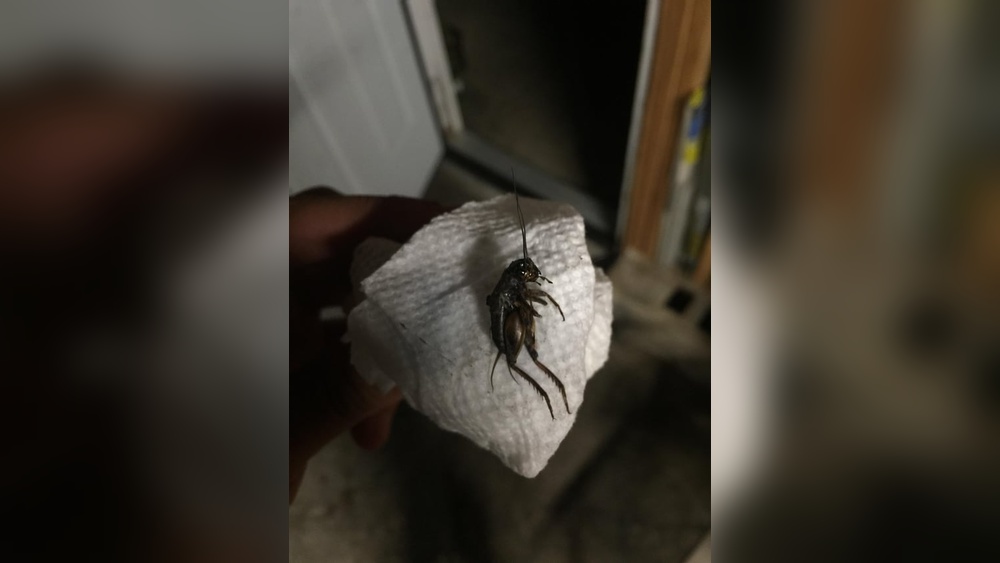
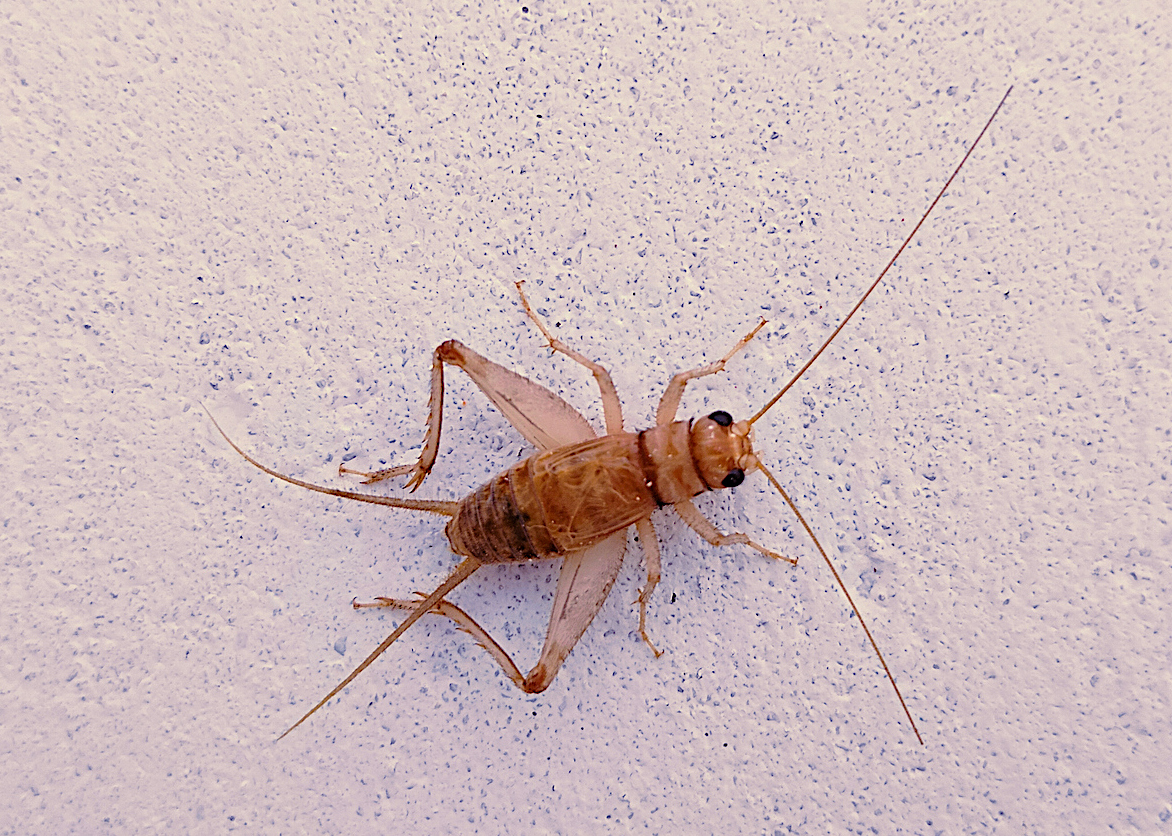
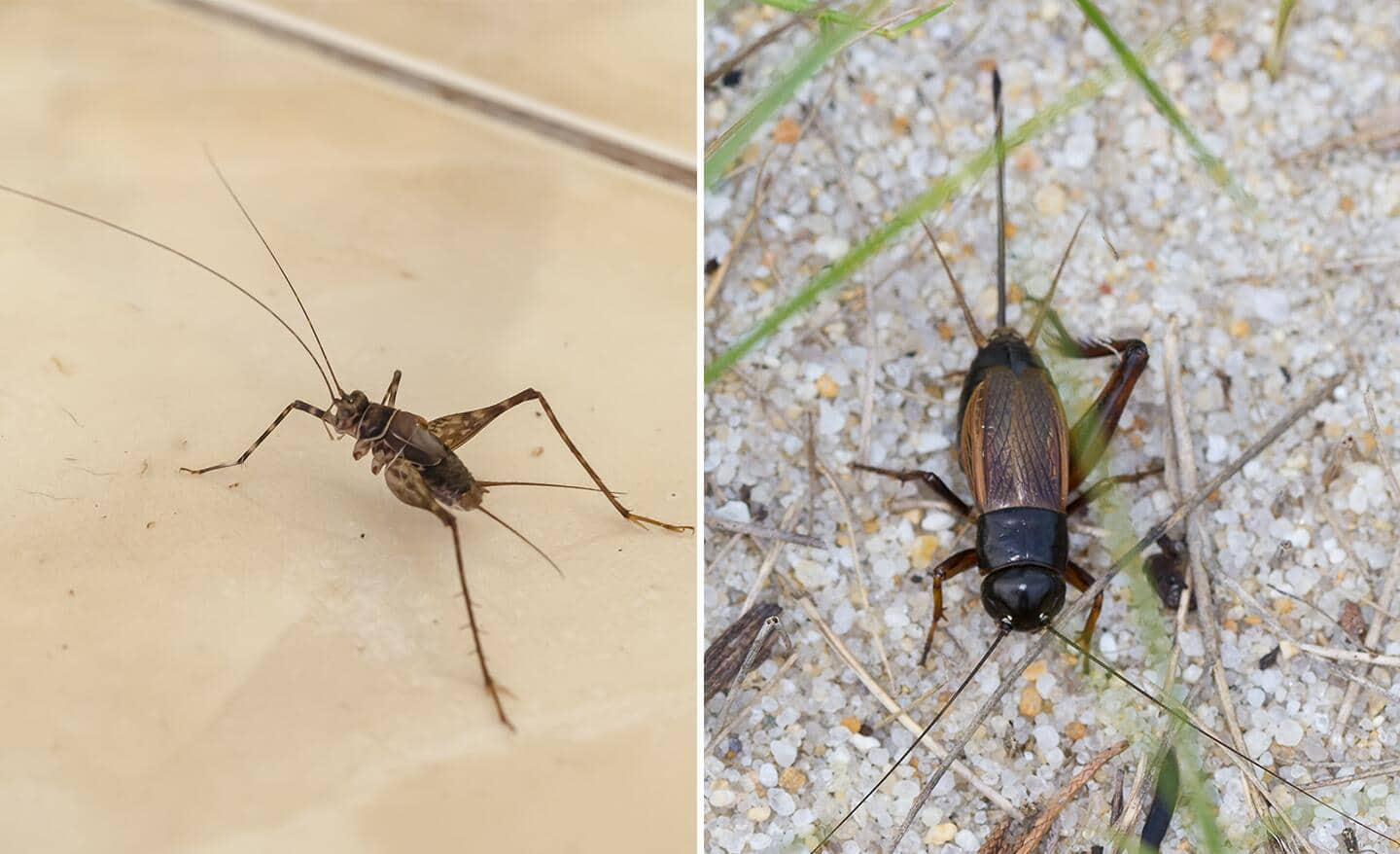
If you hear chirping at night or find small insects jumping around your garage, you probably have a cricket problem. Crickets can be noisy, damage items, and even attract other pests. Many homeowners struggle with these insects, especially during warmer months. Luckily, with the right steps, you can get rid of crickets in your garage and keep them away for good.
This guide explains simple, practical methods to remove crickets, prevent them from returning, and understand why they show up in the first place. Whether you’re dealing with a few insects or a full infestation, this article will help you solve the problem with confidence.
Why Do Crickets Come Into Garages?
Crickets enter garages for three main reasons: food, shelter, and warmth. Your garage is often cooler in summer and warmer in winter. It also offers dark corners, clutter, and sometimes moisture. All these things make it a perfect place for crickets to live.
Common attractants:
- Cardboard boxes (good hiding spots)
- Stored food (pet food, birdseed)
- Moisture (leaky pipes, water heaters)
- Clutter (old clothes, newspapers)
One non-obvious reason crickets may gather is the presence of other insects. Crickets are both prey and predators, so if you have a lot of bugs, you might attract crickets too.
Are Crickets Dangerous?
Most crickets in the US are harmless to people. However, they can still cause problems:
- Noise: Male crickets chirp loudly, especially at night.
- Damage: They chew on fabrics, cardboard, and even electric wires.
- Allergens: Their droppings and shed skins can cause allergies in sensitive people.
- Attract predators: Spiders and rodents may follow crickets inside.
While crickets don’t bite humans often, large numbers can become a serious nuisance.
Signs Of A Cricket Infestation
To deal with crickets effectively, you need to know if you have a small problem or a bigger one. Look for these signs:
- Chirping sounds at night (main sign)
- Jumping insects when you move things
- Small, black droppings on floors and shelves
- Chewed fabric or paper
- Eggs: Tiny white or yellow eggs in cracks or under boxes
If you notice several of these signs, quick action is important.
Immediate Steps: How To Remove Crickets From Your Garage
If you already have crickets in your garage, follow these steps to remove them:
1. Clear Clutter
Crickets hide in piles of boxes, clothes, and newspapers. Start by:
- Removing unnecessary items
- Storing things in plastic bins (not cardboard)
- Keeping floors and corners clear
This exposes hiding crickets and makes your garage less attractive.
2. Vacuum Regularly
Use a vacuum cleaner to pick up crickets, eggs, and droppings. Focus on:
- Edges of the floor
- Under shelves and workbenches
- Behind stored items
Vacuuming is a safe, chemical-free method and helps remove eggs that sprays can’t reach.
3. Seal Entry Points
Crickets can squeeze through tiny gaps. Check for:
- Cracks in walls or floors
- Gaps under garage doors
- Spaces around pipes or vents
Seal these with caulk, weather stripping, or foam. Even a 1/8-inch gap can let crickets in.
4. Reduce Moisture
Damp areas attract crickets. To reduce moisture:
- Fix leaky pipes or appliances
- Use a dehumidifier if your garage is damp
- Keep items off the floor
Dry garages are much less appealing to these pests.
5. Use Sticky Traps
Sticky glue boards are simple and effective. Place them:
- Along walls and corners
- Near doors or windows
- Behind stored items
Check traps daily and replace as needed. This method helps you see how many crickets are present and where they travel.
6. Apply Insecticide (if Needed)
If natural methods are not enough, use a cricket-specific insecticide spray or bait. Always:
- Follow label instructions carefully
- Keep away from children and pets
- Focus on cracks, corners, and entry points
Never rely only on sprays—combine with other steps for best results.
Comparing Cricket Control Methods
Here’s how common cricket control methods compare in effectiveness, safety, and cost:
| Method | Effectiveness | Safety | Cost |
|---|---|---|---|
| Vacuuming | Medium | Very Safe | Low |
| Sticky Traps | High (for small numbers) | Safe | Low |
| Insecticide Spray | High | Moderate (follow instructions) | Medium |
| Dehumidifier | Medium | Very Safe | Medium |
| Professional Pest Control | Very High | Safe (if licensed) | High |
For most homeowners, a combination of vacuuming, traps, and moisture control is enough.
Long-term Prevention: How To Keep Crickets Out
Stopping crickets from coming back is often easier than fighting an infestation. Here are the best prevention steps:
1. Seal The Garage
Check the garage door seal and replace it if you see gaps. Use weather stripping around doors and windows. Pay attention to:
- The base of the garage door
- Any cracks in the foundation
- Openings for wires or pipes
2. Store Items Properly
Use plastic containers with tight lids instead of cardboard boxes. Store things:
- Off the floor (on shelves)
- Away from walls
- In dry areas
Crickets love to hide in boxes on the ground, especially if they are damp.
3. Control Lights
Crickets are attracted to bright lights at night. Reduce this by:
- Switching to yellow “bug lights”
- Using motion sensors, so lights only turn on when needed
- Keeping exterior lights off when possible
4. Keep The Garage Clean
Sweep and vacuum the garage often. Remove food sources like:
- Pet food
- Birdseed
- Spilled snacks
A clean garage makes it harder for crickets to find food and shelter.
5. Manage Outdoor Areas
Crickets usually come from outside. Reduce their numbers around your home by:
- Mowing grass and trimming plants near the garage
- Removing piles of leaves, wood, or stones
- Keeping mulch and compost away from garage walls
If you have a garden light near the garage door, move it further away.
6. Fix Water Issues
Check for water leaks or puddles near the garage. Even small drips can attract crickets and other pests. Consider adding gutters or sloping soil away from the garage.
Credit: www.bobvila.com
Natural Cricket Control Methods
Many people want to avoid chemicals. Here are some natural ways to control crickets:
- Diatomaceous earth: This powder kills crickets by drying them out. Sprinkle in corners and cracks.
- Boric acid: Works on crickets but should be kept away from pets and kids.
- Essential oils: Peppermint or cedar oil may repel crickets. Mix with water and spray around the garage.
- Homemade traps: A shallow bowl of molasses and water attracts and traps crickets.
Keep in mind: Natural methods are best for small problems, not heavy infestations.
When To Call A Professional
Most cricket problems can be solved at home. However, call a pest control professional if:
- You see large numbers of crickets daily
- DIY methods don’t work after several weeks
- Crickets are damaging property (wires, clothes, insulation)
- You have allergies or health concerns
Professionals use safe, targeted treatments and can inspect for other pests.
Credit: www.homedepot.com
How Crickets Survive In Garages
Crickets are tough insects. They can survive for weeks without food, especially if there is moisture. In cold weather, garages offer warmth and protection.
Here’s a quick look at cricket survival needs:
| Need | How Garages Provide It |
|---|---|
| Warmth | Insulated walls and appliances |
| Moisture | Leaky pipes, water heaters |
| Shelter | Clutter, boxes, dark corners |
| Food | Fabric, paper, dead insects |
Understanding these needs helps you remove what attracts crickets.
Common Mistakes To Avoid
Beginners often make these errors when dealing with crickets:
- Using only sprays: Sprays kill adults but not eggs. Eggs can hatch later if not removed.
- Ignoring outdoor sources: Crickets breed outside and wander in. Always treat both areas.
- Leaving clutter: Piles of items give crickets places to hide and lay eggs.
- Not sealing entry points: Even a small gap can let crickets in.
- Overusing lights: Bright garage lights at night draw crickets inside.
Fixing these mistakes will speed up your results.
Example: A Real-world Cricket Problem
Let’s say your garage is full of boxes, and you hear chirping at night. You find a few crickets when you move things. After vacuuming, you set sticky traps and find 10 crickets in a week. You notice a gap under your garage door and some pet food left out.
By sealing the door, storing pet food in a container, and reducing clutter, you stop catching crickets in traps after two weeks. This shows how several small steps work better than just spraying.
How Fast Can You Get Rid Of Crickets?
Most small cricket problems can be solved in 2–4 weeks if you:
- Remove clutter
- Vacuum and use traps
- Seal entry points
- Control moisture
Larger infestations may take longer, especially if eggs have hatched. Be patient and keep checking for signs.
Credit: www.reddit.com
Quick Comparison: Crickets Vs. Other Garage Pests
Crickets are just one of several common garage pests. Here’s how they compare:
| Pest | Damage Risk | Noise | Allergy Risk | Control Difficulty |
|---|---|---|---|---|
| Crickets | Medium (chew items) | High | Low/Medium | Medium |
| Spiders | Low | None | Medium | Medium |
| Rodents | High (gnaw wires) | Medium | High | High |
| Silverfish | Low | None | Low | Low |
Crickets are mainly a nuisance because of noise and small damage.
Key Takeaways
- Crickets enter garages for food, shelter, and warmth.
- Remove them by cleaning, vacuuming, sealing gaps, reducing moisture, and using traps.
- Prevent them with good storage, reduced lighting, and outdoor maintenance.
- Don’t rely on sprays alone—combine methods for best results.
- For big problems, call a professional.
With these steps, your garage can stay cricket-free all year.
Frequently Asked Questions
Why Do I Only Hear Crickets At Night?
Crickets are nocturnal, which means they are most active at night. Males chirp to attract females, and the sound carries better when it’s quiet.
Will Crickets Damage My Car Or Stored Items?
Crickets rarely harm cars. However, they can chew on wires, cardboard, and fabrics. Over time, this can cause small but annoying damage, especially to stored clothes or boxes.
Are Chemical Sprays Safe In Garages?
Most sprays are safe if you follow directions. Always:
- Keep them away from children and pets
- Ventilate the area after spraying
- Avoid direct contact with food or pet items
Consider using non-chemical methods first.
Can Crickets Survive Cold Winters In My Garage?
Yes, if your garage is insulated or has heat sources, crickets can survive winter. They look for warmth and moisture and can be active all year in these conditions.
Where Can I Learn More About Cricket Control?
For more details, visit the EPA’s official guidance on cricket control.
By following these tips, you’ll have a quieter, cleaner, and pest-free garage in no time.