
If you’ve found flies buzzing around your garage, you’re not alone. Many homeowners face this problem, especially in warmer months. Flies are not just annoying—they can also carry germs and create an unhealthy environment. Getting rid of flies in your garage means more than just swatting a few away.
You need a smart plan that removes their reasons to stay and blocks them from coming back. Let’s break down how you can tackle this problem with practical steps, clear explanations, and proven methods.
Why Do Flies Gather In Garages?
Flies are attracted to garages for a few simple reasons:
- Food sources: Trash, spilled drinks, pet food, or even birdseed.
- Moisture: Leaky pipes, damp floors, or standing water.
- Shelter: Garages often have open doors, cracks, or windows that let flies in.
- Warmth: Flies love warm, sheltered spots, especially in cooler weather.
If you notice flies in your garage, look for things that might attract them. Finding the cause is the first step to solving the problem.
Common Types Of Flies In Garages
Not all flies are the same. Here are the most common types you might find:
| Type of Fly | What Attracts Them | How to Identify |
|---|---|---|
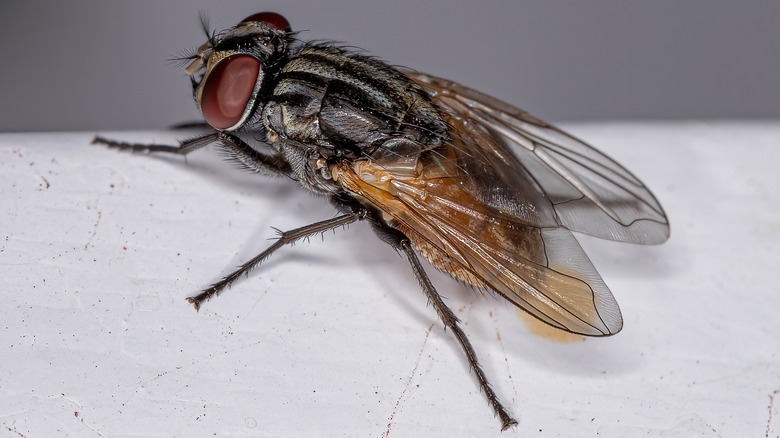
| House Fly | Trash, food scraps, pet waste | Gray, 1/4 inch, red eyes |
| Fruit Fly | Rotting fruit, sugary drinks | Small, tan, red eyes |
| Drain Fly | Standing water, drains | Fuzzy, moth-like, tiny |
| Blow Fly | Dead animals, decaying matter | Metallic green/blue, larger |
Knowing which fly you have helps you pick the right solution. For example, fruit flies need a different approach than blow flies.
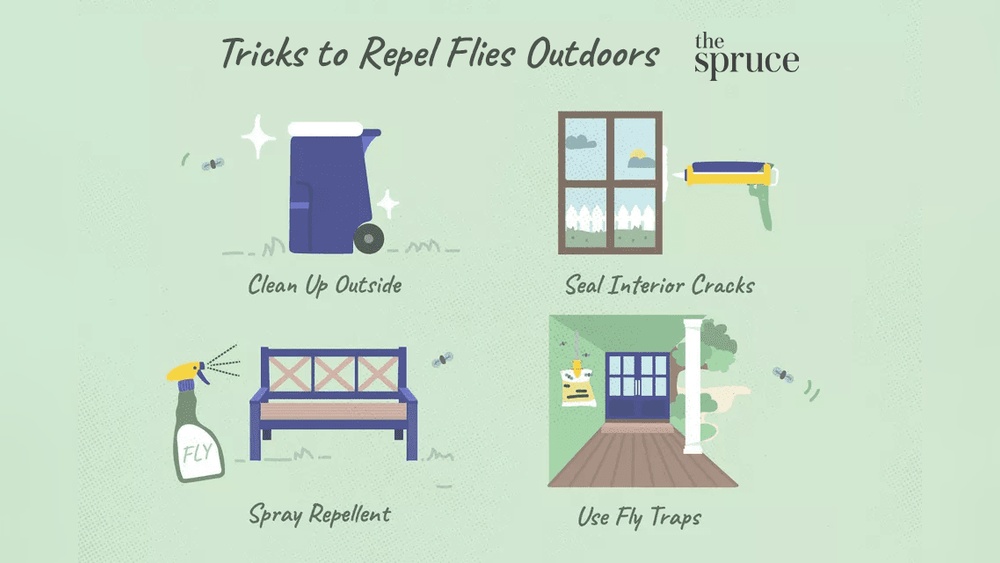
Step 1: Find And Remove Attractants
Flies won’t stay if there’s nothing to eat or drink. Check for these common attractants:
- Trash cans: Empty them regularly and use lids.
- Spilled food or drink: Clean up right away.
- Pet food: Store in sealed containers.
- Leaky pipes: Fix drips and dry any puddles.
- Compost or organic waste: Keep outside, not in the garage.
Here’s a quick comparison of attractants and how to fix them:
| Attractant | Action to Take | How Often |
|---|---|---|
| Uncovered Trash | Use sealed cans, empty weekly | Weekly |
| Pet Food Left Out | Store after feeding | Daily |
| Spills | Wipe up immediately | As needed |
| Standing Water | Fix leaks, mop up | As needed |
Pro tip: Flies can smell food from over 1 mile away. Removing food and water stops most fly problems before they start.
Step 2: Block Entry Points
Stopping flies from getting in is easier than dealing with an infestation. Check your garage for:
- Gaps around doors: Install weather stripping.
- Broken windows or screens: Repair or replace.
- Cracks in walls: Seal with caulk.
- Gaps at the floor: Use door sweeps.
It only takes a small crack for flies to get in. Focus on doors and windows—they are the most common entry points.
Example: If you park your car with the door open, flies may come in. Try to keep the door closed as much as possible.
Step 3: Clean Regularly
Flies breed quickly. A dirty garage makes the problem worse. Set a schedule for:
- Sweeping floors
- Taking out trash
- Wiping surfaces
- Checking for spills
A clean garage is a big step toward a fly-free zone.
Step 4: Use Fly Traps And Baits
Sometimes, even a clean garage gets flies. Here’s how traps can help:
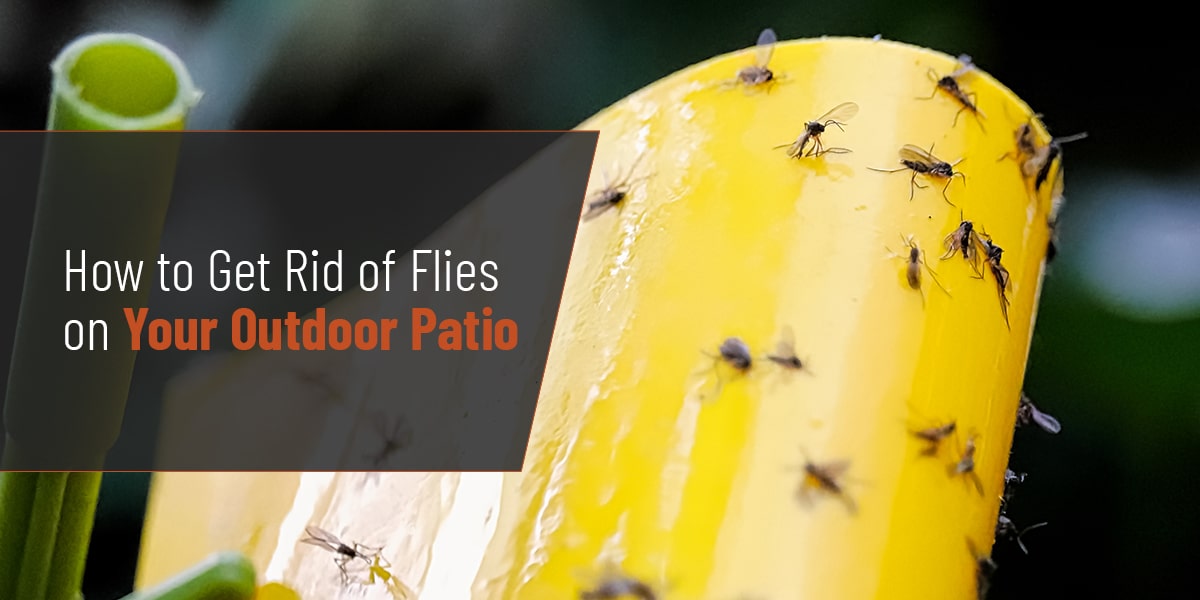
- Sticky traps: Hang these near doors or windows to catch adult flies.
- UV light traps: Attract and kill flies with light. Plug into an outlet.
- Bait traps: Use sugar water or vinegar to lure flies in.
Diy Fly Trap Example
You can make a simple trap at home:
- Fill a jar with apple cider vinegar and a few drops of dish soap.
- Cover with plastic wrap and poke a few small holes.
- Flies go in but can’t get out.
This works well for fruit flies and house flies.
Credit: www.shadingtexas.com
Step 5: Try Natural Repellents
Many people want to avoid strong chemicals in their garage. Here are some safer options:
- Essential oils: Flies dislike scents like peppermint, eucalyptus, and lavender. Mix with water in a spray bottle and use on doorways.
- Herbs: Place pots of basil or mint near windows. The smell keeps flies away.
- Citrus peels: Leave lemon or orange peels in corners. Replace weekly.
Natural repellents are safe for kids and pets but may need to be reapplied often.
Step 6: Use Insecticides (if Needed)
If the fly problem is large, insecticides can help. Use carefully:
- Aerosol sprays: Quick, but only kill flies you see.
- Residual sprays: Last longer on surfaces. Spray along baseboards and windows.
- Fly baits: Place out of reach of children and pets.
Warning: Always read labels and follow safety directions. Open doors and windows for ventilation.
Non-obvious tip: Rotate insecticides. Flies can build resistance if you use the same product all the time.
Step 7: Remove Breeding Sites
Flies lay eggs in damp, dirty places. Check for:
- Old trash or compost
- Animal droppings
- Damp rags or mops
- Forgotten food
Remove these, and you stop the next generation of flies.
Example: One female house fly can lay up to 500 eggs in her lifetime. Getting rid of breeding spots is critical.
Step 8: Improve Garage Ventilation
A stuffy, humid garage is perfect for flies. Increase airflow by:
- Installing a fan or vent
- Opening windows (with screens)
- Using a dehumidifier
Dry air makes it harder for flies to breed and survive.
Credit: www.amdro.com
Step 9: Consider Professional Help
If you’ve tried everything and still have flies, it might be time to call a pest control expert. They can:
- Identify hidden problems (like dead animals in walls)
- Use stronger treatments safely
- Offer advice for long-term prevention
Professional help is especially important if you find blow flies, which can signal a serious issue.
Practical Data: Why Flies Are A Health Risk
Flies are more than a nuisance. They can carry over 100 types of germs, including:
- E. coli
- Salmonella
- Cholera
A study by the World Health Organization found that house flies can transmit diseases by contaminating food and surfaces. Keeping flies out of your garage protects your family’s health.
Case Example: A Family Garage
Let’s look at a real scenario. The Smith family noticed more flies in their garage after summer started. They found:
- Open trash cans
- Pet food bowls left out
- A leaky water heater
They took these steps:
- Covered all trash cans
- Stored pet food in sealed bins
- Fixed the leak
- Set up sticky traps near the door
Within two weeks, the fly problem was gone. This shows small changes can make a big difference.
Mistakes To Avoid
Beginners often miss these points:
- Only killing adult flies: If you don’t remove eggs and larvae, flies return.
- Ignoring small cracks: Even tiny gaps let flies in.
- Leaving food out: Even a few crumbs are enough.
Non-obvious insight: Flies can breed in dustpans, mop buckets, or under shelving—check all hidden spots.
Credit: www.housedigest.com
Long-term Prevention Tips
To keep your garage fly-free year-round:
- Store all food in sealed containers
- Take out trash at least once a week
- Check for leaks monthly
- Add screens to windows and vents
- Clean up spills right away
Regular checks and cleaning matter more than any single product.
When To Worry About A Bigger Problem
If you see a sudden increase in flies, especially blow flies, it could mean:
- A dead animal is hidden (like a mouse or bird)
- Sewer or drain problems
- Rotting wood or organic matter
Don’t ignore this—find the cause and fix it quickly.
Frequently Asked Questions
Why Are Flies Only In My Garage, Not My House?
Flies may prefer your garage because it’s easier to enter, has more food, or is less clean than your house. Garages often have more moisture, open doors, or trash cans.
What Smells Do Flies Hate The Most?
Flies dislike strong scents like peppermint, eucalyptus, lavender, and basil. Using these as sprays or placing fresh herbs near windows helps keep flies away.
How Long Does It Take To Get Rid Of Flies?
If you remove attractants and use traps, you can see fewer flies in 1–2 weeks. For large infestations, it may take a month of consistent cleaning and trapping.
Can Flies Breed In My Garage?
Yes, flies breed in damp and dirty places—like old trash, pet waste, or standing water. Removing these stops them from laying eggs and multiplying.
Are Chemical Sprays Safe To Use In A Garage?
Most household sprays are safe if you follow instructions. Keep children and pets away until the area is dry, and open doors for fresh air. For more safety tips, see EPA Safe Pest Control.
Keeping your garage fly-free is possible with the right steps. Focus on cleaning, blocking entry, and using traps. Don’t forget to check for hidden breeding spots and use natural repellents if you prefer a safer option. With a little effort, your garage can stay clean, healthy, and free from annoying flies all year round.