
A spider in the garage can surprise anyone. For some, it’s a small problem. For others, it triggers fear or worry. Garages are perfect places for spiders: they are dark, quiet, and often full of hiding spots. But should you worry? What can you do if you find a spider in your garage? This guide will help you understand why spiders come into garages, how to identify different types, what risks they bring, and how to handle them safely.
Why Spiders Like Garages
Garages give spiders everything they need to survive. They offer shelter, food, and safety from bigger animals. Here’s why spiders often choose garages:
- Shelter from weather: Garages are dry and protected from rain, wind, and heat.
- Food sources: Garages attract insects, which are a main food for spiders.
- Few disturbances: Garages are quieter than homes, with fewer people moving around.
- Many hiding places: Cardboard boxes, shelves, and corners provide safe spots.
Many people do not realize that spiders do not seek out humans. They just want a safe place to live and hunt.
Common Types Of Spiders Found In Garages
Not all spiders are dangerous. Most are harmless and stay away from people. Let’s look at some common spiders you might find in your garage:
| Spider Name | Appearance | Danger Level |
|---|---|---|
| House Spider | Brown, small body, tangled web | Harmless |
| Cellar Spider (Daddy Long Legs) | Very thin legs, small round body | Harmless |
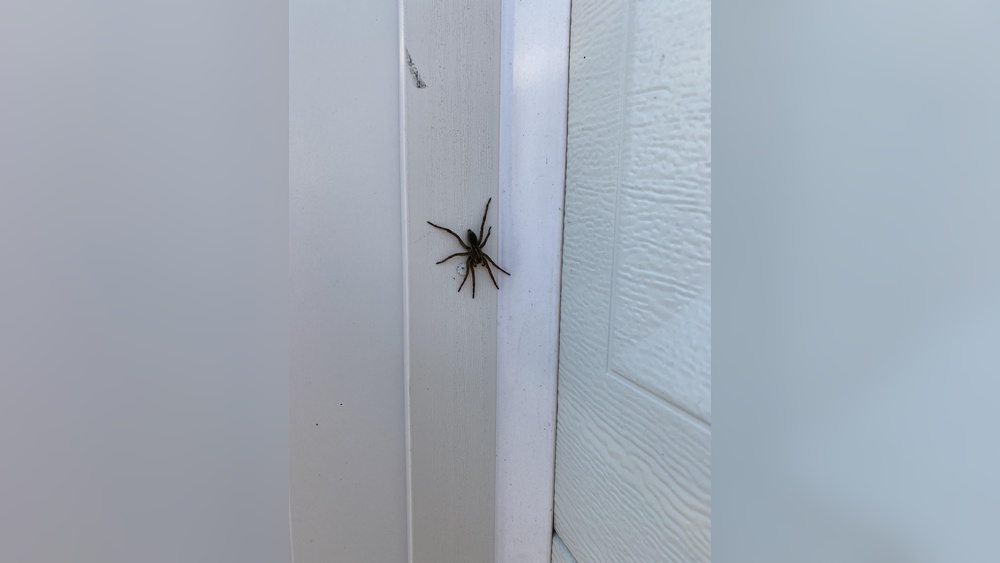
| Wolf Spider | Large, hairy, gray or brown | Low risk (may bite if handled) |
| Black Widow | Shiny black, red hourglass mark | Dangerous (venomous) |
| Brown Recluse | Light brown, violin shape on back | Dangerous (venomous) |
Most spiders you see will not harm you. However, it’s important to know the difference between harmless and dangerous types.
Non-obvious Insight: Not All “dangerous” Spiders Bite
Many people fear black widows and brown recluses. While their bites can be serious, these spiders avoid humans. Bites are rare, usually happening when someone grabs or disturbs their hiding spot.
How Spiders Enter The Garage
Spiders do not need large openings to enter. They can squeeze through very small gaps. Here’s how they get inside:
- Under garage doors: Worn weather stripping lets spiders crawl under.
- Cracks in walls or floors: Small cracks are easy for spiders to enter.
- Gaps around windows and vents: Poorly sealed areas are common entry points.
- Attached to boxes or outdoor items: Spiders may hitch a ride on things you bring inside.
To keep spiders out, check these areas often and seal any gaps you find.
Are Spiders In The Garage A Risk?
Most spiders are not a real danger. They help control other pests by eating flies, mosquitoes, and beetles. However, there are some risks:
- Venomous bites: Black widows and brown recluses are the main concerns. Their bites need medical attention.
- Allergic reactions: Some people are allergic to spider bites.
- Fear and anxiety: For people with arachnophobia, seeing a spider can cause stress.
It’s rare for spiders in the garage to bite unless they feel threatened. Wearing gloves when moving boxes or cleaning helps avoid accidental bites.

Credit: www.bugguide.net
How To Identify Dangerous Spiders
Being able to tell a dangerous spider from a harmless one is helpful. Here are key signs:
- Black Widow: Shiny black color, with a red hourglass on the belly. They make messy, strong webs in dark corners.
- Brown Recluse: Tan or brown, with a violin-shaped mark on the back. They hide in boxes, shoes, or under clutter.
If you see these spiders, be careful. Do not handle them with bare hands.
Steps To Safely Remove Spiders
If you spot a spider in your garage, do not panic. There are safe ways to remove them:
- Wear gloves: Protect your hands, especially if you’re unsure about the spider type.
- Use a jar and paper: Trap the spider under a jar. Slide paper under it. Carry it outside and release.
- Vacuum corners and webs: Use a vacuum with a hose to remove webs and spiders from hard-to-reach places.
- Sticky traps: Place sticky traps near walls or in corners. Check traps regularly and dispose of them safely.
Avoid using your hands directly. This reduces the chance of bites.
Non-obvious Insight: Spiders Often Return If You Don’t Remove Webs
Simply moving a spider outside is not enough. If you leave the web, another spider may take over the spot. Remove all webs to stop new spiders from moving in.
Natural Ways To Keep Spiders Out
Many people do not want to use chemical sprays in the garage. Natural solutions can help:
- Peppermint oil spray: Mix 10 drops of peppermint oil with water in a spray bottle. Spray around doors, windows, and corners.
- Keep the garage clean: Sweep regularly. Remove clutter and cardboard boxes.
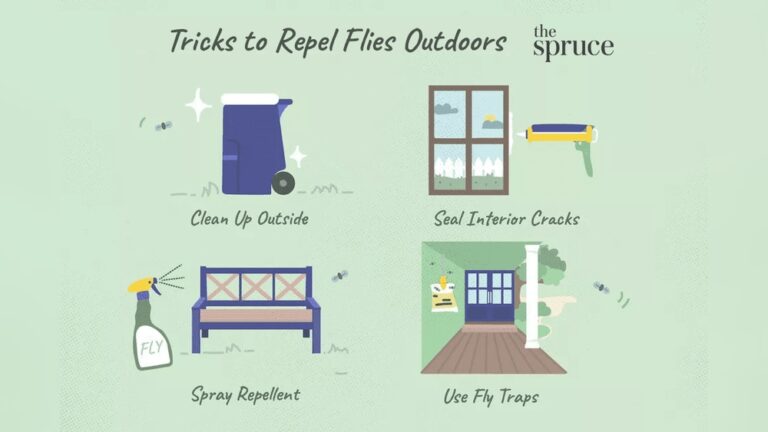
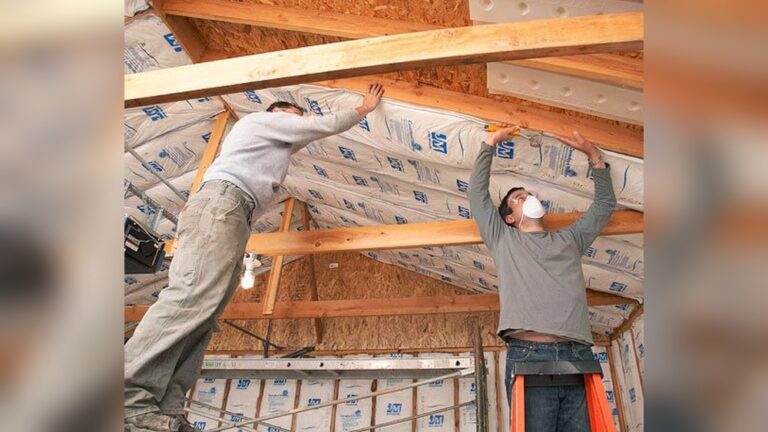
- Seal cracks and gaps: Use caulk or weather stripping to close entry points.
- Use citrus peels: Spiders dislike citrus. Rub orange or lemon peels on shelves and corners.
These methods are safe for pets and children.
Chemical Treatments And When To Use Them
Sometimes, natural methods are not enough, especially with a serious spider problem. Chemical sprays can work, but use them carefully:
- Insecticide sprays: Buy sprays labeled for spiders. Follow directions closely.
- Foggers: Only use if the infestation is large. Remove pets and people first.
- Professional pest control: If you find many venomous spiders, call a professional.
Be aware that overuse of chemicals can harm helpful insects and even your health.
:max_bytes(150000):strip_icc()/GettyImages-1225147385-c42c87f0e0df46cf9d49cebc3a20d429.jpg)
Credit: www.thespruce.com
How To Prevent Spiders From Returning
Prevention is better than removal. Here’s how to keep your garage spider-free:
| Action | Effect |
|---|---|
| Seal all cracks and gaps | Blocks spider entry points |
| Install door sweeps | Stops spiders from crawling under doors |
| Store items in plastic bins | Removes hiding spots |
| Clean regularly | Removes webs and eggs |
| Control other insects | Reduces spider food sources |
Check your garage every few months. Small actions make a big difference over time.
What To Do If You Are Bitten By A Spider
Spider bites are uncommon in garages, but you should know what to do:
- Stay calm: Most bites are not dangerous.
- Wash the area: Use soap and water.
- Apply ice: Reduces swelling and pain.
- Watch for symptoms: If you see severe pain, muscle cramps, or spreading redness, seek medical help.
- Bring the spider if safe: If bitten by a venomous spider and you can safely capture it, take it to the doctor for identification.
Most bites heal without problems. However, black widow and brown recluse bites need quick medical care.
Signs Of A Spider Infestation
Seeing one or two spiders is normal. But if you notice these signs, you may have a bigger problem:
- Many webs in corners or on ceilings
- Egg sacs (small white balls) attached to walls or boxes
- Finding spiders every day
- Increased insect activity
If you see these signs, increase cleaning and consider pest control.
Myths About Spiders In The Garage
Many people believe things about spiders that are not true. Here are some common myths:
- Myth: All spiders are dangerous.
- Fact: Most spiders are harmless and avoid humans.
- Myth: Spiders are a sign of a dirty home.
- Fact: Even clean garages can attract spiders if there are insects or hiding spots.
- Myth: Killing all spiders is best.
- Fact: Spiders help control other pests. Removing them is better than killing.
Knowing the facts helps reduce fear and makes it easier to handle spiders calmly.

Credit: www.reddit.com
When To Call A Professional
Most garages do not need professional help. Call a pest control expert if:
- You find many venomous spiders
- Spider bites become common
- Natural and chemical methods fail
- You see many egg sacs or webs
Professionals can safely remove spiders and treat your garage to prevent future problems.
Real-life Example: Garage Spider Problem Solved
Lisa, a homeowner in Texas, noticed many webs and small spiders in her garage. She was worried about black widows. Here’s what she did:
- Wore gloves and cleaned out boxes and corners.
- Used sticky traps to catch spiders at night.
- Sealed cracks with caulk and installed a door sweep.
- Sprayed peppermint oil weekly.
- After two weeks, she saw fewer spiders. By keeping the area clean, her problem stayed under control.
This shows that simple steps, done regularly, can solve most spider problems.
Frequently Asked Questions
What Attracts Spiders To My Garage?
Spiders come looking for shelter, food (mainly insects), and safe hiding places. Dark corners, clutter, and boxes make perfect homes for them.
Are Spiders In The Garage Dangerous To Pets?
Most spiders are not dangerous to pets. However, black widows and brown recluses can harm cats or dogs if bitten. Keep pets away from spider webs and corners.
How Can I Tell If A Spider Is Poisonous?
Look for key signs:
- Black widow: Shiny black, red hourglass on the belly.
- Brown recluse: Tan or brown, violin-shaped mark.
If you are unsure, do not touch the spider and consult a local pest expert or check images on trusted sources like the Wikipedia Spider Page.
Do Ultrasonic Repellents Work For Spiders?
Research shows ultrasonic repellents are not effective against spiders. Focus on cleaning, sealing gaps, and reducing insects instead.
Is It Safe To Remove Spiders By Hand?
It is not safe to remove spiders by hand, especially if you cannot identify them. Use tools like jars or vacuum cleaners, and always wear gloves for protection.
—
Spiders in the garage are common and usually nothing to fear. Knowing how to identify, remove, and prevent them makes your garage safer and more comfortable. Simple actions like cleaning, sealing gaps, and using natural sprays can keep most spiders away.
If you ever feel unsure, call a professional for help. With the right approach, you can enjoy a spider-free garage with peace of mind.