
Laundry in the garage is a popular choice for many homeowners. It can be a smart use of space, especially in homes without a dedicated laundry room. But, there are clear pros and cons to consider before moving your washer and dryer to the garage.
This guide looks at the key benefits and drawbacks, sharing practical examples, real data, and tips to help you make the best decision for your home.
Why People Choose The Garage For Laundry
Many homes, especially older ones or those in warmer climates, do not have a separate laundry room. The garage becomes a natural option for the washer and dryer. People often choose the garage because:
- Space saving: Free up room inside the house
- Noise control: Keep laundry sounds away from living spaces
- Convenience: Easy access for outdoor chores
- Home design: Some homes are built with garage laundry hookups
In some regions, such as California and Texas, garage laundry is extremely common. According to a survey by the National Association of Home Builders, about 13% of US homes have laundry machines in the garage.
Pros Of Laundry In The Garage
1. More Living Space
Moving the washer and dryer to the garage gives you more room inside. This is important for:
- Small homes and apartments
- Families with many belongings
- People who want a home office or playroom
By using the garage, you can turn an old laundry closet into a useful space.
2. Better Noise Control
Washers and dryers are loud. Having them in the garage means:
- Less noise in bedrooms and living areas
- More peaceful home environment
- Easier to do laundry at night or early morning
If you work from home or have a baby, this benefit is even greater.
3. Easy Access For Outdoor Messes
Garages are close to the yard or driveway. This is helpful when:
- Children come home dirty from sports
- Pets need to be cleaned before entering
- Gardeners or DIYers wash dirty clothes
You can drop muddy items in the washer before entering the main house.
4. Less Risk Of Indoor Water Damage
Leaks and overflows happen. With laundry in the garage:
- Water damage is less likely to ruin floors or walls
- Easier to clean up spills
- Less worry about mold inside the main home
A 2021 study by the Insurance Information Institute found that water damage from laundry rooms is a common cause of home insurance claims.
5. Easier Venting For Dryers
Dryers need outside venting. In the garage:
- Shorter vent runs reduce fire risk
- Easier access for cleaning and repairs
- Lower installation costs
Lint buildup is a leading cause of dryer fires. A simple, short vent in the garage can make maintenance easier.
6. Good Use Of Underused Space
For many, the garage is a storage area. Adding laundry here:
- Makes the garage more useful
- Can increase home value for buyers who like garage laundry
- Frees up indoor closets and rooms
7. Less Disruption During Remodeling
If you are renovating your home, moving laundry to the garage is less disruptive. You can:
- Keep laundry machines working during construction
- Avoid running plumbing and vents through finished living spaces
This can save time and money during a remodel.
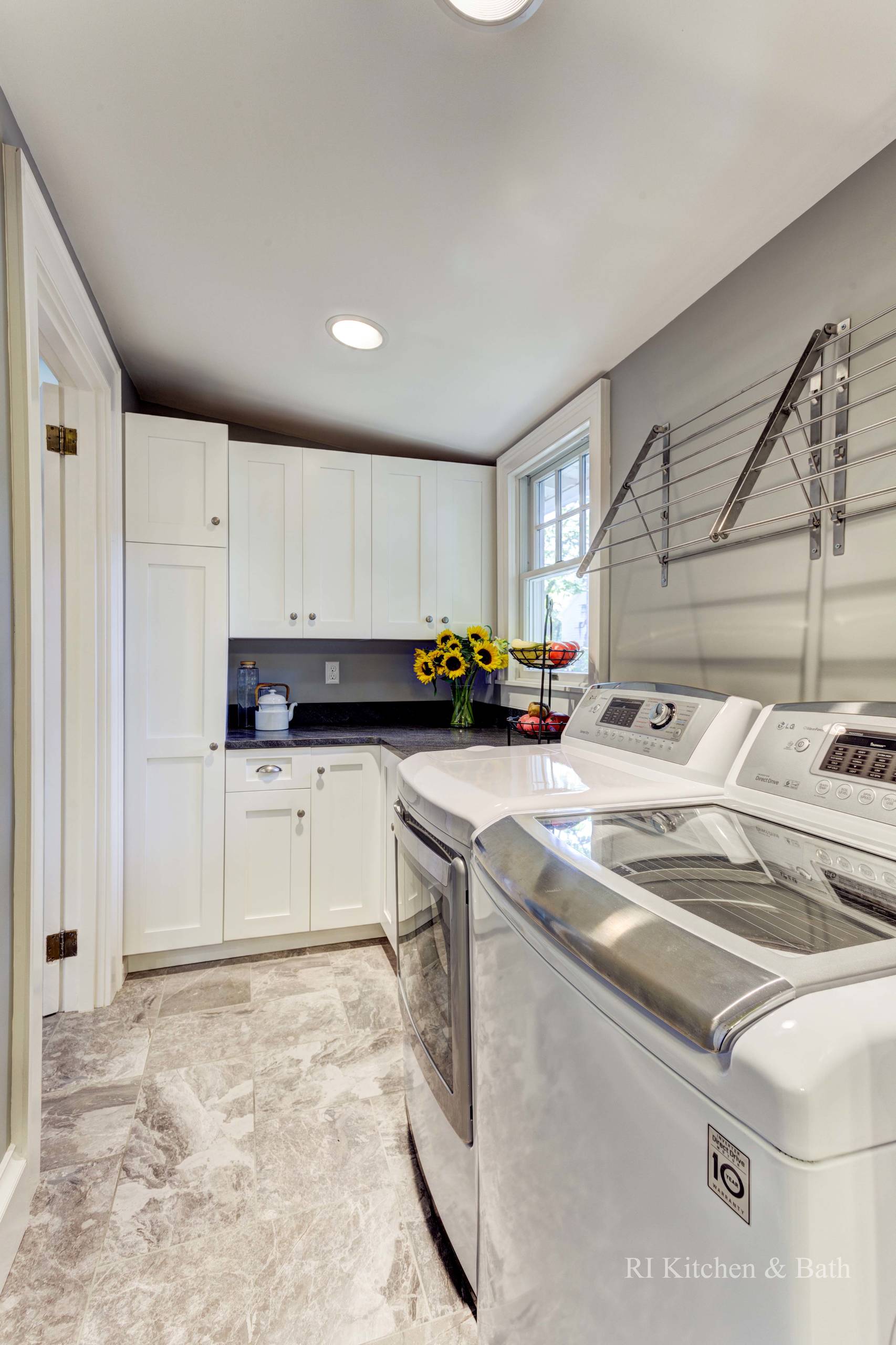
Credit: www.houzz.com
Cons Of Laundry In The Garage
1. Temperature Extremes
Garages get hot in summer and cold in winter. This can cause problems:
- Washer hoses and pipes may freeze in winter
- Machines may overheat in summer
- Detergents can lose effectiveness if stored in heat
Some US states see garage temperatures above 100°F in summer and below freezing in winter. This can damage appliances and make laundry uncomfortable.
2. Dirt And Dust
Garages are not as clean as indoor spaces. Common issues include:
- Dust settling on clean clothes
- Bugs or pests getting into laundry baskets
- Oil or chemical smells from cars or tools
This means you may need to clean the area often.
3. Security And Safety Risks
If your garage is not well-secured:
- Thieves may enter easily, especially if the garage is detached
- Dangerous tools and chemicals may be accessible to children
- Risk of carbon monoxide from vehicles
Safety is a key concern if you have kids or pets.
4. Lower Energy Efficiency
Garages are not usually insulated like the rest of the house. This causes:
- Higher energy bills for heating the washer water
- Dryers working longer to remove moisture
- More wear and tear on machines
A study by the US Department of Energy found that garage laundry setups use up to 15% more energy than indoor ones.
5. Less Comfort And Convenience
Doing laundry in the garage means:
- Walking outside in bad weather
- Less pleasant environment (no air conditioning or heating)
- Harder to fold or sort clothes if the space is cramped
For some, these inconveniences are a deal-breaker.
6. Possible Code Or Hoa Issues
Not all homes can legally have laundry in the garage. Possible problems:
- Local building codes may require special plumbing or drains
- Homeowners Associations (HOAs) may restrict garage use
- Insurance companies may charge more for garage laundry
Always check with your city and insurance before making changes.
7. Limited Resale Appeal
Some buyers want laundry inside the house, not in the garage. This could:
- Lower your home’s resale value in some markets
- Make it harder to sell to families with small children or older adults
In a 2019 Realtor. com survey, 63% of buyers preferred indoor laundry rooms.
Practical Data: Garage Laundry Vs. Indoor Laundry
Here is a comparison of common features for laundry setups:
| Feature | Garage Laundry | Indoor Laundry |
|---|---|---|
| Noise | Low (isolated) | Medium to high |
| Temperature Control | Poor (subject to weather) | Good (climate controlled) |
| Energy Efficiency | Lower | Higher |
| Risk of Water Damage | Lower | Higher |
| Cleanliness | Lower | Higher |
Common Problems With Garage Laundry (and Solutions)
Even with the benefits, garage laundry comes with challenges. Here are some typical issues and how to solve them:
- Frozen Pipes: In cold climates, pipes may freeze and burst. Solution: Insulate pipes and add a small space heater in winter.
- Dusty Clothes: Dust is common in garages. Solution: Use sealed storage for detergents and baskets; clean the area regularly.
- Pest Entry: Bugs or rodents can enter garages. Solution: Seal cracks, use traps, and don’t leave laundry baskets overnight.
- Flooding: Garages may flood in heavy rain. Solution: Install a raised platform for appliances and check drainage often.
- Unpleasant Smells: Car fumes or chemicals can affect clothes. Solution: Ventilate the garage and store chemicals away from laundry.
Real-life Example
Consider the case of the Smith family in Dallas, Texas. They moved their laundry to the garage to gain a new home office. After one year:
- They enjoy the extra quiet in the house
- They added pipe insulation to prevent freezing in winter
- They clean the garage every two weeks to keep it dust-free
- Energy bills increased by about $7 per month
They say the tradeoff is worth it for their lifestyle, but it does require extra care.
Cost Comparison: Garage Vs. Indoor Laundry Setup
Setting up laundry in the garage may cost less if hookups exist. However, there are hidden expenses. Here’s a basic comparison:
| Cost Item | Garage Laundry | Indoor Laundry |
|---|---|---|
| Appliance Purchase | $1,200 | $1,200 |
| Plumbing/Electricity Setup | $500–$1,500 | $700–$2,000 |
| Vent Installation | $150–$300 | $200–$500 |
| Insulation/Heating | $200–$800 | Included |
| Annual Energy Cost | $120–$180 | $100–$150 |
In total, garage laundry may save money at first if no major changes are needed. But long-term energy and insulation costs can add up.
Key Things To Consider Before Moving Laundry To The Garage
Before making a decision, ask yourself:
- Is your garage attached or detached? Detached garages are less convenient, especially in bad weather.
- Can you add insulation to protect your appliances and plumbing?
- Is there enough space for folding, sorting, and storing laundry items?
- Are there any local codes or HOA rules against garage laundry?
- Do you have a plan for cleanliness and security?
- How will garage laundry affect your home’s resale value?
If you answer these questions honestly, you can avoid common mistakes.
Tips For A Successful Garage Laundry Setup
If you decide to move your laundry machines to the garage, follow these tips for the best results:
- Use waterproof mats under appliances to catch leaks
- Install bright, energy-efficient LED lighting
- Insulate walls, doors, and pipes if possible
- Keep laundry supplies in sealed containers
- Add a small portable heater or fan for comfort
- Use a folding table or wall-mounted shelf for sorting clothes
- Check for pests and clean often
Planning ahead can make your garage laundry area just as comfortable as an indoor one.
When Garage Laundry Makes Sense
Garage laundry is often the best choice if:
- You need more space inside the house
- You live in a mild climate
- You rarely do laundry during extreme weather
- You can upgrade the garage for comfort and safety
- Your local rules allow it
People with small homes, growing families, or DIY hobbies often find garage laundry a perfect fit.

Credit: www.reddit.com
When To Avoid Garage Laundry
It’s better to keep laundry inside if:
- Your area has extreme heat or cold
- Your garage is not secure or weather-tight
- Family members have mobility issues
- You want maximum home resale value
- You dislike walking outside for chores
For some, the extra effort isn’t worth the space saved.
The Bottom Line
Laundry in the garage has clear benefits and real drawbacks. For many, it’s an excellent way to use extra space and keep noise out of the home. But it comes with challenges like temperature swings, dust, and less energy efficiency.
By understanding the pros and cons, checking your local codes, and making smart upgrades, you can create a garage laundry area that fits your needs.
If you want detailed advice on setting up laundry spaces, the U.S. Department of Energy offers helpful tips on energy savings and safety.
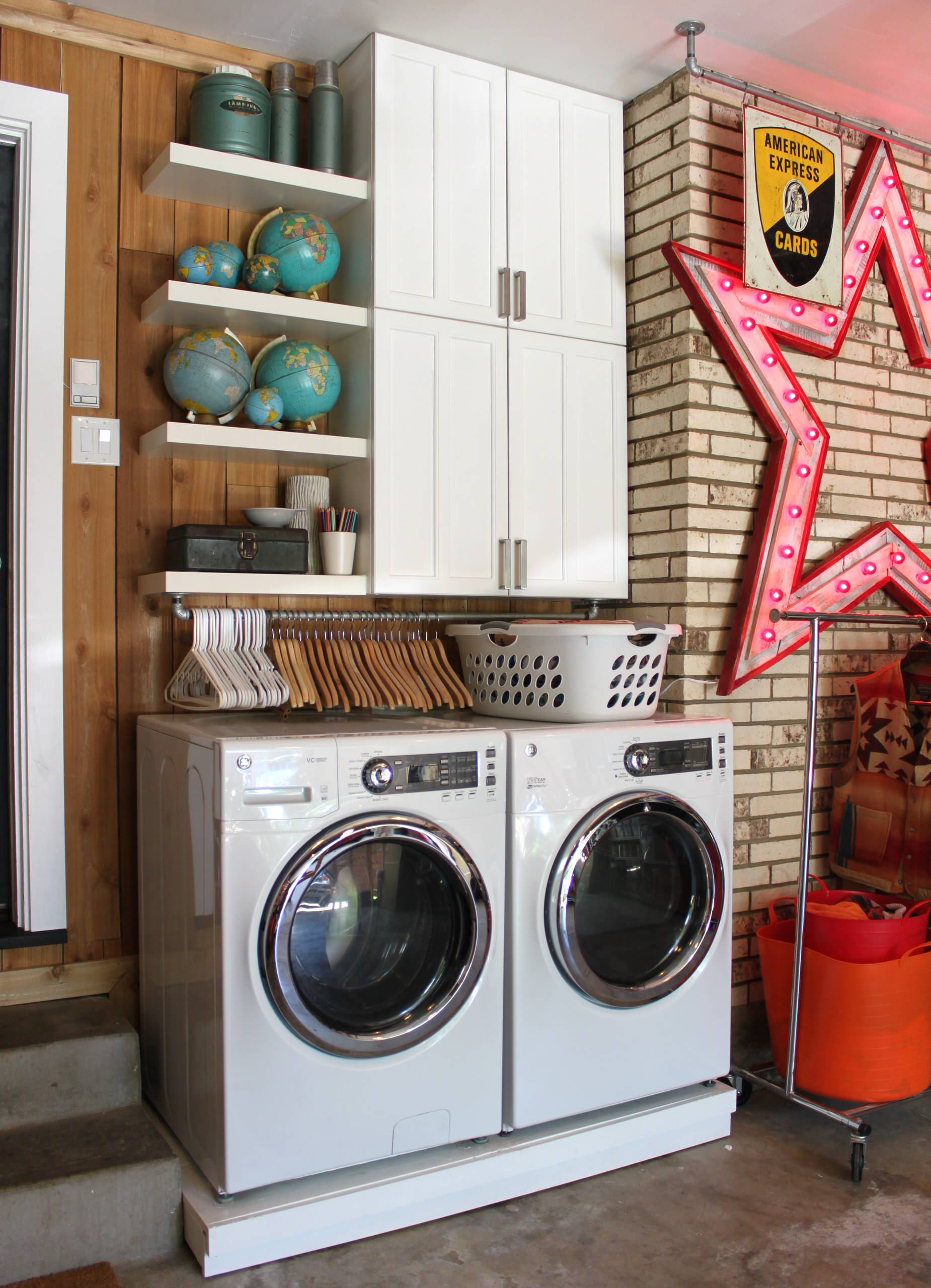
Credit: www.houzz.com
Frequently Asked Questions
Is It Safe To Have Laundry Machines In The Garage?
Yes, if installed properly. Insulate water pipes, secure appliances against tipping, and keep the area well-ventilated. Always follow local building codes and manufacturer guidelines.
How Can I Keep My Garage Laundry Area Warm In Winter?
Add pipe insulation, seal garage doors, and use a small space heater. Make sure the heater is safe for garage use and never leave it on unattended.
Will Laundry In The Garage Increase My Energy Bills?
Usually, yes. Garages are not insulated, so washers and dryers work harder. Expect 10–15% higher energy use compared to indoor laundry rooms.
Can I Use Regular Laundry Detergent In The Garage?
Yes, but store all detergents and supplies in sealed containers. Keep them off the floor and away from heat or direct sunlight to prevent damage.
What If My Garage Floods Or Gets Very Dusty?
Place appliances on a raised platform and clean the area often. Seal cracks to prevent dust and pests, and check for leaks after heavy rain.