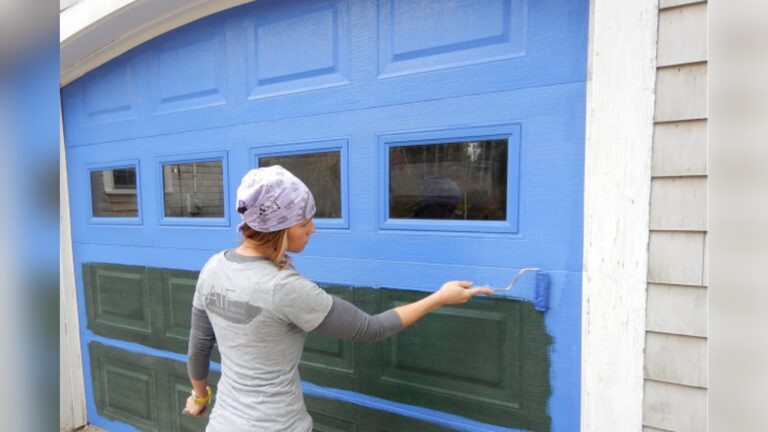

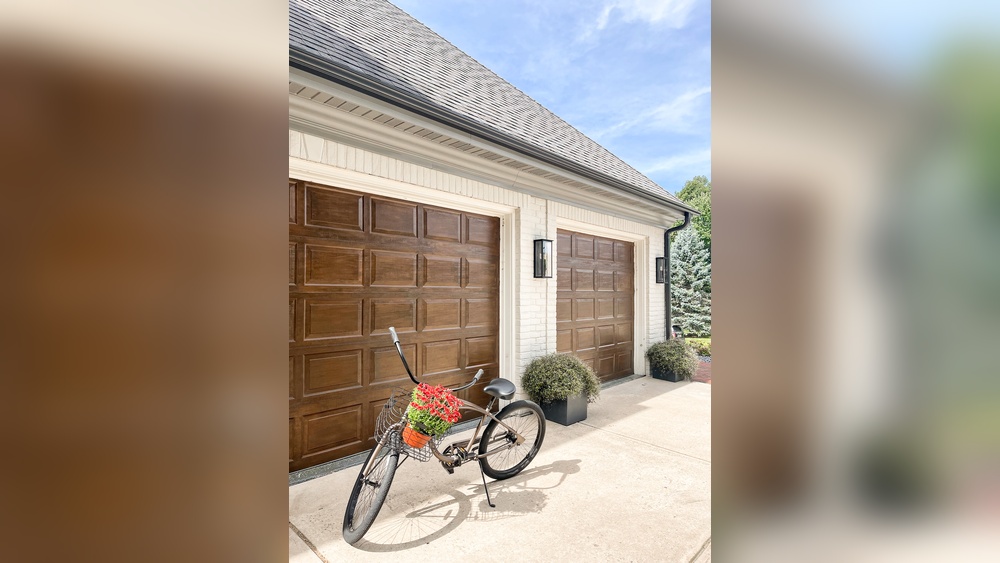
Painting your garage door to look like wood is a smart way to boost your home’s curb appeal without spending thousands on a real wood door. Many homeowners want the warm, natural look of wood, but metal or fiberglass garage doors are much more common. With the right paint and technique, you can create a stunning woodgrain effect that fools the eye and lasts for years.
This guide gives you beginner-friendly steps, examples, and data to help you transform your garage door. Whether you’re a DIY newbie or just want a fresh look, you’ll find practical advice here.
Why Paint Your Garage Door To Look Like Wood?
Wooden garage doors are beautiful, but they often cost between $1,500 and $4,000 for a double door, according to HomeAdvisor. They also need regular maintenance to avoid warping, rotting, or insect damage.
Painting a metal or fiberglass door to look like wood gives you:
- A high-end look for much less money
- Less maintenance and better weather resistance
- The freedom to pick any wood tone or style
Plus, a well-painted garage door can increase your home’s value. Zillow found that homes with attractive garage doors can sell for up to 4% more.
What You’ll Need: Tools And Materials
Before you start, gather all your supplies. This helps the project go smoothly and prevents last-minute store runs.
Basic Supplies:
- Exterior primer (for metal or fiberglass)
- Base coat paint (light tan or caramel)
- Wood grain glaze (darker brown)
- Clear exterior sealer (optional, for extra protection)
- Painter’s tape
- Drop cloths
- Paint tray and liners
- 2-inch synthetic paint brush
- 4-inch foam roller
- Wood grain tool or faux finish brush
- Clean rags
- Sandpaper (120-180 grit)
- Screwdriver (to remove hardware)
- Bucket with mild soap and water
Example: For a standard two-car garage door (16×7 feet), you’ll need about one quart each of base coat and glaze.
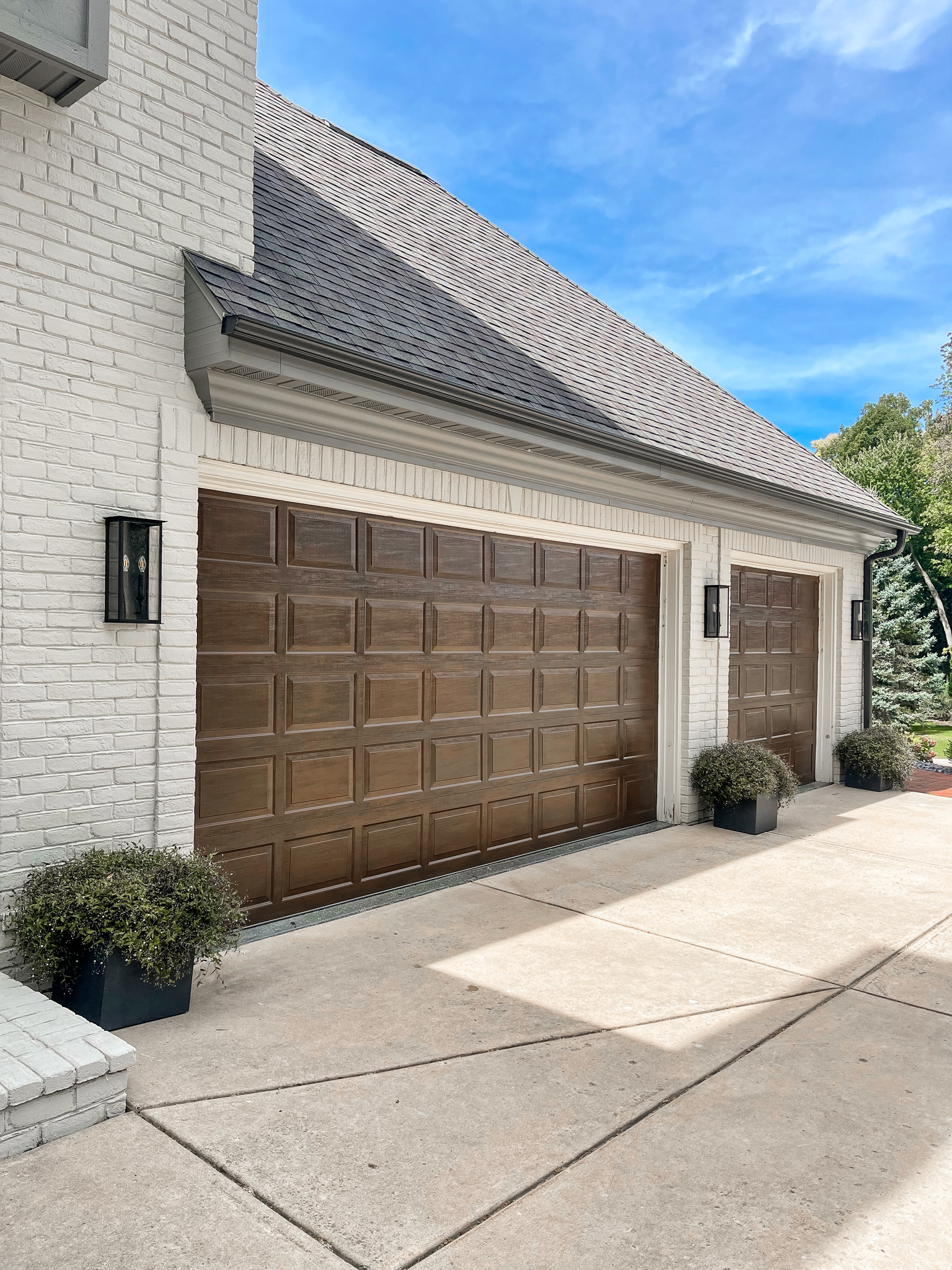
Credit: makingprettyspaces.com
Choosing The Right Paint And Color
Not all paints are equal. For best results:
- Use 100% acrylic latex exterior paint. It resists fading and sticks well to metal or fiberglass.
- Pick a base coat that matches the “heartwood” color you want—think honey, caramel, or golden oak.
- Choose a glaze color at least two shades darker. Walnut, mahogany, or espresso work well.
- For a clear sealer, look for UV-resistant exterior polyurethane.
Tip: Test your colors on a cardboard scrap first. Let them dry to see the real shade.
Common Mistakes When Choosing Paint
- Using interior paint (it will peel)
- Picking a base color that’s too dark (the effect won’t pop)
- Skipping primer on bare metal (paint won’t stick)
Prepping The Garage Door
Preparation is key for a lasting finish. Skipping steps leads to chipping, bubbling, or a fake look.
- Clean the Door: Wash with soap and water to remove dirt and grease. Rinse and dry fully.
- Sand Lightly: Use 120-180 grit sandpaper to scuff the surface. This helps the paint stick. Wipe dust with a damp cloth.
- Remove Hardware: Take off handles and locks or cover them with painter’s tape.
- Tape Off Edges: Protect brick, siding, and windows with tape and drop cloths.
Non-obvious insight: If your door has old, flaking paint, remove it with a scraper and sand smooth. Painting over loose paint causes peeling.
Step-by-step Painting Process
Here’s how to make your garage door look like real wood, even if you’ve never painted before.
1. Prime The Surface
Apply a thin coat of exterior primer with a foam roller. Let it dry according to the label (usually 2-4 hours).
Why it matters: Primer creates a smooth, grippy surface for the paint. This step is a must for metal or fiberglass doors.
2. Apply The Base Coat
- Use a clean foam roller to apply the base color in long, even strokes.
- Work in small sections (2-3 feet wide).
- Feather out edges with a brush for a smooth finish.
Let the base coat dry for at least 4 hours. For deep colors, a second coat may be needed.
3. Add The Wood Grain Effect
This step creates the magic.
- Pour glaze into a paint tray.
- Dip a wood grain tool or faux finish brush lightly into the glaze.
- Starting at the top, drag the tool across the door in straight, horizontal lines.
- Rock or twist the tool gently to mimic knots and swirls.
Pro tip: Practice on cardboard first. The pressure and angle change the wood look.
Example: Making “planks”
If your garage door has flat panels, use painter’s tape to divide them into “planks. ” Apply glaze to each section, then remove the tape for crisp lines. This trick adds realism, especially on plain doors.
4. Blend And Soften
While the glaze is still wet:
- Use a dry brush or clean rag to gently soften harsh lines or blend edges.
- Step back often to check the look from the street.
Don’t overwork—too much blending can blur the wood pattern.
5. Let It Dry And Seal
Allow the glaze to dry at least 8 hours or overnight. When dry, apply a clear exterior sealer for extra protection, especially in sunny or rainy climates.
Comparing Paint Types And Costs
Here’s how different paint choices stack up for garage doors:
| Type | Pros | Cons | Average Cost (per quart) |
|---|---|---|---|
| 100% Acrylic Latex | Durable, easy to apply, fade resistant | Needs primer | $15-$25 |
| Oil-Based Paint | Hard finish, good for metal | Slow drying, strong smell, not eco-friendly | $20-$35 |
| Spray Paint | Quick to apply, smooth finish | Hard to control, costly for large doors | $6-$10 (per can) |
Acrylic latex is best for most DIYers due to its easy cleanup and low odor.

Credit: funhomebuilding.com
Realistic Wood Tones: Popular Choices
Want your garage door to match a specific wood? Here’s a comparison of popular looks:
| Wood Type | Base Coat Color | Glaze Color | Best For |
|---|---|---|---|
| Golden Oak | Light caramel | Warm brown | Traditional homes |
| Walnut | Tan | Espresso | Modern or craftsman homes |
| Mahogany | Reddish brown | Deep chocolate | Luxury look |
| Driftwood | Gray-beige | Charcoal brown | Coastal or farmhouse |
Pro tip: Light colors hide dust and scratches. Dark colors make a bold statement but may fade faster in direct sun.
Maintenance Tips For A Wood-look Garage Door
A painted woodgrain finish is tough, but you can make it last longer with some simple care:
- Rinse dirt off with a garden hose twice a year.
- Avoid harsh cleaners or power washers, which can strip paint.
- Touch up chips with leftover base and glaze paint.
- Reapply clear sealer every 2–3 years for best protection.
Non-obvious insight: Trim back bushes and sprinklers near the door. Constant moisture or plant contact can cause paint to lift or mildew to grow, even with a good sealer.
How Much Time Does It Take?
For a first-time DIYer, expect:
- Cleaning and prep: 2–3 hours
- Priming: 1 hour (plus drying time)
- Base coat: 1–2 hours
- Woodgrain glaze: 2–3 hours (more if doing “planks”)
- Drying and sealing: Overnight plus 1 hour
Most people finish in a weekend. Working on a dry, mild day (above 50°F) helps everything cure properly.
Is Diy Or Hiring A Pro Better?
Doing it yourself saves money. DIY materials usually cost $60–$120. Hiring a pro can cost $300–$800 for labor, plus materials.
A pro can finish faster and may achieve a more detailed grain, but modern tools make DIY results very close. If you enjoy creative projects and have basic painting skills, most beginners can get great results.
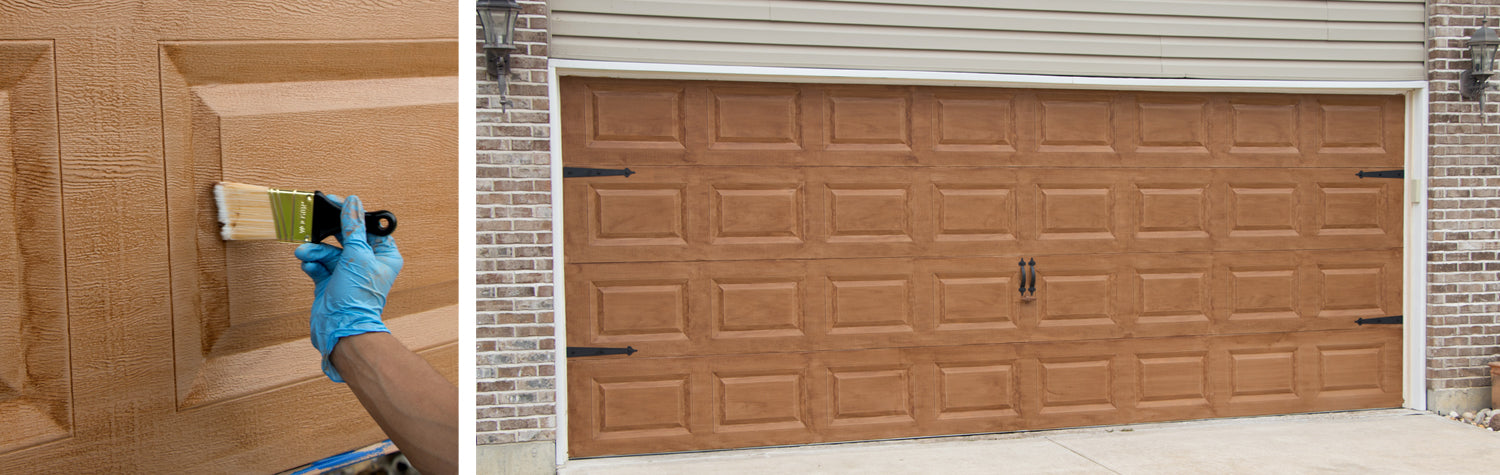
Credit: gianigranite.com
Common Problems And How To Fix Them
1. Paint Peels or Bubbles
- Usually caused by painting over dust, oil, or old paint.
- Solution: Sand, clean, and re-prime before repainting the spot.
2. Grain Looks Fake
- Often from too much or too little glaze, or using the wrong tool.
- Solution: Practice on cardboard first and adjust your technique.
3. Brush Marks or Lap Lines
- Applying paint in sections that dry before blending.
- Solution: Keep a “wet edge” and feather out overlaps as you go.
4. Color Fades Quickly
- Using interior paint, skipping a sealer, or direct sun exposure.
- Solution: Use exterior-grade products and reapply sealer as needed.
Example: Real-life Transformation
Megan, a homeowner in Ohio, had a plain white aluminum garage door. She wanted the look of rich walnut but didn’t have the budget for a new door. She followed these steps:
- Chose a tan base coat and a deep espresso glaze.
- Used a faux finish brush for the grain, making sure to add knots and swirls.
- Taped off sections to make “planks.”
- Finished with a UV-resistant sealer.
Neighbors thought she bought a new door. She completed the project for just $85 in materials and one weekend of work.
Safety And Weather Considerations
- Always paint on a dry day with low humidity.
- Wear gloves and old clothes.
- Keep windows or doors open for ventilation.
- Don’t paint if rain or frost is expected within 24 hours.
Important: Most exterior paints are low VOC, but they still have fumes. Don’t let kids or pets near the work area.
Where To Find More Inspiration
Many paint brands have online galleries showing different woodgrain effects. YouTube offers video tutorials for visual learners. For color and technique ideas, check out Houzz Magazine, which features garage makeovers and expert tips.
Frequently Asked Questions
How Long Does A Painted Wood-look Garage Door Last?
With good prep and a quality sealer, the finish can last 5–7 years before needing touch-ups. Direct sun or harsh weather may shorten this time.
Can I Use This Technique On Plastic Or Vinyl Doors?
Yes, but you must use a bonding primer made for plastic. Test your paint on a small hidden area first.
What If I Make A Mistake In The Grain Pattern?
Wipe off the wet glaze with a damp rag and try again. Small mistakes usually blend in with the next coat or touch-up.
Do I Need To Remove The Garage Door To Paint It?
No, most people paint the door in place. Just lock it open or closed while working, and avoid using it until all coats are fully dry.
Is This Technique Weatherproof?
The paint itself is weather-resistant if you use exterior products and a clear sealer. High humidity, rain, or salt air can shorten the life, so regular maintenance is important.
Painting your garage door to look like wood can be a weekend project with a big impact. With the right tools, a little practice, and the steps above, you’ll give your home a custom look that lasts for years.